REVIEW · KATHMANDU
Everest Base Camp Trek
Book on Viator →Operated by Adventure Great Himalaya Trek and Expedition · Bookable on Viator
Everest starts with a short flight and a long set of steps. This 15-day trek is built for clear pacing, strong local support, and big mountain days, from Lukla through Sagarmatha National Park to Base Camp and the Kala Patthar sunrise viewpoint. You’ll also get real Sherpa life along the way, with villages, monasteries, prayer flags, and the little routines that keep high-altitude trekkers steady.
I particularly like two things. First, the plan includes acclimatization days in Namche Bazaar and again around Dingboche, so you’re not just climbing because you can—you’re climbing because your body has a chance to adapt. Second, the operator bundles practical logistics into one package: meals, lodge accommodation, permits/fees, and Kathmandu–Lukla flights, which means less scrambling on arrival.
One consideration: you’re going to the thin air zone, with a maximum of 5,545 meters at Kala Patthar, and winter can turn this into a brutal cold-weather test. If you’re not ready for minus-degree conditions, you’ll still be safe with a good guide, but comfort won’t be the point.
In This Review
- Key highlights you’ll care about
- Kathmandu warm-up: getting set up for Lukla
- The Lukla flight and the first trekking day into Phakding
- Namche Bazaar: where acclimatization becomes part of the fun
- Tengboche and the monastery day: Everest framed by forests
- Dingboche and the second acclimatization: testing your pace
- Lobuche to Gorakshep to Base Camp: the long climb to the end of the line
- Kala Patthar sunrise from Pheriche: worth the effort, no shortcuts
- Coming down: Namche to Lukla and back to Kathmandu
- What you’re really paying for at $1,800 per person
- Cold-weather reality check: guides make a big difference
- Who should book this trek (and who should be cautious)
- Should you book this Everest Base Camp trek?
- FAQ
- What city does the trek start in?
- How long is the Everest Base Camp trek?
- What is the highest altitude on this trek?
- Does the tour include Kathmandu to Lukla flights?
- Are meals and lodge accommodations included?
- Are trekking permits and conservation fees included?
- Is a porter included, and how does it work?
- What equipment is provided?
- What additional costs should I plan for?
- What happens if I need to cancel?
Key highlights you’ll care about
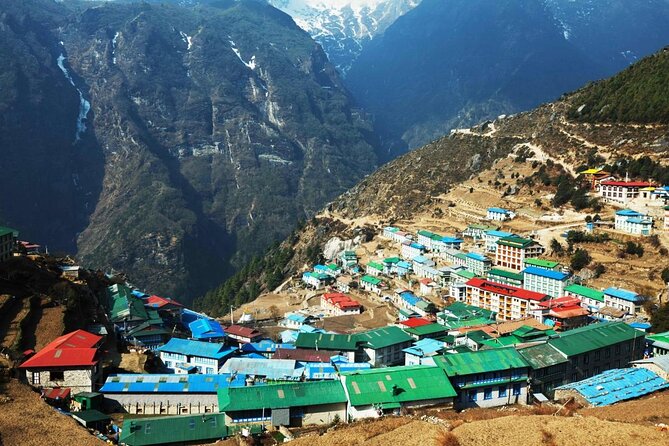
- Kala Patthar sunrise from the Pheriche area, for that dramatic Everest view at dawn
- Real acclimatization rhythm in Namche Bazaar and Dingboche, plus a climb to Nagarjun Hill (5,100m)
- Sherpa villages and monasteries on the route, including time around Tengboche
- Base Camp + last-settlement staging through Gorak Shep, so your final push feels organized
- Group stays small (up to 12), which usually makes the trekking day feel less chaotic
- A “buffer” day in Kathmandu for Lukla-to-Kathmandu flight delays, common with unpredictable weather
Kathmandu warm-up: getting set up for Lukla
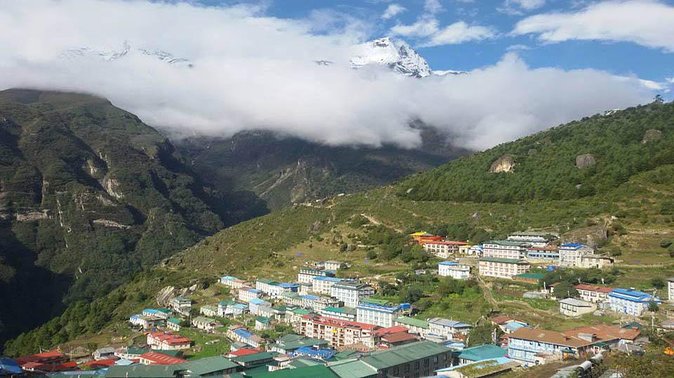
Your trek begins in Kathmandu, with a welcome after you land at Tribhuvan International Airport. You’ll get transferred to a hotel, then meet your guide for a short briefing—enough to sort out your questions, gear basics, and daily routine before your body ever meets the altitude.
I like starting this way. Kathmandu can feel busy and confusing, and you need a calm first night. With pickup offered and a small group cap, you’re also more likely to get a plan that fits your pace instead of a rushed herd.
The other thing to know: the tour is designed around the Lukla flight. That means your early days are as much about timing and safety as they are about scenery.
You can also read our reviews of more tours and experiences in Kathmandu.



The Lukla flight and the first trekking day into Phakding
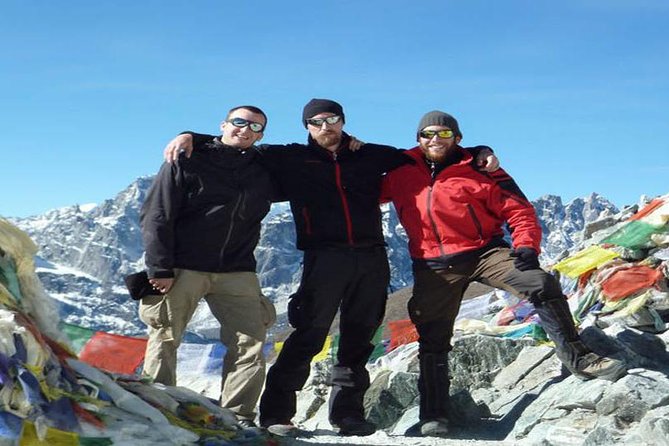
The next morning (an early start) you fly from Kathmandu to Lukla. The flight itself is part of the drama: short runway energy, plus Himalayan views that make the whole trip feel real fast. After you meet the trekking crew, you start with an easy descent toward Phakding.
This first stretch matters. It lets you settle into the rhythm of walking at elevation without immediately hitting the hardest climbs. You’ll pass Sherpa villages and see the mani walls and prayer wheels, plus trails marked by colorful prayer flags—little details, but they’re the stuff you’ll remember when the higher days get tough.
A practical drawback: even the “easy” day can feel longer than you expect if you’re stiff from travel. If your legs feel heavy, you don’t need to prove anything—just keep the steps steady and slow.
Namche Bazaar: where acclimatization becomes part of the fun
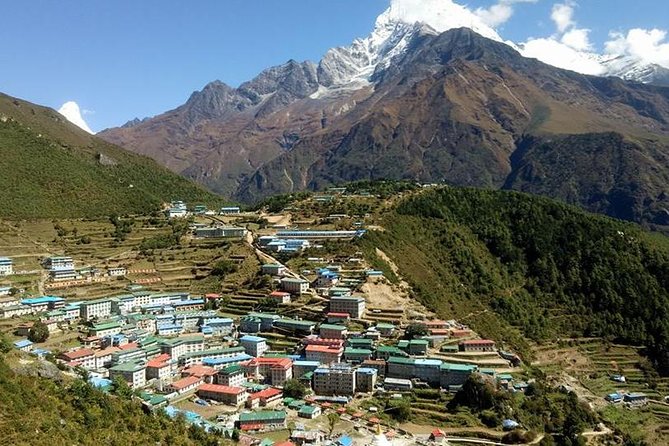
After that initial descent, you head to Namche Bazaar, following the Dudh Koshi River and crossing suspension bridges draped with prayer flags. You’ll walk through pine forests and traditional villages, then enter Sagarmatha National Park. This is one of those transitions you feel: the trail gets more protected and more serious, but the views start paying you back faster too.
Then comes your big acclimatization stop. You stay in Namche Bazaar and spend time sorting out altitude with a lighter day. You can explore the lively market, plus the Sherpa Museum area, and you even get options for a short hike toward the Everest View Hotel or Khumjung village.
Here’s why I think this day is worth it: Namche isn’t just a pause. It’s a staging town where you can walk, look, eat, and adjust. You’ll learn quickly that acclimatization isn’t a separate activity—it’s built into how you spend your time.
If you’re going in cold season, pay attention to how you dress even on these “rest” hours. The sun can be strong, but shade and wind at altitude make cold creep in fast.
Tengboche and the monastery day: Everest framed by forests
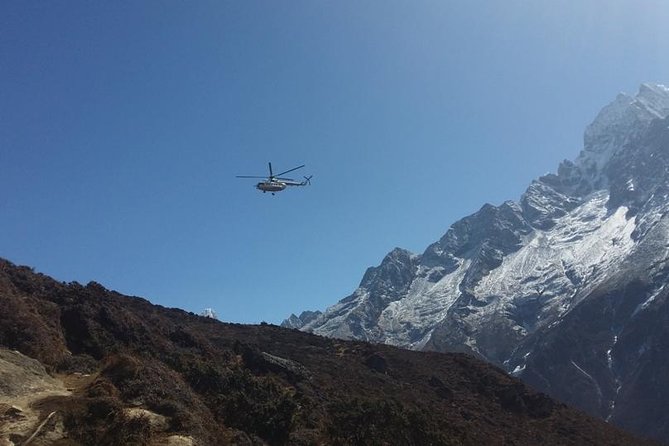
From Namche, the trail gently ascends out and delivers big views of Everest, Lhotse, and Ama Dablam on clear days. You’ll move through rhododendron and pine forests, then descend toward the Dudh Koshi River again. Expect suspension bridges and the constant pattern of climb-then-rest that defines high mountain trekking.
Tengboche is the key stop here. This is where monasteries and spiritual sites become part of the walk, not just a side note. The day feels reflective, mostly because you’re surrounded by that classic Himalayan scenery and you’re not yet at the hardest altitude strain.
Possible drawback: Tengboche-style days can be weather-dependent. If clouds roll in, the views can be muted. Still, the monastery atmosphere and the walking routine tend to keep the day satisfying.
Dingboche and the second acclimatization: testing your pace
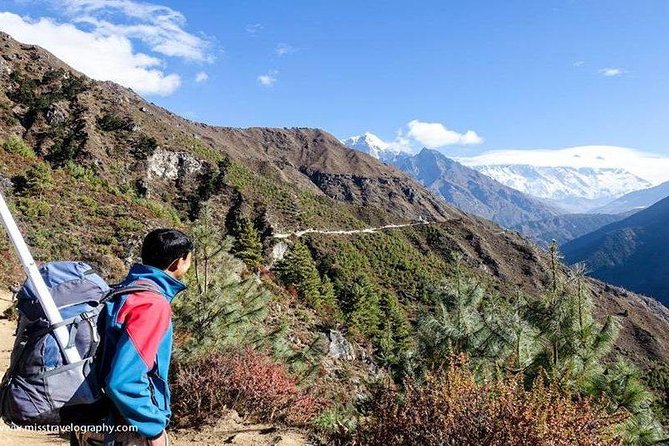
Next you head toward Dingboche. The route includes a descent through forests to Debuche, then a crossing of the Imja Khola River, followed by a gradual climb past Pangboche—described here as the highest permanent settlement in the region. That little fact matters because it signals you’re moving into a more exposed, thinner-air world.
Then you get a second acclimatization day, which is a smart way to handle Everest’s timeline. You’ll hike to Nagarjun Hill (5,100m) for panoramic views of Makalu, Lhotse, and Island Peak, then return for lunch and downtime.
This is where your pacing habits get tested. If you sprint on the acclimatization walk, you’ll feel it later. If you keep it calm and methodical, the next days feel more doable.




Lobuche to Gorakshep to Base Camp: the long climb to the end of the line
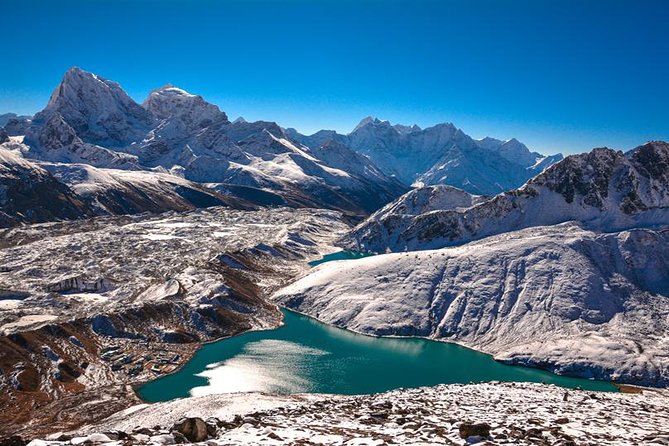
After Dingboche, you push toward Lobuche. The terrain gets rockier and sparser, with sparse vegetation and a steady climb. You’ll pass Dughla and then continue along the memorial ridge honoring climbers who lost their lives on Everest. That section can hit you emotionally because it’s both close to the action and respectful in tone.
From there you reach Gorak Shep, the last settlement before Base Camp. You’ll trek to Gorak Shep and then, after lunch, move across rocky terrain and glacier moraines to reach Everest Base Camp (5,364m).
This is the big payoff moment. The “end” feeling is real—after days of incremental gains, Base Camp reads like a final destination. The view quality can vary with weather, but even when visibility isn’t perfect, the setting is unmistakably high-altitude and dramatic.
One consideration: the Base Camp day is often mentally exciting, which can lead to walking too fast. Keep your breathing controlled. You’re chasing a view, not a personal speed record.
Kala Patthar sunrise from Pheriche: worth the effort, no shortcuts
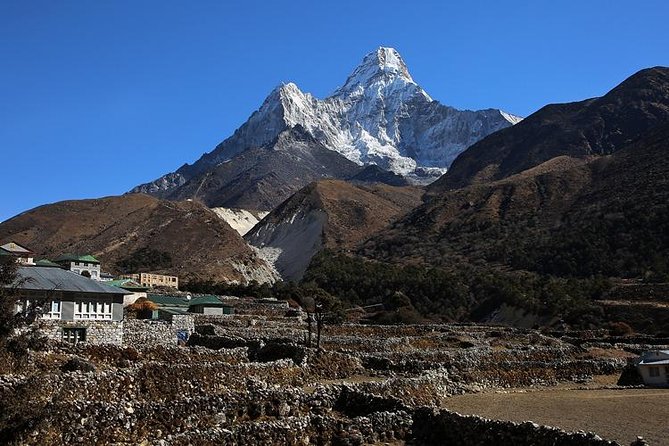
The next major push is the sunrise hike to Kala Patthar (5,545m). You start early from the Pheriche area and climb toward the best vantage point for sunrise views of Mount Everest and the surrounding giants. This is the day you feel most in your body.
After sunrise viewing, you descend back toward Gorak Shep for breakfast and then continue with the return route.
Why this section matters for you: Kala Patthar is where the trek turns from beautiful trekking into high-stakes altitude effort. You’ll want layers, wind protection, and a calm mindset. In December trips, cold can be extreme—one winter trek experience was described as very cold but still unforgettable, and the key to getting through it was having a guide handle the details so the trekkers could focus on walking and staying safe.
If you’re the type who hates being cold, plan your gear carefully and don’t rely on motivation to solve comfort problems.
Coming down: Namche to Lukla and back to Kathmandu
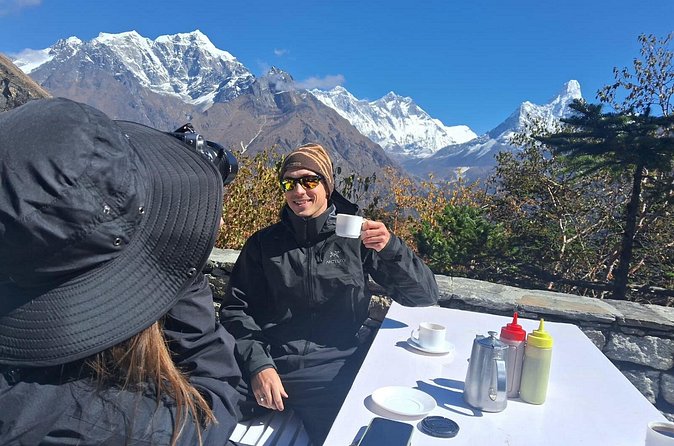
After Kala Patthar, you head back down the way you came, with new perspectives. You’ll trek from the high areas back through Pangboche and Tengboche, then into Namche Bazaar with forests and suspension bridges along the Dudh Koshi River. The mountain seems closer to you on the descent, and you’ll likely notice small changes in your breathing and energy.
The last trekking day takes you downhill through pine forests and across high suspension bridges back to Lukla. Then you fly from Lukla to Kathmandu, with a final Himalayan view if the weather cooperates.
This end phase is underrated. It’s when you find out whether your trip was truly manageable. If you’ve followed the pacing, hydration, and rest plan, the downhill days feel like recovery instead of punishment.
What you’re really paying for at $1,800 per person
At $1,800 per person, the headline price can look high until you see what’s included. This trek covers a lot of cost drivers:
- Kathmandu to Lukla and return flights
- 3 nights hotel in Kathmandu and 11 nights lodge accommodation on trek
- All meals during the trek (breakfast, lunch, dinner)
- Permits and Sagarmatha conservation fees
- A porter for between 2 trekkers
- Trek equipment support including a sleeping bag, duffel bag, and walking pole
- All ground transportation
You’re also dealing with a small group (up to 12 travelers), which usually means the guide and crew can manage logistics without chaos.
What’s not included is also important. You still need to budget for:
- international airfare and the Nepal visa fee
- personal travel insurance
- tips for the guide and porter
The practical value here is that you’re not trying to assemble flights, permits, lodges, and equipment yourself at the last minute in a place that runs on tight schedules.
Cold-weather reality check: guides make a big difference
One of the most praised parts of this experience is how well guidance supports the group when conditions get rough. In a December trek experience, the cold was a major factor, but the trip was described as well managed so trekkers could focus on hiking while the rest was handled. Another review praised Babu and his team for making the experience work smoothly.
That lines up with how Everest Base Camp trekking actually succeeds: it’s not just fitness. It’s timing, pacing, and small decisions—especially around weather and altitude.
So if you’re going in winter or shoulder season, treat the tour as a serious cold-weather expedition, not a casual hike. The sleeping bag is included, which helps, but you still need to show up ready to dress in layers and handle wind chills.
Who should book this trek (and who should be cautious)
This is a great fit if you want:
- a guided experience with permits and most logistics handled
- clear acclimatization stops so your body gets time to adjust
- Sherpa culture stops built into the walk (villages, monasteries, and prayer-flag trail culture)
- a small-group trek that keeps the day-to-day feeling manageable
It’s less ideal if:
- you’re unwilling to spend time above 5,000m (even with acclimatization days)
- you get anxious in cold and windy conditions, especially around sunrise pushes
- you don’t have moderate physical fitness
If your fitness is solid and you respect the altitude plan, you’ll enjoy this more than you think.
Should you book this Everest Base Camp trek?
I’d book it if you want a structured path up to Base Camp with acclimatization baked in, not tacked on. The price feels more reasonable when you remember the included flights, permits, meals, lodge stays, and porter support. You also get a thoughtful buffer day in Kathmandu to handle Lukla flight delays, which can be a real stress-saver.
I wouldn’t book it if you’re planning a zero-effort trip or if you’re hoping for warmth and comfort. This route asks for effort, especially around Kala Patthar and in colder months. Go prepared, follow the pacing, and let the guide do the managing.
FAQ
What city does the trek start in?
The trek starts in Kathmandu, Nepal, with meet-up at Tribhuvan International Airport.
How long is the Everest Base Camp trek?
The duration is about 15 days.
What is the highest altitude on this trek?
The maximum altitude is 5,545 meters at Kala Patthar.
Does the tour include Kathmandu to Lukla flights?
Yes. Kathmandu to Lukla and return flights are included.
Are meals and lodge accommodations included?
Yes. The trek includes meals (breakfast, lunch, dinner during the trek) and 11 nights lodge accommodation, plus 3 nights of hotel in Kathmandu.
Are trekking permits and conservation fees included?
Yes. All necessary trekking permits and Sagarmatha Conservation fees are included.
Is a porter included, and how does it work?
Yes. A porter is included for between 2 trekkers.
What equipment is provided?
You’ll be provided with a sleeping bag, duffel bag, and walking pole.
What additional costs should I plan for?
International airfare, Nepal visa fees, personal travel insurance, and tips for the guide and porter are not included.
What happens if I need to cancel?
This experience is non-refundable and cannot be changed for any reason.