REVIEW · KATHMANDU
Langtang Valley Trek
Book on Viator →Operated by Nepal High Trek & Expedition Pvt. Ltd · Bookable on Viator
Mountains have a way of tightening your focus. This Langtang Valley Trek is built for that exact feeling: Himalayan views, village walking, and a steady route that many beginners can manage at a moderate pace. The payoff is a short, well-paced introduction to Nepal trekking without the big-altitude stress of some longer treks.
What I like most is how much is handled for you. You get a licensed mountain guide for the whole 7 days, plus the core trekking paperwork sorted in advance: Langtang National Park Permit and a TIMS card.
One thing to keep in mind: the schedule is still long days on foot, and the “beginner-friendly” label is about difficulty level, not effort. You should be ready for uphill segments with a pack and for early mornings starting around 6:45 am.
In This Review
- Key highlights you’ll feel on the trek
- Why Langtang Valley Trek works so well for first-time trekkers
- Price and logistics: what you’re really paying for ($555) and what can cost extra
- Day 1 from Kathmandu to Syabrubesi: the long drive that sets the tone
- Day 2: Syabrubesi trail through Langtang National Park
- Day 3: Lama Hotel to Langtang village via river upstream and cooler gorge travel
- Day 4: climbing to Kyanjin Gompa and why the ridge moment counts
- Day 5: valley time around Kyanjin, then down to Lama Hotel
- Day 6: the final long walk back to Syabrubesi
- Day 7: back to Kathmandu and how to plan your next steps
- Guides who make the trip feel smooth: names you can look for in the experience
- Food, comfort, and the small included extras that keep you moving
- Who should book the Langtang Valley Trek, and who should reconsider
- Should you book this tour?
- FAQ
- How long is the Langtang Valley Trek?
- What time does the experience start?
- What does the price include?
- What additional costs might come up?
- Is pickup from Kathmandu included?
- What kind of fitness level is expected?
Key highlights you’ll feel on the trek
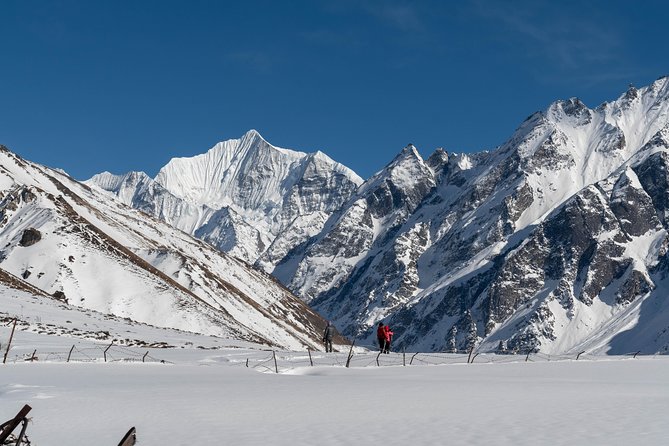
- Syabrubesi start with an early overland drive and classic first look at Langtang Himal
- Langtang National Park access handled through the included permit and TIMS card
- Kyanjin Gompa reached via a short steep climb to a ridge, then into the valley’s high point
- Private trek accommodation for 6 nights, so you’re not bouncing between lots of crowded stops
- Meals and extras included, including breakfast/lunch/dinner and three hot drinks per trekking day
Why Langtang Valley Trek works so well for first-time trekkers
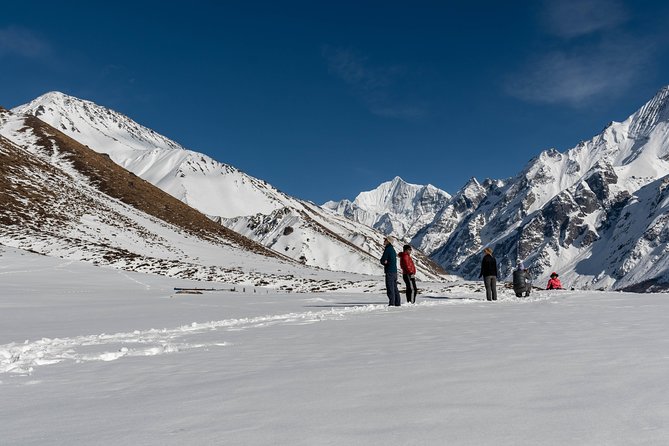
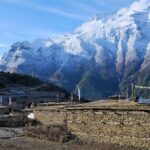
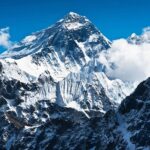
Langtang is one of those regions where the mountains don’t feel far away. From the get-go, you’re walking in and around the Langtang Himal world, and the route mixes forest trails, river walking, and village scenes in a way that keeps your day from turning into one long, repetitive climb.
This trek is often chosen for people who want the Himalaya experience without the extra complications of the hardest high-altitude routes. The difficulty is described as moderate, with gradual terrain and generally lower altitudes compared with some other popular treks. In plain terms: the work is real, but the route is designed to be steady and understandable.
The “short and manageable introduction” part matters. In a lot of trekking destinations, your biggest challenge isn’t the altitude, it’s the logistics—permits, transport, food, and figuring out what happens when. Here, the tour includes a licensed guide for the full trip, plus permit and card coverage, and it’s set up around the Langtang National Park walking experience.
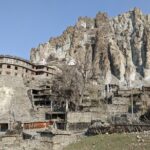
And you’ll notice something else during the walk: Langtang isn’t just about peaks. Even in the short time you’re there, you’re moving through a chain of places with their own feel—green forest sections, cooler gorge travel, and then the quieter higher-area destination at Kyanjin Gompa.
You can also read our reviews of more tours and experiences in Kathmandu.
Price and logistics: what you’re really paying for ($555) and what can cost extra
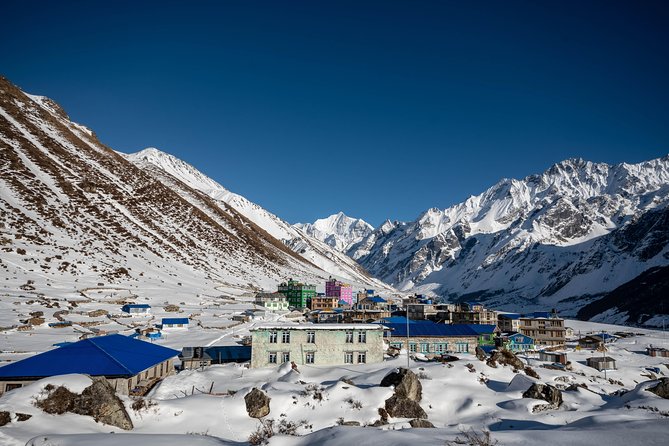
At $555 per person, this trek isn’t cheap in the abstract. But when you line up what’s included, the value becomes clearer—because the items that cost real money and real time are covered.
Included basics that add up quickly:
- A government licensed guide for 7 days
- Langtang National Park permit + TIMS card
- Both-way transportation by local sharing jeep
- 6 nights private accommodation during the trek
- Meals across 7 breakfasts, 7 lunches, and 7 dinners
- 3 cups of hot beverage per day during the trek
- Seasonal fruits during the trek
- A medical kit bag
- Pickup is offered, and you’ll receive a mobile ticket
So you’re paying for the “day-to-day life” pieces of trekking: food, lodging, guide time, and the paperwork that prevents headaches. That’s the kind of value that matters most when you’re new or when you want a smooth plan without constant decisions.
What’s not included is also important to understand:
- Travel insurance (you’ll want to arrange this on your own)
- City hotel (the trek handles the trek portion; you manage Kathmandu lodging)
- Tips for trekking crews (not unusual, but worth budgeting)
- Optional add-ons: a porter cost and private jeep option listed at $190 per booking
If you’re the kind of traveler who wants to trek with minimal decision-making, this structure fits well. If you already have your own permit system and transport contacts, you might compare costs differently—but for most people, the included package is a time-saver.
Day 1 from Kathmandu to Syabrubesi: the long drive that sets the tone
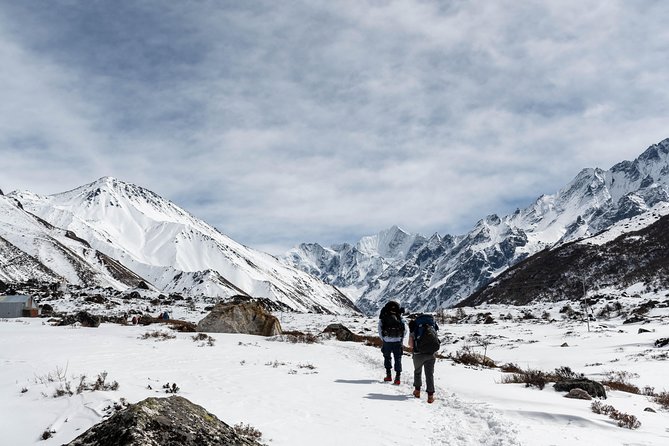
Your day starts early. You’re looking at a 6:45 am start time, with pickup offered and an 8-hour overland drive north toward the Langtang Himal area. The route is a big part of the experience: you’re not only traveling, you’re getting your first mountain orientation.
The drive is described as offering views of snow-capped peaks as you move north. Then you arrive at Syabrubesi, which is the jumping-off village for the trek proper.
Why this day matters:
- It gets you into the trekking zone without needing extra transfers.
- You settle into the region early enough that Day 2 can feel like a true start.
- The scenery on the drive helps your brain shift from Kathmandu pace to mountain pace.
A possible drawback is obvious if you’re sensitive to road travel: 8 hours on the road plus a long morning start can be tiring. If you’re coming off a travel day, plan for rest.
Also note the timing shown for the day: the day includes a stop labeled as Syabrubensi bus with an admission ticket included. That’s a hint that transport-related costs are handled inside the package, not added later at every step.
Day 2: Syabrubesi trail through Langtang National Park
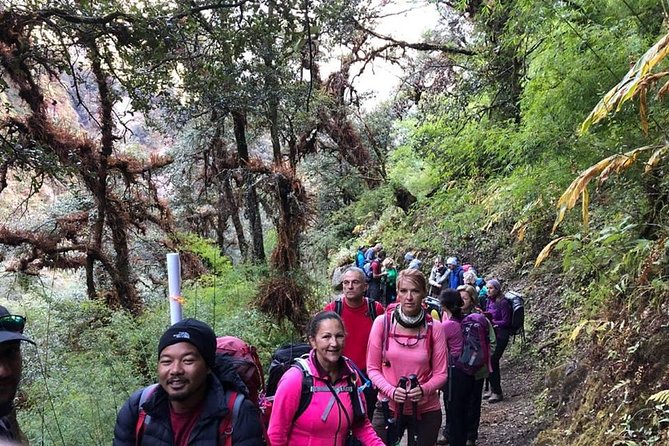
The trek proper begins from Syabrubesi. You start with a walk that crosses a bridge over the Langtang River, and then you climb into farm areas before entering dense forest.
This is the part of the trek where you really learn what kind of hiking your legs can do. Forest trails can feel deceptively gentle because you’re often under shade and the terrain can shift subtly. You’ll work, but it tends to be readable. And because you’re moving between farm areas and forest, it keeps your eyes busy.
The stop is tied to Langtang National Park, and the package covers the paperwork through TIMS and the national park permit. That’s not just “administrative.” In the Langtang region, it’s what allows your guide to manage the trek legally and smoothly.
Expect:
- A river crossing early
- A gradual uphill feel as the trail transitions from farm land into forest
- A longer day total indicated in the schedule
One small consideration: forest trekking often means slower going than you expect. Not because it’s technical, but because the trail can wind and the pace depends on your comfort with climbing and footing.
Day 3: Lama Hotel to Langtang village via river upstream and cooler gorge travel
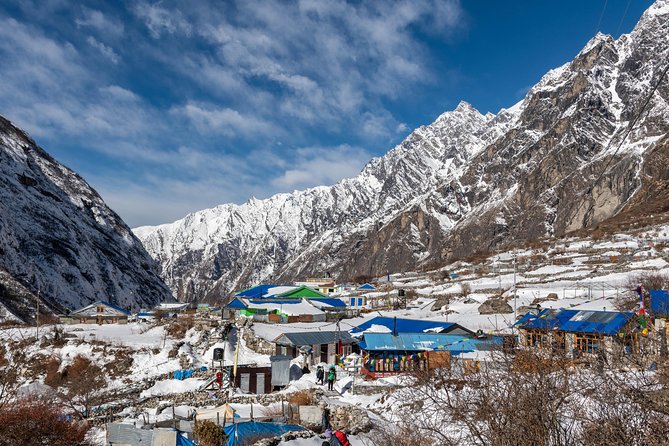
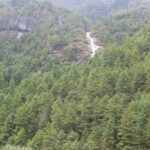
By Day 3, the walking becomes more “mountain trekking” and less “getting going.” The route follows the river upstream through deeply forested areas and in a gorge-like stretch. Then it leads you into a cooler area past Ghodetabla, continuing to reach Langtang village for the overnight stop.
This day is valuable because it changes the feel of the trek. River upstream walking tends to have a steady rhythm. You’re not just chasing altitude; you’re moving through the geography of the valley itself.
Why it’s a great day for beginners:
- It’s about maintaining pace rather than doing technical climbing
- The route is described as moving through forested and gorge environments, which usually means you’re getting gradual changes in footing and shade
- The cooler area shift can feel like a reward as your body settles in
What to watch for:
- Gorges can mean tighter, more enclosed trail sections and sometimes damp footing if conditions are wet
- The day is long in total time, so you’ll want to start your morning plan with steady energy, not a sprint
Day 4: climbing to Kyanjin Gompa and why the ridge moment counts
Today’s destination is Kyanjin Gompa, the major endpoint of the trek’s outward journey. The walking starts with a short steep climb that takes you to a ridge after leaving the forested area. Then the trail leads into the high destination region.
This is one of those days where the last stretch feels like it matters. The ridge transition is especially important because it changes what you see and how your pace feels. Ridge walking can open up views and often brings cooler air and a different kind of wind exposure. Even if the climb is short, it can feel big if you go out too fast.
The tour schedule indicates an admission ticket included for this day. That aligns with the kind of day where the destination has specific entry expectations, handled inside the package so you don’t scramble.
What I’d consider as a potential drawback:
- Even a short steep climb can strain your lungs if you’re not used to uphill hiking.
- If you’re nervous about steepness, you’ll feel better if you use a slower pace early in the day. Let the body catch up.
The best part is the sense of arrival. Kyanjin Gompa isn’t just another stop. It’s the trek’s “meaning point,” where the earlier days of forest and valley walking become a payoff.
Day 5: valley time around Kyanjin, then down to Lama Hotel
After reaching Kyanjin Gompa, the day includes time around the valley area and then the trek turns into downhill walking toward Lama Hotel for the overnight stop.
This is where your legs either breathe or complain. Downhill days can feel easier on your cardiovascular system but harder on your knees and shins. The good news is that the route is built to keep your overall schedule manageable.
A smart way to experience this day is to treat it like a decompression day, not a race. You’ll get the views and the atmosphere of Langtang Valley, and then you’ll ease back into the trail rhythm for the return.
The schedule notes Langtang National Park again, but the focus here is less on “access” and more on the walk itself—valley time and then settling back into Lama Hotel for the night.
Day 6: the final long walk back to Syabrubesi
Day 6 shifts again toward the end. You depart Lama Hotel with morning hiking that follows the forest route and then downhill, including a bridge crossing, until you reach Syabrubesi for the last overnight halt.
This day tends to feel like two things at once:
- You’re excited because you’re nearing the finish
- You’re physically learning what “end of trek” means
Downhill plus forest can be slippery if conditions aren’t dry, and long walking days are when small pace decisions show up as fatigue later. Your best bet is simple: keep your steps controlled, even if the finish line is calling.
This day includes a transport-linked admission ticket and is structured so you finish in Syabrubesi, ready for the Kathmandu drive on Day 7.
Day 7: back to Kathmandu and how to plan your next steps
Your final day is a drive back to Kathmandu. The schedule states you take an overland journey in the morning, and then you’re back in the city after completing the trek.
This is the day to think about recovery and timing. You’ve done a multi-day walking program in Nepal’s Langtang region. Even if the trek is considered moderate, your body will want a reset.
If you’re planning anything immediately in Kathmandu, keep it light. A simple meal, a short walk, and time to sort out what you packed and what you need for the next leg of your trip usually beats trying to cram in sightseeing right away.
Guides who make the trip feel smooth: names you can look for in the experience
One reason this trek tends to rate so well is the human factor: guides who can manage the practical side and also explain what you’re seeing.
Across the feedback, some names come up repeatedly: Nabin and his porter Tenjin, Buddhi, Laku, Padam and Sam, and Pawan (with team member Anjan also mentioned). The common thread is professionalism and attentiveness—plus the ability to adapt when the day needs it.
That matters for you because trekking success isn’t only about legs. It’s also about:
- Keeping the pace realistic
- Making sure permits and logistics stay in order
- Adjusting plans to keep the experience enjoyable, even when conditions change
If you’re newer to trekking, this is the kind of guide support that turns the trek from an endurance test into a guided, understandable journey.
Food, comfort, and the small included extras that keep you moving
This trek includes the full food package: breakfast, lunch, and dinner for 7 days. That reduces one of the biggest beginner uncertainties—where to eat, what to order, and how much you’ll spend daily.
You also get 3 cups of hot beverage per day during the trek and seasonal fruits along the way. Those details sound small until you’re actually hiking and your body wants warmth and a quick boost. In cold mountain conditions, that “warm something” can be the difference between pushing onward calmly and feeling drained.
Accommodation is listed as 6 nights private accommodation during the trek. “Private” is a big deal when you’re tired. You want sleep that resets you, and you don’t want to spend your night dealing with noise or crowds.
Finally, there’s a medical kit bag. It’s not a guarantee against altitude issues or injury, but it does signal that the organizer is thinking about safety and basic response. For trekkers, that peace of mind counts.
Who should book the Langtang Valley Trek, and who should reconsider
This is a strong match if you:
- Want a beginner-friendly Himalaya trek with moderate difficulty
- Prefer a route with gradual terrain and generally lower altitudes compared to tougher options
- Like the idea of a guided package where permits, meals, lodging, and key transport are already arranged
- Want authentic village and forest walking, not just a checklist trek
You might reconsider if you:
- Know you’re not comfortable with long hiking days, even at a moderate difficulty level
- Need a fully self-supported trek with lots of freedom to change plans day-by-day
- Are sensitive to early starts and long road travel from Kathmandu
The key is to be honest about effort. One person can find this trek manageable, while another can feel it’s their hardest hike of life. The difference often comes down to fitness, how you pace uphill, and how you handle tired legs on the return.
Should you book this tour?
Yes, if you want a guided Langtang Valley experience that focuses on what you’ll actually need: a licensed guide, permits handled, meals covered, and a route that’s designed for a first Himalayan trekking step. The price of $555 makes sense most when you value the planning and day-to-day support, not just the hiking itself.
I’d book especially if you like the idea of reaching Kyanjin Gompa and doing a proper out-and-back loop through Langtang National Park areas, with a warm-up road day from Kathmandu and a full wrap-up return on the final day.
If you’re unsure, pick based on your hiking honesty. Train a little for steady uphill walking and be ready for long days. If you do that, this trek can give you a real Himalayan memory without turning logistics into your main job.
FAQ
How long is the Langtang Valley Trek?
The trek is listed as 7 days approximately, starting in the early morning from Kathmandu and ending with a drive back to Kathmandu on the final day.
What time does the experience start?
The start time is 6:45 am.
What does the price include?
The tour includes a licensed mountain guide for 7 days, Langtang National Park permit and a TIMS card, both-way transportation by local sharing jeep, 6 nights private accommodation during the trek, breakfast/lunch/dinner, hot beverages each trekking day, seasonal fruits, and a medical kit bag.
What additional costs might come up?
Travel insurance, hotel in Kathmandu city, tips for trekking crews, and optional porter cost/private jeep are not included. The listed option for porter cost and private jeep is $190 per booking.
Is pickup from Kathmandu included?
Pickup is offered, and the tour includes both-way transportation between Kathmandu and the trekking start/end points by local sharing jeep.
What kind of fitness level is expected?
The trek is described as suitable for travelers with moderate physical fitness level, and it’s positioned as a manageable option for beginners and low-adventure travelers.