REVIEW · KATHMANDU
Manaslu Circuit Trek:
Book on Viator →Operated by Nepal High Trek & Expedition Pvt. Ltd · Bookable on Viator
Manaslu is the kind of trek that feels remote. This restricted circuit takes you past rice terraces, rhododendron forests, Tibetan-influenced villages, and the big payoff: crossing Larkya La Pass on the way to panoramic views of some of Nepal’s great peaks.
I especially liked the way this trip is paced for real acclimatization. You get a built-in rest day in Samagaon and your guide team (people like Suraj, Suman, and Rajan Gole came up in guide reviews) pushes frequent breaks so you keep moving without rushing. I also liked that the company handles the key logistics—permits, transport, and tea house stays—so you’re not juggling details after a long travel day.
One consideration: the trek is weather-dependent. When skies stay clear, views off Larkya La are unforgettable, but when clouds roll in you’ll feel it fast. And the Larkya La day is demanding mainly because of altitude, not because the trail is technical—still, you should take the acclimatization days seriously.
In This Review
- Key things to know before you start the Manaslu Circuit
- Why the Manaslu Circuit feels different than the usual trek route
- Kathmandu setup: airport pickup, briefing, and your first Nepal meal
- The warm-up days in Gorkha: Arughat, Machha Khola, and Tatopani hot springs
- Deng, Numrung, and Lo Gaon: farm terraces and increasing altitude
- Samagaon and Samdo: acclimatization plus Tibetan-flavored village life
- Dharmasala and Larkya La Pass: the highest moment of the trek
- Bhimtang to Tilje and Dharapani: joining the Annapurna Circuit trail
- Returning to Kathmandu: a long drive, a real finish line, and time to breathe
- Value and money sense: what’s included in the $1,099 and what to plan for
- The people factor: guides and porters make the difference
- Weather, difficulty, and what to pack for the real conditions
- Should you book the Manaslu Circuit Trek with this operator?
- FAQ
- How long is the Manaslu Circuit Trek?
- What’s the highest point on the trek?
- What permits are included?
- Where do you stay during the trek?
- What meals are included during the trek?
- Do you get airport pickup and help in Kathmandu?
- What transportation is included?
- What’s not included in the price?
- Can I cancel for a full refund?
- Is this trek private?
Key things to know before you start the Manaslu Circuit
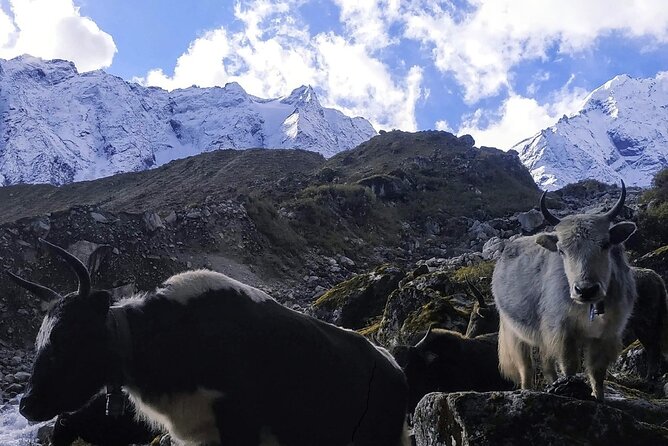
- Restricted and cultural: You’re trekking through the Manaslu region’s Gurung, Tamang, and Bhote communities, with monasteries and daily life in villages like Samagaon and Samdo.
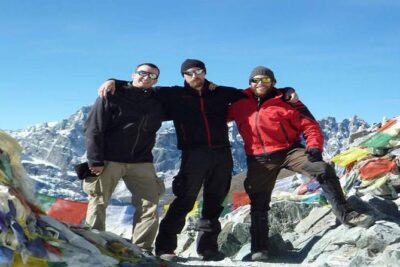
- The pass is the headline: Expect a big day around 5,100–5,160m when you cross Larkya La, topped with prayer flags and stone cairns.
- A real acclimatization plan: A Samagaon rest day helps you adjust before going higher toward Manaslu Base Camp (around 4,800m).
- Good support system: Reviews highlight consistent care from guides and porters—people like Kami, Bardan, Dal, Bibash, and Dambar Lama were mentioned for kindness and attentiveness.
- Permits are included: The trek covers TIMS plus the Manaslu special permit and ACAP permit, which is a big hassle you don’t want to manage alone.
- Expect long hiking days: Several days run 10–15 hours with altitude swings, so pack for patience as much as fitness.
Why the Manaslu Circuit feels different than the usual trek route
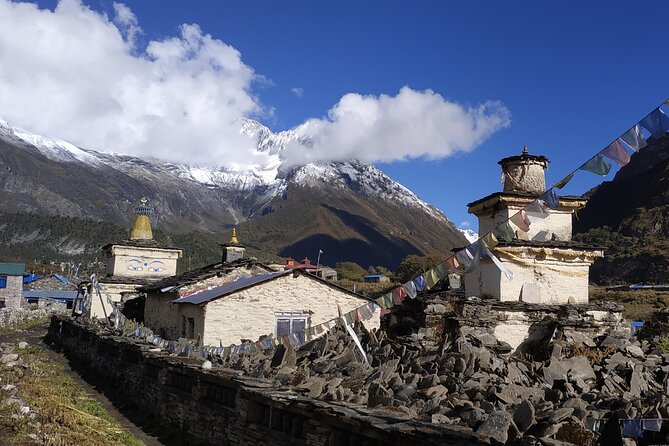
The Manaslu Circuit Trek isn’t trying to be trendy. It follows a region that’s more restricted, so the trail tends to feel quieter and more grounded in local life than the most crowded routes. You’ll also spend real time in different environments—sub-tropical river valleys, bamboo and juniper zones, and then the higher, drier staging villages where Tibetan influence shows up in daily routines.
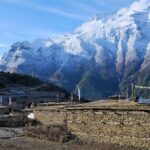
And you’re chasing a specific target: Mount Manaslu (8,163m). Even if you’re not going to Base Camp, the trek repeatedly puts you in viewing range, especially around Samagaon, where the mountain’s presence becomes a constant companion rather than a one-time photo.
You can also read our reviews of more tours and experiences in Kathmandu.
Kathmandu setup: airport pickup, briefing, and your first Nepal meal
Most trekking companies can get you into Nepal. This one tries to get you comfortable quickly. On day one, you land in Kathmandu and get transferred to a hotel, then meet your guide team for a group briefing on do’s and don’ts. That briefing matters because trekking rules in restricted areas are not optional—they keep things smooth for you and respectful for locals.
You’ll also join a group dinner at a typical Nepalese restaurant. It’s a small thing, but it’s the moment you can ask questions before your hiking days start. If you’ve ever felt nervous about altitude or tea house basics, this is where you can get clarity before you’re tired and cold.
Your Kathmandu hotel stay is included for two nights with breakfast, so you’re not scrambling for a place to land after a flight.
The warm-up days in Gorkha: Arughat, Machha Khola, and Tatopani hot springs
The trek starts with a long overland journey from Kathmandu toward the Gorkha district—first to Arughat, where temperatures feel warmer, then toward Machha Khola. That dirt-road stretch can be bumpy, but it’s also part of the trek’s logic: you’re moving from city altitude and pace into valley life before you hike.
Day two and day three build the foundation. You walk alongside the Buri Gandaki River, passing small farm villages and reaching Tatopani, a village built around natural hot springs. If your legs feel stiff from the ride, this is the best kind of reward: a warm soak that lets you reset before climbing starts for real.
Then you continue to Jagat for an overnight stop. This stretch is a good place to slow your pace. It’s not about speed. It’s about getting your breathing steady so later days feel manageable.
Deng, Numrung, and Lo Gaon: farm terraces and increasing altitude
As you gain elevation, the walk becomes a mix of labor and scenery. One day you pass through villages with scattered houses and terraced wheat and barley fields. Another day you move through bamboo forest and climb above a rocky ridge, which is where the trek starts shifting from “valley hiking” into “mountain travel.”
Some names here matter because they mark how the scenery changes. You’ll reach Deng, then later move toward Bihi Bazaar and follow the river through cultivated fields of barley, wheat, and millets. This is classic Manaslu: agriculture carved into steep slopes, people living close to their work, and trails that feel like they’re part of the landscape rather than something dropped in from outside.
Lo Gaon is a standout mentioned in the route description because it offers excellent views of the Manaslu North Face. That’s the kind of payoff you want before the higher villages—proof that the effort is working.
Samagaon and Samdo: acclimatization plus Tibetan-flavored village life
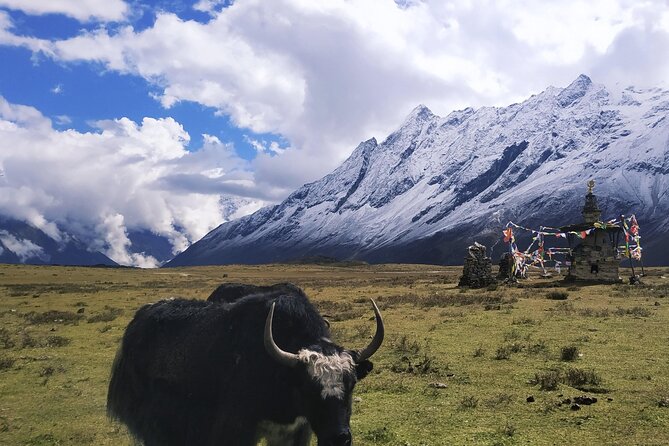
Samagaon is where this trek becomes more than just walking. It’s one of the largest villages on the route and it sits in a position that makes it ideal for acclimatization. You get a rest day here, and that rest is not just “easy day time.” It’s your chance to adjust, drink tea, and take in the Manaslu views without the pressure of climbing that day.
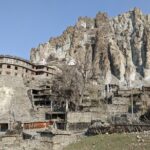
You’ll also see how culture changes with altitude. Samagaon and then Samdo show stronger Tibetan influence because of closeness to Tibet, and the trade vibe lingers through village life. You’ll even pass through viewpoints like Lho and Syala where you can pause for big perspectives of Manaslu and learn how this mountain changes with weather and light.
When you reach Samdo, you’re approaching the Larkya La region. This stage is also where you’ll feel the altitude in your body even if the route doesn’t look extreme on a map. Dry air can slow you down, so the best strategy is steady effort, short breaks, and listening to your guide.
Dharmasala and Larkya La Pass: the highest moment of the trek
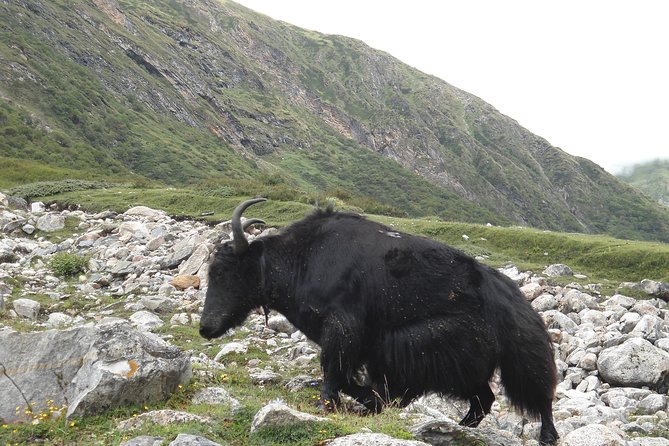
Day ten brings a downhill start toward the Budhi Gandaki River, then a climb through Larkya Bazaar and toward Dharmasala, also called Larke Phedi. This is where you start to feel like you’re in the final act. The description also notes a good chance of seeing blue sheep in this area, which is one of those small nature bonuses that can make a cold morning feel worth it.
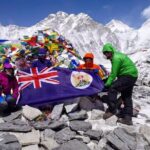
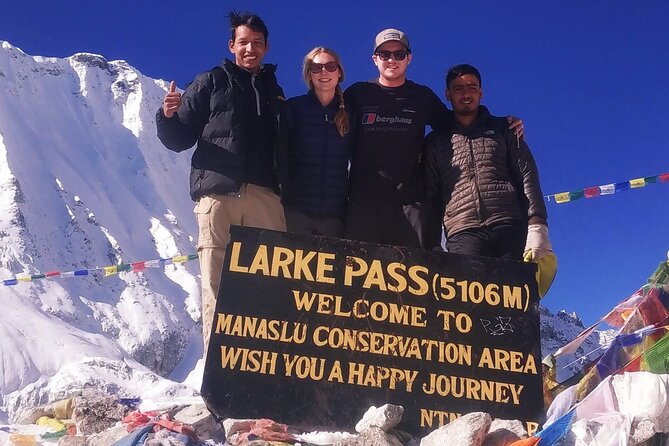
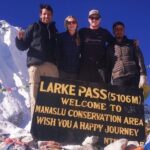
Then comes the pass day. The plan includes reaching the top of Larkya La above 5,160m, with thousands of Buddhist prayer flags and stone piles marking the summit area. The walking includes both gradual winding uphill and a steep climb segment. That combination can be tough, but it’s the kind of tough that rewards disciplined pacing.
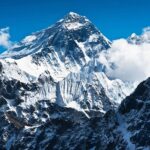
From the top you get wide views—Himlung, Cheo Himal, Kang Guru, and Annapurna II were specifically mentioned in the route notes. After that, the descent begins, including sections over snow and scree to reach places like Larcia, then Tambuche, then down to Bhimtang for the overnight stop.
This is a long day. If you want to do well here, the best preparation is the rest day in Samagaon and a calm rhythm on the earlier climbs.
Bhimtang to Tilje and Dharapani: joining the Annapurna Circuit trail
After Larkya La, your legs will feel the altitude. The good news is that day twelve transitions into a mix of downhill forest walking and terraced climbs. The route passes through summer settlement areas and then heads toward Karche La and the Marysangdi River.
Tilje comes next, following the Dudh River downstream, and you’ll pass villages including Thonje along the way. From Tilje, there’s an hour’s last climb and then you cross a bridge to join the main trail of the Annapurna Circuit in Dharapani.
One practical detail: after reaching Dharapani, you take a sharing jeep to Besisahar (about four hours). That jeep ride is a relief after so many foot-only days. It’s also a reminder that this trek blends high hiking days with ground transport at the edges.
Returning to Kathmandu: a long drive, a real finish line, and time to breathe
Day thirteen is your drive back from Besisahar toward Kathmandu, passing farm villages and terraced fields. Your day ends with an afternoon free for you to relax after the trek. That free time matters more than it sounds—your body needs it, and it’s nice to get Kathmandu back without a forced schedule.
Day fourteen follows your international flight time with transfer to the airport. The experience closes where it started, with your end back at the meeting point area around Tribhuvan International Airport.
Value and money sense: what’s included in the $1,099 and what to plan for
This trek is listed at $1,099 per person for roughly 14 days, and it includes the big-ticket pieces that often blow up trekking budgets if you handle them yourself: permits, guides, ground transport, and multi-night lodging.
Here’s what you should feel good about:
- Permits included: TIMS plus the Manaslu special permit and ACAP permit.
- Guides and local support: You get a registered expert and a guide, plus tea house accommodation in twin sharing rooms.
- Meals during the trek: The package includes three trek meals across the days (breakfast, lunch, and dinner are included, with counts provided in the tour details), plus tea or coffee three times a day and seasonal fruit.
- Gear assistance if needed: The company provides a down jacket and sleeping bag if required, which can save you from renting or buying cold-weather gear.
What you should expect to pay separately:
- Travel and rescue insurance (not included, and you really don’t want to trek without coverage).
- Food in Kathmandu and any extra nights if your flight changes.
- Personal items like phone calls, laundry service, battery recharge, bottled water, and hot water/shower.
- Tips for guide and porter.
If you’re trying to decide if the price is fair, I’d look at the included permit coverage and the fact that lodging and meals are set up for you. Those pieces are exactly where DIY treks turn into stress.
The people factor: guides and porters make the difference
The strongest recurring theme in the provided reviews is care. People repeatedly describe guides who kept things moving safely and porters who were kind, helpful, and steady.
Names that show up: Anjan for pre-trek communication, Suraj for encouraging lots of breaks during acclimatization, Suman for friendly support throughout the trek, Laku with his porter Bardan for making the experience feel smoother, and Indako with porter Kami for handling issues when someone in the group felt sick. Other guide/porter pairs also appear, including Dal and Bibash and Rajan Gole.
Even if every guide is great, the way a guide manages pacing is what you feel in your lungs and legs. If you tend to rush when you’re excited, pick a team that explicitly builds in breaks. The reviews point to guides doing exactly that.
Weather, difficulty, and what to pack for the real conditions
This trek is physically serious but not a technical mountaineering mission. The main difficulty is altitude and long days. Larkya La is the highest point of the adventure and it demands respect, especially on a day that includes a steep climb portion and then a rocky descent.
Weather matters a lot. The trek notes and reviews both line up on the same truth: clear skies create the best views. When clouds move in, the hike still gives you the route experience—rivers, villages, prayer flags—but the mountain drama can fade.
Pack for cold once you get higher. The company includes a down jacket and sleeping bag if you need them, but you’ll still want proper layers, gloves, and a plan for keeping your feet dry. Also bring a strategy for hydration and snacks between tea house meals since you’ll cover many hours on trail.
Should you book the Manaslu Circuit Trek with this operator?
Book it if you want a guided, permit-covered trek through a quieter region with genuine village life, plus a strong acclimatization plan before the pass day. This is a good fit if you value support—clear briefing in Kathmandu, steady pacing with breaks, and a team that manages logistics so you can focus on walking and breathing.
I would think twice if you’re chasing the kind of trek where weather never affects you. You’re going to be outside the whole time, at high altitude, and you’ll feel it when skies don’t cooperate. Also be honest about your tolerance for long trekking days, since several days run 10–15 hours.
If you’re ready for a real high-mountain circuit and you want the Manaslu region specifically—not just generic Nepal scenery—this package makes a lot of practical sense.
FAQ
How long is the Manaslu Circuit Trek?
It’s listed as about 14 days (approx.).
What’s the highest point on the trek?
The highlight is crossing Larkya La Pass, listed around 5,106m and described as above 5,160m in the route details.
What permits are included?
The trek includes the TIMS card plus the Manaslu special permit and the ACAP permit.
Where do you stay during the trek?
You’ll have 11 nights in local tea houses on a twin-sharing basis, plus two nights in Kathmandu hotels with breakfast.
What meals are included during the trek?
During the trek, the package includes breakfast, lunch, and dinner amounts listed in the tour details, plus tea or coffee three times during the trek and seasonal fruit.
Do you get airport pickup and help in Kathmandu?
Yes. Pickup is offered, and you’re transferred from Kathmandu International Airport to your hotel after arrival.
What transportation is included?
All ground transportation is included, including drives from Kathmandu and a sharing jeep ride from Dharapani to Besisahar during the trek’s return.
What’s not included in the price?
Travel and rescue insurance, Kathmandu meals, extra costs outside the scheduled itinerary, personal expenses (like bottle water, phone calls, laundry, battery recharge, hot water/shower), and tips for guide and porter are not included.
Can I cancel for a full refund?
Free cancellation is offered up to 24 hours in advance for a full refund.
Is this trek private?
It’s described as a private tour/activity, with only your group participating.