REVIEW · SA PA
Sapa 3-Day Trekking Adventure from Hanoi
Book on GetYourGuide →Operated by NEW LAND INTERNATIONAL TOURIST COMPANY LIMITED · Bookable on GetYourGuide
Sapa looks like a postcard. Then your shoes get muddy and you notice it is real life. I like the local ethnic-guided approach and the small group feel, with a limit of about 10–12 guests so you’re not just another face in a crowd. I also like that the route is flexible to your pace and fitness. One thing to plan for: the hiking includes slick mud on wet days, and it is not a casual stroll.
You’ll start with a long bus day out of Hanoi, then shift into walking through rice terraces of Muong Hoa and visiting H’Mong, Dao, and Giay village areas. You sleep one night in a private Ta Van homestay and one night in a 3-star Sapa town hotel, with meals scheduled throughout. The biggest drawback, for some people, is logistics at the edges: the return ride may not drop you at your exact Hanoi hotel, and the road trip can feel tight.
In This Review
- Key things that make this Sapa trek work
- Leaving Hanoi: a long bus day that sets the tone
- Day 1 in Sapa: Cat Cat Village is scenic, but it’s also touristy
- A town break that matters: Sapa hotel night reality
- Day 2 trekking: 9 km from Y Linh Ho through rice terraces to Ta Van
- Homestay night in Ta Van: personal, but keep expectations grounded
- The village selling factor: expect it, manage it, don’t let it steer you
- Day 3 trekking: 4 km to Giang Ta Chai and Su Pan, then back to Sapa
- Price and value: how $116 turns into real costs avoided
- Logistics that can trip you up: where to plan extra margin
- What to pack (and what to skip) for this exact route
- Who this tour suits best (and who should consider another option)
- Should you book the Sapa 3-Day Trekking Adventure from Hanoi?
- FAQ
- How long is the Sapa trek?
- What’s included in the price?
- How much hiking is there?
- Will you be dropped at your Hanoi hotel at the end?
- What should I bring for the trek?
- Is it suitable for children or people with mobility issues?
Key things that make this Sapa trek work
- Small-group pacing (up to ~12, often ~10): you get more personal time with your guide.
- Local guides lead everything: you learn daily life, not just photo stops.
- Muong Hoa valley trekking: 9 km on day 2 plus 4 km on day 3, total about 14 km.
- One-night Ta Van homestay: you sleep inside the village rhythm, not in a tour bubble.
- Cat Cat Village + French-era touchpoints: waterfall and a hydroelectric site built by the French.
- Cooking class at the homestay: dinner includes what you helped prepare.
Leaving Hanoi: a long bus day that sets the tone
This tour starts with pickup in the Hoàn Kiếm area in Hanoi, usually in the early morning window. The drive to Sapa is around 5.5 hours, and you’ll do it twice across the trip. Translation: pack for comfort. Even with a VIP cabin bus, it’s still a coach ride, and you’ll want water and something to help you sit through the long hours.
On the return, expect a late arrival back in Hanoi (around 10:00–10:30 pm). You’ll also finish in the Hoàn Kiếm area rather than being dropped at your exact hotel. If your hotel is outside that zone, build in extra time and don’t plan a tight same-night schedule.
You can also read our reviews of more tours and experiences in Sa Pa.

Day 1 in Sapa: Cat Cat Village is scenic, but it’s also touristy
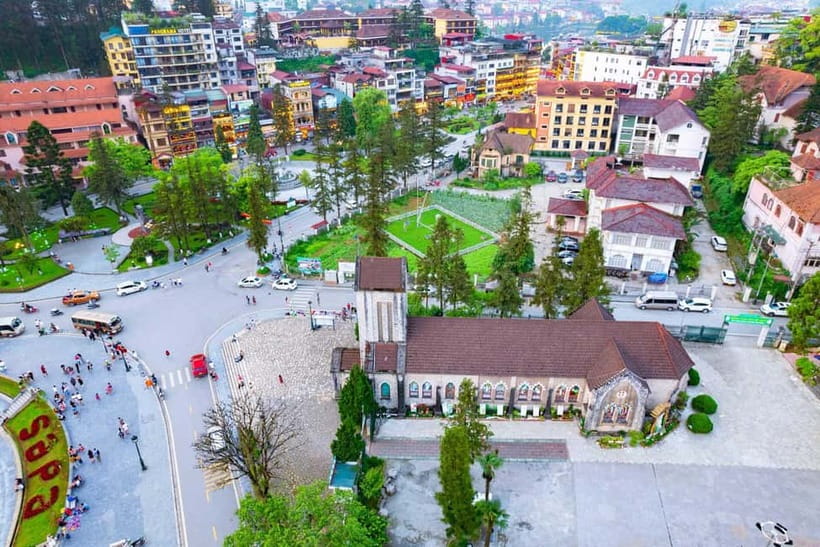
After you arrive in Sapa town and check in, day 1 stays light. You’ll start with lunch, then head out in the afternoon for Cat Cat Village. This is a good first walk because it helps you get your legs moving before the longer trekking days.
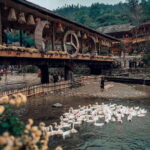
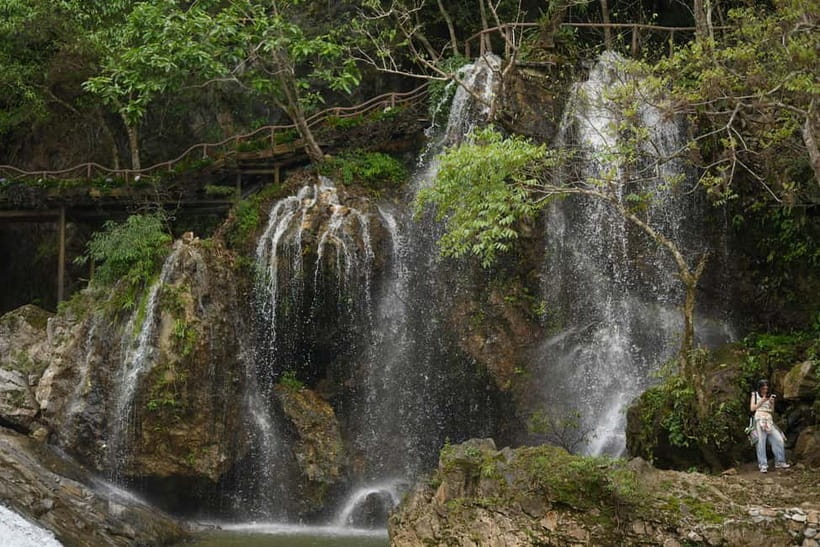
Cat Cat is connected to H’Mong culture, and you’ll learn customs and daily habits along the way. You’ll also see Cat Cat waterfall and an old hydroelectric power plant built by the French in the early 20th century. That French-era angle is one of the few “history moments” on this trip that feels tangible, not just explained.
The trade-off: Cat Cat can feel more developed than the village hikes farther into the valley. Some sections pass through market stalls and a more tourist-built setup. If you prefer quieter, village-only routes, you’ll likely enjoy day 2 and day 3 more.
A town break that matters: Sapa hotel night reality
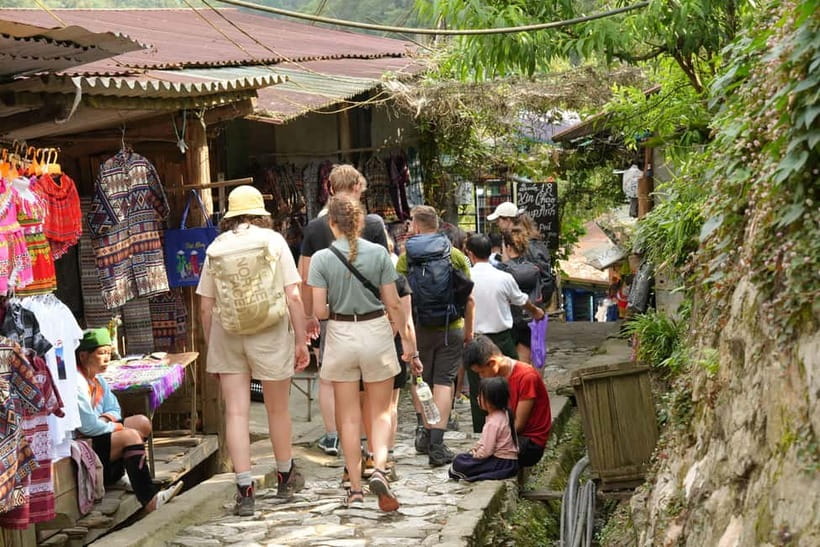
Your second night is in Sapa town at a 3-star property. The operator lists options like Sapa Retreat Condotel or Delta Sapa Hotel, depending on availability. The important point is not the star rating. It’s that you’ll have a base to shower, eat your evening meal, and rest before the trekking day.
Sapa town is active. It’s not a remote village. You’ll have free time after dinner on day 1, which is useful if you want a quick look around, buy essentials, or just sit down and reset.
If you’re traveling with bulky items, it helps that the transport plan keeps luggage stored until the end of the hiking portion. That’s one less hassle to manage while your main focus should be your boots and your water.
Day 2 trekking: 9 km from Y Linh Ho through rice terraces to Ta Van
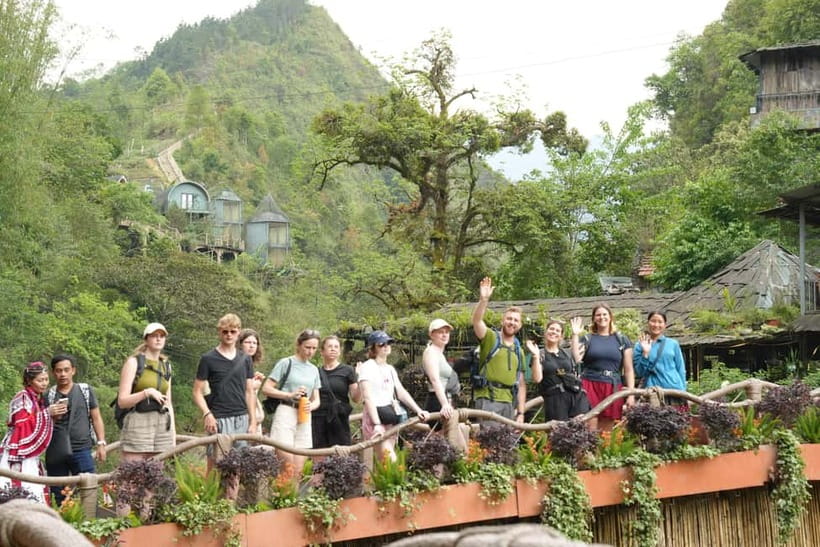
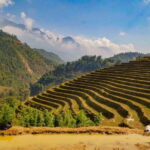
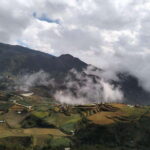
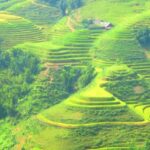
Day 2 is the big Muong Hoa day. After breakfast, you start trekking toward Y Linh Ho, then hike through the rice terraces along the Muong Hoa Stream to Lao Chai (associated with Black H’Mong communities). This section gives you the signature Sapa feel: mountain walls, terraced fields, and trails that follow the water.
The route distance is about 9 km, and the scenery changes as you drop into the valley and then climb gently through village edges. You’ll reach Ta Van for lunch around midday, then check in at your homestay.
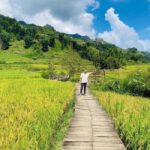
Here’s the practical mindset: even when the walking sounds straightforward on paper, the ground can be uneven. On wet days, expect muddy patches that can feel more like slippery clay than friendly dirt. One reason this tour scores well is the human help on the trail. Local women may accompany at least parts of the walk and can guide you through the rough spots.
After lunch and rest, day 2 pivots into village time. You get free time at the homestay in the late afternoon, which is exactly what you want after 9 km of walking.
Homestay night in Ta Van: personal, but keep expectations grounded
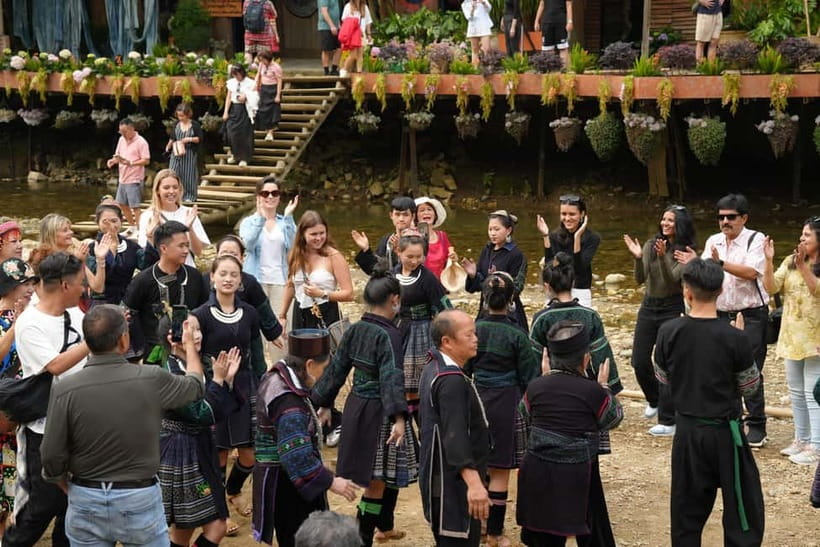
Sleeping at a private homestay in Ta Van is the heart of the trip for many people. You’ll have dinner with dishes prepared at the homestay and a chance to slow down in the village evening.
A homestay is not a hotel. It can be basic, depending on the setup, and it’s worth matching your comfort expectations to the format. That said, the best homestay nights often come from small moments: learning how people live, sharing a meal, and being guided by locals who explain what you’re seeing.
You’ll also do a cooking class at the homestay on day 2. The cooking portion is simple and practical, built around table tasks and likely pre-prepped ingredients. The goal is not professional culinary training. The value is that you eat what you helped make, and you get to ask questions in a relaxed way.
Dinner is typically substantial. If you’re a picky eater, plan to try first and judge after. The tour includes meals, but drinks are not included, so bring money or plan on water/soft drinks being your responsibility.

The village selling factor: expect it, manage it, don’t let it steer you
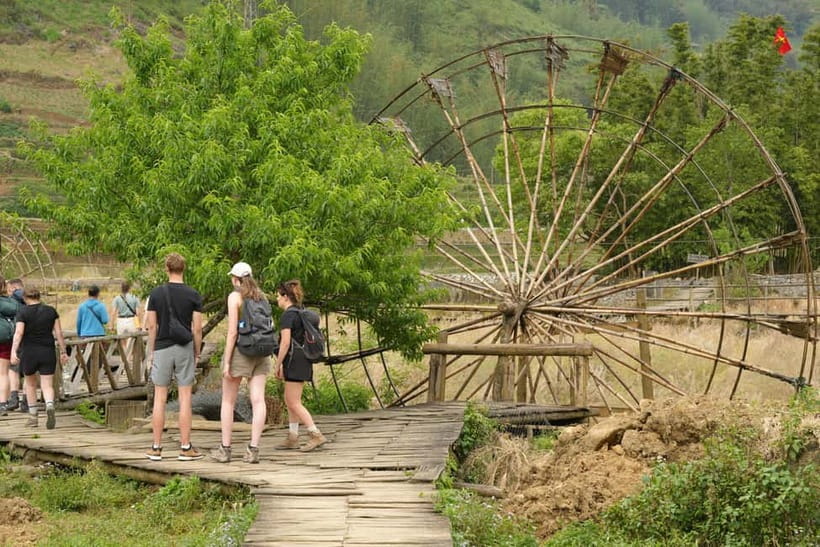
One of the most repeated “real world” issues on this style of trek is selling along the route. People may follow you to offer crafts or small goods, and on some parts of the walk the tone can feel pushy.
You don’t have to buy anything. Still, it helps to have a simple script in your head so you don’t get pulled off your rhythm: smile, thank them, and keep moving. If you want photos, pause briefly, take your picture, then step aside so you’re not trapped in a sales conversation.
This isn’t a reason to avoid the trip. It’s a reason to travel with boundaries. When you do that, you’ll be able to focus on what you came for: terraces, trails, and village life.
Day 3 trekking: 4 km to Giang Ta Chai and Su Pan, then back to Sapa
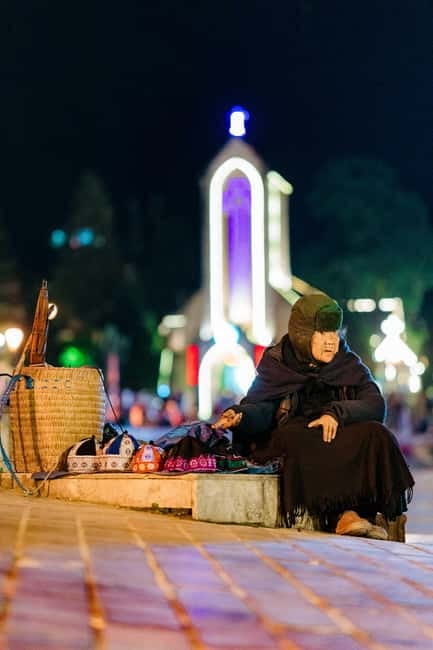
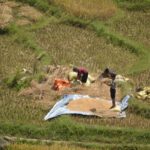
Day 3 is shorter on paper: about 4 km total walking. After breakfast at the homestay, you start toward Giang Ta Chai Village and Su Pan Village, both connected with Red Dao communities.
This morning trek is a good closer. It’s enough walking to feel like you’re still inside the landscape of the region, but not so long that you arrive exhausted and annoyed. You’ll stop for lunch after the village visits, then rest for a bit before getting picked up back to Sapa.
If you struggled with the day 2 mud, day 3 will likely feel easier in comparison. Still, wear the right shoes. Wet weather can make any dirt path slick.
By mid-afternoon, a car ride takes you back to Sapa town. Then you board the bus back to Hanoi, reaching the Hoàn Kiếm area around 10:00–10:30 pm. It’s a long finish, but it’s a standard end for a 3-day trek starting early on day 1.
Price and value: how $116 turns into real costs avoided
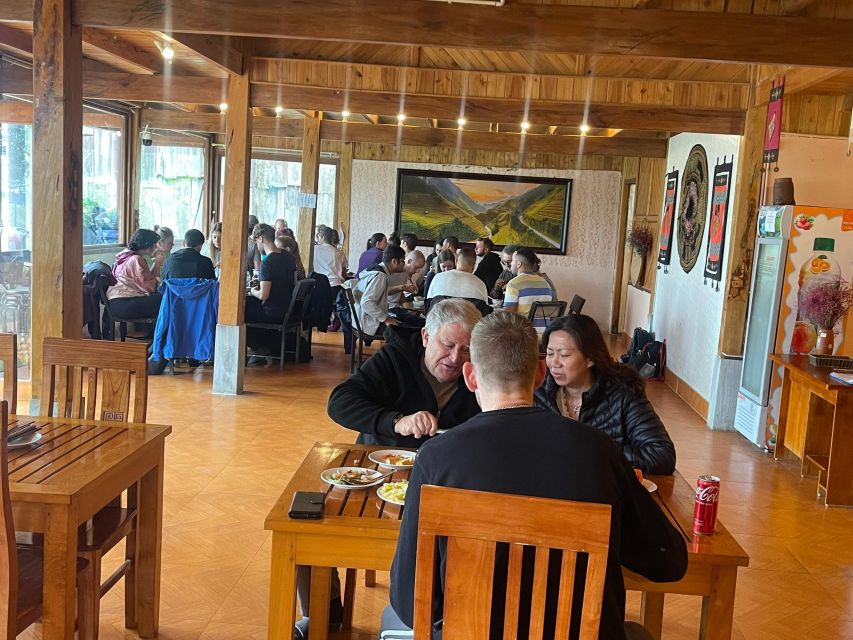
At $116 per person, the value isn’t just the trekking itself. It’s what’s bundled in. Your package covers both ways by VIP cabin bus, pickup and drop-off where stated, hotel nights, and the homestay night. It also includes meals as listed (2 breakfasts, 2 dinners, 3 lunches), plus entrance fees and permits.
It’s also helpful that the operator lists no additional charges beyond what’s included. That matters in Vietnam treks where you’ll sometimes get hit with extra “optional” costs. Drinks in meals are not included, and personal expenses are on you, so plan for water and snacks.
One more value point: the guide is described as English-speaking and local. A good guide makes a huge difference on village routes because you’re not just walking—you’re learning what you’re looking at. In reviews, people specifically praised guides named Dinh and Su for knowledge and making the experience more fun.
Logistics that can trip you up: where to plan extra margin
A few practical notes can save you stress:
- Bus comfort and restroom stops: the long ride can be tight, and at least one report described a sleeper coach without a working toilet. Build patience into your timing and be ready to ask for restroom breaks.
- Cat Cat walk differs from the valley walks: day 1 can include market-stall sections and a more tourist feel. If you came for quiet village trail time, you’ll be happiest once the trekking starts.
- You might not get dropped at your exact Hanoi hotel: the tour ends in the Hoàn Kiếm area, so your final commute could be yours.
- Total hiking is about 14 km: day 2 and day 3 together are not extreme, but uneven ground is real. Mud risk is part of the deal in wet weather.
If you want your trip to feel smooth, keep your schedule flexible and treat hiking days as the main event.
What to pack (and what to skip) for this exact route
The tour list is straightforward, and you should follow it.
Bring:
- Passport or ID card
- Comfortable shoes and hiking shoes (you’ll thank yourself on muddy trails)
- Comfortable clothes and hiking pants
- Insect repellent
- Sunscreen
- Warm layers if you’re traveling October to March
Not allowed:
- High-heeled shoes
- Alcohol and drugs
Also, carry a small stash of tissues or wipes. Mud gets everywhere when the trails are wet.
Who this tour suits best (and who should consider another option)
This trek is built for people who like hiking with local culture woven in. If you enjoy meeting villagers, walking rice terraces, and asking questions about daily life, you’ll likely find it rewarding.
It may not be a fit if:
- You have back problems
- You have mobility impairments
- You’re over 75
- You’re traveling with small kids under 3
Even if you’re otherwise healthy, the uneven trail sections mean you should be comfortable walking on slippery ground. The trip is active, even when the total distance sounds moderate.
Should you book the Sapa 3-Day Trekking Adventure from Hanoi?
I’d book it if you want a small-group Sapa experience that mixes terraces, village visits, and at least one real homestay night. The guide-led format is the selling point here, especially if you like learning from locals rather than treating villages as a checklist.
I’d think twice if you dislike muddy terrain, want a hotel-level comfort bubble every night, or need a highly predictable pickup-and-dropoff at your exact Hanoi hotel. Day 2 in particular can be hard on slick clay-like mud, and you’ll want good footwear and a calm plan.
If you go in prepared—boots ready, expectations grounded, and a polite no-thanks attitude for selling—you’ll get a trek that feels like you stepped into Sapa life for a few days, not just through it.
FAQ
How long is the Sapa trek?
The tour runs for 3 days. Exact starting times can vary, so it’s best to check availability for the dates you want.
What’s included in the price?
The package includes round-trip VIP cabin bus transportation, pickup and drop-off as stated for Hanoi, 1 night in a private homestay in Ta Van, 1 night in a 3-star hotel in Sapa town, an English-speaking local guide, entrance fees and permits, and meals as listed (2 breakfasts, 2 dinners, 3 lunches). A cooking class is also included.
How much hiking is there?
You’ll hike about 9 km on day 2 and about 4 km on day 3, for a total of roughly 14 km. On wet weather days, the trails can be muddy and dirty.
Will you be dropped at your Hanoi hotel at the end?
No. The tour includes pickup from your hotel area in Hanoi, but it does not include drop-off back at your exact hotel. The tour ends around 160 Đ. Trần Quang Khải in Hoàn Kiếm.
What should I bring for the trek?
Bring a passport or ID card, comfortable clothes, insect repellent, sunscreen, and hiking-appropriate shoes (including hiking boots or suitable footwear). Warm clothes are recommended from October to March. Hiking pants are also advised.
Is it suitable for children or people with mobility issues?
It is not suitable for children under 3 years. It’s also not suitable for people with back problems, mobility impairments, or those over 75.