REVIEW · SA PA
Sapa: Private Muong Hoa Valley and Homestay Trekking 2-Day
Book on GetYourGuide →Operated by Sapa Trekking Hiking Tours · Bookable on GetYourGuide
This trek takes you past Sapa’s viewpoints into real village life. You’ll walk the Muong Hoa Valley rice terraces, meet Black Hmong and Giay communities, and then sleep in a local homestay for a night that feels hands-on, not staged.
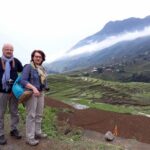
I especially like how the day plan mixes scenery with cultural stops. You start in Y Linh Ho to see terraced rice fields and then move through villages where you get to learn about traditional houses, clothing, and daily routines.
One thing to consider: this is trekking through uneven paths and steps. If you’re sensitive to long walks or rain-soaked trails, you’ll want sturdy shoes and a calm pace.
In This Review
- Key points before you go
- Two Days That Go Beyond the Photo Stops
- Meeting the Villages: Y Linh Ho, Lao Chai, and the Road to the Homestay
- Homestay Night with Giay Hosts: What You Actually Get
- Day 2 in Muong Hoa: Waterfall, Stories, and Indigo Cloth
- Transportation, Timing, and What’s Included (So You Don’t Do Math in Your Head)
- Who This Trek Suits Best
- What to Watch For: The Real-Life Considerations
- Should You Book This Sapa Private Muong Hoa Trek?
- FAQ
- What is the duration of the Sapa Private Muong Hoa Valley and Homestay Trekking 2-Day tour?
- Where does pickup happen?
- What time does the day start?
- How many villages are visited during the trek?
- Which ethnic minority groups are included?
- Is there a homestay night included?
- What meals are included?
- Is a guide included?
- Does the tour include trekking gear and water?
- How do you get back to Sapa at the end?
Key points before you go
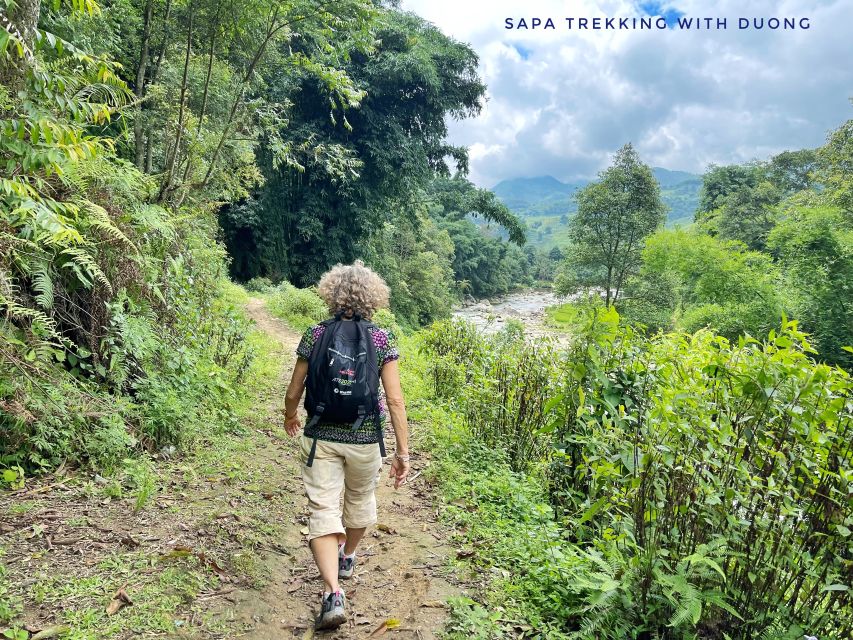
- Six villages in one tight 2-day route through Muong Hoa Valley
- Terraced rice fields plus bamboo forest and waterfalls along the walking days
- Three ethnic groups covered in a practical way: Black Hmong, Red Dao, and Giay
- Homestay night with Giay hosts and a real comparison of cultures
- Culture moments with specifics like indigo dye and a trumpet story at Hau Thao
- Private, English-speaking guiding with meals, water, and basic gear included
Two Days That Go Beyond the Photo Stops
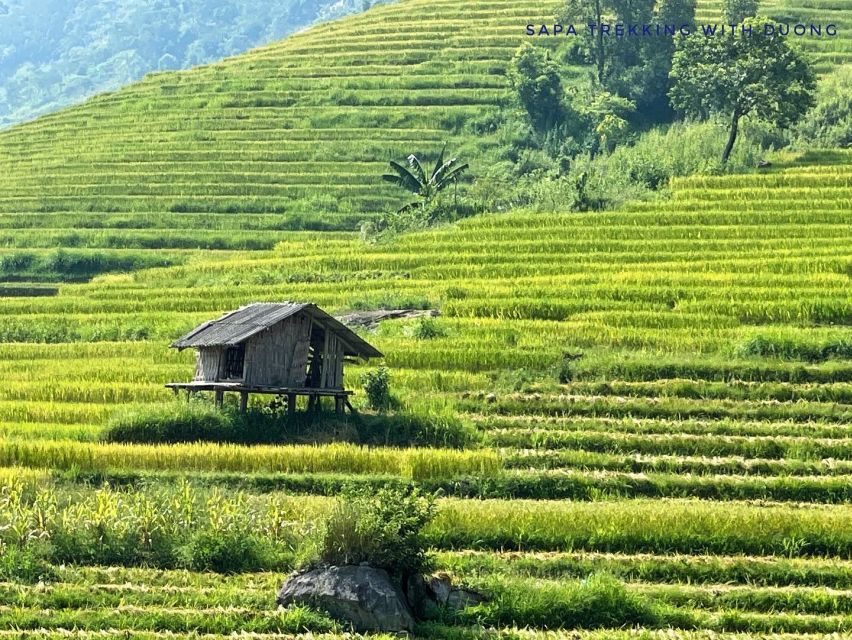
Sapa can be busy, and the easiest mistake is treating the mountains like a quick Instagram route. This experience slows that down in a good way. It links the views to the people who farm these terraces and keep traditions alive day to day.
On day 1, you’ll start near Y Linh Ho around late morning and work your way village to village. You’ll see Black Hmong people planting rice, visit a Black Hmong traditional house, then hike onward toward Lao Chai and finish at a Giay homestay for the night. That structure matters because it gives you context: you don’t just look at fields, you learn how families live and work here.
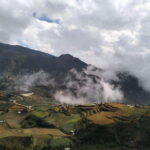
On day 2, the walking stays scenic but shifts toward landmarks you can point to: Giang Ta Chai waterfall and lake, plus more terrace paths and a section with bamboo forest. You’ll also get culture anchored to everyday skills and stories, including clothing dyed from indigo plants and wedding talk. It’s the kind of tour where the memories stick because you’re not just passing through.
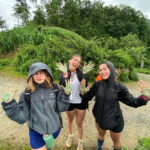
A practical note: the pace will depend on your group and trail conditions. You’ll get a trekking stick and raincoat with the tour, which helps a lot if weather turns.
You can also read our reviews of more tours and experiences in Sa Pa.
Meeting the Villages: Y Linh Ho, Lao Chai, and the Road to the Homestay
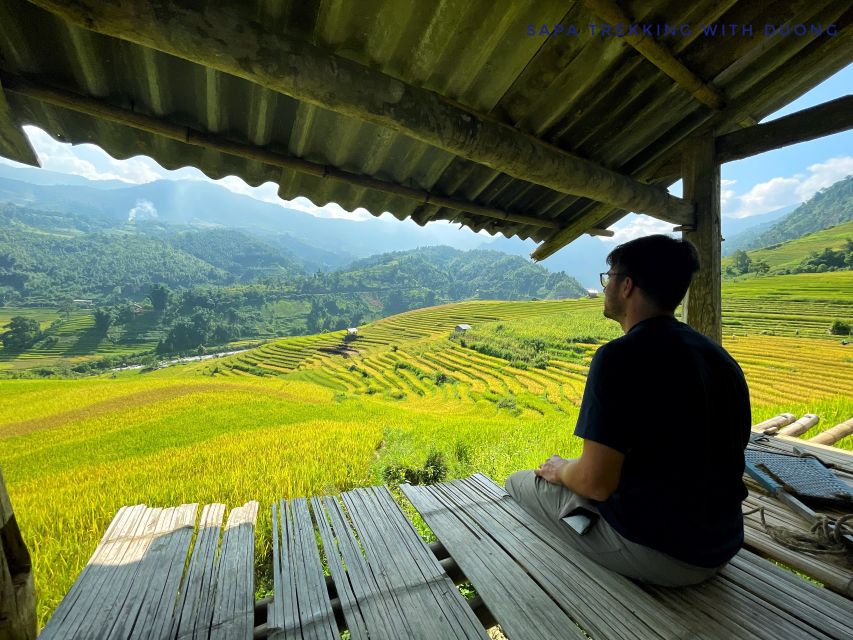
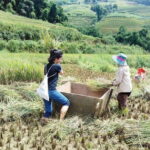
Your first morning is built around terraced rice and early village life. After pickup in Sapa center (or near Sapa Church), the walking starts around 10:30-ish, with Y Linh Ho as your first stop. This is where you’ll see terraces up close and Black Hmong families planting rice. Even if you’ve seen terrace photos before, this is different because you’re on the paths where the work happens.
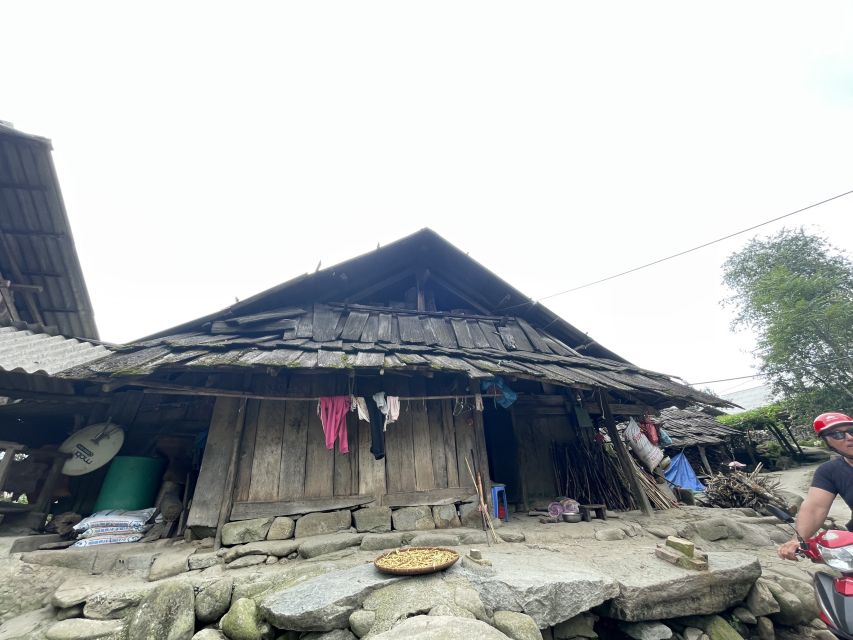
You’ll also stop at a Black Hmong traditional house. The goal here isn’t museum-style facts. It’s learning how culture shows up in home design, everyday practices, and what people choose to preserve. If you get a guide like Du (Zu), you’re likely to notice how clearly they explain the details and keep things moving in a friendly way. One review highlighted how Du (Zu) was very kind and explained everything in an energetic, readable manner.
Lunch on day 1 is at a local home. You’ll eat local food made by people in the area, and you’ll have time to talk with them. That part is often where the tour turns from sightseeing into a genuine exchange. If you’re curious and respectful, this is where you’ll get answers you can’t find online.
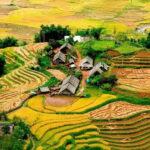
After lunch, you’ll hike toward Lao Chai San, described as a village nearer the forest. The route is designed for the best terrace views on the way, and you’ll continue onward to Lao Chai village itself. At Lao Chai, you’ll learn more about Black Hmong traditional houses and traditional clothing, so you’re building a picture of how identity and environment connect here.
By late afternoon, you’ll arrive at the homestay of the Giay people. That’s the pivot point of the trip. You spend one night with Giay hosts and get a chance to learn about Giay culture, food, and traditions. The experience is intentionally structured to help you see differences between the Black Hmong and Giay in daily life, home style, and tradition—not just compare them in theory.
Homestay Night with Giay Hosts: What You Actually Get
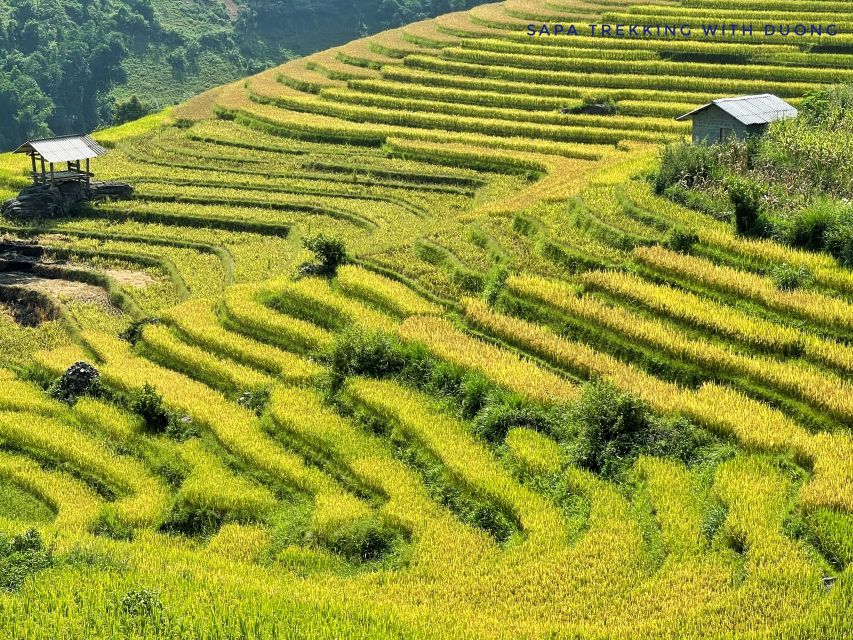
A homestay is only as good as the host connection, and this one is clearly designed around that. You’re not just sleeping somewhere nearby; you’re staying with Giay people and learning their food and cultural context directly.
You’ll have time in the evening to understand Giay daily life and traditions. The tour also makes space for conversation-style learning, so you can ask questions and connect what you saw earlier in Black Hmong areas with what you’re seeing here.
What I like about this homestay setup is the comparison angle. Many Sapa treks stop at one ethnic group. Here, you get at least two (Black Hmong on day 1, Giay for the night), plus the tour route later includes Red Dao. That gives you a broader sense of how different communities shape the same valley landscape.
Comfort note: the tour includes basic gear like a trekking stick and raincoat, but it doesn’t claim luxury. Plan for a simple, outdoors-and-village style night. If you keep expectations realistic, the homestay becomes one of the trip’s best memories.
Day 2 in Muong Hoa: Waterfall, Stories, and Indigo Cloth
Day 2 starts early. You wake up, wash your face, brush your teeth, and then enjoy breakfast. The schedule also includes morning coffee or tea, which is a small but welcome reset before the hike.
The walking begins again around 9:30. Today’s route is described as threading through rice terraces, bamboo forest, and toward a waterfall area. This is the day where the scenery feels more dramatic, but the tour doesn’t let it drift into “just walking for views.”
Your first major highlight is the hike to Giang Ta Chai waterfall and lake. You’ll take a rest there, and this stop includes listening to stories connected to the Black Hmong community. That matters because it changes a waterfall stop from a scenic pause into a human one.
Lunch is served at a Black Hmong house. The description is very clear that the dishes are traditional and made by local people in that village—meant to taste like you’re at the source, not in a restaurant adapted for outsiders. If you like meals that feel like they belong to a place instead of a menu, you’ll likely enjoy this.
After lunch, you continue trekking to Hau Thao village, which is presented as the last village stop for day 2. This is where you’ll see daily life and get pointed toward specific cultural practices. The tour mentions how Hmong people raise indigo plants and create unique clothes using indigo dye. It also includes talk about Hmong weddings.
One of the most memorable special moments is the story involving the oldest men blowing a trumpet. It’s not just a performance; it’s presented as part of older traditions. If you’re the type who likes to understand what you’re seeing and why it matters, this is likely to stand out.
Transportation, Timing, and What’s Included (So You Don’t Do Math in Your Head)
This tour is structured to be easy to join logistically because the essentials are covered. You get hotel pickup in Sapa center and drop-off at the end back in Sapa by private taxi. Villages entry fees are included, and you’ll have a local English-speaking guide throughout.
Meals are mostly handled for you:
- 1 breakfast
- 2 lunches
- 1 dinner (at the homestay area)
You also receive 1.5 liters of water per person per day. On a two-day trek, that can be the difference between enjoying the hike and constantly managing refills.
Gear support is also part of the value here:
- raincoat per person
- trekking stick per person
That’s a quiet win. In Sapa, weather changes fast, and having a raincoat in your pack (even if it’s simple) helps you stay on schedule.
Price check: the tour is listed at $78 per person for 2 days. For a private experience that includes an English-speaking guide, homestay night, most meals, water, entry fees, plus round-trip walking-day logistics, it can be good value if you compare it to piecing things together on your own. You’re paying for coordination and for local learning time, not just the hike.
The main trade-off is that “private” usually means fewer people sharing the cost, so the price might feel higher than group-style options. If you want a shared pace with lots of strangers, you might prefer a cheaper group trek—but you’ll lose some of the flexibility and attention that private guiding tends to provide.
Who This Trek Suits Best
This is a strong match for you if:
- you want culture and conversation, not only viewpoints
- you enjoy trekking but prefer your route organized with a guide
- you like learning through specific details like house styles, clothing dye, and village practices
- you’re comfortable with a simple homestay style night
It might be less ideal if:
- you’re looking for an easy walk with minimal steps
- you hate rain and mud and don’t want to move through changing trail conditions
- you only want brief stops and quick photos (this route spends time where it matters)
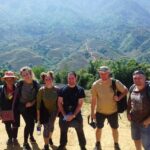
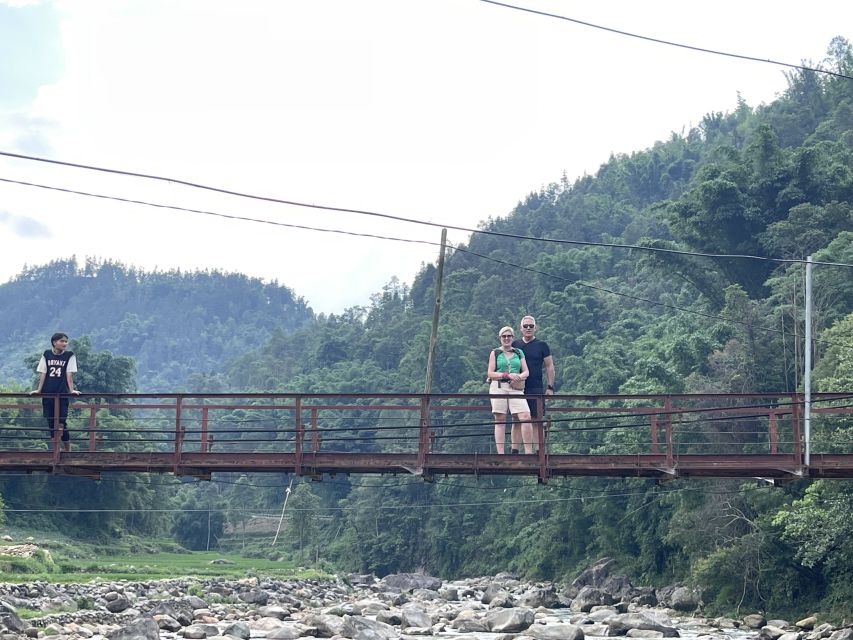
If you’re traveling with a partner or a small group, the private setup can feel especially satisfying because the guide can pace things with you and respond to your questions.
What to Watch For: The Real-Life Considerations
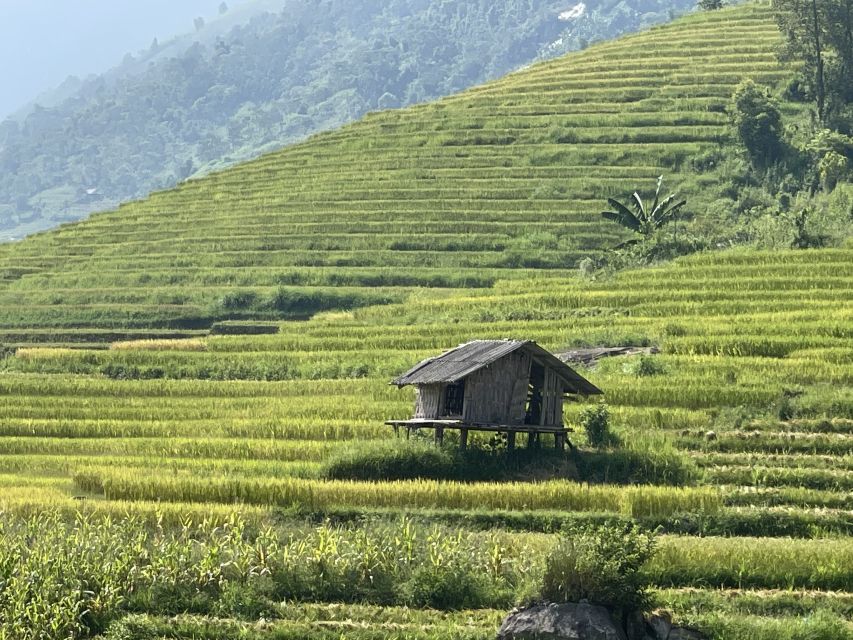
Even with a guide and included rain gear, trekking in Muong Hoa Valley is still trekking. Plan for uneven ground and lots of walking hours across two days.
Also, remember that cultural visits are part of the experience. You’ll have moments in homes and community spaces, including meals. Bring a respectful mindset. If you’re warm, curious, and patient, this tour tends to reward you quickly.
Finally, English guiding is included, but the “feel” of the experience depends on the guide you’re assigned. In reviews, names like Du (Zu) and Pang Chou come up as excellent, friendly guides who helped make the trip unforgettable through clear explanations and first-hand insight. You can’t control who you’ll get, but it’s a good sign that the operator’s guide quality is strong.
Should You Book This Sapa Private Muong Hoa Trek?
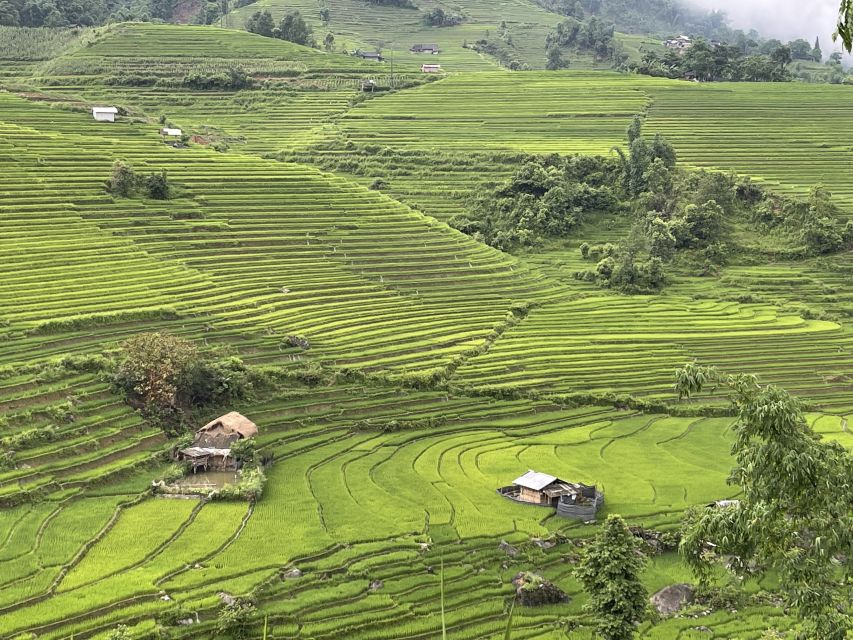
I think you should book if you want your time in Sapa to feel connected: terraces you walk through, villages you actually meet, and a homestay night that adds texture to the whole trip. The mix of Black Hmong, Giay, and mention of Red Dao, plus specific cultural moments like indigo dye and the trumpet story, makes it more than a standard “scenery hike.”
You might skip it if you’re chasing a low-effort day or you want a strictly view-only itinerary. This one leans cultural and hands-on. If that’s your style, it’s an excellent fit for a short two-day trip.
If you do book, pack for changing mountain weather, wear shoes you trust on slippery steps, and come ready to ask questions. That’s when this tour turns from a checklist into a story you’ll still be telling months later.
FAQ
What is the duration of the Sapa Private Muong Hoa Valley and Homestay Trekking 2-Day tour?
The tour lasts 2 days.
Where does pickup happen?
Pickup is included from your hotel in Sapa center, or at Sapa Church.
What time does the day start?
Day 1 includes a pickup around 9:30 AM, with the first village stop around 10:30 AM.
How many villages are visited during the trek?
You’ll explore 6 villages across Muong Hoa Valley.
Which ethnic minority groups are included?
The experience includes learning about Black Hmong, Red Dao, and Giay, with an overnight homestay with Giay people.
Is there a homestay night included?
Yes, it includes 1 night at a homestay of local people.
What meals are included?
Meals included are 1 breakfast, 2 lunches, and 1 dinner.
Is a guide included?
Yes, you get a local English-speaking guide.
Does the tour include trekking gear and water?
Yes. You receive 1.5L water per person per day, plus a raincoat per person and a trekking stick per person.
How do you get back to Sapa at the end?
You return to Sapa from the last village by private taxi.