REVIEW · SA PA
Red Dao Village Trek and Herbal Bath
Book on GetYourGuide →Operated by Sapa Trekking Hiking Tours · Bookable on GetYourGuide
Fresh mountain air and quiet villages, fast. This 6-hour Red Dao Village Trek and Herbal Bath takes you out of Sapa’s busy center to meet the Red Dao and Black Hmong communities, with bamboo forests and terraced fields along the way.
I especially like the way the local guide explains daily life and traditions in plain, human terms, plus the chance to learn specific practices like marriage customs. One thing to weigh: the trail can be physically demanding, especially if you’re not used to walking on uneven paths and field paths.
You’ll also want to plan for the herbal bath at the end because it isn’t included in the base price. Still, the total package has good value for a guided village trek, including pickup, lunch, rain protection, and a set amount of drinking water.
In This Review
- Key highlights to expect
- Leaving Sapa for the village roads (and the views that start early)
- Suoi Ho and Ma Tra: Black Hmong houses, cloth work, and terraced order
- Can Ho lunch: a break with a countryside backdrop
- Ta Phin and the Red Dao focus: houses and marriage customs
- The Red Dao herbal bath: what’s optional, what to expect, and why it matters
- Price and walking level: is $38 good value?
- What to pack so the day stays fun (not painful)
- Who should book this Red Dao trek (and who should skip it)
- Should you book it?
- FAQ
- FAQ
- How long is the Red Dao Village Trek and Herbal Bath?
- How much does the tour cost?
- Where do I get picked up in Sapa?
- Does the tour include an English-speaking guide?
- What villages are visited during the trek?
- Is lunch included?
- Is the Red Dao herbal bath included in the price?
- What’s included for drinks and rain protection?
- What should I bring to feel comfortable on the hike?
- Is the tour suitable for wheelchair users?
Key highlights to expect
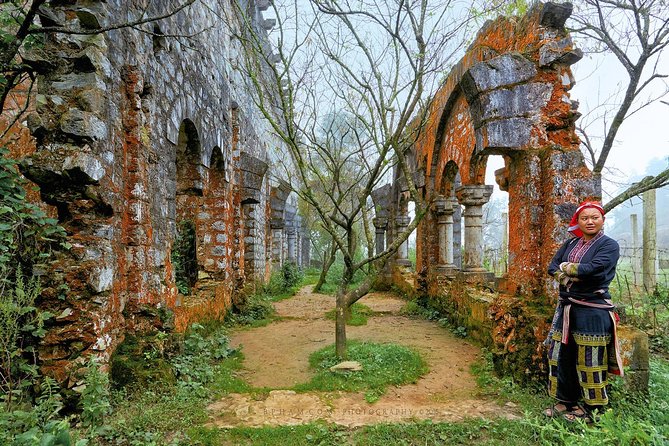
- Red Dao and Black Hmong culture in real village settings, not staged stops
- Suoi Ho’s hilltop panorama over the valley, plus traditional crafts like indigo dye and weaving
- Ta Phin village learning time focused on traditional houses and Dao marriage customs
- A nature-heavy route through corn fields, bamboo forest, and terraced landscapes
- Herbal bath experience at the end (pay on site), with explanations of how it’s used
Leaving Sapa for the village roads (and the views that start early)
The day starts with pickup in Sapa center, or at Sapa Church if you’re staying a bit farther out. Your guide meets you, gives a short briefing, and then you head along a smaller road that moves you away from the main tourist area. This is where the vibe changes. The air gets cooler. The scenery gets bigger. And you’re no longer just looking at Sapa from town streets.
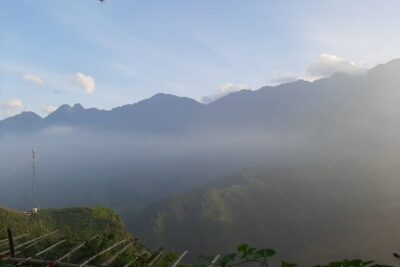
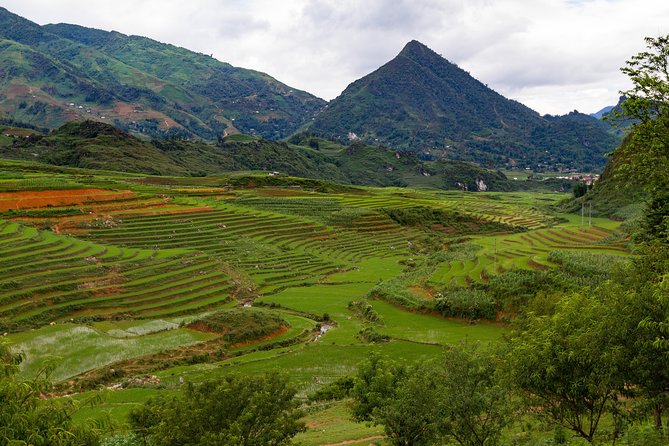
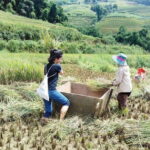
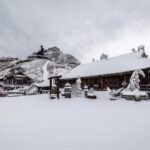
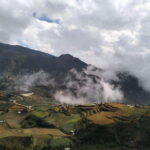
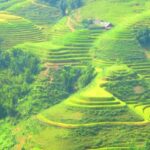
Right away, you’re on a route that’s designed for countryside time, not just checklists. Expect changing views as the group walks and climbs. You’ll see bamboo forest, terraced fields, and hillsides that look like they were built by hand over generations. The trek is also one of those days where your phone camera won’t capture how steep or layered the landscape really feels.
This tour is run by local ethnic-minority guides tied to local businesses. That usually means the explanations are less about performance and more about answering questions. You’ll likely get straightforward answers about how families live and how traditions are still practiced.
You can also read our reviews of more tours and experiences in Sa Pa.

Suoi Ho and Ma Tra: Black Hmong houses, cloth work, and terraced order
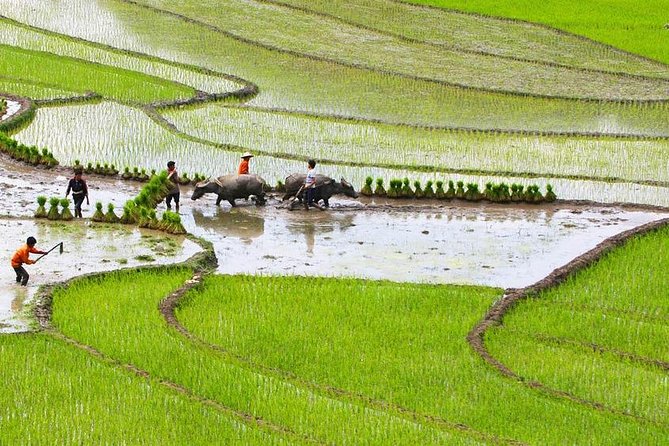
The first major village stop area is Suoi Ho, a Black Hmong community perched on a hill above streams and rice fields. The big payoff here is seeing how daily culture shows up in everyday crafts. You’ll have a chance to observe (and ask about) women embroidering, dyeing with indigo, and weaving cloth. These aren’t abstract “traditional arts.” They’re part of how families make clothing and handle the rhythms of the seasons.
Suoi Ho’s location also gives you a natural viewpoint over the valley. If you like landscape photography, this is one of the spots where the views feel earned. The viewpoint makes the terrain make sense, and you’ll start seeing why people settle where they do.
Then you move toward Ma Tra, also linked to the Black Hmong community, but with its own distinct traditional structure through the Ma family community. This stop leans hard into the “how it’s built” feeling: the traditional houses and the terraced fields around them. Terraces here aren’t just scenery. They’re practical engineering for farming on steep ground.
A practical note: if you’re hoping for mostly flat walking, this isn’t that day. Even if the distance is manageable, you’ll still deal with uneven paths and changing grades.
Can Ho lunch: a break with a countryside backdrop

Lunch happens along the way at Can Ho, described as a small village stop where you eat at a local restaurant. The value of this break is twofold. First, it resets your energy for the second half of the trek. Second, the setting keeps the day grounded in village life rather than switching to a car-and-mall rhythm.
I like lunch stops that don’t feel like a hard interruption. Here, the meal is timed so you can refuel before the route turns back toward bamboo and field paths.
If you have dietary needs, the tour data doesn’t specify alternatives, so it’s smart to plan for a straightforward local meal. Bring cash if you want extra drinks, since those aren’t listed as included.
Ta Phin and the Red Dao focus: houses and marriage customs
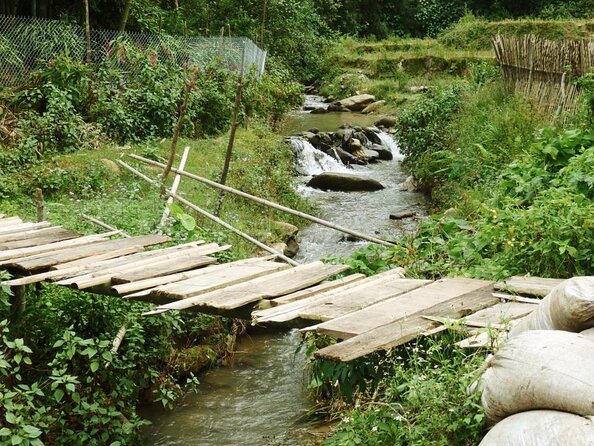
After lunch, the trekking path leads through fields and forest elements: corn fields, bamboo forests, and more terraced stretches. Then you enter Ta Phin village, the Red Dao community area. Ta Phin is described as a colorful village where Red Dao and Black Hmong people live together, which makes it a fascinating place to notice how communities share space while keeping distinct traditions.
In Ta Phin, the focus shifts to learning. You’ll look at traditional houses and the way people handle accommodation in the village. The highlight for many visitors is the cultural learning time, including Dao marriage customs. This is where the guide’s role matters most. When someone from the community explains the logic behind traditions, it stops being “facts” and turns into something you can actually understand.
This part of the day can be calmer than the field-walk moments. It’s more about conversation, questions, and watching daily routines. If you enjoy learning from people rather than just looking at photo spots, Ta Phin is the payoff.
The Red Dao herbal bath: what’s optional, what to expect, and why it matters
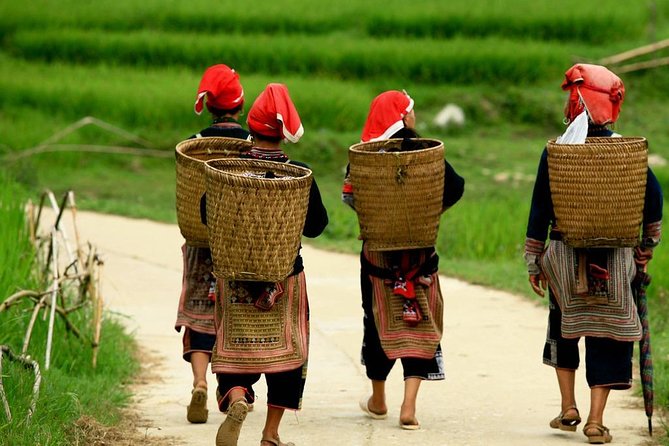
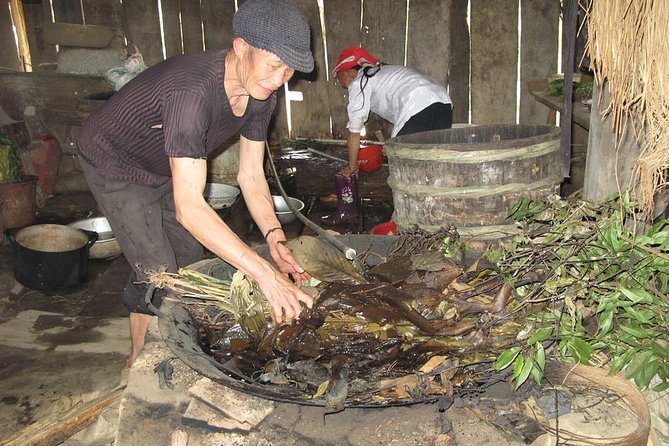
Near the end of the tour, you’ll have the chance to take a shower with a Red Dao herbal bath in a Red Dao house. Important: this herbal bath is not included in the base price, so you’ll pay on the spot. You’ll also learn about how this traditional remedy is used.
Think of it as two experiences in one:
1) A personal reset after trekking
2) A cultural explanation tied to local knowledge of herbs
Because it’s not included, this is one moment where you should be ready with cash and a plan for changing clothes. The tour advises you to bring a change of clothes, and that’s genuinely useful here. Also bring a towel if you like to be prepared, since the data only mentions change of clothes, not what bathing supplies are available.
If you like hands-on cultural experiences, this is a memorable wrap-up. If you’d rather keep it strictly sightseeing, you can still enjoy Ta Phin and the village learning portion without doing the bath.

Price and walking level: is $38 good value?

At $38 per person for a roughly 6-hour guided day, this is solid value if you want a guided village trek with real explanations and not just a scenic drive.
Here’s what helps justify the price:
- Hotel pickup and drop-off in Sapa center
- Village entry fees
- An English-speaking local guide
- Lunch at a local restaurant
- Water (1.5L per person)
- A raincoat per person
- Transport back to Sapa from the last village
What you’re not paying for (extra):
- The herbal bath payment
- Travel insurance
- Extra drinks
- Tips for guide and driver
The biggest “value question” for you is fitness. One account from a similar group described a longer around 12 km rice-field trek and noted the route was demanding for people who aren’t physically fit. Even if your exact distance differs, this is a day where you should assume you’ll be walking for real, not strolling on a flat path.
So yes, it’s priced fairly, but only if you’re comfortable with a workout-style hike.
What to pack so the day stays fun (not painful)
This tour gives good basics, but your comfort still depends on what you bring. The essentials listed are spot-on:
- Comfortable shoes (non-negotiable for uneven ground)
- Comfortable clothes you don’t mind getting dusty
- Hat and sunscreen for exposed segments
- Cash for the herbal bath and extra drinks
- Change of clothes for the end-of-day shower option
Also consider sunglasses and a small daypack. The tour data says oversize luggage isn’t allowed, which is a hint that you’ll want to travel light.
Who should book this Red Dao trek (and who should skip it)

Book this if you want:
- Cultural learning with a local ethnic guide
- A countryside route with bamboo forest, terraced fields, and hill viewpoints
- Time in Ta Phin to hear about Dao village traditions, including marriage customs
- The option to do something body-and-mind related at the end via the herbal bath
Skip or rethink if:
- You have mobility challenges. This tour is marked not suitable for wheelchair users and for people with mobility impairments.
- You hate hikes. Even within a 6-hour window, the path can be tough.
It’s also a good fit if you like a private group format. That means you can ask more questions and keep your pace steadier.
Should you book it?
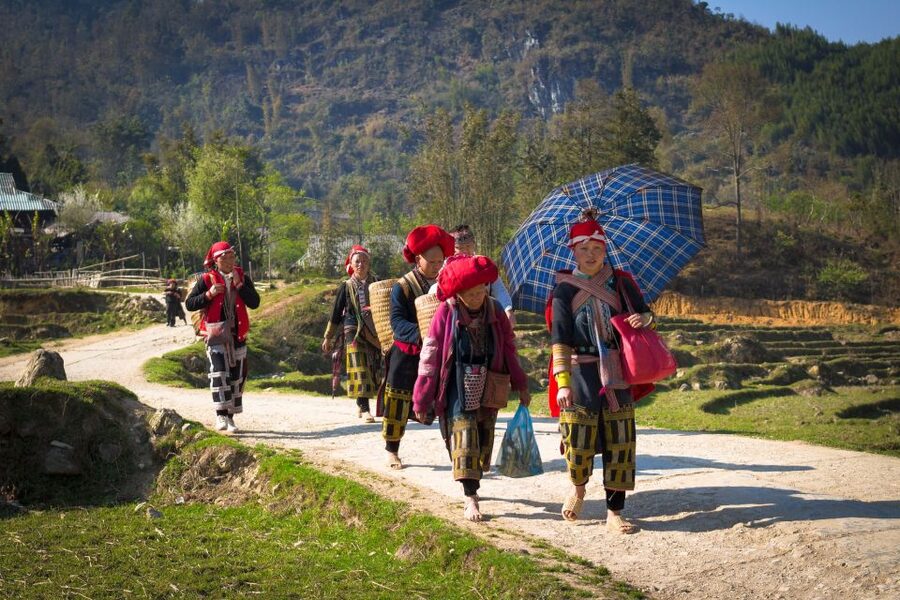
I think this is a great booking when you want more than a photo stop. The combination of village culture (Red Dao and Black Hmong), crafts and traditions (like indigo dye and weaving), and strong countryside views makes it feel like you’re learning how people live, not just where they live.
If you’re moderately fit and happy to walk uneven trails, go for it. If you’re on the edge physically, I’d still consider booking, but plan for the reality that the route can be demanding and that you’ll want good shoes and a change of clothes for the end.
FAQ
FAQ
How long is the Red Dao Village Trek and Herbal Bath?
The tour duration is listed as 6 hours.
How much does the tour cost?
The price is $38 per person.
Where do I get picked up in Sapa?
Pickup is included at hotels in Sapa center or at Sapa Church (if your hotel/homestay is not in Sapa center).
Does the tour include an English-speaking guide?
Yes. The guide is English-speaking, and an English audio guide is also included.
What villages are visited during the trek?
You visit Suoi Ho and Ma Tra, then Can Ho for lunch, and finally Ta Phin village of the Red Dao people.
Is lunch included?
Yes. Lunch is included at a local restaurant.
Is the Red Dao herbal bath included in the price?
No. The herbal bath is not included. You’ll pay for it yourself.
What’s included for drinks and rain protection?
Water (1.5L per person) and a raincoat per person are included.
What should I bring to feel comfortable on the hike?
Bring comfortable shoes, comfortable clothes, cash, a hat, change of clothes, and sunscreen.
Is the tour suitable for wheelchair users?
No. It is marked as not suitable for wheelchair users and not suitable for people with mobility impairments.