REVIEW · KATHMANDU
Conquer the Himalayas: The Ultimate 16-Day Annapurna Circuit Trek
Book on Viator →Operated by Vyas Treks & Expedition · Bookable on Viator
Thorong La turns a hike into a mission. This Annapurna Circuit trek is built around the high drama of Thorong La Pass and the daily work of getting there safely, with personalized acclimatization and an experienced trek team running the show. You get long mountain view days plus cultural stops in villages that feel far more lived-in than just photo spots.
I also like the way the route threads cultural immersion into the walking—Gurung, Manang, and Thakali communities show up in places like Ghandruk and the Manang villages, with monasteries and river-valley routines along the way. A key consideration: this is serious trekking with early starts (including a around-3 a.m. push for Thorong La) and it asks for moderate physical fitness, so be honest with your body.
In This Review
- Key highlights at a glance
- Kathmandu: UNESCO sights, a real briefing, then sleep
- The Trishuli-to-Khudi handoff: starting the trek with Manaslu in sight
- Khudi Bridge to Jagat: suspension bridges, forests, and a river you follow
- Khudi Bazaar to Dharapani: sharper trails, cliffs, and close mountain names
- Chame to Yak Kharka: Manang District starts to feel different
- Manang and Upper Pisang: Barge Monastery and a long-view reward
- Thorong La Pass: the 3 a.m. start and why direction matters
- Muktinath descent to Tatopani: waterfalls, bridges, and the hot spring finish
- AMS prep that isn’t just advice: Bhojo Gumba, Gangapurna, and the rescue visit
- Ghandruk to Pokhara: rhododendron steps and Gurung stone houses
- Value and logistics: what the $1,492.27 covers (and what it doesn’t)
- Guides, route flexibility, and one caution flag
- Who should choose this Annapurna Circuit trek
- Should you book it?
- FAQ
- Where does this trek start?
- Does the price include airport transfers?
- Are teahouse stays included?
- What permits are included?
- What will I do in Kathmandu before trekking?
- What time do you start for Thorong La Pass?
- How is Thorong La Pass crossed?
- What is not included in the tour price?
- What happens if weather is poor?
Key highlights at a glance
- Thorong La Pass direction planned east to west for the easiest and safest approach
- English-speaking, government-licensed guide plus assistant for day-to-day decisions in the mountains
- Permits handled (ACAP and TIMS) so you’re not scrambling paperwork mid-trip
- Teahouse accommodation included while you move through classic Annapurna villages
- Hot springs at Chame and Tatopani to manage the sore-leg reality
- AMS education option via a visit to the Himalayan Rescue Association in Vraga Village
Kathmandu: UNESCO sights, a real briefing, then sleep
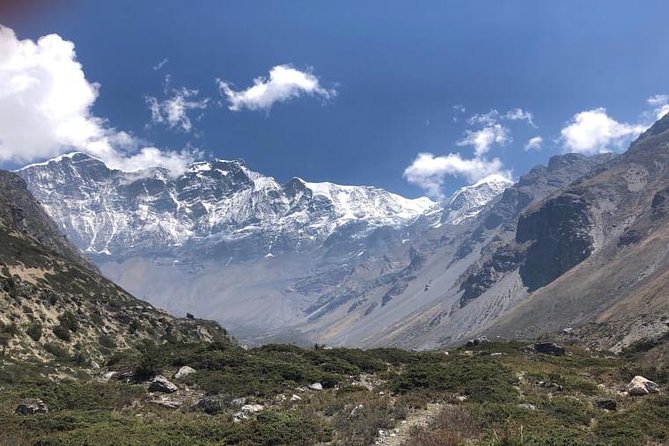
Your trek begins in Kathmandu with a simple, useful rhythm: arrival, a private-vehicle transfer to your hotel, and time to get your bearings. You can rest or do a short city walk the first day so the altitude drama of the hills feels like a step, not a shock.
On the next day, you’ll do a full day sightseeing tour around Kathmandu’s UNESCO World Heritage sites, then you’ll have dinner and a trek briefing in the evening. That briefing matters more than people think, because you’ll be living on a schedule after that, and you’ll want clarity on what to expect in the coming days.
You can also read our reviews of more tours and experiences in Kathmandu.



The Trishuli-to-Khudi handoff: starting the trek with Manaslu in sight
The trek’s first big transition is a scenic drive that sets the tone. You head along the Trishuli River past terraced farms and local huts, then the route shifts toward Pokhara’s area before continuing north to Besisahar and on to Khudi.
Khudi is where the adventure proper starts, and it gives you an early reward: a first glimpse of the Manaslu range. From here, you’re not just “starting walking”—you’re turning a map into a mental picture, and that makes the coming valley days easier to enjoy.
Khudi Bridge to Jagat: suspension bridges, forests, and a river you follow
From Khudi into the hills, the trek moves through a string of classic Himalayan details. You’ll cross suspension bridges over the Sangu Khola and over the Marshyangdi River, plus you’ll see a nearby waterfall—small sights that keep the walk from feeling repetitive.
One stretch out of Sirung toward Jagat is described as relatively easy, but that doesn’t mean it’s boring. You’ll trade terraces for forest, ferns, and woodland, and you may spot birds along the way, which is a nice change of pace when you’re still fresh.
A practical takeaway: early in a trek, your job is to walk steadily and enjoy the “in-between” moments. This part of the route gives you that chance before the more demanding segments begin.
Khudi Bazaar to Dharapani: sharper trails, cliffs, and close mountain names
Day one of walking out of Khudi brings more ups and downs than you might expect, with rice paddies and subtropical forest in the mix. You’ll cross several suspension bridges and waterfalls, and the trail starts gradual before getting steeper.
You also pass through a Tamang settlement (Taranche), then you reach Sirung with close-up views of Nadi Chuli and Manaslu mountains. That kind of early mountain presence is motivating—you start to feel like the work has a payoff.
Later, on the way to Dharapani, you’ll experience a more intense rhythm: the trail descends until it reaches the river, climbs through lush forest, then faces sharp-edged cliff sections. You’ll cross bridges again, deal with rock-strewn paths and steep sections toward Sattale, and finally work your way into Dharapani with waterfalls and cliffs around you.
Chame to Yak Kharka: Manang District starts to feel different
Once you reach Chame, you’re in the headquarters of the Manang District, and the trek starts to take on a distinct “higher altitude” feel. The route goes through forested ridges, and you’ll get broad views of peaks including Lamjung Himal, Annapurna II, and Annapurna IV (7,525m).
Chame also gives you a small luxury: hot springs where you can dip to soothe aching muscles. It’s not a spa, but after enough days on your feet, even simple hot water becomes a morale booster.
Then the trek pushes toward Yak Kharka through Tenki and up the valley of Jarsang Khola. You’ll pass near Ghunsa, see an old Mani wall in a meadow, and reach Yak Kharka where horses and yaks graze. Expect colder and drier conditions as you gain elevation, and plan to keep your clothing strategy tight as the mornings get harsher.




Manang and Upper Pisang: Barge Monastery and a long-view reward
In the Manang area, the trek option routes you toward Upper Pisang via Geru. The big win here is the payoff in views of Annapurna and Pisang as the trail shifts and the vegetation changes around you.
You also get a monastery stop: Barge monastery, described as the largest monastery in the district. Stops like this do more than break up the walk—they give you a sense of how people live their faith and routine in the same harsh places you’re hiking through.
The next day continues the drama with a steep, narrow path through dense forest and a dramatic curved rock face rising 1500m from the river. After the steep carved section, the valley opens with wide vistas, and a massive rock face called Paungda Danda rises over 5,000ft (1500m) above the trail.
Thorong La Pass: the 3 a.m. start and why direction matters
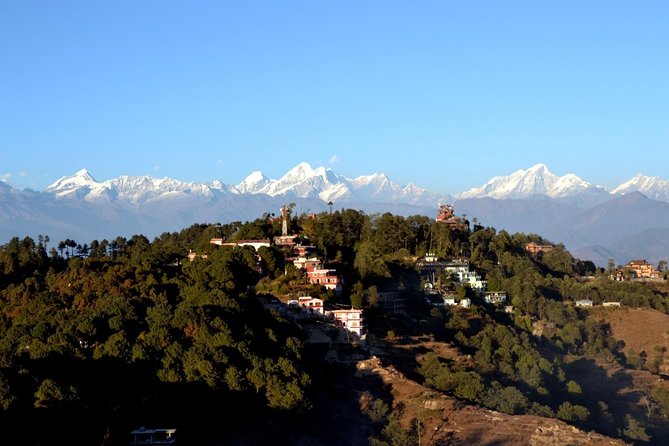
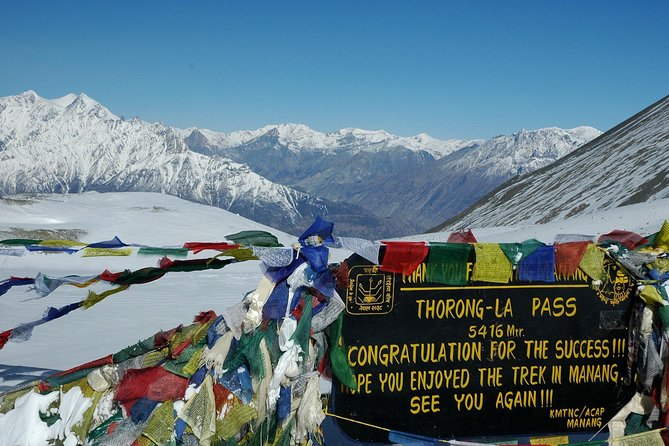
Crossing Thorong La is the headline moment, and the plan is very specific. You’ll head to Thorang Phedi, the last village before the pass, after uphill walking, crossing a suspension bridge, and passing through Ledar village.
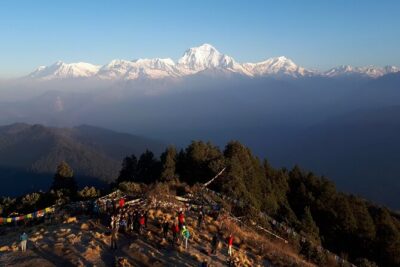
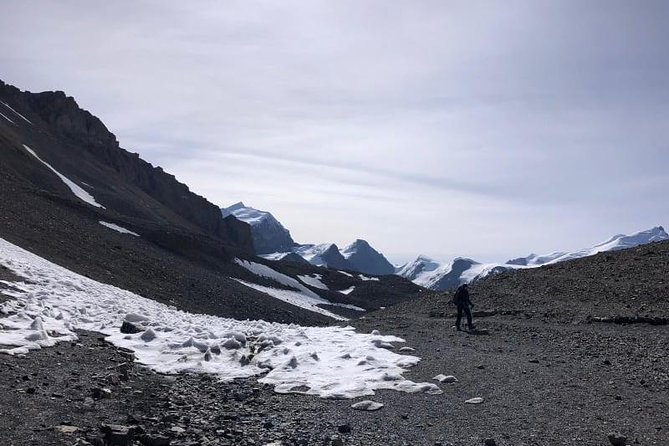
From Thorang Phedi, you’re rewarded with views of Mt. Gundang, Mt. Syagang, Thorung Peak, and Mt. Khatungkan. Then comes the key detail: the pass crossing is done from east to west (Manang to Muktinath), described as the easiest and safest direction. That’s the kind of planning choice that helps reduce risk when conditions turn unpredictable.
You’ll get up around three in the morning and walk up the mountain. When you reach the top, you’ll have time for photos before heading into the Muktinath Valley at the foot of Thorong La.
Muktinath descent to Tatopani: waterfalls, bridges, and the hot spring finish
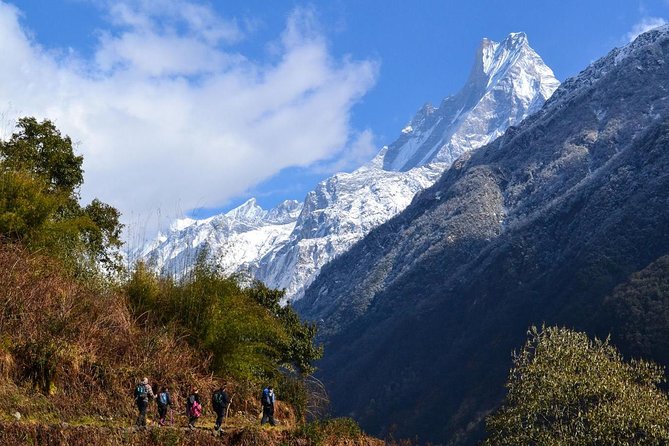
After the pass, the itinerary moves into a mostly downhill day toward Tatopani. Early on, you cross the bridge at Ghasa, then you drop into subtropical forests with lush vegetation.
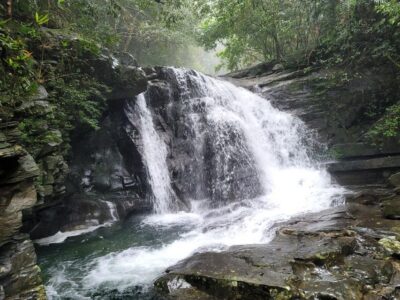
The route follows Rupse Chahara (waterfall), then continues down the east bank via Kopchepani and Garpar, crossing a bridge at Dana. Along the way, you’ll see Narchyang Besi and a powerhouse supplying electricity in the area—one of those reminders that this isn’t just trekking scenery; it’s an active region where people depend on systems and daily work.
When you reach Tatopani, you relax and take a bath in the hot springs. For many people, this is the moment the trek truly “lands,” because your body finally gets a recovery payoff.
AMS prep that isn’t just advice: Bhojo Gumba, Gangapurna, and the rescue visit
This trek doesn’t treat acclimatization like a slogan. You’ll also have a day for a short hike to keep fit on the trails that follow, with options to go to Bhojo Gumba or Gangapurna Lake.
If you have energy, there’s a longer option to Vraga Village to visit the Himalayan Rescue Association, specifically so you can learn about Acute Mountain Sickness (AMS). I like this approach because it turns mountain safety into something practical—understanding the issue helps you notice warning signs sooner and react better.
Ghandruk to Pokhara: rhododendron steps and Gurung stone houses
After Tatopani, the route includes a steep descent through dense, dark rhododendron forest. The description notes that when rhododendrons are in bloom, the forest can turn into amazing gardens, and depending on season you might also see cherry blossoms on slopes across the ravine.
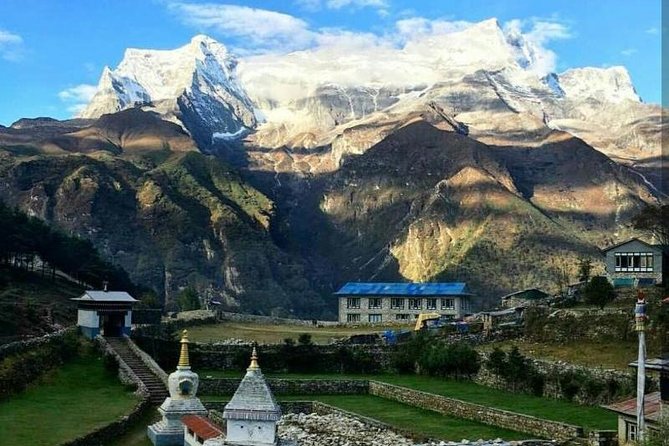
You then reach Ghandruk, a slope settlement with stone houses mostly inhabited by the Gurung people. Here you’ll see close-up views of Fishtail, Annapurna South, and Hiunchuli mountains—one of those stops where you feel the mountains up close rather than seeing them from far away.
Finally, you continue to Nayapul and drive to Pokhara lakeside. Pokhara is your chance to reset: clean clothes, flatter walking, and a meal that feels like you’re human again.
Value and logistics: what the $1,492.27 covers (and what it doesn’t)
At $1,492.27 per person, the big value isn’t the walking itself—it’s the logistics you don’t want to manage in Nepal. Your package includes airport pickups and drops in a private vehicle, a guided city tour in Kathmandu by private vehicle, teahouse accommodation during the trek, and an English-speaking government-licensed trek leader plus assistant trek leader.
You also get the paperwork and permits handled: ACAP and TIMS. Those details matter because they affect whether you can trek legally and without last-minute stress. All fees and taxes are included too.
What you’ll still need to budget separately: Nepalese visa fee, international airfare, travel and rescue insurance, tips for guide(s), porter(s), and driver, plus alcoholic drinks and personal expenses. There can also be extra baggage charges and extra nights in Kathmandu and Pokhara if your timing doesn’t match the trip window.
My practical take: if you already know you’ll need guides, permits, and transfers, this price looks more reasonable than it might at first glance. If you’re trying to build your own trek from scratch, you’ll likely spend time and risk making mistakes with paperwork and route timing.
Guides, route flexibility, and one caution flag
The strongest positive signal from the feedback you provided is service quality and route execution. One review specifically calls out that the guide and route were perfect, crediting Rajesh for being attentive both in the mountains and in the city. It also praises handling an alternative route when a route like Tilicho Lake was closed, which is exactly what good leadership looks like when plans shift.
At the same time, there’s an important caution: one very negative review alleges a scam by an individual named Dipsun Kunwar, associated with Vyas Trek, and it urges people not to trust him. I can’t verify claims beyond what’s written, but you should treat that as a red flag and protect yourself. If you book, confirm everything in writing, keep proof of payments, and make sure you’re working with the correct, authorized operator.
Who should choose this Annapurna Circuit trek
This fits you if you want more than scenic hiking and you care about doing the trail with a structured plan. You’ll enjoy it if you like village life, monasteries, and the Gurung/Manang/Thakali cultural layer woven into the walk, not just summit-chasing.
It’s also a good match if you value mountain-safety planning: the tour emphasizes personalized acclimatization, licensed leadership, and includes an AMS education stop. On the physical side, the program asks for moderate fitness, which usually means you can handle long walking days and steep sections without panicking.
Should you book it?
I’d book it if your top priorities are Thorong La Pass, solid trip organization (permits, licensed guides, transfers), and a trekking route with real village culture. The $1,492.27 price feels most sensible because you’re paying for the hard-to-manage parts, not just sightseeing.
I would pause if early-morning effort sounds like a deal-breaker, or if you want fully detailed comfort expectations. And if you do book, take the caution flag seriously: confirm who you’re dealing with and keep documentation tight. If you can handle that small extra step, this trek can be a powerful, well-run Himalayan experience.
FAQ
Where does this trek start?
The experience begins in Kathmandu. You’ll arrive in Kathmandu and your representative transfers you to your hotel.
Does the price include airport transfers?
Yes. Airport pickups and drops are included in a private vehicle.
Are teahouse stays included?
Yes. Teahouse accommodation during the trek is included.
What permits are included?
The package includes permits and paperwork: ACAP and TIMS.
What will I do in Kathmandu before trekking?
You get a guided city tour around Kathmandu’s UNESCO World Heritage sites, plus a dinner and trek briefing in the evening.
What time do you start for Thorong La Pass?
You get up around three in the morning to walk up to Thorong La Pass.
How is Thorong La Pass crossed?
The pass is crossed from east to west (Manang to Muktinath), described as the easiest and safest direction.
What is not included in the tour price?
Not included are the Nepalese visa fee, international airfare, travel and rescue insurance, tips for guide(s), porter(s), and driver, alcoholic drinks, personal expenses, and any excess baggage charges.
What happens if weather is poor?
The experience requires good weather. If it’s canceled due to poor weather, you’ll be offered a different date or a full refund.