REVIEW · MADAGASCAR
Trekking, Hiking And Tours Madagascar
Book on Viator →Operated by Sudmadatrek Voyages · Bookable on Viator
Sacred peaks meet real village life. This 3-day walking circuit in Ambohimahamasina pairs serious mountain effort with a respectful look at Malagasy spiritual places, local crafts, and daily life around the rainforest edge. It’s not just about getting to viewpoints; it’s about understanding why these areas matter to people who live nearby.
I love how the route connects hiking with community moments. The stop around Vohimarina Andepo highlights traditional silk weaving—once based on wild silk, now largely using cotton—plus the push to revive older techniques. I also love the practical setup: private transportation, camping gear (without sleeping bags), and full meals that keep you from hiking hungry or scrambling for basics.
One possible drawback: this trip asks for moderate physical fitness. Day 2 includes a dawn start, a few hours of deep forest walking, and multiple summit climbs (with a notably bare peak). Also, sleeping bags and drinks are not included, so plan to pack smart.
In This Review
- Key things I think you’ll care about
- Where you start: Ambalavao, then down into Ambohimahamasina
- Day 1 in practice: the Anja Reserve area and the village weaving stop
- Day 2 to Ambondrombe: dawn forest walking and a peak with no vegetation
- Day 3 to Angovoa: the rice-based breakfast, the 1400m summit, and Hova remains
- Price and value: what $364.11 covers (and what you still need to budget)
- What kind of traveler should book this trek?
- Working with Sudmadatrek: why the operator matters
- Should you book it or skip it?
- FAQ
- How long is the Madagascar trek?
- Where does the trek start and end?
- Is pickup offered?
- What’s included in the price?
- What should I bring since sleeping bags and drinks are not included?
- What fitness level do I need?
- Is this tour private?
- What’s the cancellation policy?
Key things I think you’ll care about
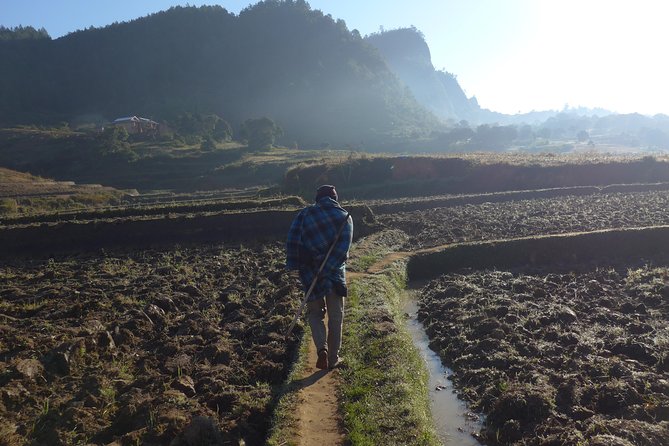
- Real effort, real scenery: dawn hiking, two summit climbs, then views stretching across the region.
- Sacred mountain focus: Ambondrombe and Angovoa are treated as spiritually important places.
- Community stops: you’ll spend time where weaving and everyday life are part of the experience.
- Meals are handled: breakfast plus lunch and dinner (and you’ll eat rice-based food often).
- Gear is light, but not complete: camping matériel is included; bring your sleeping bag.
- Private feel: it’s for your group only, which usually makes the pace easier.
Where you start: Ambalavao, then down into Ambohimahamasina
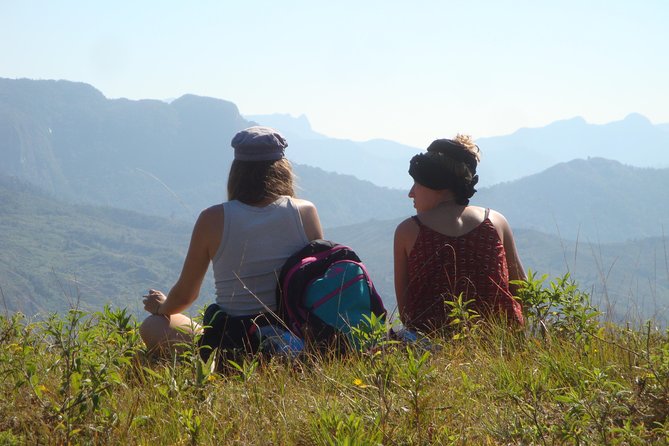
Your trip begins around Fianarantsoa, and the drive brings you south toward the Ambohimahamasina area. Even when the distance sounds short on paper, the road time can be longer than you expect—this route accounts for that reality with private transportation and a slower, more grounded pace.
On the way, you get a taste of the human side of the region. You’ll head down from the upper town toward Vohimarina Andepo, a village connected to long-running weaving traditions. In this place, the story is the same one you hear across Madagascar: practices change under pressure, markets shift, and materials become harder to access. Here, wild silk weaving was lost over time, and cotton took over—yet some craft shops are trying to bring the older technique back by reopening workshops.
That matters for you as a visitor because it changes the tone of the trek. Instead of only seeing nature, you start the story with people—who work with their hands, who preserve knowledge, and who decide what to revive. You also get a gentle land-based introduction before the tougher walking days, with time built in to reach the hiking zone.
You’re in a moderate hiking frame on this first day: about 5 hours of walking and roughly 400 meters of elevation change. That’s not a casual stroll, but it’s also not the day that breaks most people. It’s a good setup day to gauge your pace and figure out how your legs handle the local terrain.
Day 1 in practice: the Anja Reserve area and the village weaving stop
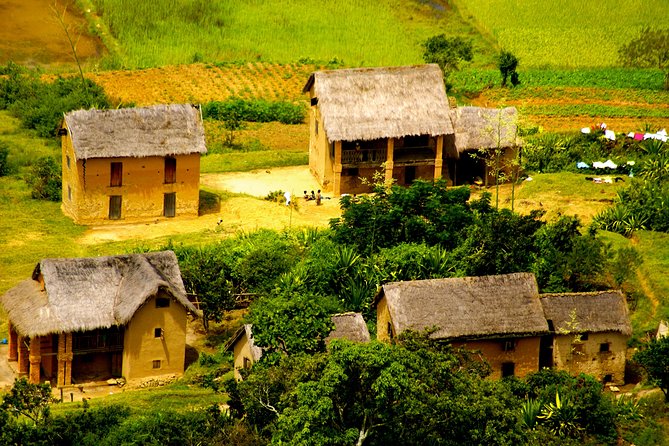
Day 1 centers on the Anja Reserve area and the transition from transport mode into trekking mode. The walking is long enough to matter, but the main value is how it sets context—history, culture, and the everyday rhythm of the community.
You’ll move from Ambalavao toward the rural community around Ambohimahamasina. Once you get near the village zone, the time isn’t just about movement. You spend time with local artisans, where you can see how weaving has evolved. You’ll learn that some women have woven for generations, and you’ll hear how the material shifted from wild silk to cotton. The most useful takeaway here is that this isn’t presented like a museum. It’s living culture, still changing, still being influenced by what’s possible and what people believe is worth bringing back.
If you’re a “walk for views” traveler, you might wish Day 1 leaned more into scenery. It does include a hiking component, but the emotional highlight is the culture stop and the way it frames the rest of the trip. If you’re someone who likes understanding the why behind a trail, this first day clicks fast.
Practical note: because the transport segments can run long, treat Day 1 as a long day overall. The private pickup helps, but your energy management still matters—eat well, pace yourself, and don’t wait until the last hour to slow down.
Day 2 to Ambondrombe: dawn forest walking and a peak with no vegetation
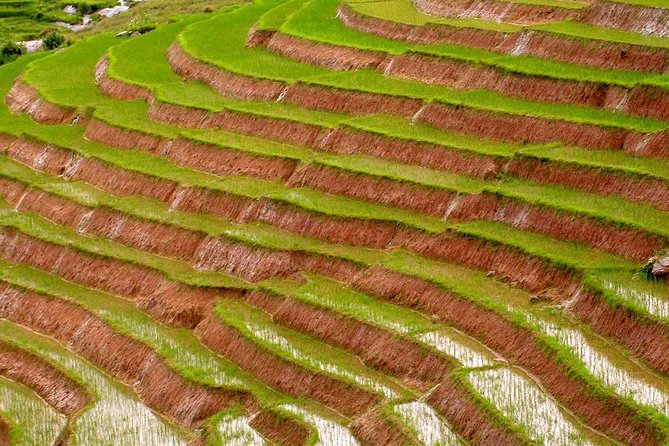
Day 2 is the hardest day, and the timing starts with intention: you leave at dawn. That early start matters on mountain treks here. It’s cooler, it can reduce how quickly you run out of energy, and it gives you a chance to experience the forest when it feels most alive and quiet.
After entering the deep forest again, you’ll walk for around three hours before the summit work begins. From there, you climb two summits to reach the third and tallest peak, described as naked of vegetation. That detail is important: it means less shade and fewer natural “rest pauses” from the landscape. It also makes you pay attention to your breathing and your footing.
What you’ll remember most is the shift in atmosphere as you climb higher. The higher slopes open up into wider views and a clearer sense of place. On this day, you’re not just looking at scenery—you’re looking at a region with boundaries and identities, including the Tanala territory and the Andringitra mountain range around Ambohimahamasina.
There’s also a spiritual layer. The mountain, Ambondrombe, is presented as a sanctuary connected to the wandering souls of the Malagasy people. In practical terms, you’ll feel it in how the day is framed and how the group treats the ascent: it’s not a climb you treat like a workout alone.
Possible drawback for your comfort: this is long, exposed in parts, and demanding enough that you’ll notice your sweat by the time the summit work kicks in. If you don’t have solid hiking legs, you may find you’re working harder than you expected. If you do have decent stamina, this is also the day that delivers the biggest sense of achievement.
Day 3 to Angovoa: the rice-based breakfast, the 1400m summit, and Hova remains
Day 3 begins with a local breakfast that’s rice-based. I like these kinds of starts because they’re not trying to be fancy for tourists. You get food that matches the region, it’s familiar enough to digest, and it gives you steady fuel for a final summit day.
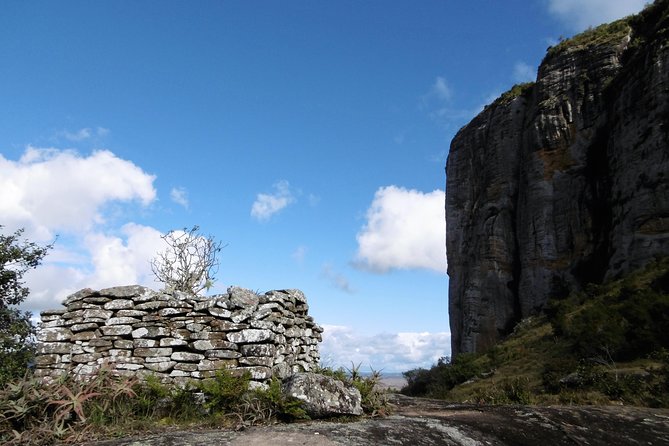
Then you head out again for another climb, this time to Angovoa, another sacred mountain. The walk can be tough—so don’t treat it as a recovery day. But the effort is rewarded at roughly 1400 meters, where you get a wonderful view over the southern banks and surrounding mountains.
The summit feeling here is about scale and relief. You’ve earned it with two prior days of travel and ascent, and the view isn’t just pretty—it helps you understand the geography you’ve been moving through. If you enjoy seeing how a region fits together, you’ll appreciate that the trek gives you more than one perspective point.
After the climbing, you still have a cultural stop: you’ll admire the remains of the ancient kingdom of Hova. That part is easy to underestimate when you’re thinking about hiking. It’s actually a nice reset for your brain. After hours of physical work, you get to slow down and look at what came before, connecting the sacred mountains to broader Malagasy historical layers.
Finally, you descend back toward the starting point amid eucalyptus trees, then end with a last meal at a local’s house in Ambohimahamasina. That home-meal finish matters more than it sounds. It turns the trek into a relationship, not just a tour—especially on a trip where the whole pitch is connection with local life.
Price and value: what $364.11 covers (and what you still need to budget)
At about $364.11 per person for roughly 3 days, the value mostly comes from the “you don’t have to organize everything” package.
Here’s what’s included:
- Breakfast plus lunch (2) and dinner (2)
- Private transportation
- All fees and taxes
- Camping matériel except the sleeping bag
- Nights chez l’habitant (so you’re not paying for hotel beds)
What’s not included:
- Sleeping bags
- All drinks
- Tips
For many hikers, the sleeping bag omission is the biggest budgeting surprise. If you don’t already have one, it’s not just a comfort issue; it affects what you’ll do for the night setup. Since you’re also paying for dinners and lunches, you’ll want to plan your drinks separately so you’re not stuck paying tourist rates for small amounts.
The private transportation and fees and taxes also add real value. In places like this, the cost isn’t only food and guide time—it’s access, local permissions, and logistics across rural roads. This price tries to cover those friction points so your trek stays focused on walking and community time.
One more note: this is listed as private, meaning only your group participates. That often improves the experience if your group has similar fitness and pacing, because you’re not waiting on a mismatched group tempo.
What kind of traveler should book this trek?
This trek is best for you if:
- You have moderate hiking fitness and can handle multiple climbs.
- You want a trek with a strong cultural and spiritual framing, not just a nature-only hike.
- You like being in small-group rhythm and eating locally with the community.
It’s also a good match for travelers who care about the trip’s stated impact: the tour mentions protection of the rainforest, sensitization of locals, and improvements in living standards. You’re not just consuming a view; you’re supporting a model the operator describes as community-and-environment focused.
If you’re a comfort-maximizer—someone who hates long walking days or gets cranky without lots of drink options—this may feel demanding. Day 2 is the reality check, and Day 3 asks for follow-through.
Working with Sudmadatrek: why the operator matters
The experience provider is Sudmadatrek Voyages. From their broader footprint, they’ve handled varied Madagascar routing for larger groups—covering routes along the RN7 corridor and organizing multi-day combinations that include coast areas, inland hikes, and long transport days.
That matters because Madagascar travel can get complicated fast once you leave the big cities. A provider that’s already doing multi-day route planning is more likely to keep logistics stable, especially when you’re mixing trekking, local meals, and rural transport.
You still want to do your homework: confirm pickup details, pack what’s missing (especially the sleeping bag), and set expectations that drinks are on you. But the operator’s track record gives some peace of mind.
Should you book it or skip it?
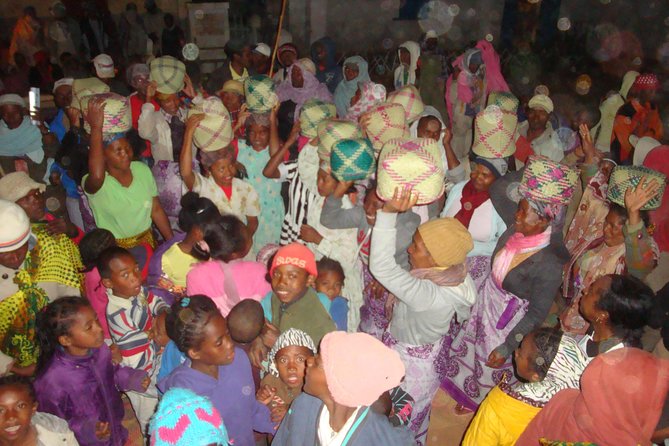
Book it if you want the kind of trek where the mountains come with meaning, and where you end the trip having shared meals in local homes—not just lined up for photos and moved on. Ambondrombe and Angovoa are the headline, but the craft stop and the Hova remains give the trip more texture than many short treks.
Skip or choose a gentler option if you’re easily worn down by repeated climbs, because Day 2 and Day 3 are both strenuous. Also skip it for convenience if you don’t want to bring a sleeping bag or if you expect drinks to be included.
If you’re reasonably fit and you’re excited by spiritual places, forest walking, and community interaction, this is strong value for a 3-day circuit.
FAQ
How long is the Madagascar trek?
It’s approximately 3 days.
Where does the trek start and end?
It starts in Fianarantsoa, Madagascar and ends back at the same meeting point.
Is pickup offered?
Yes, pickup is offered.
What’s included in the price?
The tour includes breakfast, lunch (2), dinner (2), private transportation, all fees and taxes, and camping matériel except for the sleeping bag. Nights are spent chez l’habitant.
What should I bring since sleeping bags and drinks are not included?
You should bring your sleeping bag. Also budget for drinks, since they are not included. Tips are not included either.
What fitness level do I need?
The trek is for people with a moderate physical fitness level.
Is this tour private?
Yes. It’s private, so only your group participates.
What’s the cancellation policy?
Free cancellation is available. You can cancel up to 24 hours in advance for a full refund, based on local time. If canceled less than 24 hours before, the payment is not refunded.