REVIEW · KATHMANDU
14 Days Private Tour Everest Base Camp Trek
Book on Viator →Operated by Nepal Mountain Adventure · Bookable on Viator
Everest Base Camp is a trek with teeth. This 14-day private route takes you from Kathmandu into Khumbu, with built-in altitude breaks and steady support from a licensed guide and a dedicated porter team. I like that it feels structured without feeling stiff, and that the trip is built around practical safety items like an oximeter and a pulse meter in the first-aid kit. I also like the human side—welcome and farewell cultural dinners, plus the kind of guidance that helps you enjoy the mountains instead of just surviving them.
The main consideration is altitude and long hiking days. Even with acclimatization stops, you’ll be dealing with thin air, cold nights, and a lot of time on your feet. Go in with moderate fitness and a plan to slow down when your body asks you to.
From what I’ve read in past trekkers’ feedback, the standout ingredient is the guide quality. Names like Tek, Dil, Ram, Som Kumar Tamang, Mingmar, and Keke show up again and again, and the praise is consistent: patient, funny when it helps, and very good at keeping the pace realistic. That matters a lot on a trek like this.
In This Review
- Key Highlights That Matter on Everest Base Camp
- Kathmandu Start in Thamel: Get Your Feet Under You Fast
- Thamel to Lukla Flights: Quick, Scenic, and Absolutely Weather Dependent
- First Trek Day: Phakding’s Downhill-to-Views Pattern
- Phakding to Namche: Suspension Bridges and Big Altitude Payoff
- The Namche Acclimatization Day: Slow Is Smart
- Tengboche and the Rhododendron Forest: Monastery Calm with Big Views
- Dingboche via Deboche: Glaciers, Stone Walls, and Ama Dablam Up Close
- Nangkartsang Peak for Acclimatization: A Planned Effort That Helps
- Lobuche and the Glacier Corridor: Everest Memorial Stops You Cold
- Gorakshep Area and the Long Day Toward the Base Camp Experience
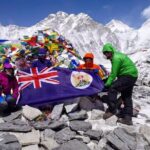
- Kala Patthar Sunrise Push: The Moment You Actually Remember
- Coming Down: Namche and Lukla Feel Easier, Not Effortless
- Kathmandu Wrap-Up and Your Final Return Flight
- Price: What $1,600 Buys You (and What It Doesn’t)
- The Real MVP: Guides and Porter Care (Why Reviews Keep Mentioning Names)
- Who Should Book This Everest Base Camp Trek—and Who Should Think Twice
- FAQ
- Is this Everest Base Camp trek private?
- Are flights between Kathmandu and Lukla included?
- Are permits and national park fees covered?
- What health support do you get during the trek?
- Are meals included, and what about drinks?
- What if the weather is poor or I need to cancel?
- Should You Book This Trek?
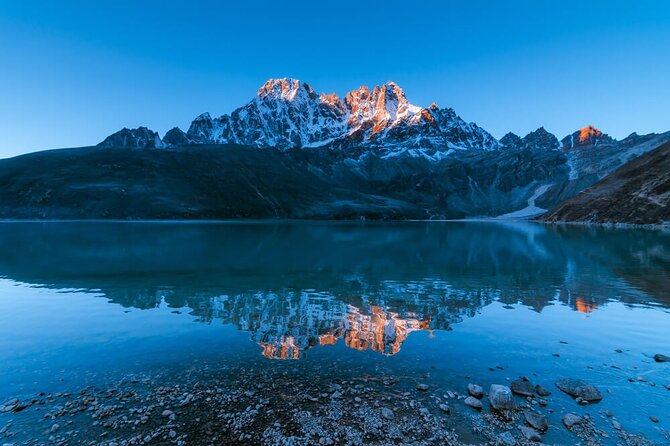
Key Highlights That Matter on Everest Base Camp
- Private group support so you’re not stuck with a random pace; you hike only with your group.
- Flights Kathmandu–Lukla included, which saves time and keeps the start of the trek efficient.
- Acclimatization built in with an extra day in Namche and a climb to Nangkartsang Peak from Dingboche.
- Health-minded gear: a first-aid kit that includes an oximeter and pulse meter checker.
- Licensed guide plus porter system (2:1) so you can focus on walking, not hauling.
- Tea house comfort, but no soft drinks included on the mountain—plan for hydration and budgeting.
Kathmandu Start in Thamel: Get Your Feet Under You Fast
You’ll start in Thamel, Kathmandu’s trekking hub. On arrival, a representative meets you outside the airport terminal and transfers you to your pre-arranged hotel. Then you get a quick meeting about trekking and preparation—enough to get oriented without turning your first evening into a lecture hall.
Three nights in Kathmandu with breakfast are included, which is not just a luxury. Kathmandu right before Everest is where you adjust habits: how much you’ll drink, what time you’ll sleep, how you’ll handle cold in the morning, and what “fast” really means when you later start walking uphill at altitude. If you’ve never done a Himalayan trek, those days help you arrive with fewer mistakes.
One small detail I really appreciate: welcome and farewell cultural dinners. You’re not just consuming a destination. You’re getting a taste of Nepal beyond the trail logistics.
You can also read our reviews of more tours and experiences in Kathmandu.
Thamel to Lukla Flights: Quick, Scenic, and Absolutely Weather Dependent
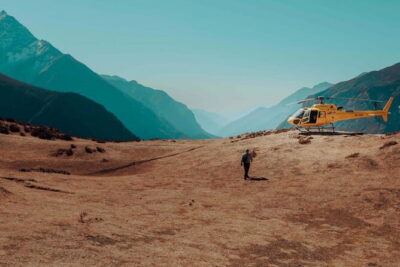
Getting to the mountains starts with a flight from Kathmandu to Lukla. It’s short, but it’s also one of those Nepal moments where you see the Kathmandu valley from above and then watch mountain ranges roll closer as you approach Lukla.
Two practical notes:
- This trek depends on getting those flights to happen, and the experience is described as weather dependent.
- If you’re the kind of traveler who hates uncertainty, Everest will teach you a new relationship with planning. You can still be organized—you just have to accept that mountains control the schedule sometimes.
Because the flights are included in the price, you’re not juggling separate tickets. That’s better value than many DIY setups where permits, flights, and guide services get priced separately until the total surprise hits.
First Trek Day: Phakding’s Downhill-to-Views Pattern
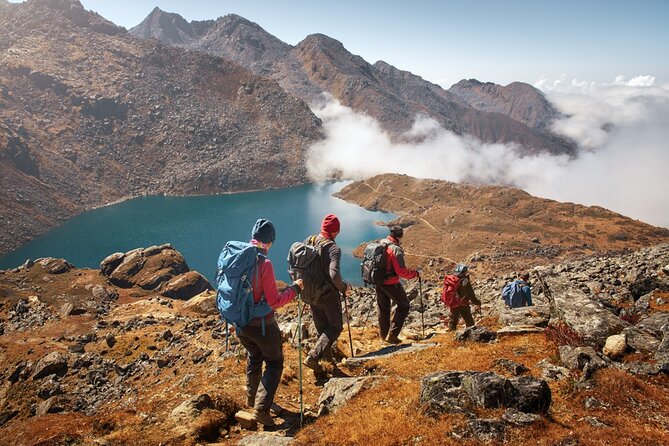
After you land in Lukla and settle in, you trek to Phakding. The first stretch is described as straightforward, starting with a rocky downhill before you work your way toward the Dudh Koshi River and the Cheplung area.
This is a smart early design. The downhill and rocky sections aren’t meant to break you; they’re meant to wake up your legs and help you find your stride. The Dudh Koshi corridor is also a calming visual anchor—river valleys often make the next days feel more manageable because you’re not always staring at the highest ridges right away.
Overnight in Phakding puts you at a reasonable starting point before the bigger altitude climb toward Namche.
Phakding to Namche: Suspension Bridges and Big Altitude Payoff
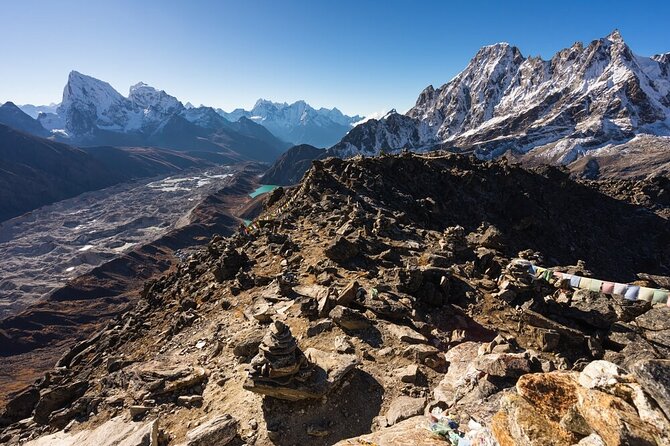
Day three heads toward Namche Bazaar, and the trail style changes. You cross rivers and valleys, and you’ll hike over multiple suspension bridges. Expect it to feel both challenging and fun—bridges slow you just enough to keep your focus on footing and timing.
Along the way, you pass Benkar and get a spectacular view of Mt. Thamserku. The trek then goes through the Sagarmatha National Park checkpoint. This matters because it’s one of the points where your permits are checked and your entry into the protected trekking region becomes official.
Near Namche, the views of Everest and Nuptse start teasing you, especially as you gain elevation. You arrive in Namche for the night, which sets you up for the next crucial piece: acclimatization.
The Namche Acclimatization Day: Slow Is Smart
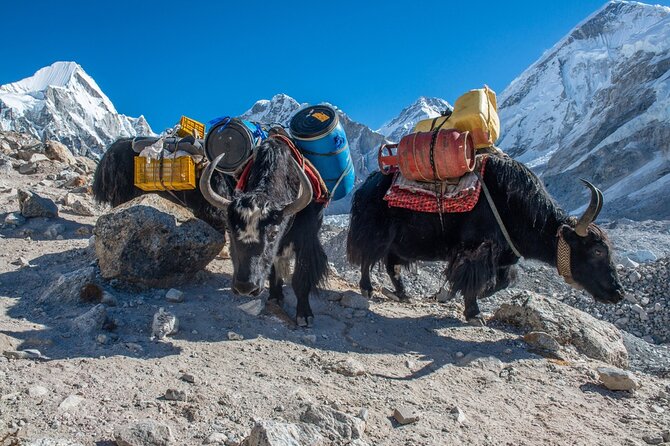
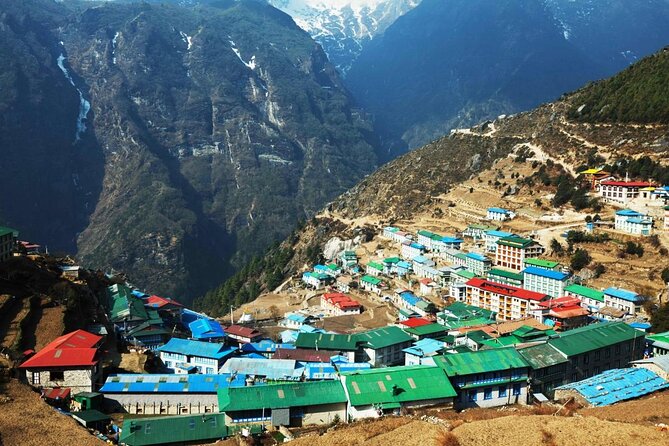
Namche Bazaar is the main trading center in the Khumbu region, built on hillsides with busy energy and lots of trekking infrastructure. You’ll spend a full acclimatization day there.
This isn’t a “waste day.” It’s the day that can protect you later. Altitude sickness is a real risk, and the route makes the goal clear: let your body adjust as you climb higher. If you’re tempted to cram in extra hikes because you feel good, you’ll still want to keep the pace conservative. In the Himalayas, feeling strong doesn’t always mean you’re adapting well.
Also, this is where you can practice your real-life altitude strategy: hydrate consistently, eat what you can, and don’t treat every uphill as a race.
Tengboche and the Rhododendron Forest: Monastery Calm with Big Views
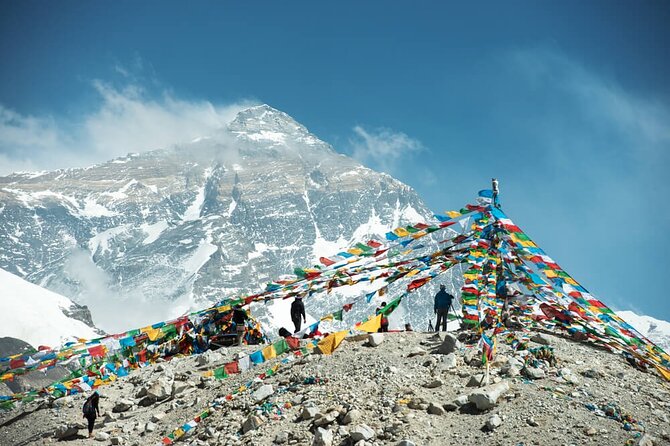
From Namche to Tengboche, the terrain is described as challenging with irregular sections. You move past Kyanjum and into a rhododendron forest, then descend toward the Phungi Thenga river’s banks.
After that, the trail climbs again. This is the part where the route’s design rewards steady effort. As you trek, you get views that include Everest, Nuptse, Lhotse, and Ama Dablam.
Tengboche’s star attraction is the Tengboche monastery (a Tibetan Buddhist gompa). It’s also the kind of break that isn’t just scenic—it’s atmospheric. You can walk hard all morning, then step into a calmer setting where you’re reminded this isn’t only about elevation records.
If you like sunrise lights, prayer flags, and the quiet between trekking steps, Tengboche is a highlight.
Dingboche via Deboche: Glaciers, Stone Walls, and Ama Dablam Up Close
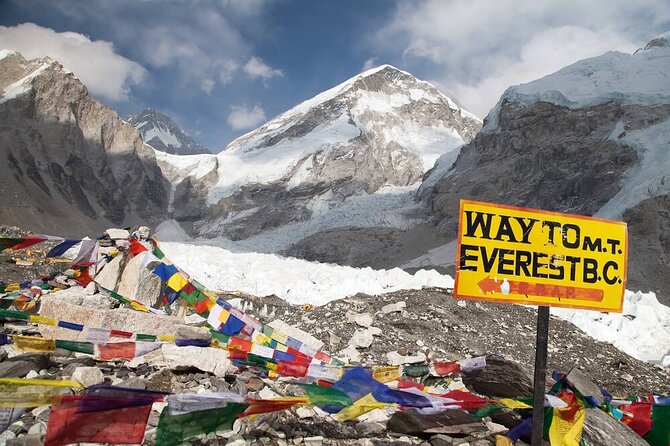
The next stage takes you toward Dingboche, with a route described as wonderful and tied to glaciers and snowy mountain scenery.
You pass through Deboche village, then hike around stone-carved wall features, cross a suspension bridge, and get Ama Dablam in closer view. From there you reach Pangboche and then continue uphill past Shomare before arriving in Dingboche.
This day tends to feel like a transition. The forests fall away more often, and the trekking world becomes rock, sky, and cold. Dingboche itself is high enough that your body is already working. That’s why the next day matters so much.
Nangkartsang Peak for Acclimatization: A Planned Effort That Helps
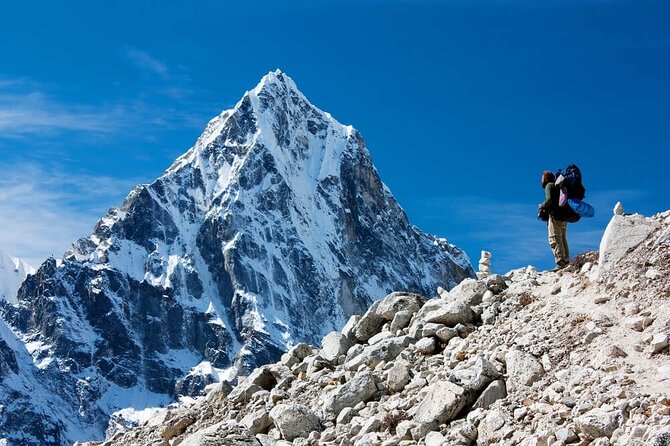
Dingboche has an acclimatization plan that uses a climb to Nangkartsang Peak, positioned above the village. The idea is simple: controlled exertion to help your body adapt. You hike toward the peak, then return the same way to Dingboche.
From the peak, the views are described as spellbinding, with peaks like Lhotse, Makalu, Cho Oyu, and Ama Dablam visible. You also get a strong sense of how the valley systems divide: the Imja valley to one side and the route toward Lobuche on the other.
This is a good example of why this trip feels “well-run.” The route isn’t only about moving forward. It’s about moving forward wisely.
Lobuche and the Glacier Corridor: Everest Memorial Stops You Cold
The trail to Lobuche is described as a bit difficult, with a rise to a moraine after leaving Dingboche. You pass through Pheriche and then head toward Everest Memorial and the Khumbu glacier.
The Everest Memorial was constructed to honor climbers who died while attempting to reach the summit of Everest. It’s not a sightseeing detour. It’s a reminder that this trek sits inside a bigger story—one where weather, altitude, and decisions matter.
From Lobuche, you’re approaching the final high country terrain where routes tighten and cold gets sharper. You’re also getting closer to the highest points the trek uses.
Gorakshep Area and the Long Day Toward the Base Camp Experience
From Lobuche, the trail becomes a gradual climb with less steep slopes, but the altitude still presses. There are two segments mentioned: one to Gorakshep (the trek’s highest elevation and also a single-village area), and another trail that connects you close to Everest Base Camp.
You’ll trek beside the Khumbu glacier, and Nuptse’s surroundings are described as breathtaking. You may even catch views of Everest’s summit depending on conditions.
A practical note here: as altitude climbs, the “effort per meter” starts to feel higher. This is where pacing matters. If you spend the day rushing, your rest later won’t be as effective. If you keep it smooth, you’ll get more enjoyment out of the views and the trail texture.
Kala Patthar Sunrise Push: The Moment You Actually Remember
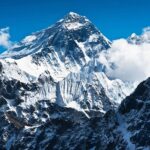
The next key day starts very early to catch sunrise from Kala Patthar. The route to Kala Patthar is described as simple to follow, but it still becomes difficult. The effort is worth it because the view of Mt. Everest is clearer as you walk farther.
Kala Patthar is framed as a joy-and-accomplishment moment: standing beneath the world’s highest mountain, seeing the Himalayas in pristine clarity. After that, you return along the same route and go down toward Gorakshep for breakfast.
Then you continue on to Pheriche. This day can feel like two treks inside one: sunrise effort, then recovery descent. If you’re not sleeping well the night before, try to correct that early. Bad sleep at altitude has a way of stealing your energy at the worst possible time.
Coming Down: Namche and Lukla Feel Easier, Not Effortless
After reaching Pheriche, you head toward Namche Bazaar, using the route that goes through Pangboche and continues via Tengboche before entering Namche again. The climb is less forgiving as altitude drops, but your legs still need time to adjust. You’ll feel the difference, but don’t treat it like an easy day.
Eventually, you make your way down to Lukla, arriving in Phakding later on the downhill route. From Lukla you fly back to Kathmandu.
This section is a relief for most people because you’re going lower. Still, it’s smart to respect the downhill: knees and ankles do most of the complaining on the last stretch.
Kathmandu Wrap-Up and Your Final Return Flight
Back in Kathmandu, you’ll be transferred to your hotel and get time to recharge. Then on your final day, you’re brought to Kathmandu Airport for your return flight.
Three nights in Kathmandu at the start, plus recovery time at the end, makes a big difference. It gives you real time to wash off the trek grit, eat something normal, and adjust before you fly home.
And if you’re choosing this tour specifically because you want the whole experience—guides, logistics, permits, and mountain meals included—that Kathmandu finish is where it all clicks together.
Price: What $1,600 Buys You (and What It Doesn’t)
At $1,600 per person for about 14 days, the value comes from what’s bundled, not just from the trek itself.
You’re getting:
- Kathmandu–Lukla flights both directions
- Permits and national park fees
- A licensed guide plus a porter system (2:1)
- Kathmandu hotels (3 nights) with breakfast
- Mountain tea house support and multiple meals included during the trek
- A health-focused first-aid kit that includes an oximeter and pulse meter checker
- Ground transportation by private vehicle for the airport transfers
What’s not included is also important:
- Tips to guide and porter
- Drinks on the mountain (mineral water, beer, tea/coffee/juice, and more)
- Personal expenses like charging and wifi
- City lunches and dinners
So the cost makes sense if you want fewer moving parts. If you’re the type who enjoys planning every element yourself, DIY might be cheaper—but you’d be taking on a lot of coordination that this route handles for you.
One more note: the trekking days are described as long (often around 13–16 hours on some route days). That doesn’t automatically mean it’s harder than other routes, but it does mean this is not a casual stroll. It’s intense enough that guide support matters.
The Real MVP: Guides and Porter Care (Why Reviews Keep Mentioning Names)
The most praised part across past feedback is how the trip feels people-first. You’ll see guides named like Tek, Dil, Ram, Som Kumar Tamang, Mingmar, and Keke. The consistent themes are:
- patience when someone needs more time
- a good mood that doesn’t turn into jokes at the wrong moment
- practical advice that helps you stay safer and calmer
- help finding good tea houses to stay in
Porters get praise too. Names that show up include As Kumar (as a porter), Prem and Arun, and Hari. That porter support is not just about comfort. It can change how you walk. When someone else carries your heavier stuff, you can keep your breathing steadier and focus on the trail rhythm.
If you’ve never done a high-altitude trek before, the guide-and-porter pairing is where you should spend your attention. A good team makes the difference between a scary trek and a doable one.
Who Should Book This Everest Base Camp Trek—and Who Should Think Twice
This trek fits you best if:
- you have moderate physical fitness
- you want a private experience with your group
- you value strong logistics (flights, permits, and transportation handled)
- you want acclimatization built into the schedule
- you like the idea of guided cultural moments in Kathmandu and at Tengboche
Think twice if:
- you hate altitude risk and prefer low-elevation travel
- you want a short or low-effort hiking vacation
- you’re unwilling to adjust pace and rest when your body needs it
Also, keep your expectations realistic: the trek is intense. It’s designed for people who can handle a high-effort path, not for a light walking holiday.
FAQ
Is this Everest Base Camp trek private?
Yes. It’s described as a private tour/activity, so only your group participates.
Are flights between Kathmandu and Lukla included?
Yes. Kathmandu–Lukla and Lukla–Kathmandu flights are included.
Are permits and national park fees covered?
Yes. The package includes all needed permit and national park fees.
What health support do you get during the trek?
The included first-aid kit contains an oximeter and a pulse meter checker.
Are meals included, and what about drinks?
Standard tea house meals are included during the trek, with breakfast, lunch, and dinner counts listed. Drinks like mineral water, beer, tea/coffee/juice, Coke/Fanta, and hard drinks are not included.
What if the weather is poor or I need to cancel?
The experience requires good weather. If it’s canceled due to poor weather, you’ll be offered a different date or a full refund. For personal cancellations, you can cancel up to 3 days in advance for a full refund; within 3 days, the amount paid is not refunded.
Should You Book This Trek?
If you want Everest Base Camp without turning your vacation into a spreadsheet, this is a strong choice. The combination of Lukla flights, permits, guide + porter care, acclimatization days, and a health-focused first-aid kit is what makes it feel reliable.
I’d book it if you’re ready for intensity and you want your time in the Himalayas to be about the views and the trail—not chasing details. If you’re unsure about altitude or long hiking days, talk to the guide before you commit and plan to take acclimatization days seriously. That’s where this trek earns its worth.