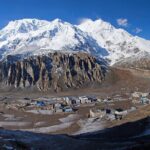
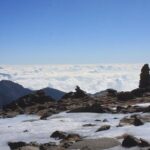
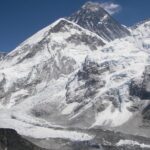
Everest feels close on this trek. You get a full Kathmandu-to-Everest Base Camp journey built around Sherpa culture, Buddhist monasteries, and the kind of sunrise views that make your camera forget it has a battery.
I love the structure here: a real acclimatization day in Namche Bazaar (plus the climb to Hotel Everest View), then a steady build up through Tengboche and Dingboche. I also like the human side. Past guides named in partner feedback include Dinesh and Prakash Giri, both praised for staying calm, friendly, and careful about how people feel at altitude.
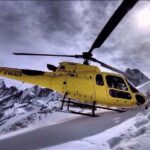
One watch-out: this route depends on short flights, and there’s an important notice that Lukla flights may run via Ramechhap due to Kathmandu airport upgrades. Expect early wake-ups and a long drive to the airport (starting around 2:30 am), and know wind can affect return flights later in the day.
In This Review
- Key highlights you’ll actually feel on the trail
- Everest Base Camp Trek: what this 16-day plan really gives you
- Kathmandu arrival and the Day 2 game plan in Thamel
- Lukla flight timing, the Ramechhap detour, and why you should care
- Permits and the first real walking day: Monjo, Namche, and Dudhkoshi
- Namche acclimatization: Hotel Everest View and the best kind of photo time
- Tengboche day: monastery focus and the Amadablam obsession
- Dingboche build-up: ridges, Khola crossing, and wide-open air
- Lobuche and Gorek Shep: dry ridges, glacier drama, and Sherpa memory
- Kalapatthar sunrise: pre-dawn start and the classic peak lineup
- The descent that feels like a second journey: Tengboche back, then Khumjung
- Back to Lukla and Kathmandu: Phakding, flights, and a farewell dinner
- Guides and organization: why the people side keeps showing up
- Price and logistics: is $1,600 good value for this trek?
- Who should book this Everest Base Camp Trek (and who should pause)
- Should you book this Everest Base Camp Trek?
- FAQ
- How long is the Everest Base Camp trek?
- Where do I start, and what is the start time?
- Is hotel pickup and drop-off included?
- Are meals and accommodation included in the price?
- What about the Lukla flight if Kathmandu airport upgrades affect operations?
- Can I buy trekking gear in Kathmandu before the trek?
- Is this trek private for just my group?
Key highlights you’ll actually feel on the trail
- Namche acclimatization with a real viewpoint plan via Hotel Everest View and sunrise photo time
- Tengboche monastery day with the holy Tengbouche monastery as a top stop
- Everest Base Camp + Kalapatthar sunrise built in, including pre-dawn timing (4:30–5:00 am)
- Permits checked at Monjo before you enter Sagarmatha National Park
- Hillary School visit at Khumjung tied to Sir Edmund Hillary’s legacy
- Guides that get praise for safety and patience, including names like Dinesh, Sushil, and Procas
Everest Base Camp Trek: what this 16-day plan really gives you
This is an epic trek on paper, but the best part is how the schedule supports the human body. You’re not just walking uphill every day; you get breathing room at key points (especially around Namche Bazaar) and built-in moments to slow down and look around.
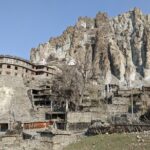
You’ll move through classic Everest-region waypoints: Namche Bazaar, Tengboche, Dingboche, Lobuche, then Gorak Shep and finally Everest Base Camp. Along the way you also get a cultural thread, with monasteries such as Tengbouche and optional Thame Monastery time from Namche.
The value angle here is the “done-for-you” logistics. This package includes accommodation, meals as listed, taxes/fees/handling charges, a driver/guide, and hotel pickup. The price is not low for the region, but the inclusions matter because they remove a lot of daily decision fatigue while you’re dealing with altitude and early mornings.
That said, one thing to confirm before you pay: the included list doesn’t explicitly spell out flight costs between Kathmandu, Lukla (or Ramechhap), and return. The itinerary clearly depends on those flights, so I’d verify what’s covered in the final quote.
You can also read our reviews of more tours and experiences in Kathmandu.
Kathmandu arrival and the Day 2 game plan in Thamel
Day 1 is mostly landing and resetting. You arrive at Tribhuvan International Airport, get picked up, and transfer to a hotel for rest. After a flight, Kathmandu feels louder and warmer than you expect, so this start is smart.
Day 2 is your buffer day. You adjust to the air and the pace, then you visit the office briefly to talk through the trek. If you need trekking gear, you can shop in Thamel, which is a practical move because gear shops are right there in the same neighborhood. In the evening, you can walk, eat well, and optionally add a Half-Day Kathmandu Valley Sightseeing Tour if you want more to do without exhausting yourself before you fly out.
This is also where I think the private-tour setup helps. If your group has questions, you’re not crammed into a big mixed crowd. You can ask directly about readiness, pacing, or gear, and get answers that fit your specific itinerary timing.
Lukla flight timing, the Ramechhap detour, and why you should care
Day 3 is the big threshold moment. You’ll fly early to avoid bad weather, landing at Lukla for the start of the trek toward Phakding. That short flight is part of the thrill, but it also means your schedule lives and dies by conditions.
Here’s the crucial notice you should plan around: Lukla flights may depart and return from Ramechhap Manthali airport due to upgrades at Kathmandu airport. That adds about a 4/5 hour drive from Kathmandu, with pickup and departure starting around 2:30 am. On the way back, the return drive is also in that 4/5 hour range.
This affects how you prepare mentally. Don’t plan morning coffee rituals on this trip. If you’re even slightly cranky before sunrise, this is the day to set expectations with yourself.
Permits and the first real walking day: Monjo, Namche, and Dudhkoshi
Day 4 starts with the paperwork moment. You head toward Monjo, where you’ll have permits checked at the Sagarmatha National Park Authorized office. It’s not glamorous, but it’s important because it’s the official gate into the park.
Then you transition into the walking rhythm: deep woods, traditional Sherpa settlements, and eventually the Dudhkoshi river. You end the day ascending up to Namche Bazaar. Namche is where the Everest region starts feeling like a world of its own—lodges, viewpoints, and that mix of fresh air and careful breath.
One practical tip for this kind of day: plan to arrive with enough energy to enjoy the evening. The itinerary includes the option of a short walk around Namche, which is a good way to get your bearings without overdoing it.
Namche acclimatization: Hotel Everest View and the best kind of photo time
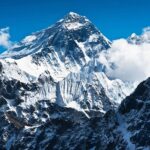
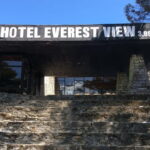
Day 5 is your acclimatization day, and it’s structured in a way that helps you adjust without turning it into a full rest day. After breakfast, you hike up to Hotel Everest View. From there, you can take photos of Mt. Everest and surrounding peaks, often during sunrise conditions.
Afterward, you walk back down to Namche. If you want more culture, you can add a walk toward Thame Monastery. Then you finish with a relaxed evening in Namche—shops, cafes, ATMs, and the kind of small comforts you’ll miss if you only think about Everest.
This is one of my favorite parts of this plan because it balances two goals: altitude adjustment and mental payoff. You get a big viewpoint day, but you also come back down before the next push.
Tengboche day: monastery focus and the Amadablam obsession
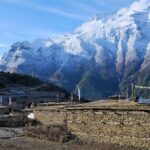
Day 6 is where views start feeling personal. The route is set up so the Amadablam view dominates, and you’ll pass through Namche before joining the main trail. You’ll see mule and yak traffic carrying supplies, which is a reminder this is a working region, not a theme park.
You walk along a newly made flat trail down toward the riverside, cross the river, then ascend to Tengboche. The holy Tengbouche monastery is the main attraction of Tengboche town. Even if you’re not into temples, this stop is worth it because it gives you a calm, human-scale counterpoint to the huge terrain.
The main drawback for Tengboche: it’s easy to get so focused on photos that you forget you still have altitude to manage. Keep your pace steady, and save the long photo sessions for when you’ve actually reached the viewpoint.
Dingboche build-up: ridges, Khola crossing, and wide-open air
Day 7 continues with Amadablam staying in your view. You cross Dindboche Khola as you approach Dingboche, arriving in town for the night. Dingboche is another acclimatization-friendly base point. It feels more exposed than Namche, so it’s a good moment to notice how your body reacts.
Day 8 offers a choice. Some people rest at the lodge. Others hike toward Chhukung Valley, which takes about 2–3 hours to reach for lunch, then trek back to Dingboche. From Chhukung, the views of giants like Island Peak and other Himalayan peaks are described as breathtaking, and some trekkers also like to climb Chhukung ri.
If you choose Chhukung Valley, keep it gentle. You’re not chasing speed here. You’re collecting air, views, and a little confidence for what’s coming next.
Lobuche and Gorek Shep: dry ridges, glacier drama, and Sherpa memory
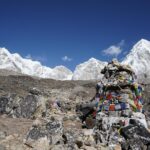
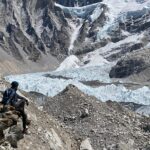
Day 9 moves toward Lobuche. The route passes ridges with magnificent mountain views, then you see alpine bushes and dry landscapes on the trail. You also pass the Sherpa people’s graveyard, which adds a sober note to the scenery.
Lobuche sits riverside, and the day is more about arriving ready than forcing a big push. This matters because Day 10 transitions into the core “Everest Base Camp” payoff.
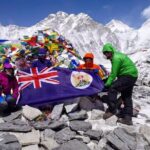
Day 10 is a big emotional day. You trek to Gorek Shep (the town below Kalapatthar), have lunch, then continue to Everest Base Camp. You’re set up to “celebrate the moments” at Base Camp, then return to Gorek Shep for overnight stay.
The practical consideration: Gorek Shep and the Base Camp area can feel cold and exposed. Even when the sun is out, nights can bite. Pack smart and keep your layering consistent.
Kalapatthar sunrise: pre-dawn start and the classic peak lineup
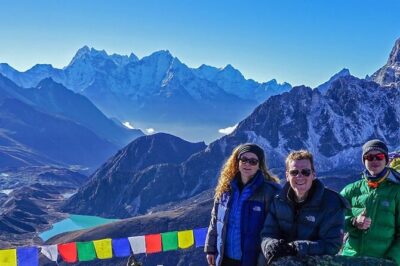
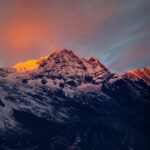
Day 11 is pure early-morning payoff. You rise between 4:30 and 5:00 am and climb Kalapatthar to catch sunrise. You’ll be waiting at the top with many trekkers facing toward Mt. Everest, cameras ready.
The itinerary highlights the sunrise panorama featuring Mt. Everest, Pumori, Nupse, Loatse, and other giants. The reason this matters isn’t just the view; it’s the timing. Watching the mountains light up from a high point turns a long trek into a clear memory you can keep forever.
After sunrise, you trek down to Gorek Shep for breakfast. Then you continue onward to Periche via Lobuche.
The descent that feels like a second journey: Tengboche back, then Khumjung
Day 12 shifts gears. You walk down toward Kyanjuma via Tengboche. You pass Tengboche, then head down toward the riverside. You cross a bridge and follow a trail that splits toward Namche, Khumjung, or Gokyo—your group heads to Kyanjuma.
The day also includes rhododendron in the description, plus mentions of alpine species wildlife. The route continues with major sight lines: Twache, Thamserku, and Amadablam are called out on the way.
Day 13 brings in one of the most meaningful cultural stops on the itinerary. You ascend to Khumjung village, then visit Hillary School, built by Sir Edmund Hillary. You also visit Khunde village and explore the area before trekking back down toward Namche and onward to Monjo for overnight lodge.
This is a good day to slow down and actually listen to the place you’re in. The mountains are the headline, but schools and villages are what make the region feel real and connected.
Back to Lukla and Kathmandu: Phakding, flights, and a farewell dinner
Day 14 is your last hiking day to Lukla. You pass Phakding and ascend up to Lukla town. There’s a town-walk option in the evening, plus time around the airport area.
Day 15 is flight back to Kathmandu, planned early in the morning because wind may disturb late-morning flights. You land in Kathmandu, transfer to a hotel, and after you refresh, you can do shopping or other activities. In the evening, there’s a farewell dinner.
Day 16 is simple and clean: drop-off at Kathmandu airport so you can fly home.
This finish matters. A lot of treks end with a rushed, stressed departure. Here, the itinerary builds in enough time to get your head back together and say goodbye properly.
Guides and organization: why the people side keeps showing up
The strongest pattern in feedback about this trek isn’t just scenery. It’s the way guides handled day-to-day care and logistics.
Names that appear in past experiences include Dinesh, Prakash Giri, Sushil, Raju, Manoj, and Procas. The common praise themes are friendly support, patience, and active attention to safety—especially in higher-altitude moments.
You’ll also notice a recurring detail about smooth running: people talk about everything being arranged, with practical touchpoints like getting help with hotel-to-airport transport. Even if you’re the type who likes to “just figure it out,” having that safety net matters on a trek where weather and flight timing can throw curveballs.
Price and logistics: is $1,600 good value for this trek?
At $1,600 per person, you’re paying for more than a walking route. The included items list accommodation, meals (B/L/D as per itinerary), taxes/fees/handling charges, and a driver/guide plus hotel pickup and drop-off.
That reduces the most expensive hidden costs: scrambling for last-minute lodging, paying for daily transfers, and managing permit paperwork yourself. It’s also why the itinerary can run as a full 16-day plan without you constantly renegotiating plans.
The one thing I’d double-check is what’s included for the flight segments, since the inclusions list doesn’t explicitly spell out airfare in plain terms. If flight costs are bundled, it’s strong value for a trek that can’t happen without them. If not, you might be looking at additional costs on top of the base package price.
Who should book this Everest Base Camp Trek (and who should pause)
This trek fits best if you want a classic Everest experience with a cultural thread and a guided safety net. It’s also a good fit for couples or small groups who like structure: early flights, permit checks, acclimatization planning, and the Big Day moments built in.
You should pause if you hate early mornings or if a sudden airport reroute would cause real stress. The Ramechhap notice is the headline risk, and the itinerary also warns that wind can disturb return flights later in the morning.
Most people can participate, but Everest-region trekking still asks for real effort, patience, and listening to your body.
Should you book this Everest Base Camp Trek?
Yes, if you want a guided plan that handles the “not fun” parts for you: permits, daily meal structure, lodge nights, and the hard logistics around flights and timing. The schedule includes the key emotional payoff days—Everest Base Camp and Kalapatthar sunrise—without pretending you can do it all on raw willpower.
Book it with confidence if you’re okay with early starts and you’re ready for the Ramechhap possibility. And if you have a flight connection on either end, build extra breathing room, because weather and wind are part of the deal.
If you want, tell me your travel month and whether you’re starting from Kathmandu already. I can help you think through what that Ramechhap early drive means for your exact arrival and departure timing.
FAQ
How long is the Everest Base Camp trek?
The trek is listed as about 16 days.
Where do I start, and what is the start time?
You start in Kathmandu, and the meeting start time is listed as 7:15 am.
Is hotel pickup and drop-off included?
Yes. Hotel pickup and hotel pickup/drop-off are included.
Are meals and accommodation included in the price?
Accommodation is included as per the itinerary, and meals are included as per the itinerary with breakfast, lunch, and dinner. Alcoholic drinks are not included.
What about the Lukla flight if Kathmandu airport upgrades affect operations?
There is an important notice that Lukla flights may depart and return from Ramechhap Manthali due to ongoing upgrades at Kathmandu airport. It’s about a 4/5 hours drive from Kathmandu, with the airport start time around 2:30 am, and a similar drive time on the return.
Can I buy trekking gear in Kathmandu before the trek?
Yes. On the Kathmandu free day (Day 2), you can go to Thamel to buy trekking gear if you need it.
Is this trek private for just my group?
Yes. This is described as a private tour/activity, with only your group participating.