REVIEW · KATHMANDU
Everest Base Camp Trek
Book on Viator →Operated by Outfitter Nepal · Bookable on Viator
Everest Base Camp tests your legs and your patience. This trip is interesting because it pairs big-altitude trekking with real-world logistics: guides and porters are included and paperwork and permits are handled so you can spend your brain on altitude, not forms. You also get domestic flights built in, which matters on a route where a missed connection can wreck the whole plan.
One thing to plan around: this trek is weather-dependent, including your Lukla flight timing. That means you may have to accept delays or alternate dates if conditions are rough, even when everything else is ready.
In This Review
- Key highlights worth your attention
- Why this Everest Base Camp trek feels easier than self-planning
- Kathmandu timing, four nights on the ground, and a quick reality check
- Day-by-day: the trail from Lukla to Phakding (Day 1)
- Namche Bazaar and the first acclimatization pause (Days 2–3)
- The climb to Tengboche: altitude plus big monastery energy (Day 4)
- Dingboche rest day: this is where you win the mountain (Days 5–6)
- Pushing toward Lobuche (Day 7)
- Day 8: Gorakshep and reaching Everest Base Camp
- Day 9: Kala Patthar (5,545m) and the descent to Pheriche
- Days 10–11: the home stretch through Namche and back to Lukla
- Day 12: Lukla back to Kathmandu
- Guides, porters, and the kinds of details that matter at altitude
- Included gear: packing lighter, but check what you still need
- Price and logistics: is $1,300 good value?
- What you should budget for: visa, base camp fee, tips, and optional porter
- Weather risk and why your schedule needs flexibility
- Who this trek suits (and who might struggle)
- Should you book this Everest Base Camp trek?
- FAQ
- Where does the Everest Base Camp trek start, and what time do we meet?
- How long is the trek?
- What’s included in the price?
- What is not included?
- How much is the Nepal visa, and what do I need?
- Is travel insurance required?
- Do I need to pay an entrance fee for Everest Base Camp?
- Are domestic flights included?
- Is there an option for a porter if I need one?
Key highlights worth your attention
- Private Kathmandu transfers and round-trip Lukla flights reduce the stress of getting to the trailhead.
- All lodges/tea houses during the trek are included, with breakfast, lunch, and dinner.
- Two acclimatization rest days at Namche Bazaar and Dingboche help you climb smarter.
- Kala Patthar (5,545m) puts you in position for big views near the end of the trek.
- Included cold-weather gear (sleeping bag, down jacket, and trekking items) helps you travel lighter.
- Small group size (up to 14) keeps the trek feeling human, not like a conveyor belt.
Why this Everest Base Camp trek feels easier than self-planning
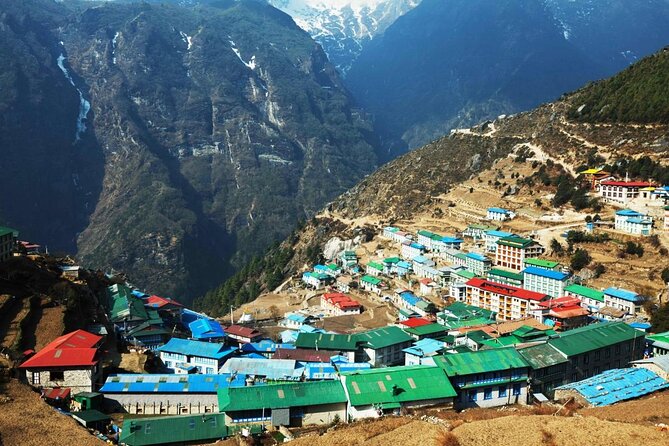
Everest Base Camp is the sort of trip where the easy part is the dream. The hard part is everything that surrounds it. This plan takes a lot of that weight off you: an experienced guide runs the trek, and porters are part of the setup. In plain terms, you walk. Someone else handles the moving parts.
I also like that the trip includes the paperwork. Permits and administrative steps can be confusing when you’re arriving in Nepal with jet lag. Here, they’re taken care of, so you’re not scrambling for last-minute documents.
Another strong point is the structure. The itinerary isn’t just a straight line uphill. It includes rest and acclimatization stops (Namche Bazaar and Dingboche), which is exactly what your body needs at these altitudes. You’ll still work hard, but the climb has built-in logic.
You can also read our reviews of more tours and experiences in Kathmandu.
Kathmandu timing, four nights on the ground, and a quick reality check
This trek starts with an early meeting at Tribhuvan Airport in Kathmandu at 6:15am. You’ll then transition into the Lukla flight and trekking days, so Kathmandu is about prep, not lounging.
The summary says you get four nights in Kathmandu included. But the fine print also lists hotel and food in Kathmandu as not included. That’s not unusual in travel products, but it is something you should confirm before you go. Ask the operator what is covered for those nights: hotel only, or hotel plus meals.
Either way, those Kathmandu nights can be useful if you’re jet-lagged. You’ll have a chance to get organized, purchase any small extras you need, and avoid arriving to Lukla underprepared.
Day-by-day: the trail from Lukla to Phakding (Day 1)
Day 1 is built around the big reveal: you fly from Kathmandu to Lukla, then trek down to Phakding. The altitude jump is real—Lukla sits around 2,886m, and Phakding is about 2,610m. That drop is helpful after flying in, and it also gives you a gentler start.
Timing on Day 1 is about four hours for trekking, plus the flight. This is a day for getting into rhythm: water, snacks, and a steady pace. Don’t treat it like a warm-up run—treat it like the first page of a long journal.
A practical note: your included meals on trek days take the guesswork out of where to eat. That helps on early days when you’re still figuring out what your stomach can handle.
Namche Bazaar and the first acclimatization pause (Days 2–3)
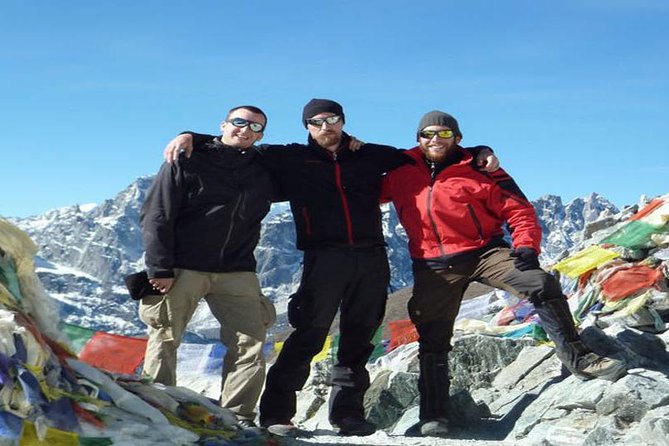
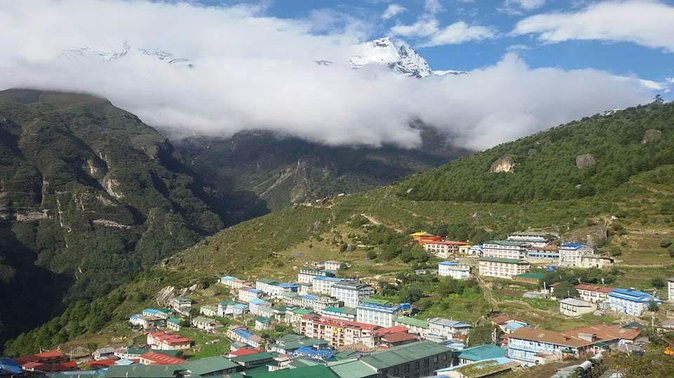
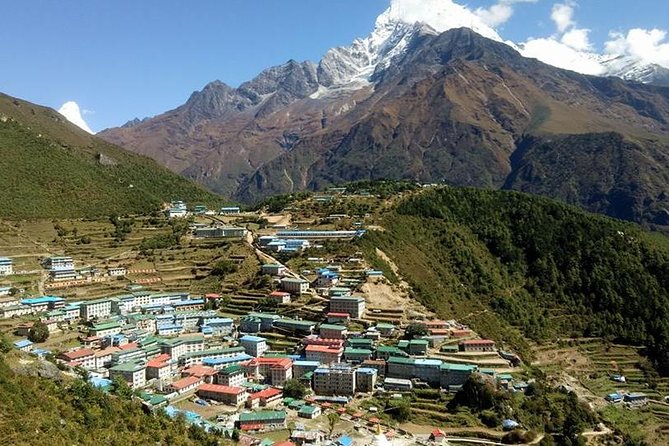
Day 2 walks from Phakding to Namche Bazaar in around six hours. Namche is about 3,440m. This is where the “Everest feel” kicks in: Sherpa settlements, thicker trekking traffic, and views that make you realize how big the mountains really are.
Day 3 is your rest/acclimatization day at Namche Bazaar (around 3,440m). The itinerary includes meals each day, but the key is you’re not hiking. This is where you help your body adjust so later days don’t feel like a surprise. If you’re tempted to cram in extra walking, resist. Use the day to rest, hydrate, and keep your effort calm.
This trek’s pacing is one of its best values. People underestimate how much smarter pacing protects the whole journey.
The climb to Tengboche: altitude plus big monastery energy (Day 4)
On Day 4, you trek from Namche Bazaar to Tyangboche (about 3,867m) in roughly five hours. Tyangboche is known for its monastery area, and even if you don’t plan a long stop, this kind of village-and-spiritual setting gives the day more character than just a climb.
The main challenge is the thin air. You’ll likely feel your breathing get louder long before your legs complain. Keep your pace slow and consistent and let your body catch up.
Dingboche rest day: this is where you win the mountain (Days 5–6)
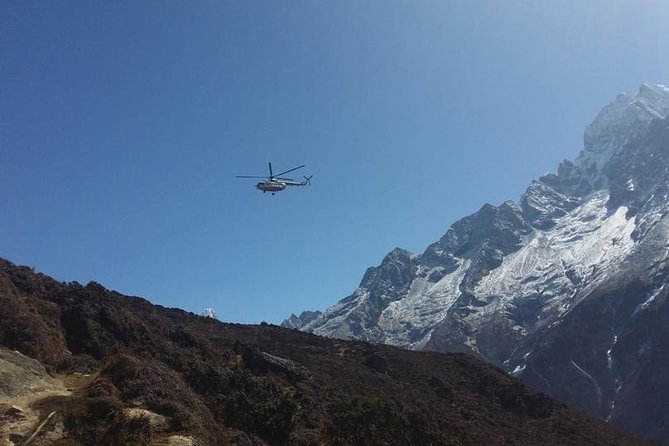
Day 5 goes from Tyangboche to Dingboche at about 4,260m, around five hours. Dingboche is higher and more exposed than the earlier stops, and it’s a place that often feels quieter as you approach the Everest zone.
Then Day 6 is another rest/acclimatization day at Dingboche (4,260m). This stop is hugely important in a 12-day plan. It gives you time to adapt to higher altitude while you still have energy to finish strong.
If you want a simple rule for this trek, it’s this: your best days are the ones where you let the schedule do the altitude work for you.
Pushing toward Lobuche (Day 7)
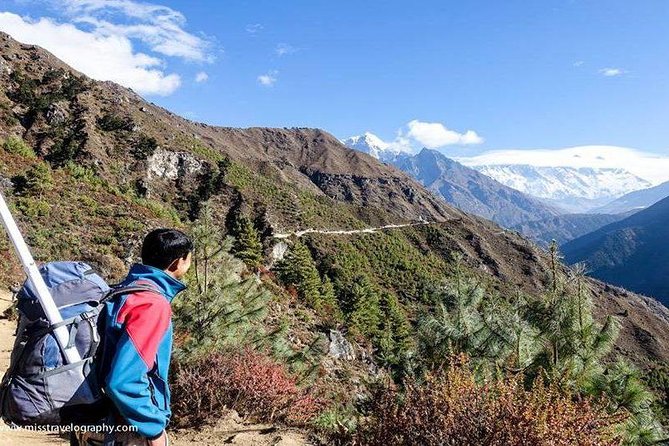
Day 7 takes you from Dingboche to Lobuche (around 4,930m) in about five hours. By now, the scenery becomes more dramatic and less forgiving. You’ll feel it in every step—less oxygen, more concentration.
This is also where staying disciplined pays off. Move steadily, snack often, and don’t chase other people’s pace. The best plan is the one you can repeat tomorrow.
Day 8: Gorakshep and reaching Everest Base Camp
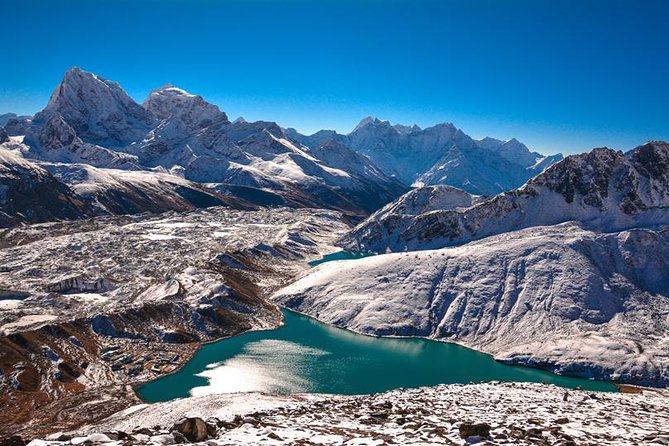
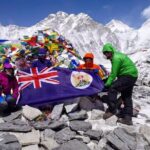
Day 8 is the day you’ve been building toward. You trek from Lobuche to Everest Base Camp via Gorakshep, taking about six to seven hours. You’ll likely pass through Gorakshep first, which is positioned near the route toward the base camp area.
This day is both long and emotional. Base Camp isn’t about speed. It’s about arriving, absorbing the scale, and keeping your breathing calm in the thin air. You’ll want your camera ready, but also your attention on how you feel.
A common mistake is treating this day like a victory lap. It isn’t. You still need energy for Kala Patthar and the rest of the return.
Day 9: Kala Patthar (5,545m) and the descent to Pheriche
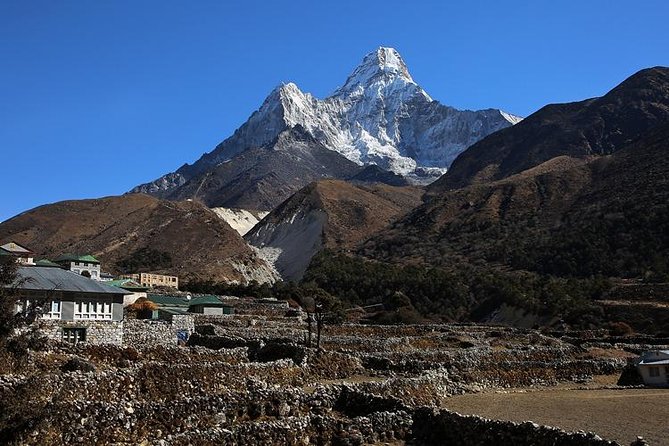
Day 9 is a long one: trek from Gorakshep to Kala Patthar (5,545m), then down to Pheriche (about 4,243m). Total time is listed as around seven hours.
Kala Patthar is the big altitude move late in the trek. It’s not just high—it’s demanding. But this is also where you’re positioned for one of the most memorable viewpoints of the whole itinerary.
Then you descend to Pheriche. That’s the payback for pushing uphill: your body gets relief, and you’re closer to easier air for the final hiking days.
Days 10–11: the home stretch through Namche and back to Lukla
Day 10 takes you from Pheriche back to Namche Bazaar (around 3,441m) in about six hours. The trail feels different on the return: your legs know you’re near the end, but your knees might remind you it’s still a lot of downhill work.
Day 11 is Namche to Lukla (about 2,886m) in around six hours. This is where you’ll want to take a careful pace—your body may feel willing, but long downhill can be hard on joints.
Day 12: Lukla back to Kathmandu
Day 12 is the flight from Lukla to Kathmandu and then a transfer to your hotel. This is the cleanup day. You’ll likely want an easy meal, a long shower if you can handle it, and a sleep that doesn’t involve alarms.
The itinerary notes breakfast on this final day. After that, you’re in Kathmandu mode again.
Guides, porters, and the kinds of details that matter at altitude
What makes guided trekking feel worth it isn’t just the big stuff. It’s the way a good guide handles expectations and tiny decisions that become big at high altitude.
I like that this trek includes food and lodging for the guide, plus transport and insurance for the guide. That’s part of why the experience stays organized rather than shifting problems onto you.
Also, the guides tied to this operator show a pattern: patience and care. One guide named Arjun is noted for bringing fresh fruit as a dessert each night. It’s a small thing, but it’s also a morale booster when you’re far from normal comforts.
Another guide named Dinish is mentioned for being helpful throughout the trek. And Kiran is recognized for setting expectations and guiding with kindness. You don’t need to know these names to trust the model, but it does give you a sense of what kind of human you’ll walk with.
Included gear: packing lighter, but check what you still need
This trek includes a sleeping bag, down jacket, and a duffle bag, plus a trekking map that’s returned after the trek. That can cut down what you have to carry from home.
Still, included gear doesn’t mean zero packing. You’ll want personal items: layers for cold mornings, gloves, a hat, sun protection, and water strategy. Even with a down jacket provided, temperatures can vary a lot as you move through the day and as altitude changes fast.
If you’re traveling from abroad, this included gear is a real value point because luggage fees and bulky winter coats can add up quickly.
Price and logistics: is $1,300 good value?
At $1,300 per person, the big question is what’s actually inside the price. Here, a lot is bundled:
- domestic flight fare Kathmandu–Lukla–Kathmandu with airport tax
- private vehicle transfers in Kathmandu
- trekking guide and the support setup (including porters in the included approach)
- lodges/tea houses during the trek with three meals per day
- four nights in Kathmandu is mentioned in the overview (but confirm the fine print detail)
- cold-weather gear like a sleeping bag and down jacket
That’s a lot for a trekking product. It’s also practical. A DIY Everest Base Camp trek often turns into a patchwork of paid permits, negotiated guides, separate flight tickets, and last-minute lodging choices in remote places.
This price can still require extra budgeting for items not included, and you should also factor in your travel insurance cost. But if you want fewer surprises, bundling like this is where you feel the value.
What you should budget for: visa, base camp fee, tips, and optional porter
There are extra costs listed that you need to plan for:
- Nepal entry visa: $40 USD for one month, plus two passport photos
- Everest Base Camp entrance fee: $40 per person
- travel insurance is compulsory (amount depends on your policy)
- tips for the guide and staff (not included)
- personal expenses and all drinks
- hot showers and sweets like chocolate bars are not included during the trek
Optional porter support is also listed: $20 per day if you require a porter, totaling $220 per person. If you already assume you won’t carry anything, ask the operator how they define included portering versus optional portering.
The key takeaway: build your budget around the fact that you’ll be paying for convenience and safety through a mix of included services and required extras.
Weather risk and why your schedule needs flexibility
This experience requires good weather. If it’s canceled due to poor weather, you’ll be offered a different date or a full refund.
That’s the right kind of safety net. But weather can also affect flight timing day-to-day even when the trek goes forward. So keep your later plans flexible—don’t book a tight international departure that leaves no margin.
Also note: the trek requires a moderate physical fitness level. That doesn’t mean easy. It means you should be prepared to walk uphill for several hours daily at altitude.
Who this trek suits (and who might struggle)
This fits you if you want:
- a structured 12-day plan with acclimatization built in
- a guided trek where permits and logistics are handled
- a small group (up to 14) that won’t feel like a stampede
It also helps if you’re comfortable with lodge trekking. Tea houses are basic, and comfort comes from warmth, good timing, and not fighting the pace.
If you get nervous about altitude or you don’t have a baseline fitness routine, you might find the climbing days tough even with rest days. This itinerary is smart, but the altitude is still the altitude.
Should you book this Everest Base Camp trek?
I’d book it if your priority is a smooth, organized experience: flights handled, paperwork taken care of, daily meals included, and a guide who can keep the group steady. The inclusion of two acclimatization rest days is a big deal for a 12-day schedule, and it’s the kind of planning you feel in how you finish.
I’d pause and confirm details if you’re trying to price it exactly. The information says four nights in Kathmandu are included, but the fine print says hotel and food in Kathmandu are not included. Get clarity on what you’ll pay for once you arrive.
Finally, if you can handle weather uncertainty and you’re excited to work step-by-step toward Everest Base Camp, this trek is a strong fit. It’s hard. But it’s also built to keep the hard parts focused on the mountains, not on chaos.
FAQ
Where does the Everest Base Camp trek start, and what time do we meet?
The start is at Tribhuvan Airport in Kathmandu, Nepal, with a meeting time of 6:15am.
How long is the trek?
The duration is 12 days (approx.).
What’s included in the price?
Domestic flights and ground transportation, guide support, trekking permits paperwork, accommodations during the trek, meals (breakfast, lunch, dinner) during the trek, and listed trekking gear are included, plus four nights in Kathmandu are stated in the overview.
What is not included?
Not included are the Nepal entry visa fee, travel insurance, hotel and food while in Kathmandu (in the included/not-included notes), personal expenses and drinks, tips, and the Everest Base Camp entrance fee. Hot showers and sweets during the trek are also not included.
How much is the Nepal visa, and what do I need?
The visa cost is $40 USD for a 1 month stay, and you’ll require 2 passport size photos.
Is travel insurance required?
Yes. Travel insurance is compulsory, and emergency helicopter service is arranged to be paid by your travel insurance company.
Do I need to pay an entrance fee for Everest Base Camp?
Yes. The entrance fee is listed as $40 USD per person.
Are domestic flights included?
Yes. Flight fare for Kathmandu–Lukla–Kathmandu with domestic airport tax is included.
Is there an option for a porter if I need one?
Yes. If you require a porter, it is listed as $20 per day, totaling $220 per person.