REVIEW · KATHMANDU
Everest Base Camp Trek 16 Days
Book on Viator →Operated by The Great Adventure Treks & Expedition - Private Day Tours · Bookable on Viator
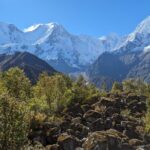
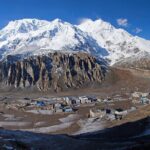
Everest Base Camp keeps calling. This moderate trek puts you close to the Himalayan giants, walking through rhododendron country near the Dudh Koshi River and heading toward the Everest region where you’ll see the raw power of ice sheets and icefalls, plus big views of Mt. Everest and neighbors like Lhotse and Nuptse. You’ll also get a long list of major peaks on the horizon—Ama Dablam, Thamserku, Kusum Kanguru, and more—so it’s not just one mountain moment.
I like that this is set up as a private tour, so it’s only your group in the mix. I also really enjoy the human side that comes through in the field: Mani is repeatedly credited for organizing smoothly, and guides such as Binod Silwal are mentioned for strong English, helpful pace, and good recommendations for food and overnight huts.
One thing to plan around: lunch and dinner aren’t included, so you need to budget for meals and keep your energy steady for long trekking days, especially as altitude starts to tighten things up.
In This Review
- Quick highlights before you commit
- Everest Base Camp in one clear plan: why this route is appealing
- Kathmandu start and pickup: how the trip begins without friction
- Trek pace and “moderate” fitness: what moderate really means
- Following Dudh Koshi: rhododendron days that feel more human
- Everest-area highlights: what you’re actually aiming to see
- Icefall drama without the hype: how to enjoy the Everest zone safely
- Meals, huts, and budgeting: lunch and dinner are on you
- The team factor: Mani, Binod Silwal, and what good organization looks like
- Price and logistics: is $1,538.47 good value?
- Who this Everest Base Camp trek suits best
- Should you book this Everest Base Camp 16-day trek?
- FAQ
- How long is the Everest Base Camp trek?
- Where does the tour start?
- Is pickup offered?
- What is included in the price?
- Are lunch and dinner included?
- Do I need to be very athletic to do this trek?
- Is this a private tour or a group tour?
- How does cancellation work if weather is bad?
- When will I get confirmation after booking?
Quick highlights before you commit
- Private group setup: only your group participates, which usually means less waiting and more control of pacing.
- Dudh Koshi + rhododendron walking: the trek includes days through rhododendron-filled river valleys along Dudh Koshi.
- Major peak views: Everest, Lhotse, Nuptse, Pumori, Ama Dablam, Thamserku, Kusum Kanguru, and surrounding summits.
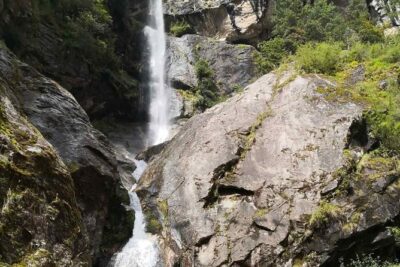
- Everest region sights: you’ll be in the zone for ice sheets, icefalls, and dramatic cascades.
- Strong satisfaction track record: 99% recommendation and a 5-star rating across 94 reviews in the snapshot you’re looking at.
Everest Base Camp in one clear plan: why this route is appealing
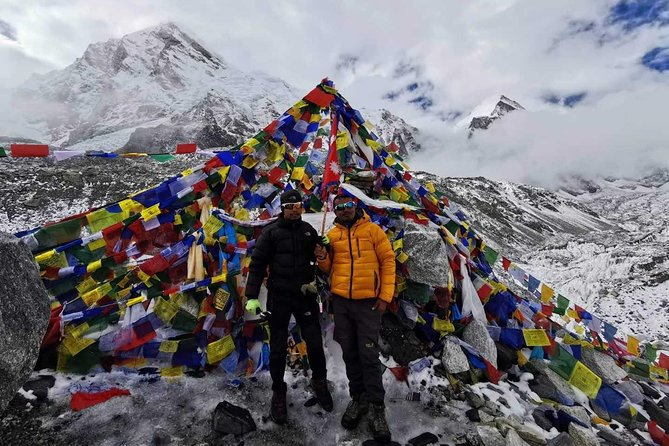
The draw here is simple: you get the Everest region experience without treating it like a stunt. This is described as a moderate trek that still feels serious because the mountains are serious. Over roughly 15 days (often marketed as a 16-day trek), you’ll spend about 14 days trekking across the Everest area, so you’re not rushing in and out for a postcard stop.
What makes this version attractive is the mix of walk days and big-mountain payoffs. You’re not just staring at distant peaks. You’re also walking through rhododendron country along Dudh Koshi, which tends to feel more alive than purely rocky, high-barren terrain. And then, as you move closer, the scenery changes into the harsh beauty around Everest—ice sheets, icefalls, and cascades that look like the mountain is working in real time.
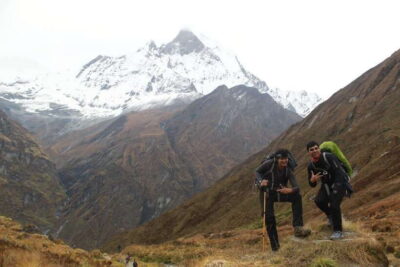
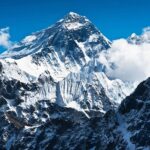
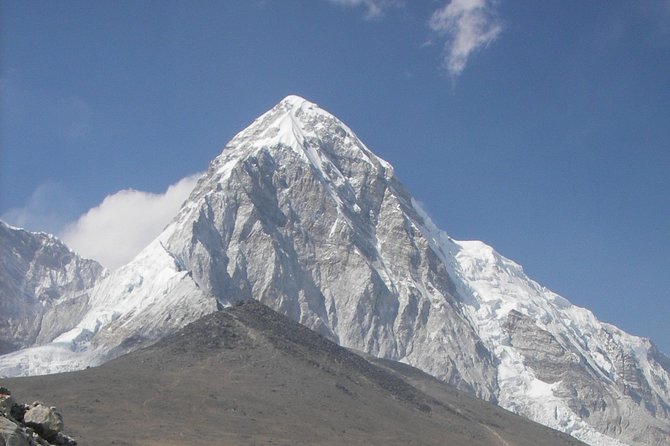
This is also a peak-list trek. Most Everest Base Camp itineraries are built around the same endpoint, but this one specifically calls out a wider set of summits you may see along the way: Mt. Everest (8,848 m), Mt. Lhotse (8,516 m), Mt. Nuptse (7,855 m), Mt. Pumori (7,161 m), Mt. Ama Dablam (6,856 m), Mt. Thamserku (6,723 m), and Mt. Kusum Kanguru (6,367 m). That matters because the Everest skyline can feel repetitive unless you know what you’re looking for.
You can also read our reviews of more tours and experiences in Kathmandu.
Kathmandu start and pickup: how the trip begins without friction
Your starting point is Kathmandu, Nepal, and pickup is offered. That’s a small line in the listing, but it’s a big deal in real life. Kathmandu logistics can be a time sink, especially on a first day when you’re still getting used to traffic, altitude in the city, and local rhythm.
The tour also includes private transportation, which usually means you’re not trying to coordinate multiple rides while you’re sorting gear, meeting your team, and handling last-minute essentials. If you’re arriving from far away, cutting friction early helps you get into trekking mode.
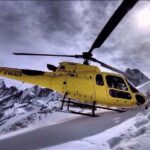
In addition, past trekkers describe the company helping with a first flight to Lukla. That’s not explicitly stated in the short tour features list, but it does show up in the experience data you provided. If your route involves getting to the trailhead by air, ask your operator to clarify the flight plan and timing early, so you’re not guessing later.
Trek pace and “moderate” fitness: what moderate really means
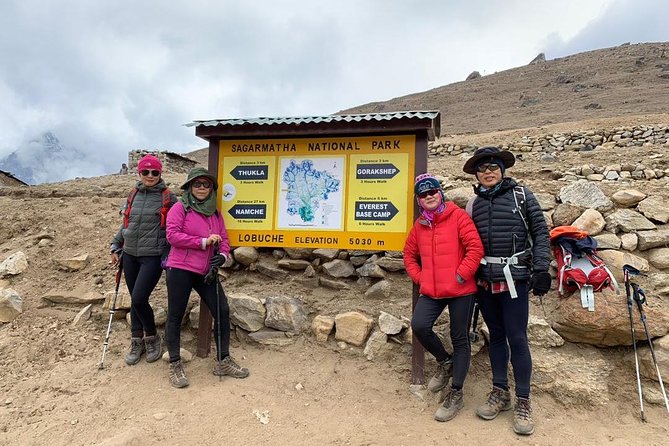
The company lists a requirement for moderate physical fitness. That phrase is helpful, but it doesn’t tell you how your body will handle altitude, long hours, and rocky steps. So here’s the practical translation: you should be comfortable walking for multiple hours per day, taking steady breaks, and handling stairs and uneven ground without needing constant rescue.
“Moderate” also tends to imply that you won’t be speedrunning. That can be good because Everest-region treks reward consistency. The reviews you shared back up this idea indirectly through guide feedback. For example, Binod Silwal is praised for maintaining a good walking pace, and that kind of pacing matters more than heroic bursts.
Still, keep one consideration in mind: even a moderate trek can feel relentless if you ignore altitude fatigue. Plan to move slowly, hydrate, and treat the first days as training for breathing—not as a competition.
Following Dudh Koshi: rhododendron days that feel more human
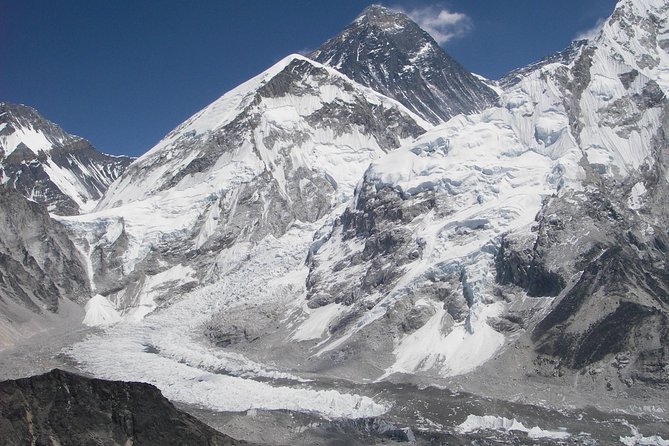
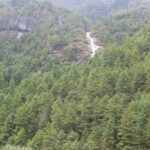
One of the most specific trek themes in the description is the walk along the Dudh Koshi stream, including trails with rhododendron blooms. That’s a big deal because rhododendron seasons can soften the experience. The colors and the gentler valley feel can make the trek feel less like “gear plus grind” and more like a real hike through living mountain country.
Along Dudh Koshi, you’ll be surrounded by movement: water noise, misty air at times, and the steady rhythm of walking with a river nearby. Even if you’re not a plant nerd, those days help break up the mental pattern of only looking up at snow.
A practical drawback you might run into on river-valley trekking is weather variability. If it rains (or the forecast turns cloudy), trail surfaces can get slick and days can feel longer. That’s not a reason to avoid the trek. It’s a reason to pack for changing conditions: layers you can add or remove quickly, and footwear that’s stable on damp ground.
Everest-area highlights: what you’re actually aiming to see
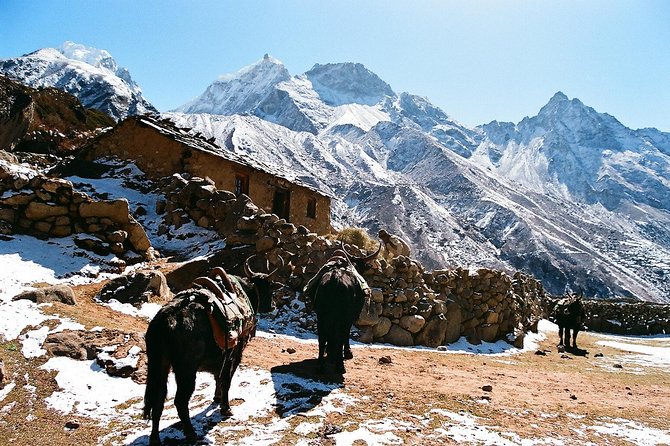
The reason people book Everest Base Camp is obvious. But the details are what make it memorable, and this trek description gives you enough to picture what to expect.
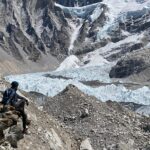
You’re going into the Everest region and pursuing a close-up look at the mountain’s scale. In the description, that includes visiting the ice sheets, icefalls, and falling cascades in the Everest area. Those visuals aren’t just impressive from a distance; they’re the kind of sights that change how you think about glaciers. Up close, they look active, fractured, and engineered by cold.
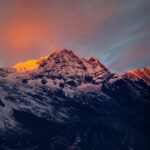
You’re also promised views of Everest and a cluster of giants around it. Mt. Everest is the headline, but Mt. Lhotse and Mt. Nuptse show up as part of the larger skyline. Mt. Pumori rounds out that classic Everest-region perspective, and Ama Dablam is specifically named as well—useful because Ama Dablam is one of the peaks many hikers remember even after the trip ends.
The practical takeaway: don’t treat the summit views like a single moment at the end. Look for the peaks on the walk days too. The longer you’re in the region, the more those shapes become familiar.
Icefall drama without the hype: how to enjoy the Everest zone safely
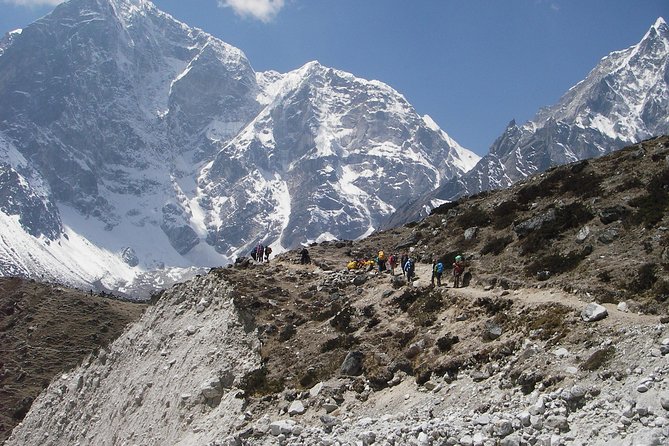
Icefalls and glacial terrain are exactly why this area feels intense. The description calls out icefalls and ice sheets, plus cascades. That combination tells you the trek isn’t just about warm tea and views—it’s about being in the environment where ice is doing its thing.
How do you enjoy that without turning it into a stress-fest? You focus on what you can control:
- Move at the pace your guide sets.
- Don’t rush viewpoints. Spend a few minutes, then keep walking.
- Keep your layers ready. Cold can sneak in, and wind near high points changes fast.
Also, ask your guide about timing. Even when the goal is the same, the experience can feel different depending on morning versus afternoon visibility. The description also notes that this experience requires good weather, and that affects what you see and how comfortable you feel moving.
Meals, huts, and budgeting: lunch and dinner are on you
Here’s the budget reality that matters for planning: dinner and lunch are not included. That means you need to decide how you’ll handle meals day by day during trekking.
Why this is more than a pricing footnote:
- You’re moving for many days, and your body wants regular energy.
- Mountain food can be limited, and menu choices can shrink as you go higher.
- If you cut too hard on calories to save money, altitude fatigue hits harder.
What I recommend is simple: keep some flexibility in your budget for hot meals and snacks. If you’re picky about food, or you know you need specific calories, plan ahead in Kathmandu so you’re not trying to solve hunger mid-trek.
As for overnight stays, the reviews you provided mention huts and recommendations by guides like Binod Silwal. That suggests the operator focuses on getting you into decent overnight options for the route. Still, because the meals list is explicit, treat food as something you’ll manage actively.
The team factor: Mani, Binod Silwal, and what good organization looks like
Good trekking isn’t only about the mountains. It’s also about the small operational details that stop your trip from feeling like chaos.
In the reviews, Mani shows up as a key organizer. People credit him and his team for planning well, communication, and support from the moment they arrive. One review also praises help with supplies and local planning.
Then there’s the guide-level detail. Binod Silwal is highlighted for professional experience, good English, helpful recommendations for food, and choosing good huts. Another name you provided is Ramechandra, praised for knowledge, connections, and support that made the journey enjoyable and safe.
You should take those names as clues for what to seek when you book:
- Ask who your guide is before you leave Kathmandu.
- Ask who your porter team is (and how the load rules work).
- Ask what they recommend for meals and snacks for the days that feel hardest.
This is a private tour, so those answers shouldn’t be generic.
Price and logistics: is $1,538.47 good value?
At $1,538.47 per person, you’re paying for the full package of getting you through a high-demand trek. The listing’s explicit “Included” item is private transportation, while dinner and lunch are not included.
So how do you judge value without getting lost in marketing?
- Look at time. A trek that runs about 15 days gives you real time in the region, which is hard to replicate with cheaper shortcuts.
- Look at labor. Even if the listing doesn’t spell it out in the features you pasted, your provided reviews talk about guides and porters being part of the experience.
- Look at organization. People praised the operator for getting flights arranged (like a Lukla flight), sourcing supplies, and handling the moving parts.
Still, you should confirm the full scope before paying. The most important checks for value are:
- What exactly your trek day structure includes (how many trekking days, rest days if any).
- Whether the route includes flights or how those segments work.
- What meal handling you should expect beyond the stated “not included” items.
If the operator can clearly explain those items, the price starts to make sense. If they can’t, you may be paying for uncertainty.
Who this Everest Base Camp trek suits best
This trek fits best if you:
- Want a classic Everest experience but prefer a moderate approach rather than a pure endurance challenge.
- Enjoy structured guiding and want less time spent on coordination.
- Want big mountain views plus walking days through rhododendron and river valleys.
It may not be the best fit if:
- You rely on meals being fully included. Since lunch and dinner are not included, you’ll need to manage food costs.
- You’re not ready for long days on foot. Moderate still means a serious body workload.
Should you book this Everest Base Camp 16-day trek?
If your priority is to reach Everest Base Camp with solid organization, a private group feel, and clear mountain focus, this is a strong option. The combination of Dudh Koshi rhododendron trekking, promised Everest-area sights like icefalls and ice sheets, and the named peak skyline gives you plenty to look forward to—not just a single destination photo.
I’d book it if you’re comfortable handling meals separately, you have moderate fitness, and you’re willing to treat weather as a real factor. With 99% recommending the trip and a 5-star rating snapshot, the operator appears consistent.
Before you lock it in, do one practical thing: ask your team to confirm how the route segments work for your dates (especially the flight plan, since some experiences describe Lukla flights), and clarify what day-to-day meal expectations look like for your specific week.
FAQ
How long is the Everest Base Camp trek?
The trek is listed as about 15 days (approximately). The experience is titled 16 days, so expect around that two-week timeframe with roughly 14 days of trekking mentioned in the overview.
Where does the tour start?
The tour is based in Kathmandu, Nepal.
Is pickup offered?
Yes, pickup is offered.
What is included in the price?
The listing shows private transportation as included.
Are lunch and dinner included?
No. Dinner and lunch are not included.
Do I need to be very athletic to do this trek?
No extreme level is stated, but you should have moderate physical fitness.
Is this a private tour or a group tour?
It’s a private tour/activity. Only your group will participate.
How does cancellation work if weather is bad?
The experience requires good weather. If it’s canceled due to poor weather, you’ll be offered a different date or a full refund.
When will I get confirmation after booking?
Confirmation will be received at the time of booking.