REVIEW · HANOI
8-Days Hanoi, Sapa Trekking And Halong Bay Cruise
Book on Viator →Operated by Realistic Asia · Bookable on Viator
Hitting Northern Vietnam in one week is a fast way to see it. This 8-day route strings together Hanoi, Sapa, and an overnight Halong Bay cruise with kayaking options, plus real time with H’mong and Dzay/Red Dzao communities. You get a mix of big monuments, old-world neighborhoods, and mountain walking that actually feels like part of the place.
Two things I really like: the day-to-day flow keeps you moving without feeling like you’re stuck on a bus all day, and the support sounds genuinely responsive, with local guides and coordinators named Edna, Evelyn, Dylan, Rosie, May, Henry, and Shadow Tran showing up in the experience. One consideration: there’s a lot of transit in a short time, and the Halong portion also depends on conditions, so weather can shift what you do on the water.
One more thing to flag: the most important sites have specific rules and schedules (like dress code and mausoleum closures), so you’ll want to plan your clothing and timing around that.
In This Review
- Key things to know before you go
- Hanoi: Arrive in the Old Quarter, Not in a Logistics Headache
- Hanoi’s Must-See Circuit: Pagodas, a Mausoleum Complex, and Paperwork Rules
- Tran Quoc Pagoda on Golden Fish Island (West Lake)
- Ho Chi Minh Mausoleum Complex (plus One Pillar Pagoda)
- Vietnam Museum of Ethnology (or Women’s Museum on Mondays)
- Temple of Literature (First University of Vietnam)
- Hoa Lo Prison: From French rule to the Hanoi Hilton era
- Halong Bay Overnight Cruise: The Real Value Is the Second Day
- Day 3: Jetty arrival, lunch on the cruise, then kayak or caves
- Day 4: Sunrise breakfast, then a slow cruise back
- Getting to Sapa by Limousine Bus: Long, but It Sets the Tone
- Y Linh Ho and Lao Chai: A 12 km Trek That Feels Like a Conversation
- Ta Van Village Overnight: The Best Kind of Cultural Exchange
- Giang Ta Chai and Su Pan: 8 km, Waterfall Views, and a Rattan Bridge
- Hanoi Re-Entry on Day 8: Markets and an Airport Transfer That Doesn’t Drag
- Price and Value: What Your $854 Covers (and What It Doesn’t)
- Who This Tour Fits Best (and Who Should Rethink It)
- Should You Book This 8-Day Hanoi, Sapa Trekking and Halong Bay Cruise?
- FAQ
- FAQ
- What places does this 8-day tour include?
- Is there an overnight on Halong Bay?
- How much trekking is included in Sapa?
- Are meals included in the tour price?
- What sightseeing tickets are covered?
- Do I need an e-visa for Vietnam?
- What should I wear for the Ho Chi Minh mausoleum complex?
- Are the Ho Chi Minh mausoleum visits always available?
Key things to know before you go
- Old Quarter base in Hanoi with door-to-door private car transfers
- Halong Bay overnight cruise with sunrise back at the port the next morning
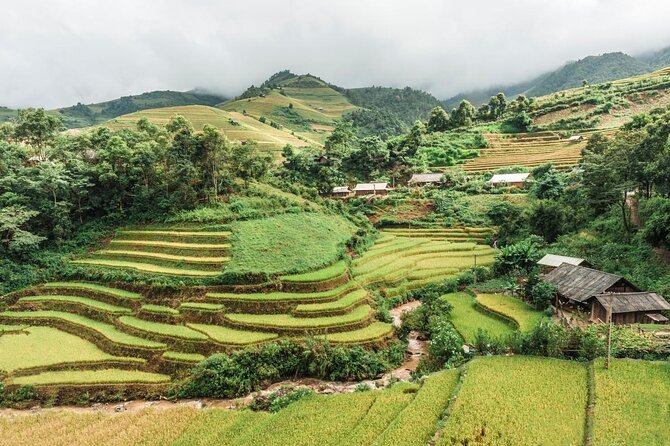
- Sapa trekking with real village stops like Lao Chai, Y Linh Ho, Ta Van, Giang Ta Chai, and Su Pan
- Local-family lunch and overnight option in Ta Van (part of the mountain rhythm)
- Small group size (max 15 people), which helps the pace feel human
- Clear practical guidance like modest dress for the Ho Chi Minh complex and solid trekking shoes
Hanoi: Arrive in the Old Quarter, Not in a Logistics Headache
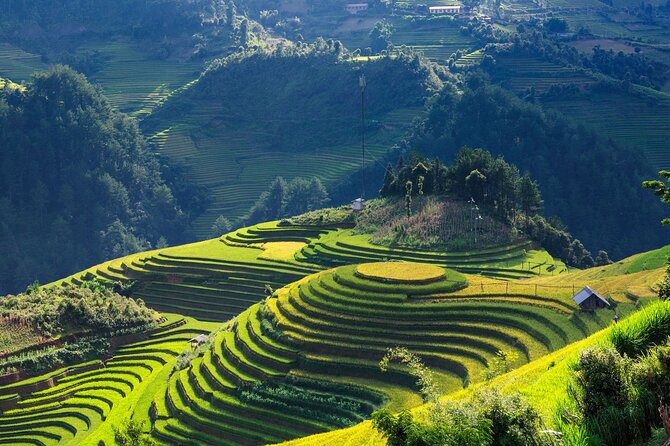
Your trip starts the easy way. On day 1, a private driver meets you at Noi Bai International Airport with your name on a sign and takes you straight to your accommodation in the Old Quarter area. That matters because Hanoi is easiest when you can step outside and orient yourself fast—tree-lined boulevards, lake walks, and quick taxi rides to major sights.
This is also a smart setup if you arrive from a long flight. You don’t burn your first afternoon hunting for a hotel or figuring out transport. You can either wander nearby streets at your own pace or just rest and reset.
A small practical point: you’ll likely be dealing with warm weather and lots of walking in the next days, so bring a hat and sunscreen early. This tour explicitly calls that out, and it’s not just “tour advice”—it’s the difference between enjoying a pagoda day and feeling cooked by noon.
You can also read our reviews of more tours and experiences in Hanoi.

Hanoi’s Must-See Circuit: Pagodas, a Mausoleum Complex, and Paperwork Rules
Day 2 is built like a classic Hanoi intro. You join the group for a focused set of historic and cultural hits, with ticketed stops and an included lunch.
Tran Quoc Pagoda on Golden Fish Island (West Lake)
You start at Tran Quoc Pagoda, located on Golden Fish Island in West Lake. It’s said to be the oldest pagoda in Ha Noi, built in the 6th century. Even if you don’t go deep into Buddhist symbolism, you’ll feel the calm here. It’s a good contrast to the busy streets nearby.
This stop also gives you a useful “Hanoi in one frame” moment: water, temples, and a city that still feels layered rather than all-new.
Ho Chi Minh Mausoleum Complex (plus One Pillar Pagoda)
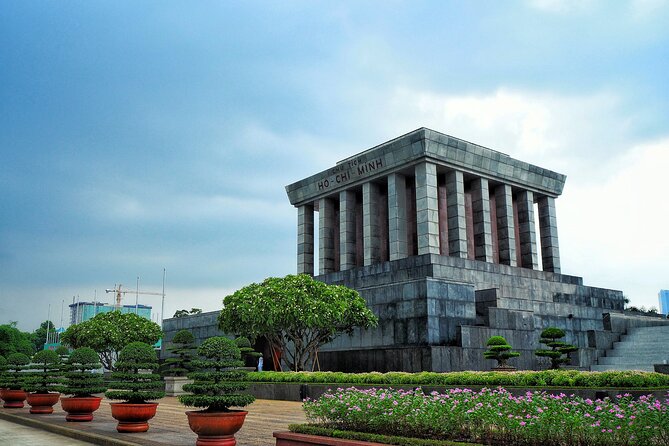
Next is the Ho Chi Minh complex. The big highlight is the embalmed body of Ho Chi Minh, plus gardens and homes where he lived and worked from 1954 to 1969. You also see One Pillar Pagoda, which people worship as the Goddess of Mercy.
Two practical realities you should treat seriously:
- Dress code matters: cover shoulders and knees for the mausoleum, temples, and pagodas.
- Opening days and seasonal closures apply: it’s closed on Mondays and Fridays, and from 15 June to 15 August for annual maintenance.
If your dates fall into a closure window, the whole feel of day 2 can shift. You’ll still visit other sites, but I’d plan your calendar so you’re not counting on the mausoleum as your one must-do.
Vietnam Museum of Ethnology (or Women’s Museum on Mondays)
Then you go to the Vietnam Museum of Ethnology to learn about Vietnam’s 54 ethnic groups. That pairs nicely with what you’ll do later in Sapa, because you’ll start to see how culture connects across regions—clothing, traditions, and community life.
There’s a detail that’s worth knowing: the museum is closed on Mondays, and if that happens it’s replaced by the Women’s Museum. That’s not a dealbreaker, but it can change the angle of the museum day.





Temple of Literature (First University of Vietnam)
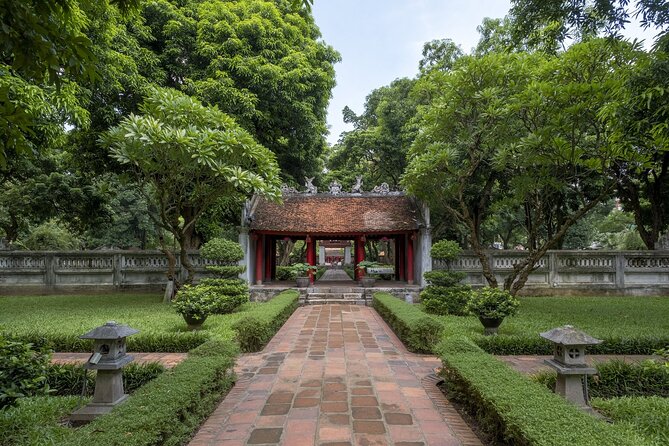
In the afternoon you visit the Temple of Literature & National University, originally established in the 11th century. This place helps you understand why Vietnam has long treated learning as a pillar of society. It’s also a pleasant pace shift from museums—more walking, more atmosphere.
Hoa Lo Prison: From French rule to the Hanoi Hilton era
Finally comes Hoa Lo Prison Museum. It began as a prison used by the French colonists for political prisoners, and later was used by North Vietnam for U.S. prisoners of war during the Vietnam War. During the later period, it became known to American POWs as the Hanoi Hilton.
This is one of those stops that makes the day feel heavier. If you’re sensitive to war-related history, go slowly, and don’t try to “power through” everything at speed.
After that, you’re back to your hotel around the late afternoon. Hanoi is best when you still have time to roam on your own—and this schedule leaves that space.
Halong Bay Overnight Cruise: The Real Value Is the Second Day
Halong Bay is often marketed as a one-day show. This plan uses an overnight cruise, and that’s where the value comes from.
Day 3: Jetty arrival, lunch on the cruise, then kayak or caves
After breakfast, you check out and leave Hanoi for Halong Bay. The cruise team meets you in the morning window, and you arrive at the jetty around noon. Then it’s boat transfer to the cruise ship.
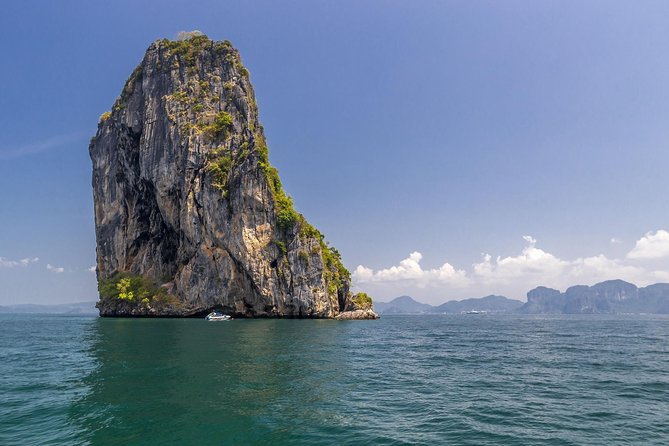
Onboard, you get a welcome, check-in, and lunch while the boat moves through the hundreds of islets. In the afternoon you can usually choose between swimming and kayaking or visiting caves—the exact mix depends on the boat’s itinerary.
What I like here is that the tour doesn’t force one single style. If you want active time, kayaking is there. If you’d rather save energy, you can use the day’s structure to rest and take in scenery.
Day 4: Sunrise breakfast, then a slow cruise back
The next morning is the other payoff. You wake to Halong early, have breakfast while the vessel cruises slowly back toward port, and enjoy an early lunch before arriving and disembarking.
You then transfer back to Hanoi, and the rest of the day is free to explore.
One honest consideration: Halong cruises can feel busy because there’s a lot of coordinated movement. The trick is to treat the day like a half-day of activities plus downtime. Don’t schedule your own extra plans right after arrival back in Hanoi—you’ll want a calm evening.
Getting to Sapa by Limousine Bus: Long, but It Sets the Tone
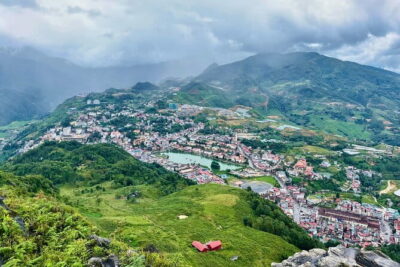
Day 5 is a big change. After an early breakfast and check-out, you take a limousine bus from Hanoi to Sapa for about 6 hours. When you reach Sapa, you’re transferred to your accommodation, and the rest of the day is free to explore the mountain town.
This “arrive and explore” structure is smarter than it looks. Sapa’s streets can be steep and a bit chaotic if you’re tired. Having a buffer day means you can wander, pick up snacks, check your trekking gear, and get used to the altitude and cool air.
If you like markets and simple street life, you’ll probably enjoy this free time a lot.
Y Linh Ho and Lao Chai: A 12 km Trek That Feels Like a Conversation
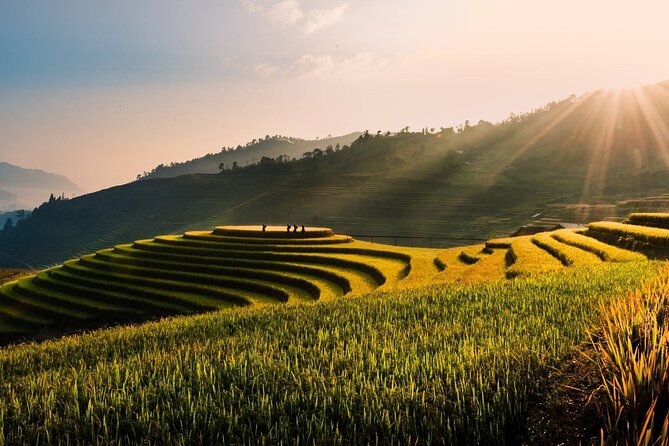
Day 6 is where your trip turns physical. After breakfast, you meet your guide around 9:30 am and start a 12 km trek to the Y Linh Ho and Lao Chai villages, home to the H’mong minority.
The pace on a trek like this is less about speed and more about rhythm. You’re walking between villages, seeing how the trail connects daily life, and learning in small moments rather than in a classroom.
Lunch is included and happens at a local family in Lao Chai or at a drinking shop nearby the river bank. That’s the kind of meal that’s more than fuel. You’re watching how people live while you eat.
A practical note: this is not a “flat city walk” day. Wear comfortable shoes, and accept that you’ll get a workout.
Ta Van Village Overnight: The Best Kind of Cultural Exchange
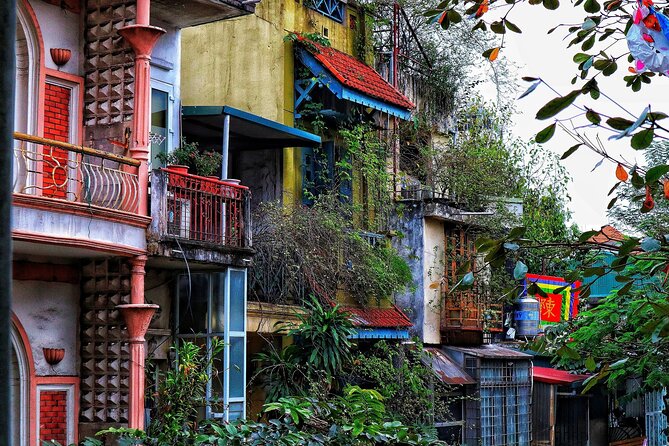
Later on day 6, you keep hiking to Ta Van village of the Dzay (sometimes spelled Dzay/Red Dzao in tour materials). Here, you stay overnight in a local family.
This is the part of the trip that many people remember because it changes how you experience the mountains. You’re not just passing through for photos. You’re there for daily life—quiet hours, routines, and the slower pace after the walking stops.
The tour wording emphasizes experiencing daily life, work, and original customs. Since specifics can vary by family, you should go with an attitude of curiosity and respect rather than expecting a scripted show.
This overnight is also a logistical reset. You sleep in the area, so day 7 feels connected, not rushed.
Giang Ta Chai and Su Pan: 8 km, Waterfall Views, and a Rattan Bridge
On day 7, you start trekking again at 9:30 am. You walk about 8 km to visit two villages of the Red Dzao and H’mong groups: Giang Ta Chai and Su Pan.
On the route, you visit a waterfall and a rattan bridge. These are the types of stops that break up the effort and make the trek feel like a journey rather than a workout.
When you reach the main road, the tour then uses a jeep return to Sapa, finishing around 3 PM. That’s a smart combo: walking to villages and viewpoints, then not forcing another long hike back.
After the trek, you head back to Hanoi by limousine bus and sleep in Hanoi again.
Hanoi Re-Entry on Day 8: Markets and an Airport Transfer That Doesn’t Drag

Day 8 is simpler: breakfast, check-out, then time for local markets for souvenirs. Later, your private driver transfers you to the airport for your flight home.
This final day is useful for two reasons:
- You get buffer time to pick up gifts without rushing.
- You don’t feel like you’re touring right up to departure.
If you’re the type who likes bargaining, market time is better earlier rather than the afternoon before your flight.
Price and Value: What Your $854 Covers (and What It Doesn’t)
At $854 per person for 8 days, this is priced like a full-service Northern Vietnam package. The biggest value isn’t just “the cities.” It’s the structure: transport, ticketed sights, and meals are bundled.
Here’s what’s included:
- All sightseeing tickets tied to the itinerary
- Door-to-door pick-up and drop-off via private car
- Limousine bus Hanoi ⇄ Sapa
- Air-conditioned transfers between Hanoi and Halong Bay (2-way)
- Air-conditioned vehicles for excursions
- Meals: 7 breakfasts, 5 lunches, 2 dinners
- Water and tissues on coach, plus 24/7 hotline support
What’s not included is also pretty standard, and you should plan for it:
- International flights (arrival and departure)
- Travel insurance
- E-visa to Vietnam
- Beverages, personal expenses, and tips/gratuities
- Any surcharges tied to public holidays or specific gala dinners on certain dates
A practical budgeting tip: bring cash for small purchases (snacks, drinks, and whatever you find at markets). Since beverages aren’t included, that’s an easy line item to underestimate.
Also, note that the tour is non-refundable and not changeable for any reason, which you should treat as a real risk if your schedule is tight. The plan does say poor weather can trigger a different date or a full refund, but don’t assume weather changes will always save you.
Who This Tour Fits Best (and Who Should Rethink It)
This experience makes sense if you want a compact Northern Vietnam hit with guided structure plus room to wander. It also fits you if you like a mix of history and hands-on nature time.
You’ll probably enjoy it most if:
- You’re okay with long days of movement (Hanoi ⇄ Halong ⇄ Sapa)
- You can handle moderate trekking (12 km, then 8 km)
- You like meeting locals in villages like Lao Chai, Ta Van, Giang Ta Chai, and Su Pan
- You prefer guided learning for major sights like Temple of Literature and Hoa Lo Prison
You may want to rethink it if:
- You’re extremely sensitive to war history, since Hoa Lo Prison is included
- You want lots of downtime and very light walking
- Your dates fall during mausoleum closures or a museum closure window, since that changes which sites you see
Should You Book This 8-Day Hanoi, Sapa Trekking and Halong Bay Cruise?
If you want one trip that connects city culture, World Heritage scenery, and mountain village life, I’d take a close look. The overnight Halong Bay cruise is a strong choice, and the Sapa trekking sections are where this tour stops feeling generic.
I’d book if you’re comfortable with a packed schedule and you’re ready for the trekking days. The included support, ticketing, and meals reduce the usual Northern Vietnam “admin work,” so you can focus on the sights and the walking.
I’d hesitate if your travel dates are fixed and non-refundable risk is a concern, or if you’re not feeling confident about 12 km and 8 km trekking on mountain terrain. In that case, compare with a version that has fewer walking days or more free time between transfers.
FAQ
FAQ
What places does this 8-day tour include?
It covers Hanoi, Halong Bay, and Sapa, with an overnight Halong Bay cruise and village trekking around Sapa.
Is there an overnight on Halong Bay?
Yes. You cruise through the day and anchor overnight, then return toward port the next morning.
How much trekking is included in Sapa?
The tour includes a trek of about 12 km (Y Linh Ho and Lao Chai) and another trek of about 8 km (Giang Ta Chai and Su Pan).
Are meals included in the tour price?
Yes. The package includes 7 breakfasts, 5 lunches, and 2 dinners.
What sightseeing tickets are covered?
All sightseeing tickets listed in the itinerary are included.
Do I need an e-visa for Vietnam?
The tour notes that e-visa to Vietnam is not included.
What should I wear for the Ho Chi Minh mausoleum complex?
You should dress modestly and cover your shoulders and knees when visiting the Ho Chi Minh mausoleum complex, temples, and pagodas.
Are the Ho Chi Minh mausoleum visits always available?
No. It is closed on Mondays and Fridays, and it also closes from 15 June to 15 August for annual maintenance.
If you tell me your travel month and fitness level for trekking, I can help you judge whether this pacing will feel great or a bit intense.