REVIEW · CHIANG RAI
1 Day trekking : Chiang Rai popular activity,Fun in Nature.
Book on GetYourGuide →Operated by Chiang Rai Lanna Tours · Bookable on GetYourGuide
Bamboo, hot springs, and hill tribes in one day. What I like most is how hands-on the day feels, especially the bamboo cooking lunch where you cook with firewood in a local family-style kitchen. I also love the small group size, which helps the guide keep things friendly and clear. The main drawback to consider is the hiking: you’re looking at about 5 hours of walking, so you’ll want a moderate fitness level and good shoes.
You’ll start in town with an English-speaking local guide (often someone lively like Kai), then head by car or pickup toward Lam Nam Kok National Park. The route mixes forest and bamboo paths, hill-tribe village visits, a tea stop, and a swim at Huay Kaew waterfall, before finishing with a hot spring bath to loosen up. If you’re heat-sensitive, pack smart and move at the pace the guide sets.
In This Review
- Key Things You’ll Remember
- From Town Pickup To Lam Nam Kok: The Start That Sets the Tone
- A practical note on timing
- Hill-Tribe Villages on Foot: Lisu, Chinese, Akha, and Lahu Stops
- Lisu village: where the walk turns into a story
- Chinese village and the tea connection
- Akha and farm land views
- Lahu village and the last village chapter
- Huay Kaew Waterfall and Swimming: Cool Break, Real Nature
- Expect changing conditions
- Bamboo Cooking Lunch: The Best Reason to Choose This Tour
- What I’d do to make this part enjoyable
- Hot Spring Bath Finish: A Recovery Moment That Actually Helps
- Bring a towel mindset
- Price and Value: Why $59 Can Make Sense Here
- What to Pack (So the Day Feels Fun, Not Frustrating)
- Quick mindset tips
- Who This Tour Fits Best (And Who Should Skip It)
- Should You Book This 1-Day Chiang Rai Trek?
- FAQ
- Where is pickup in Chiang Rai, and when does it start?
- How long is the hike?
- Is lunch included, and will I cook it?
- Can I swim at Huay Kaew waterfall, and is there a hot bath?
- How many people are in the group, and what languages are used?
- What should I bring for this trek?
- Who should not book this activity?
Key Things You’ll Remember
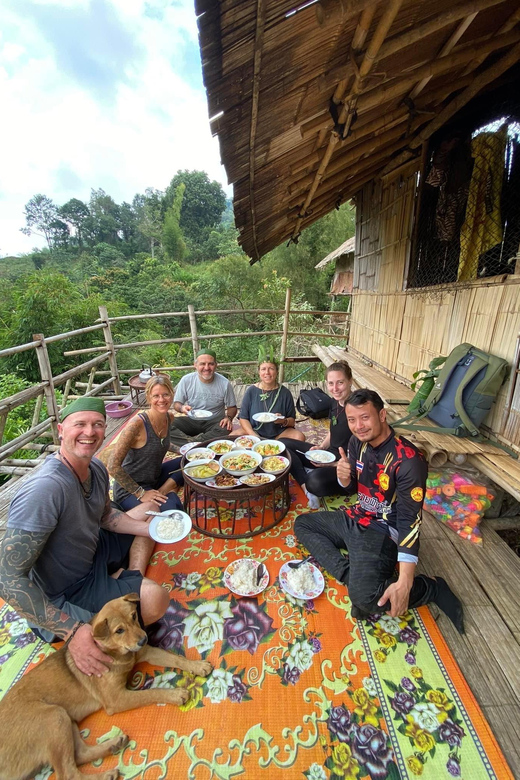
- Firewood lunch in a bamboo hut with a real kitchen setup (no LPG)
- Forest-to-village walking through Lisu, Chinese, Akha, and Lahu communities
- Huay Kaew waterfall swim plus time to cool off and take photos
- Tea plantation stop that breaks up the hike with a slower pace
- Hot spring hot bath included at the end for recovery
- Small group up to 8 with an English/Thai guide and safety briefing
From Town Pickup To Lam Nam Kok: The Start That Sets the Tone
This is a true “out of town and into nature” day. Pickup starts in Mueang Chiang Rai around 9:00 am. Your guide may be a little later than exactly 9:00 if they’re picking up guests from multiple hotels, so I’d aim to be ready right at the start time. The good news: pickup is focused on hotels not far from downtown (within about 5 km), so you’re not spending half the morning stuck in traffic.
Then it’s transport by car or pickup truck to the trekking area in the Lam Nam Kok National Park region. That ride matters more than you might think. You’re not just getting to the trailhead; you’re shifting from city life into a slower rhythm, with forests and villages becoming the main “timeline” of your day.
What makes the start feel smooth is the guide’s role. You get a safety briefing, and you also get explanations as you go—about plants, village life, and what you’re seeing along the way. That’s the difference between walking through scenery and actually understanding it.
You can also read our reviews of more tours and experiences in Chiang Rai.
A practical note on timing
The day runs long enough that you’ll want to treat it as your main activity, not a quick half-day. Between transfers, village visits, lunch cooking, and waterfall time, the total walking portion is about 5 hours, but the full experience is longer.
Hill-Tribe Villages on Foot: Lisu, Chinese, Akha, and Lahu Stops
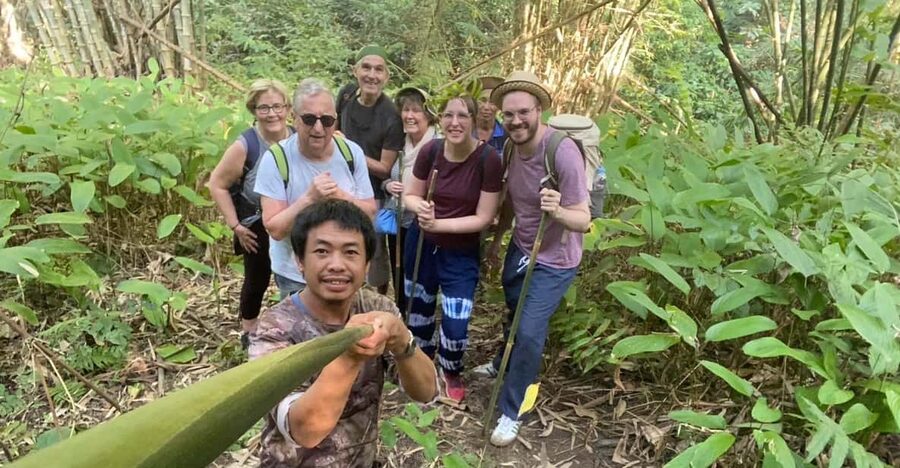
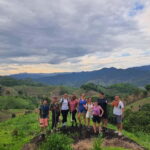
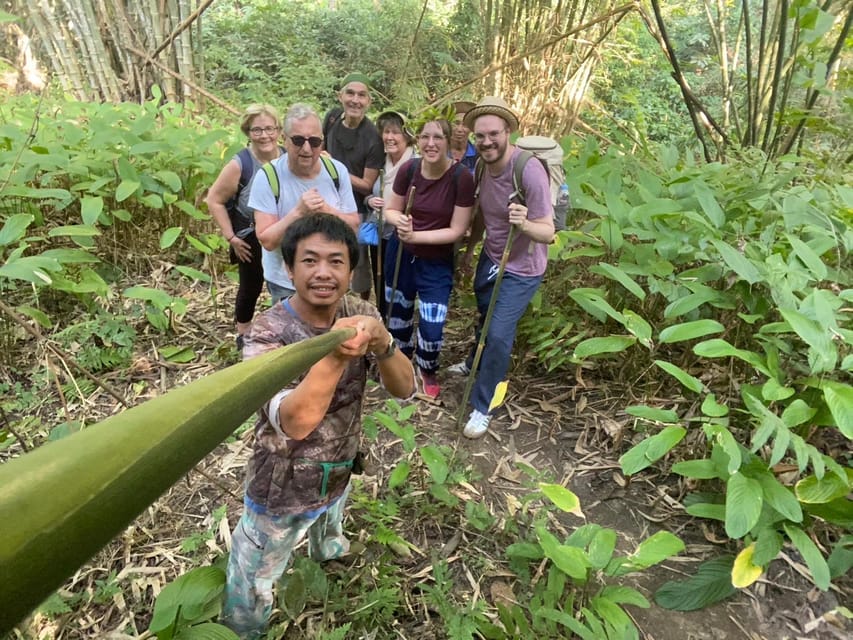
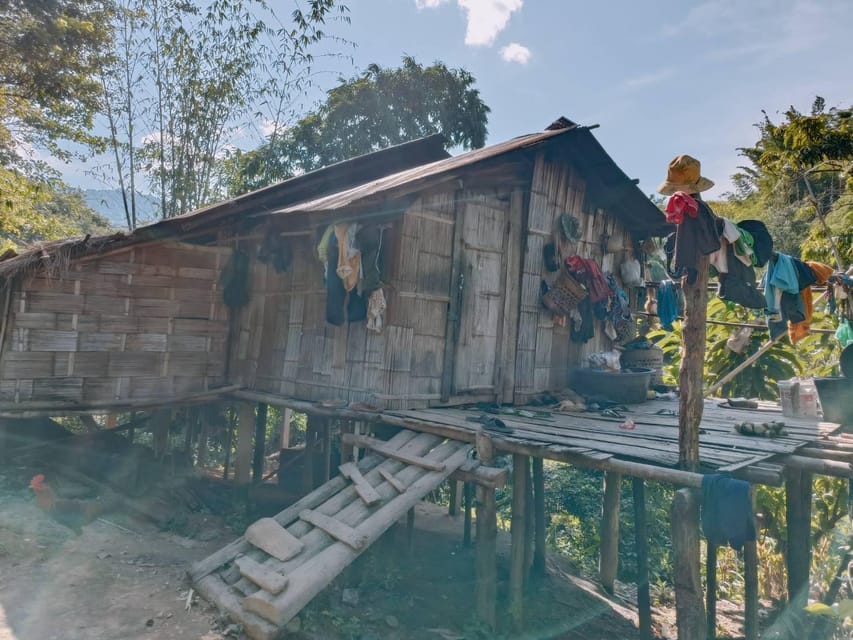
The heart of the trek is moving on foot between communities. The route takes you through Lisu village, Chinese village, Akha village, and Lahu tribe village—with forest and bamboo paths connecting each segment. This is the kind of itinerary where your feet do the traveling, so each stop feels like a small chapter rather than a rushed photo stop.
Lisu village: where the walk turns into a story
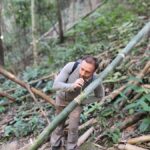
You start walking from the hot spring area and pass through forest and bamboo forest toward the Lisu village. This is often where you’ll notice the guide’s style most clearly. One reason the reviews land so well is the way the guide explains what you’re looking at—plants, everyday details, and how people live. It’s not just a checklist stop; you’re guided into understanding.
Chinese village and the tea connection
Next comes the Chinese village and then a tea plantation. Even if you’re not a tea superfan, the setting makes it interesting: the plantation break is a natural pause in the day. It gives your legs a moment to reset while the guide can talk about cultivation and how tea fits into local life.
Akha and farm land views
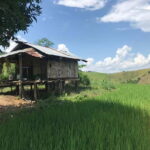
The Akha village stop includes time passing farm land and taking in beautiful scenery. It’s a good moment to slow down, breathe, and check your gear. If you’ve ever felt like trekking days are too intense from the jump, this portion often feels like the right balance.
Lahu village and the last village chapter
The Lahu tribe village comes later in the loop, and by then you’ll be warmed up to the flow: walk, learn, pause, then move again. This stage often gives you the clearest sense that the day isn’t just about getting to one waterfall—it’s about understanding a whole human landscape of villages, food, and daily rhythms.
Huay Kaew Waterfall and Swimming: Cool Break, Real Nature
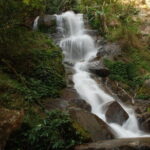
One of the biggest reasons people love this trek is the swim time at Huay Kaew waterfall. It’s described as the second largest waterfall in Chiang Rai, and that size matters. You get more than a quick dip—you get a genuine chance to cool off and enjoy the water as part of the experience, not just a photo moment.
You also get a safety briefing, which is smart. Waterfalls can look inviting even when footing is tricky. I’d treat the swim as a bonus, not a must-do—go in carefully, watch where you step, and follow the guide’s lead.
Expect changing conditions
Water conditions and how slippery areas feel can vary day to day. That’s why bringing the right gear is important (more on that below). If you want to enjoy the swim without stress, plan for wet time: towel, change of clothes, and shoes that can handle water or careful footing.
Bamboo Cooking Lunch: The Best Reason to Choose This Tour
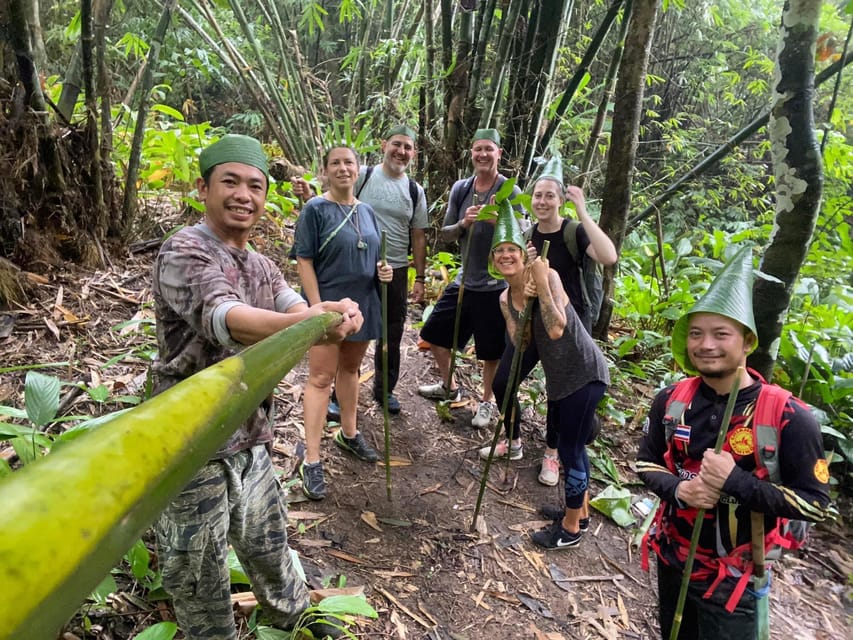
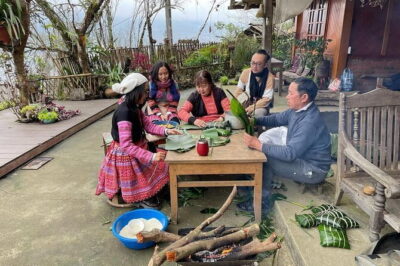
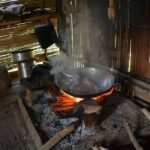
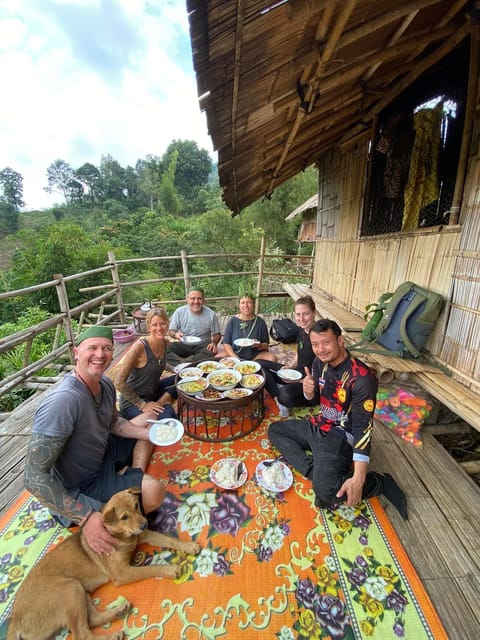
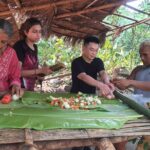
Lunch is one of the standouts of this experience because it’s not just “eat and go.” You cook with your guide in a hill-tribe bamboo hut, using a traditional kitchen setup where food is cooked with firewood and not LPG. That detail is huge. It changes the whole feel of the meal: it’s slower, more hands-on, and more connected to how people actually prepare food.
In the kitchen, you’ll experience what local daily life can look like—simple tools, a different cooking rhythm, and the sense that this food is made for families, not tourists. That’s why people highlight the lunch as excellent and memorable. One guest even mentions receiving a small attention like a bamboo cup, which fits the “small gestures, real hospitality” vibe of the day.
What I’d do to make this part enjoyable
If you’re the type who gets self-conscious during cooking, you don’t need to be. The setup is informal and guided. Just come with an open mind, be ready to get a little close to the firewood cooking process, and wear clothes you don’t mind getting warm or a little messy.
Also, plan for it to be warm. Even if the jungle air feels cool, cooking and time near a hot kitchen adds heat. Comfortable clothes and a towel are your friends.
Hot Spring Bath Finish: A Recovery Moment That Actually Helps
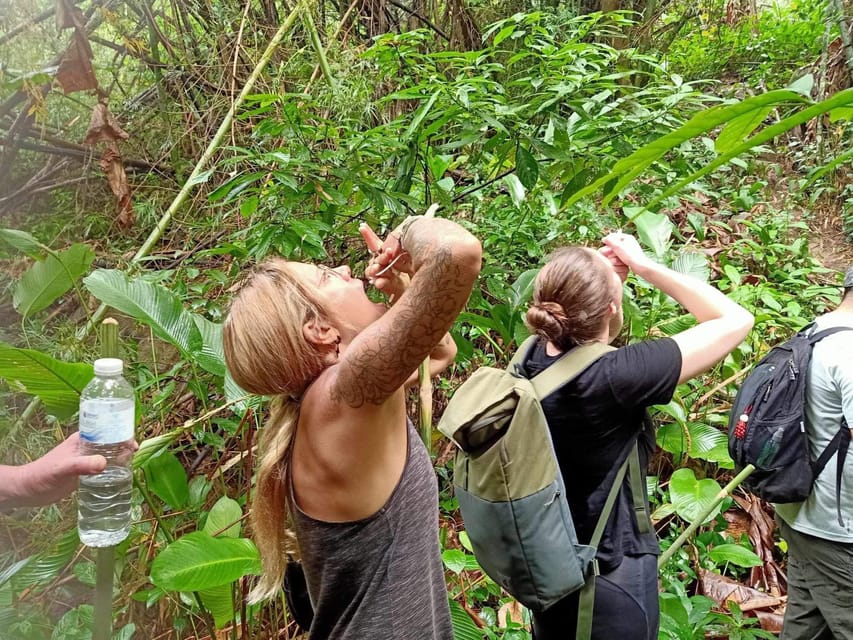
After the walking loop and the waterfall break, the day finishes with a hot spring soak. A hot bath is included, and that matters because your legs have been working for hours—forest paths, bamboo sections, and uneven ground.
This end-of-day stop also gives the day a natural “reset.” Instead of pushing straight back into travel fatigue, you wind down first. The effect is practical: you’ll likely feel less stiff on the ride back to town.
Bring a towel mindset
Even though a bath is included, you should still bring what you can dry off with easily. A towel is specifically listed for a reason. Also, pack a change of clothes—because hot bath time usually means you’ll want to cool off and get comfortable after.
Price and Value: Why $59 Can Make Sense Here
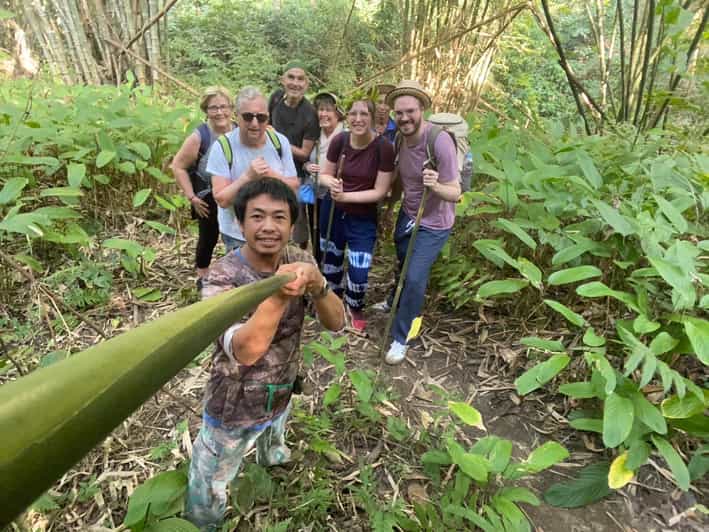
At $59 per person, this tour doesn’t look like a bargain on paper until you list what you get. You’re paying for:
- Transportation out to the trekking area
- A native English-speaking local guide (English and Thai supported)
- A group experience limited to 8 participants
- Lunch plus the chance to cook with the guide
- Drinking water
- Hot bath at the hot spring
- Insurance
For a 1-day experience that blends guided interpretation, multiple village visits, cooking, and a waterfall swim, the value comes from “service density.” In other words, you’re not just paying for access to a trail—you’re paying for someone to handle timing, safety, and explanations so you can focus on enjoying the day.
If you tried to DIY this route on your own, you’d spend time figuring out transport, local permissions, language support, meal logistics, and safety. This tour packages that into one price, and the small group size helps keep it personal.
What to Pack (So the Day Feels Fun, Not Frustrating)
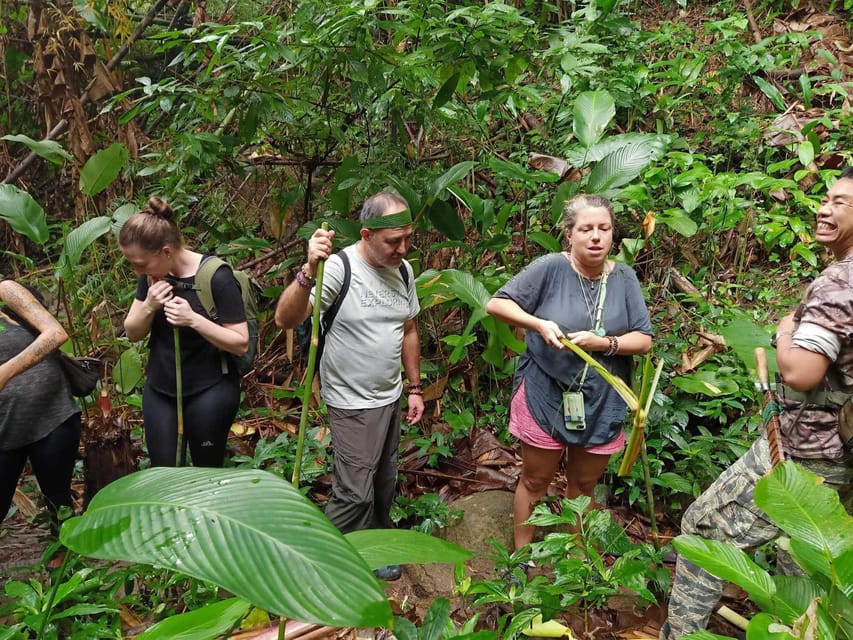
This trek can be a great day outdoors if you come prepared. Here’s what you should bring based on what’s recommended:
- Hiking shoes (important for footing)
- Long pants and comfortable clothes
- A change of clothes for after the hot spring and any swim time
- Towel
- Sunscreen (the walk includes outdoor sections)
- Camera
- Cash (handy for small purchases or personal needs)
- Hiking pants if you prefer them over regular long pants
Quick mindset tips
- Wear clothes you don’t mind getting warm or damp.
- Plan for the day to involve mud or wet spots at some point.
- If you’re sensitive to heat, bring sunscreen and take breaks when the guide calls them.
Who This Tour Fits Best (And Who Should Skip It)
This is a moderate hiking day (about 5 hours of walking), so it fits best when you:
- Enjoy nature trails and don’t mind moving at a steady pace
- Want a guided view into hill-tribe life rather than just landmarks
- Like hands-on food experiences, especially cooking in a local setting
- Prefer a small group where you can ask questions
It may not be suitable if you’re:
- Under 8 years old
- Have high blood pressure
- Hearing-impaired
- Over weight limits listed (not suitable above 130 kg / 287 lbs and 140 kg / 309 lbs depending on the condition stated)
- Traveling with babies under 1 year
If you’re unsure, I’d treat the hot spring and waterfall parts as icing, not pressure. The main value is the guided walk and village learning. If your health or mobility limits make long walking uncomfortable, consider a gentler option.
Should You Book This 1-Day Chiang Rai Trek?
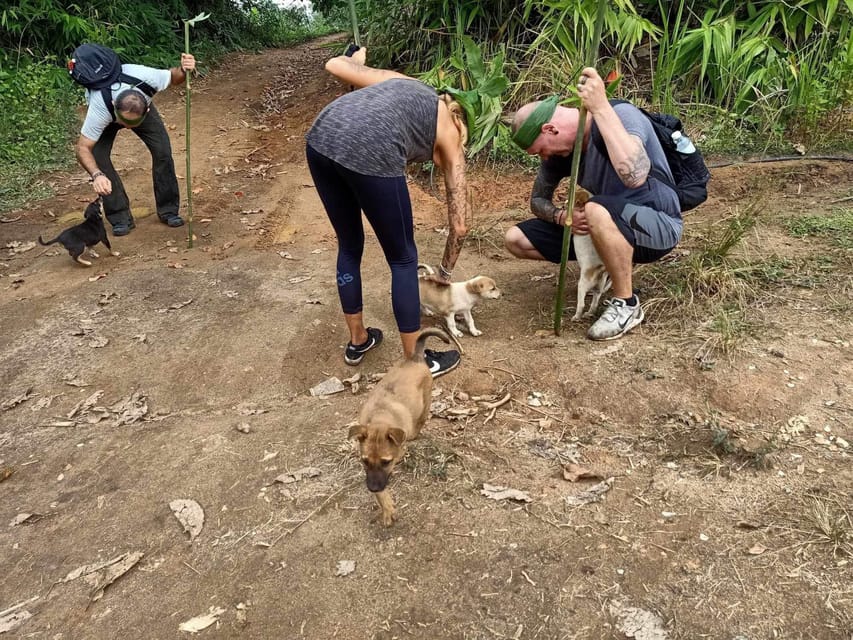
Book it if you want a day that feels more like meeting people and learning along the way than checking off sights. The tour’s biggest strengths are the small-group guide experience, the hands-on firewood bamboo cooking lunch, and the chance to swim at Huay Kaew waterfall, followed by a hot spring bath.
Don’t book it if you’re not comfortable with a long walking day (around 5 hours) or if health conditions listed make hiking a bad idea for you. And do book it with the right expectations: this is active, outdoorsy, and nature-first.
If that sounds like your kind of Chiang Rai day, this one is worth putting on your short list.
FAQ
Where is pickup in Chiang Rai, and when does it start?
Pickup starts from hotels in Mueang Chiang Rai around 9:00 am. Pickup can be a little late if the guide needs to pick up guests from several hotels, so you should be ready at the scheduled time.
How long is the hike?
You can expect about 5 hours of walking in total. The day also includes village visits, lunch, and time at the waterfall and hot spring.
Is lunch included, and will I cook it?
Lunch is included, and you’ll enjoy cooking with your guide in a hill-tribe bamboo hut using firewood (no LPG). You’ll eat what you help prepare.
Can I swim at Huay Kaew waterfall, and is there a hot bath?
Yes. Huay Kaew waterfall is part of the day and includes time for swimming. A hot bath at the hot spring is also included.
How many people are in the group, and what languages are used?
The group is small, limited to 8 participants. The guide provides live commentary in English and Thai.
What should I bring for this trek?
Bring change of clothes, a towel, camera, hiking shoes, sunscreen, comfortable clothes, long pants, and cash. Hiking pants can also help.
Who should not book this activity?
It’s not suitable for children under 8, people with high blood pressure, hearing-impaired people, and babies under 1 year. There are also weight limits listed in the activity details.