REVIEW · SA PA
SAPA: 1-DAY TREKKING TOUR WITH LOCALS, LUNCH & RICE FIELDS
Book on GetYourGuide →Operated by VietNam Venture · Bookable on GetYourGuide
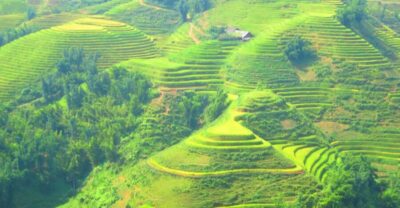
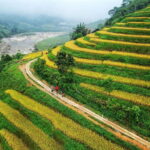
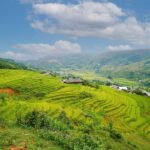
Rice terraces start right inside the cloudline. This Sapa trek is interesting because you walk real village paths while learning how locals farm and make textiles, and you get a homemade lunch that feels like part of someone’s day, not a set menu. I also love the Black Hmong rice-terrace views right away, before the crowds even think about showing up. One thing to plan for: the terrain is moderate but can be steep and muddy, so your shoes matter.
I like that the tour leans on local people and small-group pacing. In reviews, guides like Linh (and her family) adapt the route to your style, and when rain turns the trail into slip-and-slide territory, they may hand out Wellington boots to keep you moving.
There’s also a cultural rhythm here: village farming, an indigo dyeing stop, then a calmer afternoon with the Giay community in Ta Van. The only catch is timing—your itinerary notes both a day-trip style route and a version that includes an overnight homestay—so confirm the exact format before you go.
In This Review
- Key highlights worth your attention
- Starting at Sapa Stone Church and heading into the valley
- Y Linh Ho: Black Hmong rice terraces and the textile work behind indigo
- The middle of the trek: villages, fields, and how your pace changes the day
- Lao Chai lunch by Muong Hoa: stilt houses, simple comfort, and real hospitality
- Ta Van afternoon: meeting the Giay people and slowing down
- Transport back to Sapa: when the trek ends and town life returns
- Small-group trekking with locals: what you gain (and what you give up)
- Price and value: how $20 fits a guide-led, lunch-included trek
- Rain, mud, and the gear that keeps you happy
- Who should book this Sapa trek, and who should skip it
- Should you book this trek?
- FAQ
- How long is the trek?
- Where do I meet the guide?
- Which villages are included on the route?
- What language support do I get?
- What’s included in the price?
- What should I bring for comfort and safety?
- Is it suitable for everyone?
Key highlights worth your attention
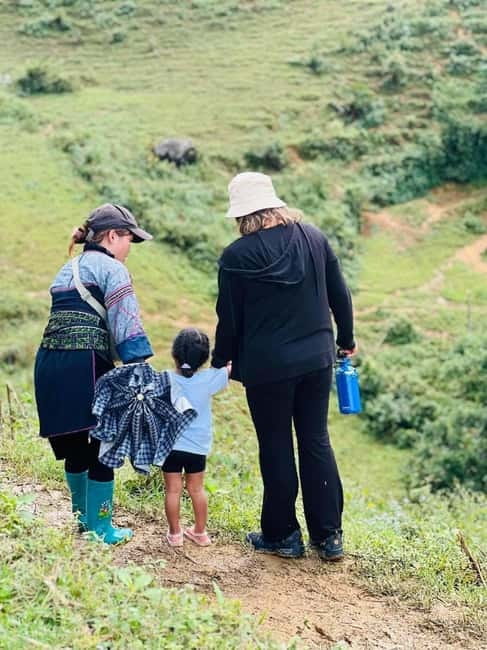
- Y Linh Ho rice terraces: steep terraced hillsides and mountain views from the first stretch
- Indigo dyeing knowledge: you’ll learn how traditional Hmong textiles are made (not just see them)
- Lao Chai lunch by Muong Hoa: homemade food served with valley views from a stilt house
- Ta Van with the Giay: a slower village feel, away from the busiest tourist lanes
- Local, English-speaking guidance: guides such as Linh help shape the day, and they adjust the route when needed
- Weather-ready planning: mud and rain are common enough that Wellington boots are sometimes offered
Starting at Sapa Stone Church and heading into the valley
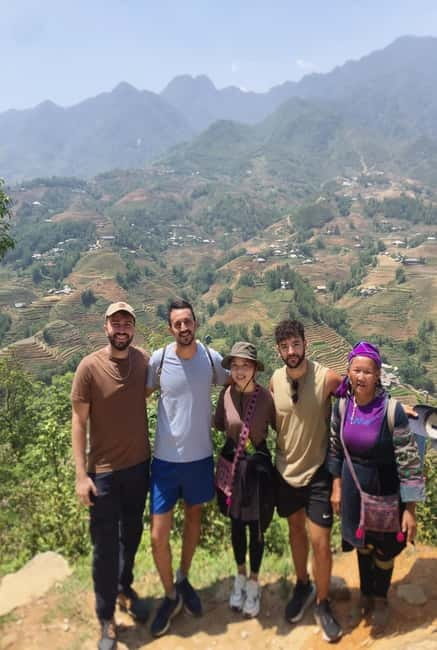
Most days kick off around 9:00 AM at Sapa Stone Church in town. From there, you take a short 30-minute drive down into the valley area, where the trek begins. That transfer matters. It saves your energy for walking the terraces and village paths, instead of spending the morning bouncing around while you’re still fresh.
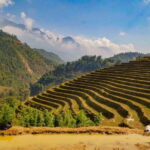
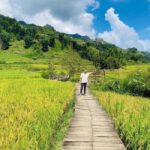
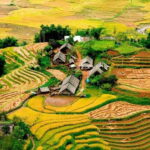
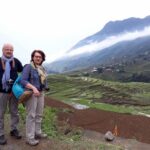
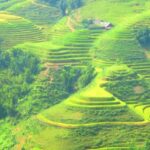
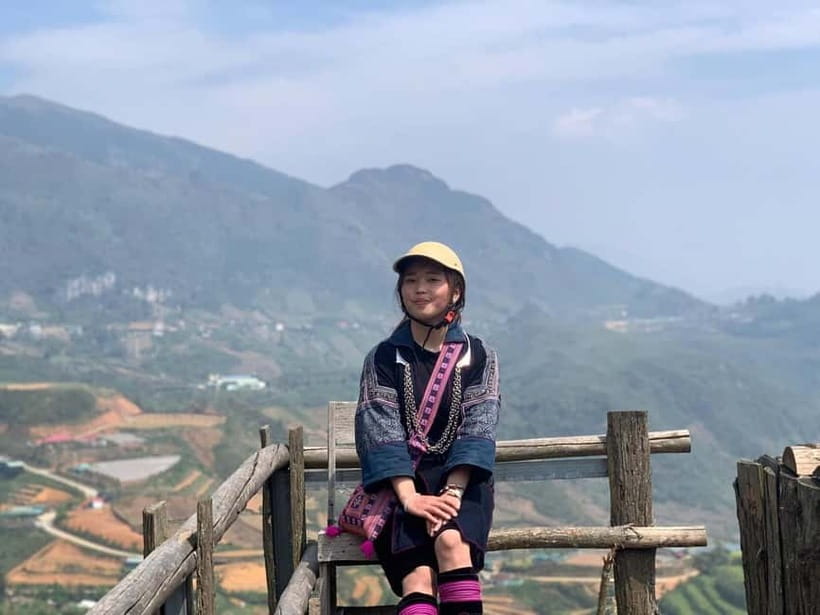
Once you’re dropped near Y Linh Ho, the scenery starts working immediately: tall mountains, terraced rice fields, and small footpaths that feel like they were built for daily life, not sightseeing. This is where you start to understand why this route gets recommended by people who like “walk with locals” trips—because you’re not only looking at geography, you’re moving through it the way villagers do.
If you’re the type who gets stressed when plans are strict, the small-group format helps. The day is structured, but guides can adapt to how the group is feeling, especially if weather slows things down.
You can also read our reviews of more tours and experiences in Sa Pa.
Y Linh Ho: Black Hmong rice terraces and the textile work behind indigo
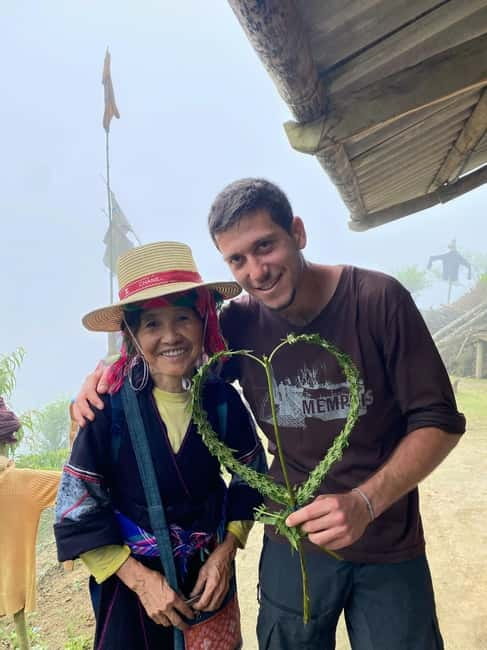
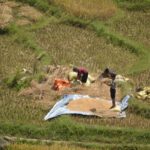
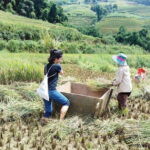
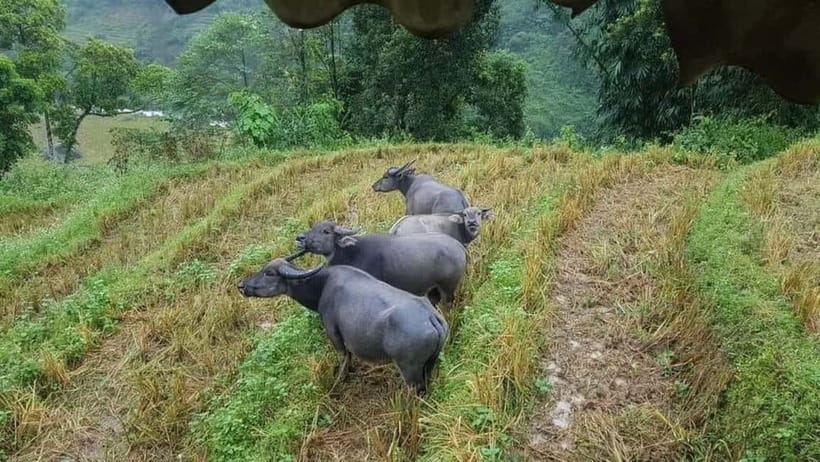
The first major village on your path is Y Linh Ho, home of the Black Hmong. This stop isn’t just about pretty fields. You’ll walk through steep, terraced hillsides where rice farming has shaped daily routines for generations.
What I like most here is the way the tour ties the view to work. You’ll see how rice farming works on slope-heavy terrain, then you’ll get cultural context on traditional textiles. The plan includes learning about ancient indigo dyeing techniques used in Hmong clothing. That detail is genuinely useful because it gives you something practical to look for: the cloth isn’t just decoration—it’s craft, labor, and identity.
Also keep an eye on your footing. Early in the walk, the trail can feel challenging even for people who are “moderately fit.” In wet conditions, packed dirt can turn slick quickly. One of the best value add-ons you can bring is a pair of trekking shoes that grip well, plus extra socks if you tend to get cold feet.
The middle of the trek: villages, fields, and how your pace changes the day
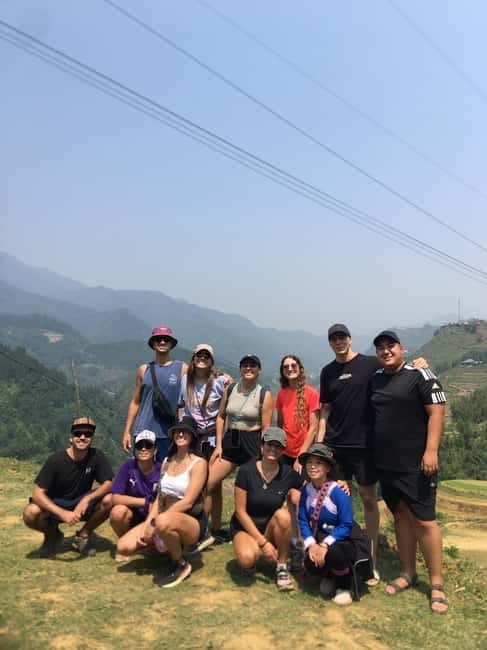
After about 3 hours of trekking, you reach Lao Chai, a village tucked beside the Muong Hoa River. The timing matters: by the time you arrive, you’ve done enough walking to earn a proper break, but you’re still in full view-mode—valley panoramas open up and the day shifts from “walking challenge” to “slow and enjoy.”
Along the way, you’ll pass through quieter stretches—open rice fields and sections described as bamboo forest or farmland paths. Those sections are where the trek feels most like a local walk. You’re not just moving from landmark to landmark. You’re crossing the kinds of routes people use to reach fields, houses, and community spaces.
One practical tip: if you want more active walking, tell your guide early. In reviews, Linh has adjusted routes to match what the group wanted—more adventure if you’re up for it, or easier paths if you need to conserve energy. That’s a real advantage of a local-guided format, and it can turn the day from “okay trek” into “exactly my speed.”
Lao Chai lunch by Muong Hoa: stilt houses, simple comfort, and real hospitality
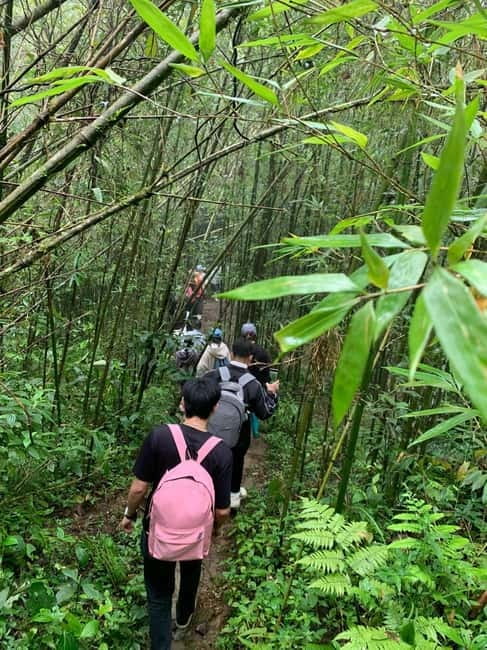
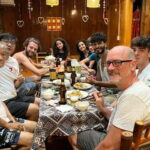
Lunch is a core part of this experience, not a short stop. In Lao Chai, you’ll enjoy a homemade lunch in a traditional stilt house with sweeping views over the valley. Even if you’re not usually “into food moments” on tours, this matters because it’s one of the few times you sit down at the pace of the hosts.
The stilt-house setup also gives you a better sense of how people live with their environment. You’re literally eating above ground-level, in a space designed for the local weather and terrain. The tour includes the traditional lunch in the house, so you’re not scrambling for food options once you’re tired.
What to expect with drinks: additional drinks during lunch are not included. So if you rely on bottled water or prefer something specific to sip, plan for that cost.
And yes, rain can change everything. When the trail is muddy, being fed well inside a warm family setup is a big morale boost. Reviews mention muddy conditions during rainy stretches, and families sometimes help you stay comfortable with what they have on hand.
Ta Van afternoon: meeting the Giay people and slowing down
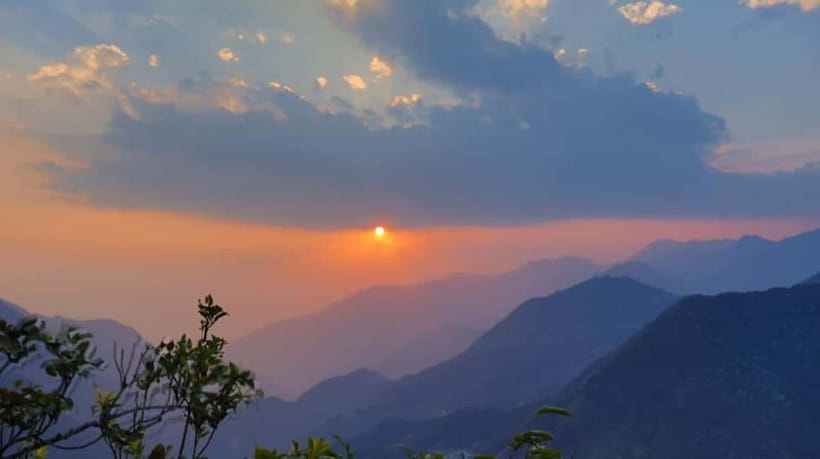
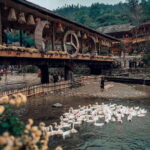
In the afternoon, the route continues through peaceful paths and fields, then brings you to Ta Van village, home of the Giay community. This part of the day is often calmer. The focus shifts from farming scenery toward village life and the way community spaces work at a human scale.
Here’s what makes Ta Van valuable: it’s described as a place away from busy tourist routes. You’re not just checking boxes—you’re seeing how another ethnic minority group lives, with a different rhythm than the morning village.
In reviews, you’ll also see how families treat guests like people, not objects. Names that come up include Lala and her family. Some guests describe karaoke and singing as part of the warm evening atmosphere, and that’s consistent with what you’d hope for from a homestay-style cultural trek.
Important note from the details you were given: the package information includes homestay language and also calls the experience 2 days, 1 night in one place, while the route description reads like a same-day return. Before you book, confirm whether you’ll sleep in the village and on what night. Don’t assume.
Transport back to Sapa: when the trek ends and town life returns
After finishing in Ta Van, the tour includes transport back to Sapa town. The key practical point: you don’t have to solve the logistics yourself after the trek. When you’re tired—legs done, shoes wet, head foggy from mountain air—having that pickup is part of the value.
In terms of timing, if your itinerary version includes an overnight homestay, your return day will obviously be different. Either way, plan for one day where your energy is better spent on walking and talking than on trying to navigate routes on your own.
Small-group trekking with locals: what you gain (and what you give up)
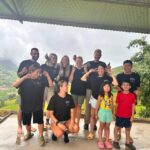
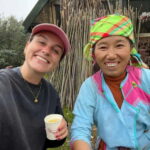
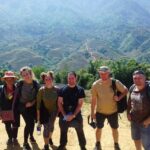
This is a small-group experience, and that changes the whole feel. You get an actual interaction with guides and hosts instead of watching life happen behind a bus window. In reviews, guides such as Linh are described as kind and helpful, and they know the area well enough to modify routes to match your preferences.
What you give up is total spontaneity. This is still an organized tour. You’ll follow the route through Y Linh Ho → Lao Chai → Ta Van, and the tour includes the activities listed. You can influence the pace, but you won’t completely rewrite the day.
If you want the kind of travel where you ask questions, watch how people do daily tasks, and then take a slow breath with lunch in a family house, this structure works.
Price and value: how $20 fits a guide-led, lunch-included trek
The stated price is $20 per person, which is strikingly low for a trek that includes several things you’d otherwise pay for separately: an English-speaking local guide, entrance fees, transport to and from Sapa, and a traditional lunch in a local house.
A good way to judge value is to compare what you’re not paying for:
- You’re not hiring your own driver for the valley access.
- You’re not paying separately for village access/entry.
- You’re not buying lunch at the end of a hard walk.
What can add cost: personal expenses and additional drinks during lunch. If you need bottled water, snacks, or you plan to buy textiles/souvenirs, budget a bit extra.
One more detail from the offer: there’s a mention of a discounted price for doing the next trip to Cat Ba Island or the Ha Giang Loop. If you’re already thinking about extending north Vietnam, that can turn this from a one-off trek into part of a smarter overall plan.
Rain, mud, and the gear that keeps you happy
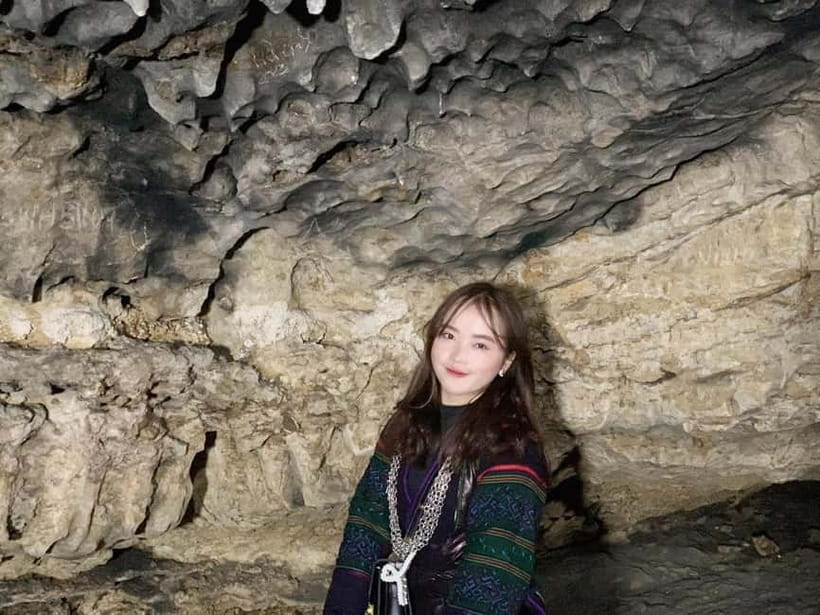
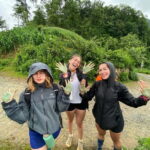
This trek can get muddy. Reviews mention muddy paths due to continuous rainfall, and guests were even offered Wellington boots at the start. That’s helpful, but it shouldn’t be your only safety plan.
Bring:
- Comfortable trekking shoes
- A light raincoat or jacket
- Sunscreen, a hat, and sunglasses
- Mosquito repellent
- A change of clothes
If you tend to get cold or your socks wear thin, add extra socks. One guest specifically suggested planning ahead and bringing extra socks because the soles of provided footwear can be thinner when things are wet.
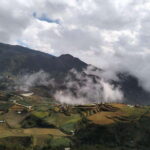
Also remember: fog and mist are part of the mountain mood. It can reduce visibility, but it often makes the walk feel more atmospheric—and the valley colors can look different in low light.
Who should book this Sapa trek, and who should skip it
This tour fits best if you:
- Want a moderate trekking experience with real village interaction
- Like learning cultural craft details such as indigo dyeing
- Prefer small-group travel and guides who can adjust the route
- Enjoy a day that includes both walking and sitting down for family food
You should be cautious if you:
- Have trouble with steep, uneven terrain
- Get uncomfortable quickly in wet, slippery conditions
- Need very high mobility support (the trek includes uneven paths, and the notes flag moderate fitness)
Age notes in the tour info include children under 4 are free, and the tour is not suitable for babies under 1 year and not suitable for people over 95 years.
Should you book this trek?
I’d book it if you want a Sapa day that feels grounded in local life: rice terraces you can walk through, a village lunch in a stilt house, and a chance to meet the Black Hmong and Giay communities through more than just photos. The price-to-inclusions ratio is strong, and the small-group setup tends to make the cultural moments feel human.
Before you commit, do one smart check: confirm the exact duration format. Your details include both a day-trip style route and an overnight homestay note (with 2 days, 1 night and 19 km mentioned). Once you have that clarified, you can pack correctly, plan your energy, and enjoy the route without surprises.
If you’re ready to walk in mountain weather and trade speed for real conversation, this is a solid Sapa choice.
FAQ
How long is the trek?
The details you were given mention 2 days, 1 night and a total of 19 km, but the route description also reads like a same-day trek with pickup back in Ta Van. Confirm the exact format with the operator before you go.
Where do I meet the guide?
You meet at Sapa Stone Church (town center), with a 9:00 AM start time.
Which villages are included on the route?
The trek route runs through Y Linh Ho → Lao Chai → Ta Van.
What language support do I get?
The tour includes an English-speaking local guide, and the listed languages for the experience are Vietnamese and English.
What’s included in the price?
Included are the English-speaking local guide, transport back to Sapa from Ta Van, traditional lunch in a local house, entrance fees to villages, and all activities mentioned in the itinerary.
What should I bring for comfort and safety?
Bring comfortable trekking shoes, a light raincoat or jacket, sunscreen, a hat, sunglasses, mosquito repellent, and a change of clothes.
Is it suitable for everyone?
The fitness level is moderate with steep, uneven terrain. It is not suitable for babies under 1 year, and not suitable for people over 95 years.