REVIEW · SA PA
Half Day Sapa Trekking to Visit Lao Chai – Ta Van
Book on GetYourGuide →Operated by VN CHARM TOURISM CO,LTD · Bookable on GetYourGuide
Rice terraces meet real village life. This half-day trek is a focused way to see Sapa’s valleys up close. I like the 9 km on-foot stretch and the chance to meet people in Lao Chai and Ta Van. The one drawback to consider is that the paths can be muddy and uneven, so comfy shoes matter a lot.
You start early, with hotel pickup around 8:10–8:20, then you’re walking downhill through rice terraces, along a stream, and into two very different-looking village communities. Guides (English-speaking, including names like Tung and Soso) set the pace, explain daily life, and help you enjoy the scenery even when the weather changes fast.
In This Review
- Key things I’d pin to your map
- The half-day format that keeps Sapa from feeling touristy
- Getting started in Sapa: 8:10 pickup and a light pack mindset
- Bản Ý Linh Hồ: the viewpoint stop that sets expectations
- Lao Chai: Black Hmong village life and rice-terrace walking
- Ta Van: a Dzay village with a slower, more personal feel
- The return to Sapa: 11:30 pickup and an easy landing
- How hard is it, really? (Spoiler: “easy” depends on your shoes)
- Guides and English: where the quality really shows
- Price and value: why $22 can make sense here
- What to bring (so the trek feels fun, not annoying)
- Who should book this trek?
- Should you book it?
- FAQ
- What locations does the trek visit?
- How long is the tour?
- About how much do I walk?
- What time does it start and when do I return to Sapa?
- Is transport included?
- Are entrance tickets included?
- Do I need to pay extra for drinks?
- What language is the guide?
- What should I bring for the hike?
- Is the tour refundable if plans change?
Key things I’d pin to your map
- Breakfast-to-village pacing: hotel pickup around 8:10, back in town around noon
- Two villages, not one: Lao Chai (Black Hmong) and Ta Van (Dzay) in a single morning walk
- Big photo moments early: the Y Linh Ho viewpoint area comes quickly, before the day gets busy
- Mountain-valley hiking: trails along rice terraces and near Muong Hoa Stream
- Culture comes from your guide: English explanations of costumes and farming life, often led by locals
- Shopping is part of the walk: village women join along the trail to sell handmade crafts
The half-day format that keeps Sapa from feeling touristy
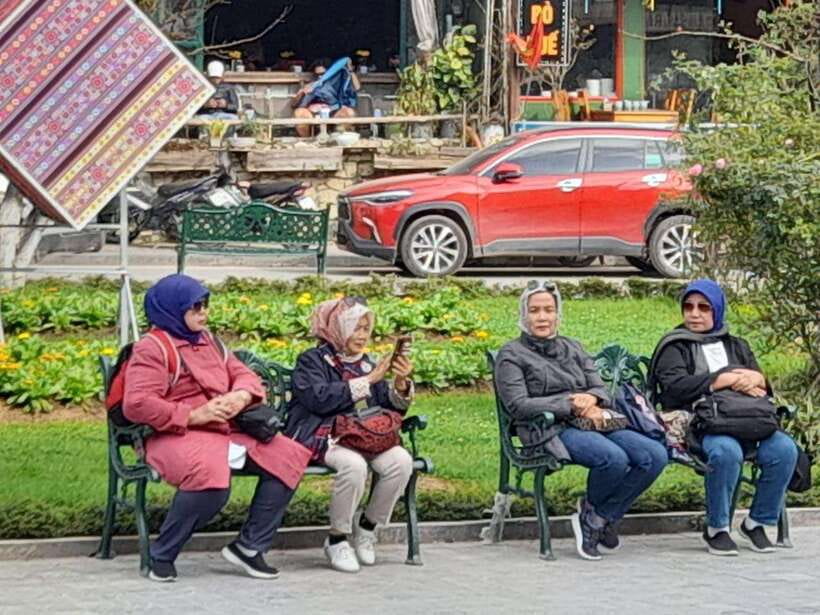
If you only have one morning in Sapa, this trek is a smart use of time. You get real walking time—about 4 hours on foot—without the full-day commitment. The schedule is also built for the kind of weather Sapa is famous for: mornings can clear enough for strong views, then clouds roll in later.
Here’s the practical idea behind the format: you’re not bouncing around the region. You’re moving through one valley in a steady arc, so the scenery keeps evolving—terraces, stream edges, village lanes, and finally the Ta Van community. That makes it feel like a mini journey, not a checklist.
One more plus: because you return to Sapa Town by around 12:00 (many people are back a bit after, depending on pace), you’re free to eat lunch and not spend your afternoon recovering from a long trek.
You can also read our reviews of more tours and experiences in Sa Pa.

Getting started in Sapa: 8:10 pickup and a light pack mindset
The day begins with a hotel pickup in Sa Pa around 8:10–8:20. You’ll want to keep a light pack for the walking portion, since you’re trekking roughly 9 km total. That doesn’t mean “travel with nothing”—just don’t bring a gym bag.
What I like about this setup is that it removes decision stress. You don’t have to figure out buses, meeting points, or route connections. You’re simply in walking mode fast: gear on, start down into the valley, and let the guide manage timing.
It also helps you beat the crowds in the key photo areas. Even when the trail isn’t empty, the early start usually gives you better light and a less hectic rhythm.
Bản Ý Linh Hồ: the viewpoint stop that sets expectations
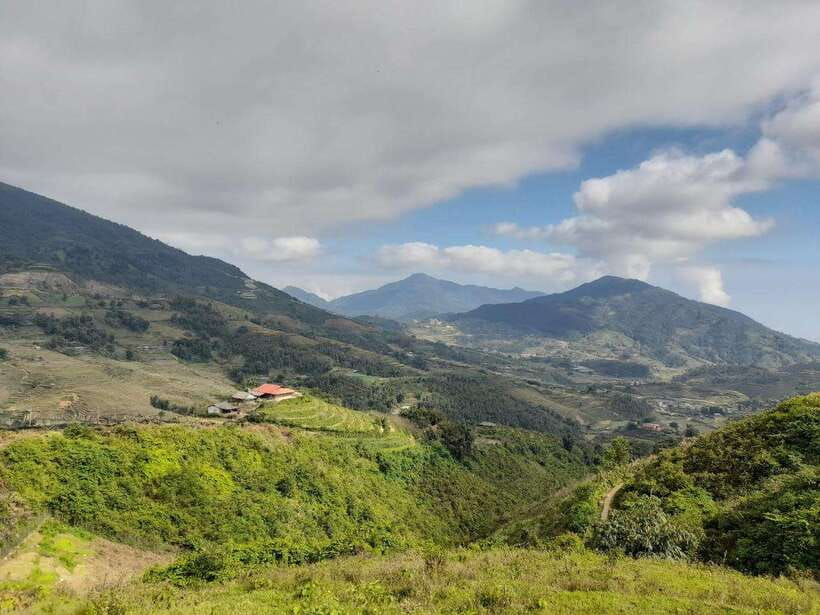
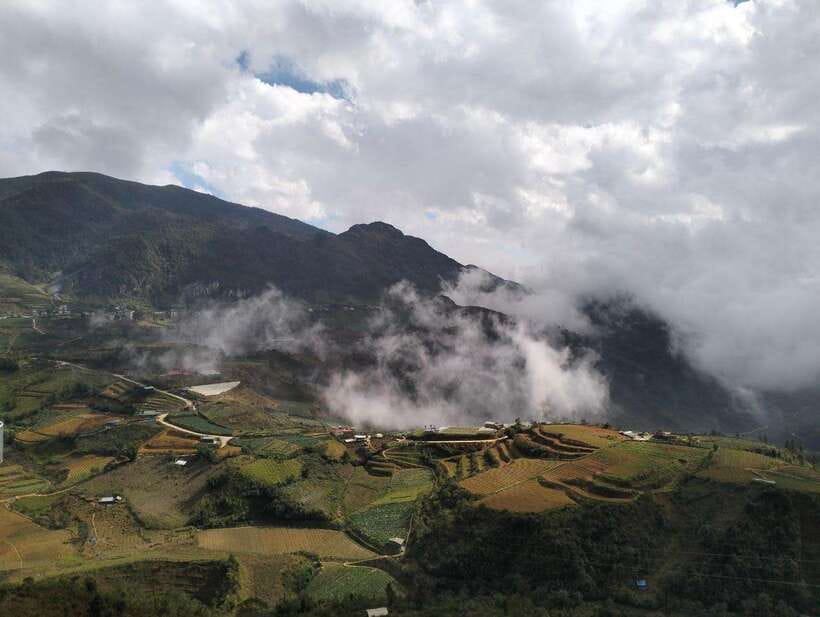
Shortly after you begin, you reach Bản Ý Linh Hồ for a photo stop and guided tour (about 1 hour). This is where the trek’s character clicks into place.
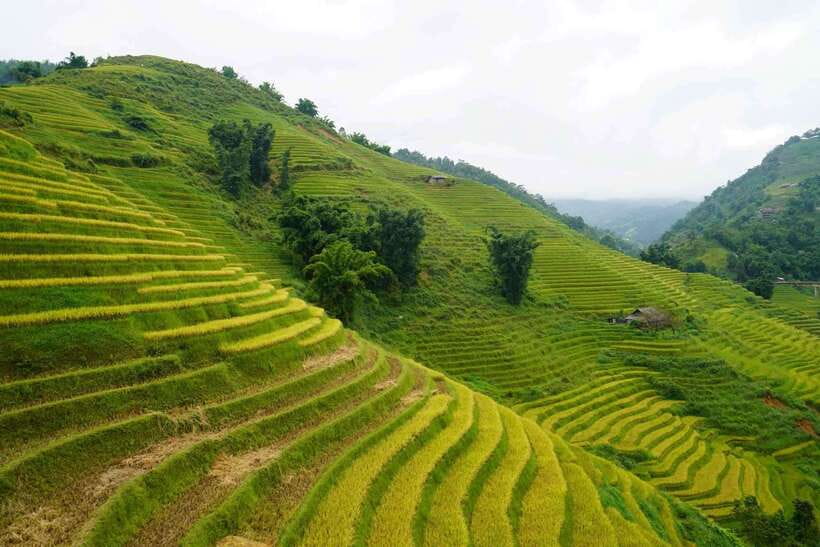
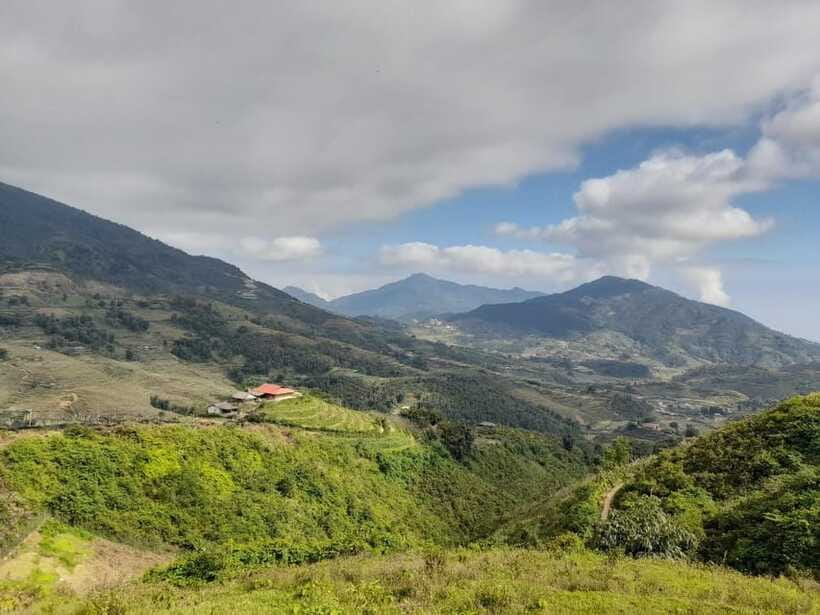
You’re up against big Sapa scenery: mountain views in the Hoang Lien Son area, plus terraces that stretch beyond what you’d see from the town. The guide typically uses this first segment to orient you—where you’ll walk next, what kind of terrain to expect, and which villages you’ll reach.
This is also a nice time to ask questions that don’t feel awkward later on a busy path. Want to know how farming works here? Ask early. Curious about daily schedules or traditional clothing? The first stop is the easiest moment to get a full explanation without rushing.
Lao Chai: Black Hmong village life and rice-terrace walking
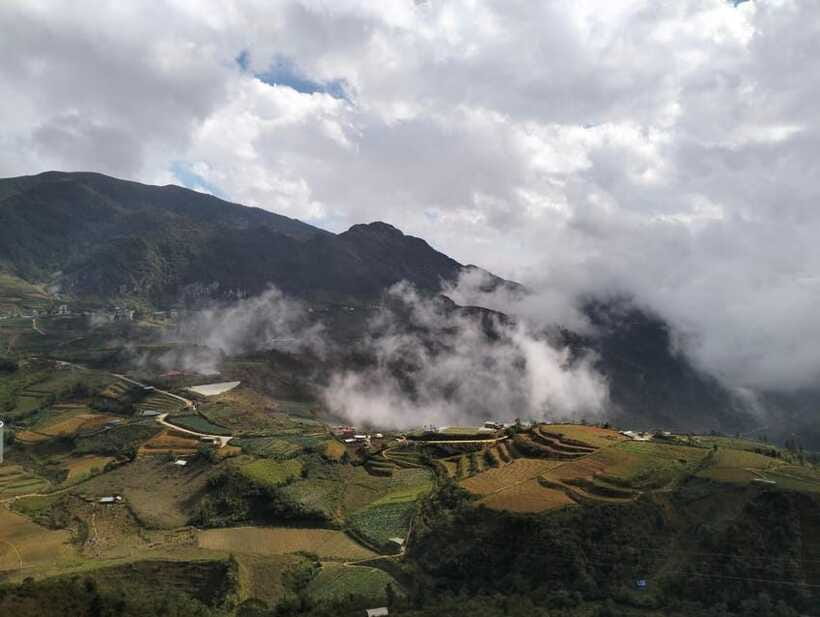
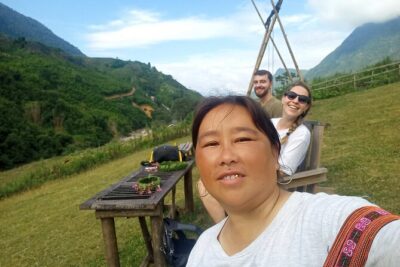
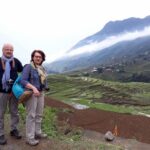
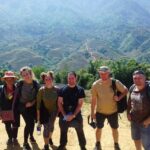
Next comes Lao Chai, a Black Hmong village area, where you’ll have time for a photo stop, visit, and guided tour (about 1 hour). This is the part of the trek where the valley feels most “lived in,” not staged.
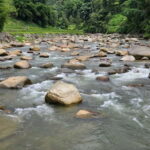
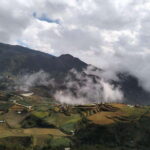
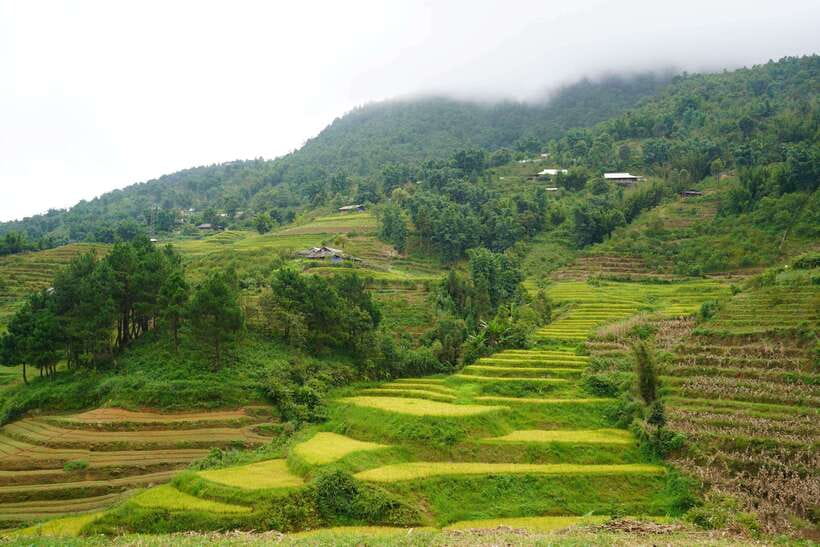
The walk into Lao Chai passes through rice terraces and along Muong Hoa Stream. That matters because the route doesn’t just look pretty—it changes as you move. Terrace edges give you step-by-step scenery. Stream-side sections make the trail feel closer to daily life rather than a distant viewpoint.
A few things to keep in mind here:
- Terrain is uneven at times. Even on a half day, you’re not strolling on a flat city sidewalk.
- Expect a more direct interaction with villagers as you approach the village lanes.
- Your guide will usually explain what you’re seeing, including clothing details and how people live in the Sapa area.
The best version of this segment is when clouds clear. When they do, the mountain views can look almost unreal—sharp and wide—like the valley is holding its breath for you to arrive.
Ta Van: a Dzay village with a slower, more personal feel
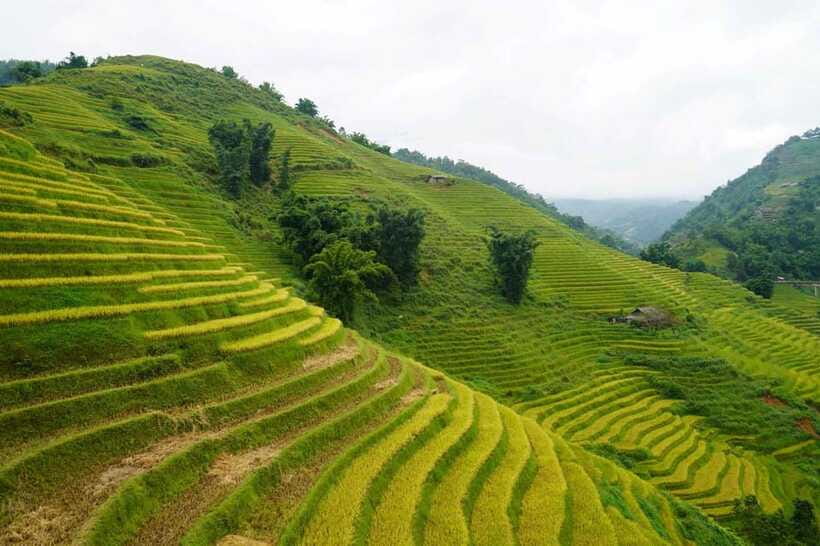
After Lao Chai, you continue to Ta Van, home of the Dzay ethnic group. You’ll have a break plus photo stop, visit, and guided tour (about 1.5 hours).
Ta Van often feels different from Lao Chai in the way the pace settles. The village area gives you room to talk, look closely, and understand daily rhythms rather than just pass through photo points. It’s also a common spot for handicrafts and small purchases, since village members may join along the route or meet you at the edges of the walk.
This is where some people feel the experience turns from “scenery and culture” into “scenery, culture, and sales pressure.” A few travelers noted the selling element can be intense—especially if you stop and engage too long, or if kids join you while you’re trying to take photos.
My practical advice: engage if you want to. If not, keep moving with a friendly but firm tone. You’ll still get the cultural value from your guide and the village setting.


The return to Sapa: 11:30 pickup and an easy landing
Around 11:30, you’ll be picked up at Ta Van Bridge and head back to Sapa Town, finishing around 12:00. This is a good design choice because it turns the trek into a clean half-day event.
Also, the bus ride is part of the comfort package. You’re hiking in one stretch, not doing a stop-start mix of long transport and short walks. That keeps the energy right for a morning experience, and it helps you reach lunch without feeling like you spent the whole day on dirt paths.
If you’re planning anything after the tour, think “lunch first, then optional sightseeing.” You’ll likely be ready for a relaxed afternoon rather than a second big outdoor activity.
How hard is it, really? (Spoiler: “easy” depends on your shoes)
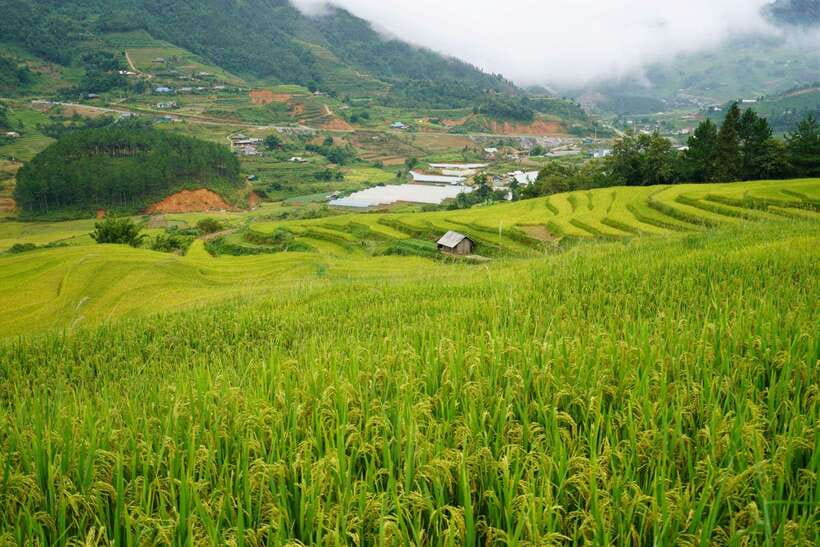
This is a half-day trek, but it’s still a real hike. You’re covering about 9 km with some uneven and steep sections. Reviews also mention it can be physically tiring in heat, and muddy when it’s rained.
Here’s what you should treat as non-negotiable:
- Wear hiking shoes or similarly grippy footwear. If you only bring sneakers with smooth soles, muddy sections can turn into a slippery challenge.
- Consider adding hiking pants (not just shorts) for comfort on rough, rubby ground.
- Bring a sun hat, sunglasses, and sunscreen because open terrace walking can bake you fast.
If you don’t have hiking experience, you’ll still be able to do this tour at a slower pace—just don’t assume it’s effortless. The upside is that it’s short enough to feel doable, and your guide can usually help you manage the rhythm.
And one more thing: because local village women may walk along the route, you might end up slightly off your perfect line while navigating conversation and directions. Stay calm. It’s part of the village-to-visitor dynamic here.
Guides and English: where the quality really shows
This tour includes an English-speaking local guide (English and Vietnamese are available). The guide isn’t just there to point at buildings. They shape the whole feel of the trek by explaining what you’re seeing and helping you move between spots on time.
Names that came up include Tung, Soso, Somg, Tran, Ku, Song, and Sua. What matters for you isn’t the name; it’s the role. These guides tend to connect the dots between scenery and daily life—how people farm, what traditional clothing signifies, and how the villages fit into the mountain environment.
This is also why I think the experience works well for first-time trekkers. When the trail gets uneven or muddy, a guide who knows the area can help you keep going without panic. And if the weather is cloudy, they’ll usually steer the group toward the best photo windows.
Price and value: why $22 can make sense here
At $22 per person for a half-day, this tour is priced like a value trek: you get guided time, village entrance access, and included transport on a modern air-conditioned bus for the Sapa–Y Linh Ho–Ta Van–Sapa loop.
What you’re paying for isn’t the bus alone. The bus is useful, but the real value is the combination of:
- Two ethnic village visits (Lao Chai and Ta Van)
- Guided explanations in English
- Time-efficient trekking (about 4 hours walking)
- Entrance tickets to indicated sites
What’s not included is also straightforward: beverages, travel insurance, and VAT/personal expenses. So if you drink a lot of water during hikes, budget for that. Also plan to grab snacks or lunch after you’re back in town.
For many people, this comes out as good value because it’s not a full-day tour that eats your entire vacation window. You’re buying a focused outdoor and cultural morning.
What to bring (so the trek feels fun, not annoying)
The packing list is simple and practical for Sapa trekking. Bring:
- Hiking shoes (or sports shoes with grip)
- Sun hat and sunglasses
- Sunscreen
- Camera
- Sportswear, hiking pants
- A small first aid kit
If the weather turns muddy, grippy footwear becomes the difference between enjoying the villages and spending the whole walk watching your step. Some people specifically recommend rubber boots in wetter conditions—if you have them, it’s not a bad idea.
Also consider carrying a small amount of cash. Even when you don’t want to buy anything, it helps to handle craft interactions calmly if you decide later that you want a small souvenir.
Who should book this trek?
This half-day works best if you:
- Want mountain views plus two villages without a full-day schedule
- Like guided culture explanations, especially about ethnic minority life in the Sapa area
- Prefer a trek that feels more intimate than big, staged tourist routes
- Can handle uneven ground for a few hours
It may not be the right fit if you:
- Need wheelchair access (the tour is not suitable for wheelchair users)
- Want a perfectly flat walk with minimal challenge
- Hate any shopping pressure at all—because village members may join and try to sell handmade goods
If you’re traveling with family, this format can still work since it’s short enough to manage energy. Just be realistic about terrain and comfort.
Should you book it?
Yes, if you want a meaningful Sapa morning that balances scenery, village visits, and an English-speaking guide. The route hits the key villages—Lao Chai and Ta Van—and the timing lets you return to Sapa Town without losing your whole day.
Book it with eyes open about two things: the terrain can be muddy and uneven, and the craft selling can feel persistent at times. If you’re prepared with good shoes and a calm approach to interaction, this becomes one of the best ways to experience Sapa beyond the viewpoint crowd.
FAQ
What locations does the trek visit?
You’ll trek to Lao Chai and Ta Van villages, and you also have a photo stop and guided tour at Bản Ý Linh Hồ.
How long is the tour?
The duration is 270 minutes (about 4.5 hours total).
About how much do I walk?
The trekking distance is about 9 km and lasts roughly 4 hours on foot.
What time does it start and when do I return to Sapa?
Pickup is around 8:10–8:20. You’re picked up at Ta Van Bridge around 11:30 and finish in Sapa Town around 12:00.
Is transport included?
Yes. The tour includes a modern air-conditioned bus for the Sapa–Y Linh Ho–Ta Van–Sapa route, with experienced drivers.
Are entrance tickets included?
Yes. Entrance tickets to indicated sites are included.
Do I need to pay extra for drinks?
Yes. Beverages are not included.
What language is the guide?
The guide is English speaking, and Vietnamese is also available.
What should I bring for the hike?
Bring sunglasses, sun hat, camera, hiking shoes, sunscreen, sports shoes/sportswear, hiking pants, and a small first aid kit.
Is the tour refundable if plans change?
You can cancel up to 24 hours in advance for a full refund, and you can also book with a reserve-now, pay-later option.