REVIEW · SA PA
From Sapa: Waterfalls, Trekking and Tribal Villages Tour
Book on GetYourGuide →Operated by Sapa Unique Tour - Viet Sapa Travel · Bookable on GetYourGuide
Waterfalls, rice fields, and tribal villages in one day. I like the combo of Silver Waterfall and the laid-back picnic lunch with locals, plus the way the day blends viewpoints with a real village route. The potential drawback: the trek portion can run longer than the headline pace, and fog can cut down the rice-terrace views.
This 5-hour tour is built for people who want more than a quick photo stop. You get picked up in Sapa, ride out toward Hoàng Liên National Park, then lace up for a guided 4-hour walk through mountain trails, rice paddies, and remote community areas.
It also helps that it’s a small group (15 max) with an English-speaking guide. If you’re expecting an ultra-intense hike, this probably won’t feel like that. If you’re sensitive to distance or steep ups and downs, bring good shoes and plan for a workout.
In This Review
- Key things that make this Sapa tour worth your time
- From Sapa to the trailhead: how the day starts
- Silver Waterfall, Love Waterfall, and Trạm Tôn Pass: where the photos happen
- Leaving the scenic stops for Ban Khoan: how the village portion feels
- The 4-hour trek through rice paddies and trails: your realistic workout check
- What to wear and pack for the trek
- When to bring your camera (and when not to stress)
- Picnic lunch with locals: food, pause, and conversation
- Ta Phin Village and the Red Dzao home: ending with meaning
- Price and value: is $72 a fair deal?
- Who should book this Sapa waterfalls and tribal villages trek
- My practical packing and planning advice (so the day stays fun)
- Should you book this tour?
- FAQ
- FAQ
- How long is the Sapa waterfalls and trekking tour?
- Where does the tour start in Sapa?
- What are the main sights you visit?
- How big is the group?
- What’s included in the price?
- What should I wear and bring for the trek?
- Can I cancel and get a refund?
Key things that make this Sapa tour worth your time
- Silver Waterfall and Love Waterfall together: two big waterfall views without wasting the day bouncing around.
- Tram Ton Pass for high-country context: a scenic, altitude-flavored stop before you head for villages.
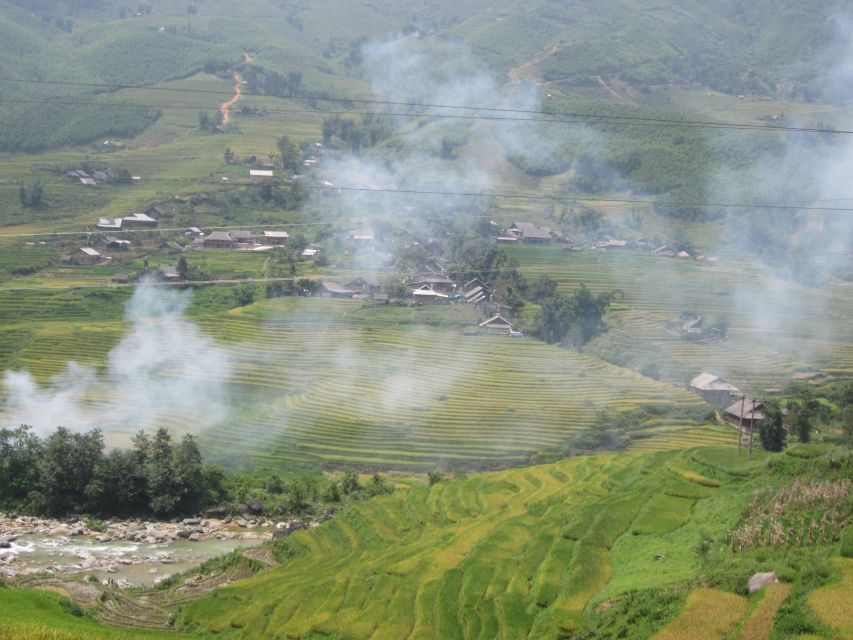
- Ban Khoan to Ta Phin village route: the day isn’t just scenery; you walk through community areas and see how people live.
- A guided trek that stays at a friendly pace: long enough to feel like an experience, not so rushed that you can’t look around.
- Picnic lunch with the people you meet: simple food, served in the middle of the landscape, not after you’ve already left.
- English-speaking guides with real storytelling: guides often explain tribe life, textiles, and local customs as you go.
From Sapa to the trailhead: how the day starts
You’ll start in Sapa Town with hotel pickup from the lobby, then you’re in the car for about 30 minutes. That early ride matters more than you might think. It saves energy for the walking part and helps you reach Hoàng Liên National Park areas before the day gets too hot or too crowded.
Once you’re out of town, you’ll hit the first viewpoint-style stops: Silver Waterfall, Love Waterfall, and Trạm Tôn Pass. The day is designed so you don’t just arrive, hike, and collapse. Instead, you get a sequence of “see it, stop, learn it, then move on” moments.
This tour also includes entrance fees and has a skip-the-ticket-line style approach, so you’re not losing half the morning to paperwork.
You can also read our reviews of more tours and experiences in Sa Pa.

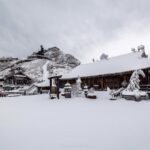
Silver Waterfall, Love Waterfall, and Trạm Tôn Pass: where the photos happen
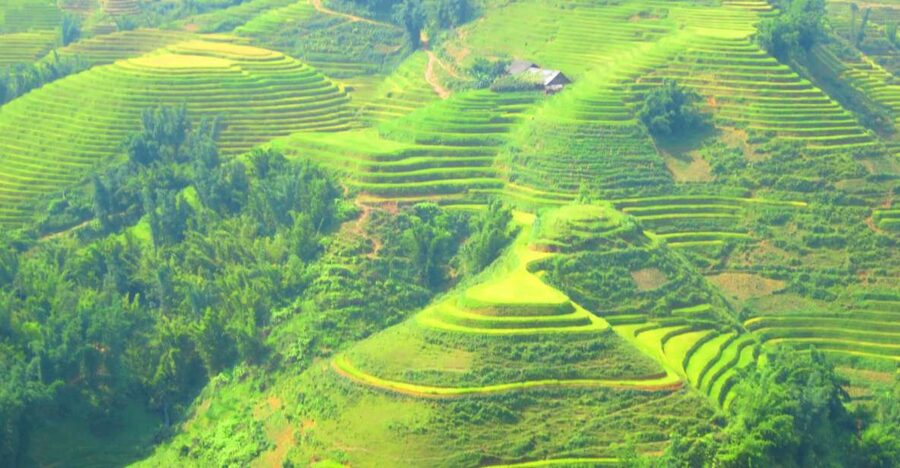
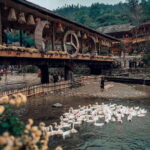
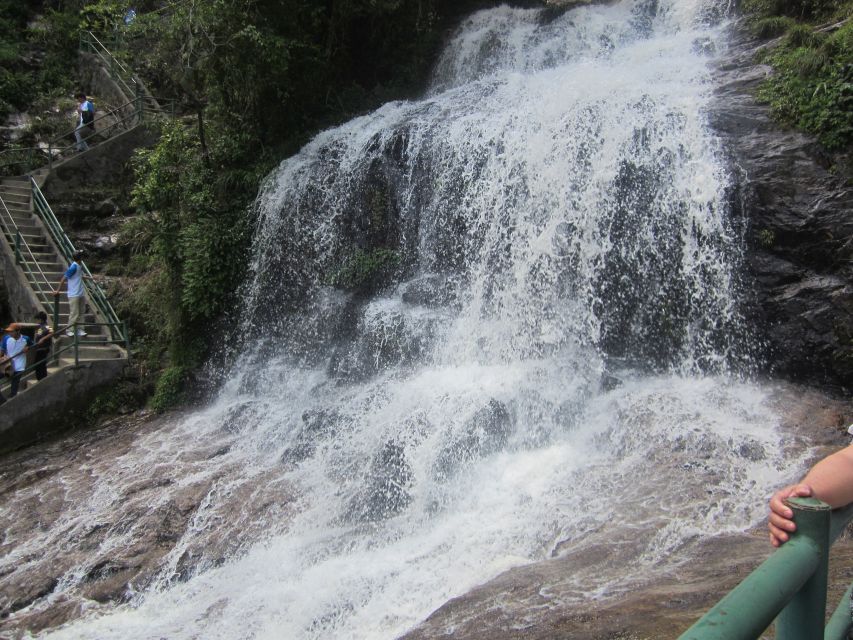
The waterfalls are the headline for a reason. You’ll visit two of the most scenic falls in the Hoàng Liên National Park area—Silver Waterfall and Love Waterfall—with time to walk around and take photos.
A practical note: the trail to and around waterfalls can involve climbing back and forth. One person described the walking around the waterfall area as short but still a bit of up-and-down effort. If you’re traveling with knees that complain easily, wear shoes with grip and don’t assume “waterfall stops” means flat ground.
Then there’s Trạm Tôn Pass. It’s the kind of stop that helps you understand why this region looks the way it does—mountain ridgelines, cooler air, and long views when visibility is good.
Fog can be a spoiler. One guide-led day was foggy enough to dull the rice-field views later on. That said, even when the view softens, waterfalls tend to still deliver, and the day’s village-and-walk parts keep the experience feeling complete.
Leaving the scenic stops for Ban Khoan: how the village portion feels
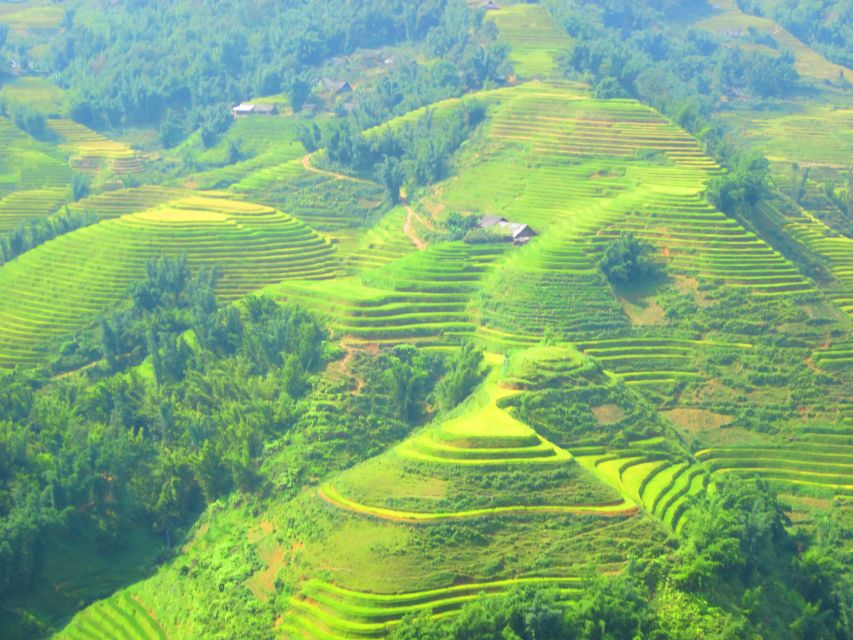
After the waterfall/pass section, you move on to Ban Khoan, where you start the village walk and begin the trek toward the more remote community areas. This is where the tour shifts from “tourist sights” to “you are actually walking through people’s daily surroundings.”
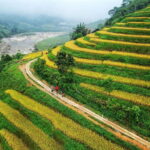
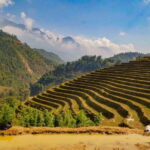
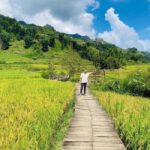
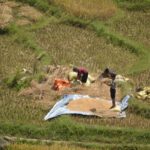
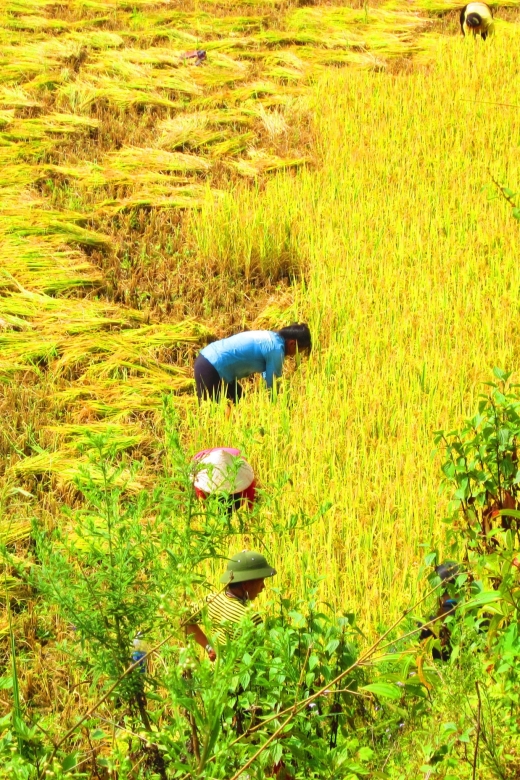
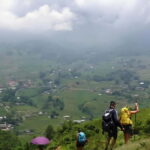
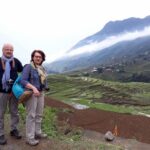
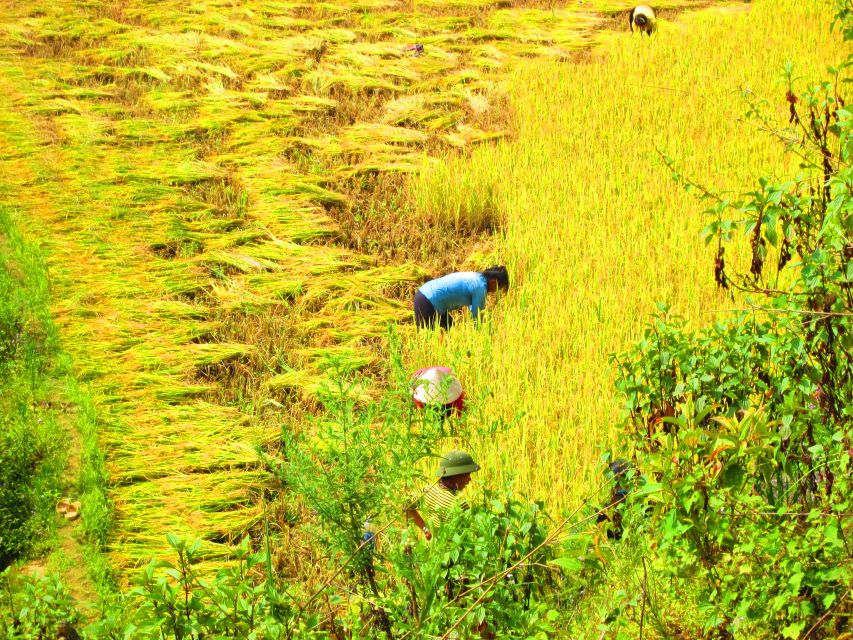
This part is described as a secluded trail and includes rice paddies and village paths. Expect plenty of moments where you slow down for a photo and then slow down again because someone points out textiles, daily life details, or how different groups live in the area.
The two tribal communities you’re likely to learn about here are the Hmong and Red Dzao. The guide’s job is to connect what you’re seeing to the stories behind it—how traditions show up in everyday life and why things are built and worn the way they are.
In plain terms: you’ll get more than a photo next to a house. The better guides pace the walk so you can actually ask questions and absorb what you’re seeing.
The 4-hour trek through rice paddies and trails: your realistic workout check
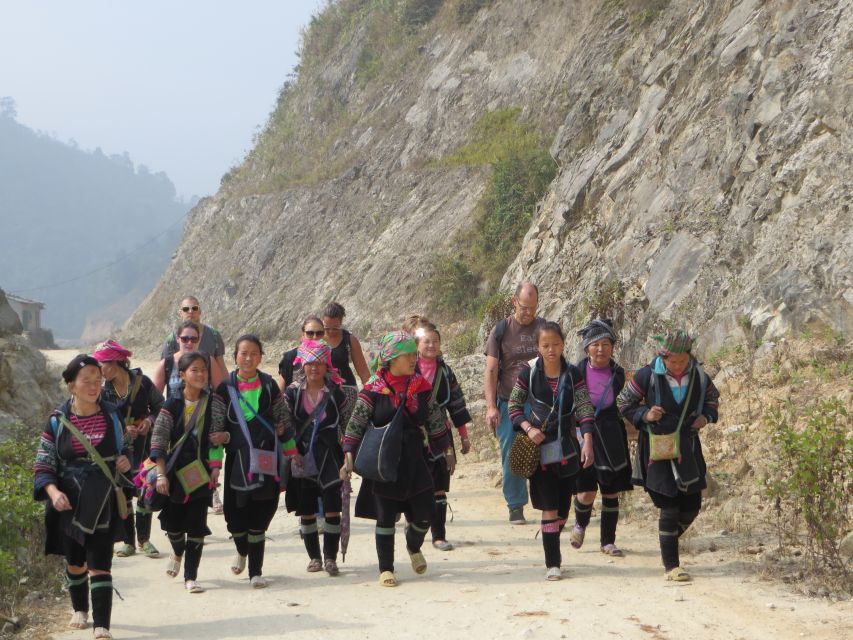
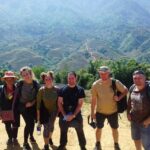
The trek is the heart of the tour. It’s listed as about 4 hours and roughly 15 kilometers (9.3 miles) across mountain trails. You’ll walk through remote areas, pass rice paddies, and move between community sections as the day unfolds.
How hard is it? Here’s the honest way to think about it:
- The trek is described as about 4 hours, but some people found the day’s overall walking time longer than advertised.
- One review warned it felt closer to a longer-distance effort (including additional climbs tied to the waterfall portion).
- Another described the hike as moderately difficult.
So I’d plan for a hike that asks for good stamina, even if the guide keeps things friendly. If you want a “walk but still comfortable” day, this may fit. If you’re expecting an effortless stroll, you’ll likely feel it.
What to wear and pack for the trek
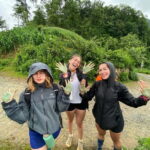
The essentials are spelled out for you: comfortable clothes, hiking shoes, and a small daypack. You’re also strongly advised to bring:
- insect repellent
- sunscreen
- raincoat
- sun hat
- personal belongings in a small daypack
If you’re going from November to March, plan on warm layers. Mountain areas can feel cold even when Sapa Town feels mild, especially around passes and shaded paths.
When to bring your camera (and when not to stress)
You’ll want photos, but don’t spend the whole walk stopping. The day works best when you let the guide steer you to key viewpoints, then take photos during the natural breaks—near waterfalls, during a pause in the rice fields, and at village points where you can get a safer, clearer shot.
Picnic lunch with locals: food, pause, and conversation
Lunch is a picnic lunch included, and it’s timed after you’ve walked enough to earn a real break. The goal isn’t just feeding you. It’s giving you a moment where the pace slows and the culture piece becomes more human.
What does lunch look like? It depends on the day and how the guide sets it up. People have described lunches ranging from sandwiches to a more spread-style picnic prepared locally. One important detail: there’s a record of a vegan lunch being accommodated, so if you have dietary needs, it’s worth mentioning in advance when you book.
This is also where you get the most “learn by chatting” vibe. Even if the lunch itself is simple, the real value is the setting: you eat in the middle of the area you walked through, rather than rushing to a restaurant at the end.
Ta Phin Village and the Red Dzao home: ending with meaning
In the afternoon, the trek continues toward the home area of the Red Dzao in Ta Phin Village. This is the final cultural anchor of the day—your chance to see the tour’s purpose become more than a route on a map.
The way the day is structured helps. You start with dramatic nature (waterfalls and pass views), then you move into a long stretch of everyday walking through villages and rice zones, and finally you reach the community section tied to the Red Dzao. That arc makes the cultural stops feel earned instead of tacked on.
This is also where a strong English-speaking guide makes a big difference. Guides on this route are often the kind of people who can explain why textiles matter, what traditions look like in daily life, and how stories are carried forward through generations.
Price and value: is $72 a fair deal?
At $72 per person for a roughly 5-hour tour, you’re paying for more than transportation and a hike. Here’s what’s included:
- English-speaking guide
- entrance fees
- private car transfer
- picnic lunch
- 2 bottles of mineral water per person
When a tour includes entrance fees, a guide, lunch, and private transfer, your costs become easier to justify. You’re not piecing together tickets, meals, and transport separately, and you’re not spending your day figuring out how to get from waterfall viewpoints to village trails on your own.
Could it be cheaper as a DIY route? Maybe. But you’d still need local knowledge for the trail timing, the village approach, and the “what you’re looking at” explanations. For me, that’s where the value lives. You’re buying context, not just movement.
Who should book this Sapa waterfalls and tribal villages trek
This tour fits well if:
- you want waterfalls plus a real guided trek
- you prefer a small group experience
- you like learning about the Hmong and Red Dzao communities through conversation and guided storytelling
- you want a day that’s active, but not framed as a hardcore expedition
It might not be the best fit if:
- you’re very sensitive to longer-than-advertised walking time
- you expect all-day views to be crystal clear (fog can reduce the rice-field “wow” factor)
- you have mobility limits that struggle with repeated up-and-down sections around waterfalls and trails
The good news: guides often adjust pacing and route choices to fit how the day is going. If weather reduces views, the day can still deliver through waterfalls, village walking, and cultural learning.
My practical packing and planning advice (so the day stays fun)
- Start with good shoes. Grip matters on trail sections and around waterfall areas.
- Bring a raincoat even if skies look clear. Mountain weather changes fast.
- Use insect repellent early. It’s easier than reapplying mid-walk.
- Pack sunscreen and a hat. Even on cooler days, the sun can catch you when you’re out in open rice-paddy stretches.
- Don’t overpack your bag. A small daypack keeps you balanced on uneven ground.
- If you’re traveling in cooler months, dress in layers you can remove at passes and re-add during shaded stretches.
Should you book this tour?
I’d book it if you want a short, guided Sapa day that mixes nature (two waterfalls and a pass) with a meaningful trek through rice paddies and tribal village areas. The best part isn’t just seeing waterfalls. It’s how the day keeps flowing into villages, then ends with the Red Dzao community in Ta Phin.
Skip it only if you know you can’t handle a hike that may feel longer than the headline time, or if you’re going for scenery only and fog would ruin your mood.
FAQ
FAQ
How long is the Sapa waterfalls and trekking tour?
The tour runs about 5 hours total. The trek portion is described as about 4 hours, with time for transfers and sightseeing stops included.
Where does the tour start in Sapa?
Pickup is included at your hotel lobby in Sapa Town.
What are the main sights you visit?
You’ll visit Silver Waterfall and Love Waterfall, plus Trạm Tôn Pass. After that, you trek through mountain trails and village areas, including Ban Khoan, and you end at the Red Dzao home area in Ta Phin Village.
How big is the group?
It’s a small group limited to 15 participants.
What’s included in the price?
Included items are an English-speaking guide, all entrance fees, private car transfer, picnic lunch, and 2 bottles of mineral water per person.
What should I wear and bring for the trek?
Wear comfortable clothes and hiking shoes. Bring insect repellent, sunscreen, a raincoat, a sun hat, and a small daypack. If you’re traveling from November to March, pack warm clothes.
Can I cancel and get a refund?
Yes. Free cancellation is available up to 24 hours in advance for a full refund.