REVIEW · KATHMANDU
Mohare Danda Trek
Book on Viator →Operated by Trekking Trail Nepal · Bookable on Viator
One of Nepal’s best-kept trekking goals is community-backed scenery. Mohare Danda is built around women empowerment and rural development, with the payoff of big Himalayan views and quiet villages. I like that the route aims for an easy, peaceful circuit while still giving you a real sense of place and daily life in the hills.
What you’ll like most is the way the trek is paced and supported: a small group (up to 11 people), a guide plus porters with insurance, and even basic cold-weather gear included for the higher point. There’s also a strong practical safety vibe, including an oxygen monitor and first-aid kit.
One consideration: you spend a lot of time on the road getting to and from the trekking area, and some trekking days run long. If you have joint issues or trouble with descending stone stairs, tell the operator early so they can adjust your route.
In This Review
- Quick hits: Mohare Danda in a few focused points
- Why Mohare Danda feels different from other Nepal treks
- Price and what you actually get for $799
- The real logistics: from Kathmandu to the trailhead
- The 10-day route, stop by stop (what each day gives you)
- Day 1 in Thamel: Kathmandu arrival and settling in
- Day 2 by Phewa Tal: the Pokhara transfer day
- Day 3 trekking starts at Beni Bazaar
- Day 4 toward Nagi Village via Ramche
- Day 5 to Mohare Danda destination: the climb to the main viewpoint area
- Day 6 Mohare Community Lodge: highest point and sunrise Himalayan views
- Day 7 to Tikot village via viewpoints like Thula Kharka and Sikha Danda
- Day 8 walking toward Basari: the final mountain trail day
- Day 9 back to Kathmandu via Pokhara
- Day 10 airport day from Kathmandu
- What the community lodge and the view claims mean for you
- Trail culture: Magar villages, Poon Magar traditions, and everyday hospitality
- Packing and comfort: sleeping bag, down jacket, and altitude planning
- Who should choose Mohare Danda, and who should adjust the plan
- Tips to get the most from your days on trail
- Should you book Mohare Danda Trek with Trekking Trail Nepal?
- FAQ
- Where does the Mohare Danda trek start?
- How long is the Mohare Danda trek?
- What is the highest elevation on this trek?
- Are permits and documentation included?
- What trekking support is included for guide and porters?
- What gear is included for the cold at Mohare Danda?
- What meals are included?
- Is drinking water included?
- How big is the group?
- What happens if weather is bad?
- Can I cancel if plans change?
Quick hits: Mohare Danda in a few focused points
- Community-first design: your spending supports education, economy, and women empowerment through the Mohare Danda community model.
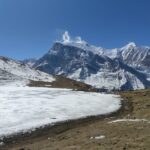
- Huge view potential: on clear days you can see up to 42 peaks, including Annapurna, Dhaulagiri, and Manaslu.
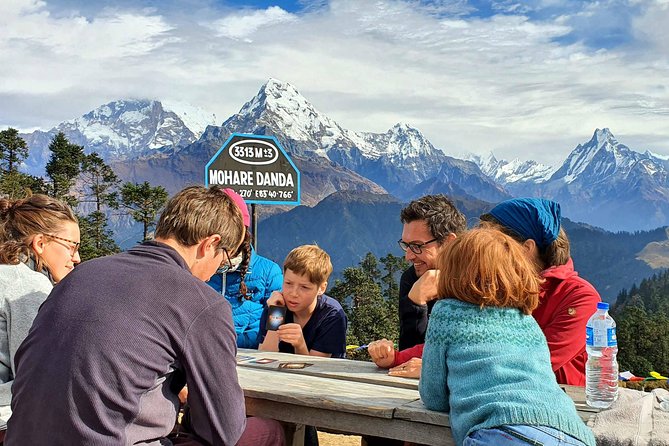
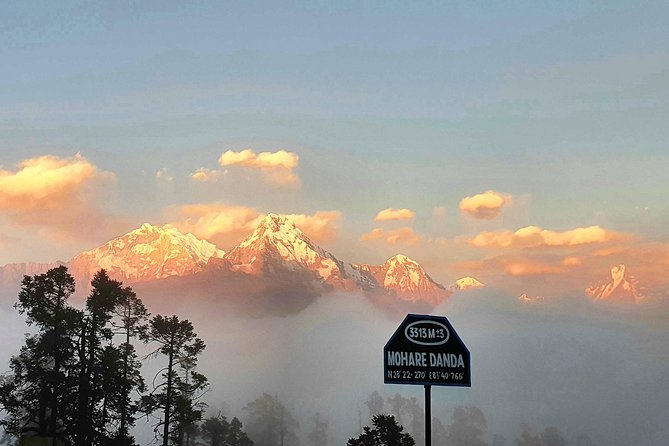
- Highest point with sunrise: Mohare Danda sits at 3,313 meters, and you’re there for early views.
- Magar village walking: the trek includes ethnic Magar settlements such as Tikot and passes multiple viewpoints.
- Gear included for cold nights: sleeping bag and a down jacket for Mohare Danda are provided.
- Tight support team: you travel with a guide and porters, and past departures have run with teams that included guides like Apar, plus porters such as Ashishm and Joyendra.
Why Mohare Danda feels different from other Nepal treks
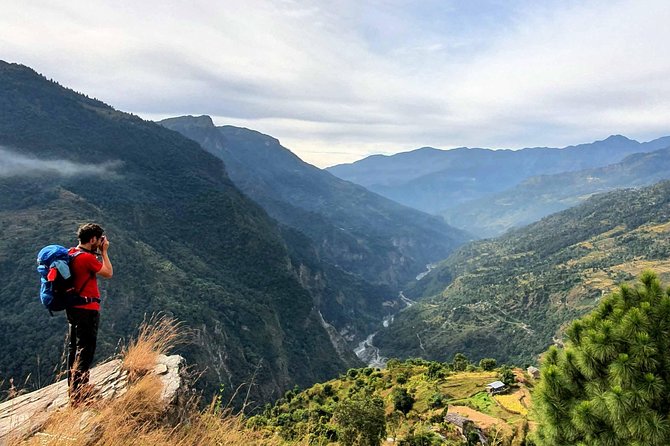
If you’ve done the big-name Nepal routes, you know how easy it is for a trek to feel like a checklist. Mohare Danda is trying to do the opposite. The core idea is simple: you walk through scenic viewpoints, stay in community lodges, and your money supports the local mission behind the trek.
That matters on the ground. In many places in Nepal, you can admire a village from afar and move on. Here, the trek model is set up so visitors’ nights, meals, and fees funnel directly into community welfare. The program also highlights Poon Magar traditions, and the route runs through ethnic Magar areas where you’ll actually see how people live, work, and share hospitality.
The views are a second big draw. The information you’re given promises up to 42 visible peaks, with the three major 8,000-meter mountains of Annapurna, Dhaulagiri, and Manaslu. I treat that as a best-case scenario for clear weather, not a guarantee—but it’s still a strong reason to take the early start seriously and get outside for sunrise.
You can also read our reviews of more tours and experiences in Kathmandu.

Price and what you actually get for $799
At $799 per person, Mohare Danda isn’t a “cheap add-on.” But it’s also not priced like a premium luxury expedition. The value comes from what’s included: guide and porters (with wages, insurance, and gear), permits and documentation, medical support basics, and a pile of items that reduce your out-of-pocket packing and risk.
Here’s where the math starts to make sense:
- You get trekking essentials for colder elevation: a sleeping bag and down jacket for the Mohare Danda portion. That can save serious money if you’d otherwise rent or buy.
- You’re not left alone with paperwork: permits and documentation are included.
- You travel with real support: first-aid kit, oxygen monitor, and guide/porter team coverage.
- You’re covered on transportation: ground transportation is included as “best available.”
- You get the logistics tools: a complimentary trek map and a trekking duffle bag for each trekker.
What’s not included is also clear, and that’s important for budgeting: drinking water, bar bills, snacks, drinks, and personal expenses. If you’re the kind of traveler who buys bottled water on top of everything else, your final cost can climb. Plan for that.
Also, the group size limit (maximum 11 travelers) matters. Smaller groups tend to move with less friction on narrow paths, and you get more human attention from your guide.
The real logistics: from Kathmandu to the trailhead
Your itinerary is built like a “getting there” arc, not just a trek. Day 1 starts in Kathmandu, with an airport meet-and-greet after you clear immigration. Day 2 shifts you west toward Pokhara via the Prithivi Highway. That’s a long road day—about 200 km and 6–7 hours—so build in the mindset that this trek is not only hiking, it’s also transport.
Day 3 includes another major transfer: getting from Pokhara to Beni Bazaar, then beginning trekking from there. You’re looking at roughly a 4-hour drive to reach the start point.
If you want the trek to feel smooth, show up rested. A 10-day trek with two heavy overland days can be tiring even if your hiking is “easy” on paper. The upside is that once you’re in the rhythm—walking, lunch, viewpoints, lodge nights—the scenery and community stops start to do the heavy lifting.
There’s also a short culture-and-views break built in: a visit to Baglung High Bridge with entry fees. Think of it as a quick add-on daypiece, not the core of the trek.
The 10-day route, stop by stop (what each day gives you)
Day 1 in Thamel: Kathmandu arrival and settling in
You land at Tribhuvan International Airport and meet a representative after immigration and baggage clearance. The stop is listed as Thamel, which usually means you’ll be close to the city’s travel services—helpful if you want to double-check gear or ask last-minute questions.
This day is about orientation. It also gives you time to confirm how your guide wants you to handle layers, hydration, and trekking pace. Since you’ll be going higher later, this first night matters more than it feels.
Day 2 by Phewa Tal: the Pokhara transfer day
Breakfast at the hotel, then the long ride toward Pokhara. The stop includes Phewa Tal, which is a named reference point for the day’s route into western Nepal.
In practice, you’re treating this day as transit plus a soft landing. If you’re prone to motion sickness, bring what you need. You’ll be on a road for much of the day.
Day 3 trekking starts at Beni Bazaar
Day 3 is your first true walking day. You reach Beni Bazaar via road from Pokhara, then start trekking from there. The schedule description keeps the focus on getting moving and transitioning from vehicle time into trail time.
This is a good day to set your strategy: keep a steady pace, don’t chase speed, and get used to your footing. Even if the route is framed as easier and peaceful, you’re still walking in Nepal’s hill terrain.
Day 4 toward Nagi Village via Ramche
You walk on the trail toward Nagi Village, with Ramche listed as the stop. The day centers on “pristine nature and culture,” and the idea is that you’re not only climbing—you’re moving through real villages and landscapes people actually live in.
This is the kind of day where you’ll feel the difference between visiting a town for an hour and living the village rhythm at trekking pace. Watch for local life around the path. The more you slow down, the more you see.
Day 5 to Mohare Danda destination: the climb to the main viewpoint area
Today you trek to Mohare Danda starting after breakfast at Nagi. The trekking time is described as about 4–6 hours, which signals a route that should feel manageable if you’re in decent walking shape.
This is also the day where you start thinking about cold at the higher end. Even if daylight feels fine, evenings at elevation can change fast.
Day 6 Mohare Community Lodge: highest point and sunrise Himalayan views
This is one of the big days. You reach the highest elevation of the trip at 3,313 meters, at Mohare Danda. You’ll enjoy a beautiful sunrise and Himalayan views, and you stay at Mohare Community Lodge.
Sunrise here is not marketing fluff. At elevation, the air clarity can be excellent, and being there at the right time matters. Wear enough layers for early hours, and give yourself time to settle your posture for photos.
The lodge part is also worth noting. Community lodges tend to be simpler than commercial trekking hubs. That’s part of the point: the trek is designed around community support, not a polished resort experience.
Day 7 to Tikot village via viewpoints like Thula Kharka and Sikha Danda
You trek to Tikot village, an ethnic Magar settlement. The route includes viewpoints of Thula Kharka and Sikha Danda, and you get another day of nature + village interaction.
Tikot is the kind of stop where you’ll get a more personal feel for how culture shows up in daily routines. Even when you don’t fully understand the language, you still notice the rhythms: how people carry loads, how fields look in different seasons, and how hospitality is offered.
Day 8 walking toward Basari: the final mountain trail day
Today is your last mountain trekking day while walking to Basari. The itinerary description keeps the focus on ending the hiking portion and transitioning toward the return journey.
This is where legs matter most. Even if the climbs are not extreme, cumulative walking time adds up. Take breaks before you need them, not after.
Day 9 back to Kathmandu via Pokhara
After the trek, you drive back toward Kathmandu from Pokhara. The day runs about 7 hours on the overland route, then you get rest time in Kathmandu.
I like this structure because it gives you a real buffer day after the hardest hiking. Your body will thank you. It also gives you time to return gear, shower properly, and handle any last details before departure.
Day 10 airport day from Kathmandu
The final day transfers you to Tribhuvan International Airport for your flight. If you’re someone who likes flexibility, you’ll appreciate that the itinerary allows for goodbye or extension of activities.
What the community lodge and the view claims mean for you
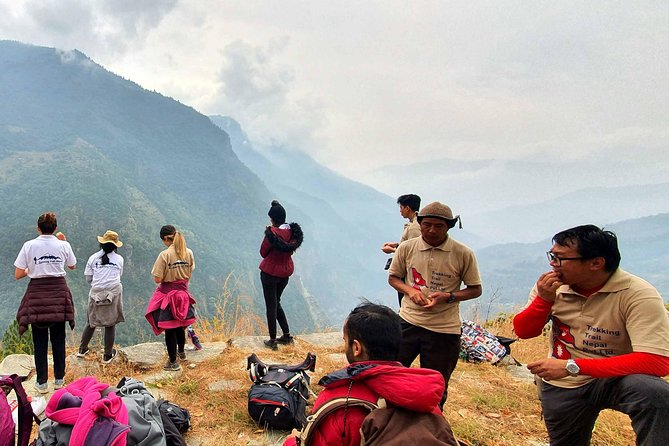
Let’s talk about the combination: community lodge + big peak visibility. These two things are tied together. Community lodges are where the money flows. Your nights there help support education, economy, and women empowerment, and the trek aims to keep the trail peaceful rather than overcrowded.
Now the views. The promise of up to 42 peaks, including three 8,000-meter giants, is the main hook. You should treat it as a best-weather outcome, but still plan as if you’ll chase the clearest moments. Sunrise at Mohare Danda is likely the highest-probability time to see a clean sky.
If you’re the type who hates getting up early while other people sleep, I’d challenge you gently here. This trek’s best lighting and clarity are built into the schedule. Go for it once, because the payoff is the whole reason you booked Mohare Danda in the first place.
Trail culture: Magar villages, Poon Magar traditions, and everyday hospitality
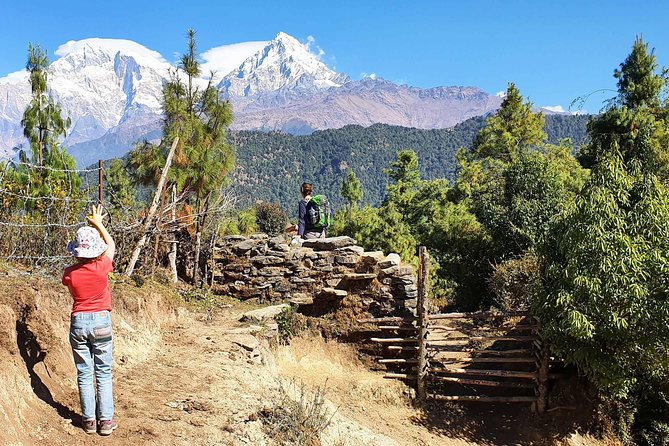
The itinerary and overview both emphasize culturally rich villages and local tradition, including Poon Magar and Magar settlements like Tikot. That’s not just a cultural label; it’s a practical expectation of your trek route.
Here’s what that looks like day to day: you’re walking through a patchwork of village life. You’ll notice how people structure their day around farming and community work, and you’ll see how lodges and small businesses fit into that rhythm. Even the idea of a community lodge changes your relationship to where you’re staying. You’re not just passing through a building.
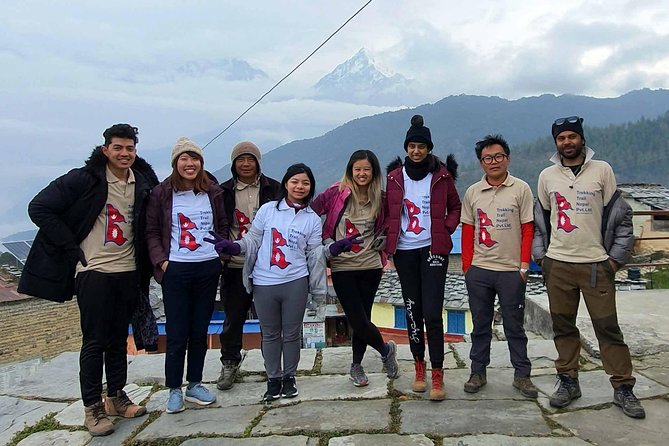
In past Mohare Danda departures, the guide experience seems to be a strong point. Names that came up include Apar as a guide on Mohare Danda, and the support team included porters like Ashishm and Joyendra. Another guide name that appeared with the company in related feedback is Lokendra. The common thread is that the guides and teams focus on making sure you’re safe and comfortable in mountain conditions, with practical advice for behaving well in the mountains.
Packing and comfort: sleeping bag, down jacket, and altitude planning
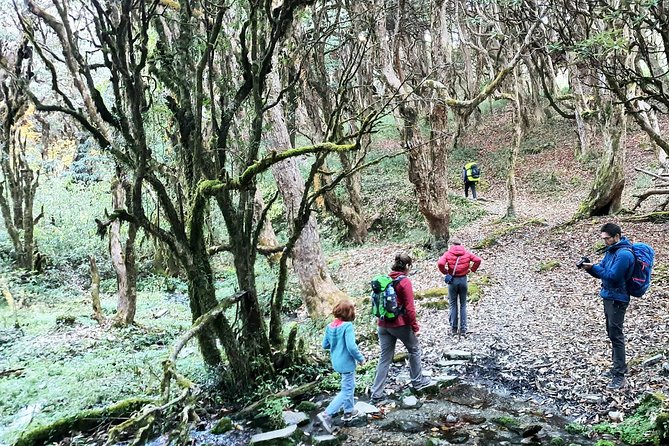
One of the most reader-friendly inclusions is the cold-weather support at elevation. The trek provides a sleeping bag and a down jacket for the Mohare Danda segment. That helps in two ways:
- You don’t have to pay for cold-weather gear rental or shipping.
- You reduce the odds of arriving underprepared.
The trek also includes a first-aid medical kit and an oxygen monitor. That doesn’t mean you can ignore altitude, but it does suggest the operator isn’t winging it. You’ll still want to pace yourself and watch your breathing, especially at higher points.
Also included is an “achievement” certification after completion. It’s a small thing, but it’s a nice touch if you like keeping proof of progress.
What you should expect not to be covered: drinking water and personal snacks. So pack like you’ll manage hydration yourself, and plan for snacks for the hours between meals.
Who should choose Mohare Danda, and who should adjust the plan
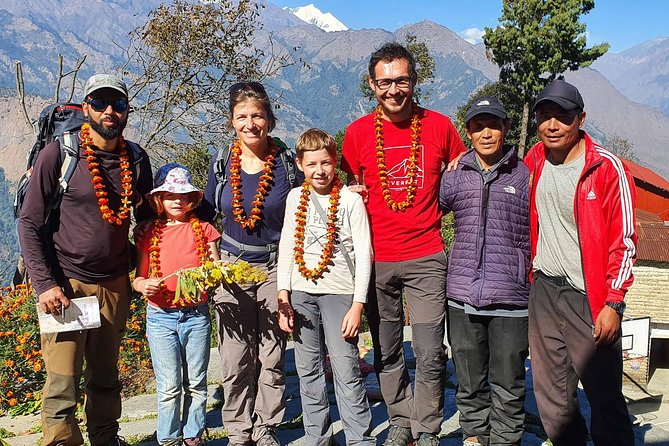
This trek is framed as new, easy, short, and peaceful. The route isn’t presented as a high-pass, technical mountaineering trip. Still, the itinerary includes days that can stretch long (some days list 10 hours or even longer time windows).
This trek suits you if:
- you want Himalayan views without needing a challenging high-pass itinerary
- you care about community impact and want your trek spending to support local welfare
- you’re comfortable with multi-day walking at elevation up to 3,313 meters
You should be careful or ask for adjustments if:
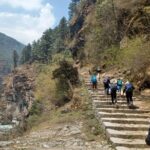
- you have joint problems or find it difficult going down stone stairs. The operator specifically notes that you should let them know so they can assist with a better/easier route
- you hate long road days. This itinerary includes major driving days from Kathmandu to Pokhara and back
Tips to get the most from your days on trail
These are the small choices that make the experience smoother:
- Take layers seriously on early-morning sunrise day. The trek provides a down jacket for Mohare Danda, but you’ll still need a sensible layer system under it.
- Move at your pace. Long days are easier when you keep steady effort instead of “surge and crash.”
- Treat community stops as part of the trek, not a sightseeing add-on. If you ask polite questions and pay attention, you’ll get more out of the village walking.
- Budget for water and snacks. Since drinking water isn’t included, plan ahead so you’re not stuck scanning for options while tired.
Should you book Mohare Danda Trek with Trekking Trail Nepal?
If you want a trek that mixes Himalayan views with a community welfare mission, I think this is a smart bet. The price feels reasonable when you account for guide/porter support, permits, and cold-weather gear for the highest point. The small group size and support tools (first-aid kit, oxygen monitor, duffle bag, map) also signal a setup that’s meant to be practical, not chaotic.
I’d skip it or at least discuss your needs first if you’re sensitive to long road travel or if descending stone stairs is a real problem for your body. The operator does offer route assistance for joint issues, but you have to tell them early.
If you’re planning your trip around impact, sunrise views at Mohare Danda, and a route through Magar villages, this trek is built for that exact goal.
FAQ
Where does the Mohare Danda trek start?
The trekking portion starts from Beni Bazaar on Day 3.
How long is the Mohare Danda trek?
The duration is listed as 10 days approximately.
What is the highest elevation on this trek?
Mohare Danda is listed at 3,313 meters above sea level.
Are permits and documentation included?
Yes. All required trekking permits and documentation are included.
What trekking support is included for guide and porters?
The package includes the trekking guide and porters, their wages, insurance, and gear.
What gear is included for the cold at Mohare Danda?
A sleeping bag and a down jacket are included for the Mohare Danda portion.
What meals are included?
The package includes 9 breakfasts, 6 lunches, and 5 dinners.
Is drinking water included?
No. Drinking water is not included.
How big is the group?
The maximum number of travelers is 11.
What happens if weather is bad?
This experience requires good weather. If it’s canceled due to poor weather, you’ll be offered a different date or a full refund.
Can I cancel if plans change?
You can cancel for free up to 24 hours in advance for a full refund, and cancellations within 24 hours are not refunded.