REVIEW · POKHARA
3-Day Poon Hill Trek from Pokhara.
Book on Viator →Operated by Eco Holidays Nepal · Bookable on Viator
One sunrise, three days, big mountains. This private Poon Hill trek is a classic teahouse-style Himalayan hike you can tailor to your needs, with meals and lodging handled for you, starting from Pokhara. I like the straightforward comfort (think sleeping bag and duffel included) and the focus on getting you to Poon Hill at sunrise without rushing your planning. The only real catch: it’s best for people with some hiking experience, and the pace can feel like a lot in a short 3 days.
Guides are a major part of the value here, and the names that keep showing up include BK, Shiva, Bikram, Sagar, and Sudip Shrestha, with solid mountain support and practical help for what to do each day. If you want the Himalayan experience but don’t want a week-long trek, this one hits the sweet spot—short, scenic, and culturally grounded.
In This Review
- Key highlights you’ll feel in your planning
- Why this 3-day Poon Hill trek from Pokhara is such a smart time-saver
- Getting to the start: pickup, private transportation, and the mobile ticket
- The teahouse rhythm: meals, twin rooms, and what’s not covered
- Poon Hill at sunrise: the payoff point you plan everything around
- The trail experience: rhododendron forests, villages, and rice fields
- Fitness and pacing: who this trek is best for (and who should think twice)
- Guide support that makes the difference: BK, Shiva, Bikram, Sagar, and Sudip Shrestha
- Price and value: what $410 includes, and what you should budget for
- Weather rules: why cloud cover and season matter for Poon Hill
- What to pack when your sleeping bag is already handled
- Who should book this trek (and who might choose another style)
- Should you book this 3-day Poon Hill trek?
- FAQ
- How long is the 3-day Poon Hill trek?
- Where does the trek start?
- Is this a private trek or shared group?
- What’s included in the price?
- What is not included?
- Do I need to bring a sleeping bag?
- Do I get teahouse accommodation and meals?
- Is cancellation possible if weather is bad?
- Is the trek only for very experienced hikers?
Key highlights you’ll feel in your planning
- Private trek you can customize for your group and comfort level
- Teahouse accommodation + included meals so you’re not guessing logistics daily
- Sleeping bag and duffel bag provided (less gear to carry from Pokhara)
- Poon Hill sunrise is the main event, with big panoramic payoff
- Moderate altitude profile and a trail that stays approachable for the right fitness level
- No porter included, so you’ll manage your own personal carry
Why this 3-day Poon Hill trek from Pokhara is such a smart time-saver
If your Nepal schedule is tight, Poon Hill is the kind of shortcut that still feels real. You’re not trying to “do a lot of trekking” for bragging rights—you’re trying to see the Annapurna views and experience teahouse trekking without spending a week living on trail.
What makes this trek especially practical is that it’s set up around comfort basics. Teahouse accommodation and meals are included, and you’re given a sleeping bag plus a duffel bag, so you can travel light. That matters because in a 3-day plan, every hour you waste on logistics feels bigger than it should.
The trek is also positioned as moderately challenging. It’s for travelers with hiking experience who are comfortable walking uphill for stretches and adjusting to a short, active itinerary. If you’re brand-new to hiking, you might still manage it—just know you’ll want to be honest about your pace.
You can also read our reviews of more tours and experiences in Pokhara.
Getting to the start: pickup, private transportation, and the mobile ticket
The experience includes pickup offered and private transportation, which is one of those unglamorous details that saves real stress. In Nepal, getting to the trail efficiently means you start trekking feeling like you’re on track instead of scrambling for transit.
You also get a mobile ticket, which is handy when you’re juggling multiple parts of a trip (Pokhara hotel, meals, and timing). You’re essentially buying a package that keeps the “how do I get there?” questions out of your head.
This is a private tour/activity, meaning it’s only your group. That’s a big deal for a trek like this, because sunrise timing and hiking pace work best when nobody in your group is constantly trying to negotiate the day.
The teahouse rhythm: meals, twin rooms, and what’s not covered
This trek uses teahouses, and that’s the core experience. You’ll sleep in tea house accommodation on twin sharing, with breakfast, lunch, and dinner included. The upside is simple: you’re not constantly budgeting and deciding where to eat.
Included meals also make pacing easier. On a short trek, it helps to know you’ll have food secured after hiking rather than hoping a place is open or stocked at the exact moment you arrive.
What’s not included is equally important:
- Alcoholic beverages are not included.
- Snacks and bottled water are not included.
- WiFi and battery charge are not included.
- Tips and personal expenses are not included.
So yes, you’ll spend less time planning meals, but you’ll still want a small daily budget for drinks, snacks, and any power hookups you might want. The lack of porter coverage (more on that below) also affects what “personal expenses” looks like, because you’ll likely carry your own comfort items.
Poon Hill at sunrise: the payoff point you plan everything around
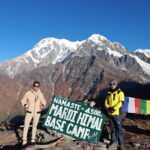
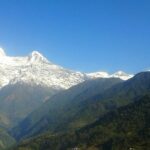
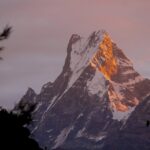
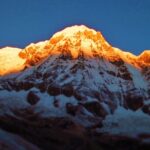
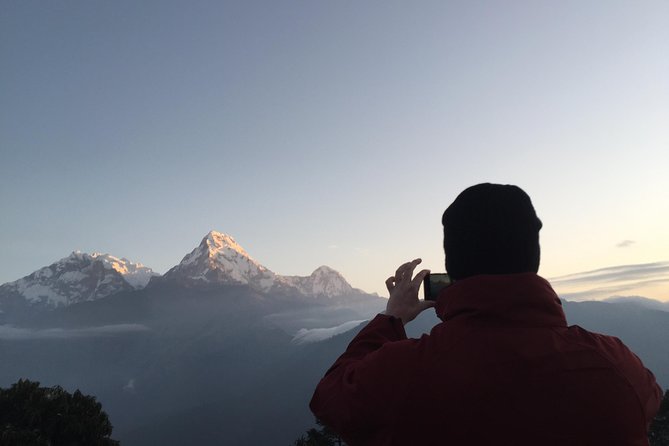
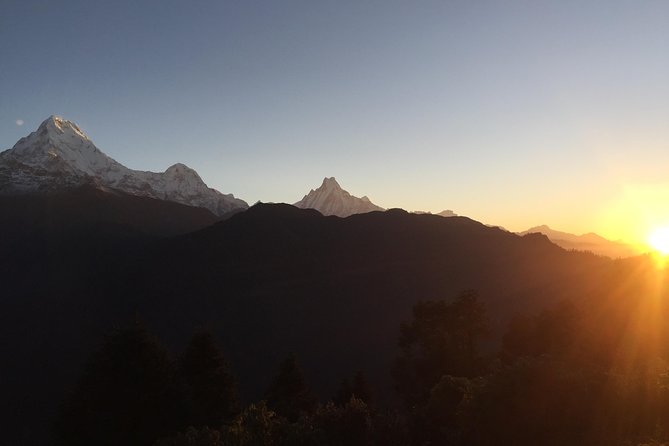
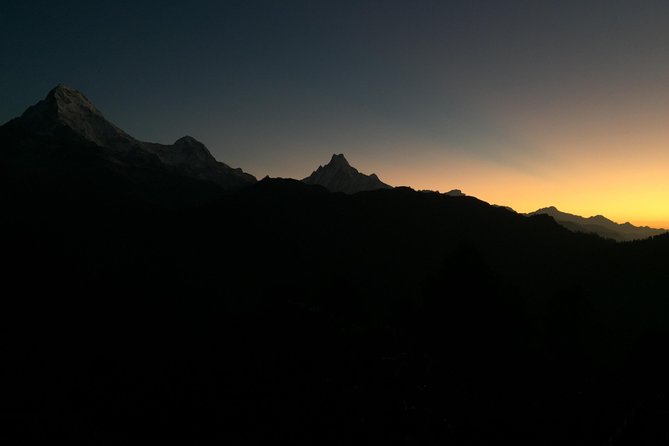
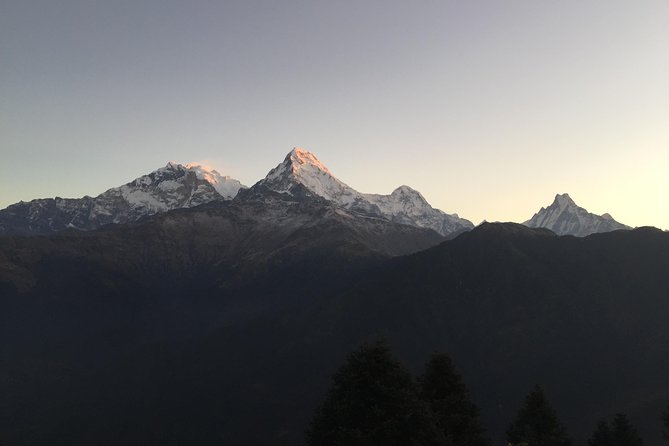
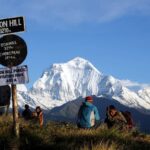
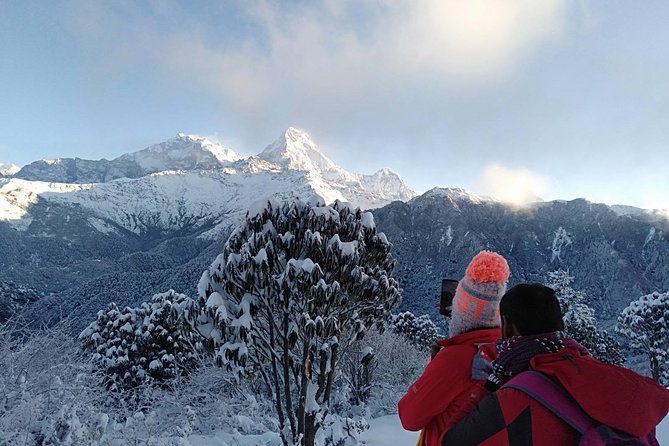
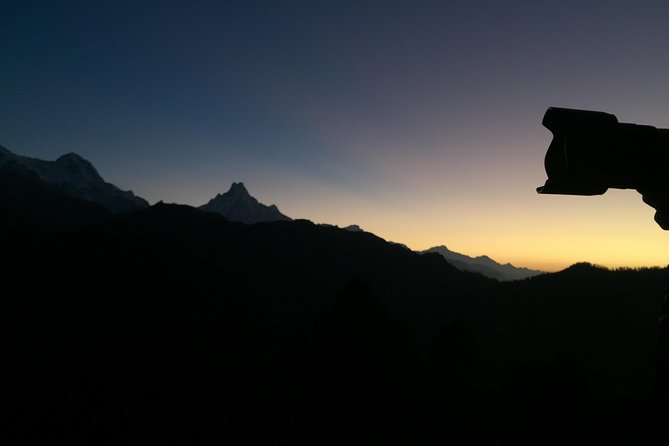
Poon Hill is the single most important stop. The trek is designed around getting you to the sunrise lookout point, where you can see up-close Himalayan views. This is the moment people remember because it turns all the uphill walking into something visual and dramatic.
The practical side of sunrise is that it’s early. Expect a pre-sunrise push, and plan to be okay with cooler air and less-than-perfect visibility if clouds roll in. The trip is described as requiring good weather, and if conditions aren’t right you may be offered a different date or a full refund.
If you want the best odds, don’t overschedule your entire Nepal day right before this trek. Keep your Pokhara time calm so you can go to sleep without stress and wake up on time.
The trail experience: rhododendron forests, villages, and rice fields
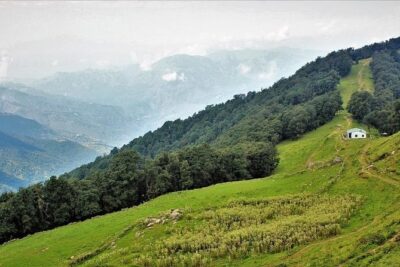
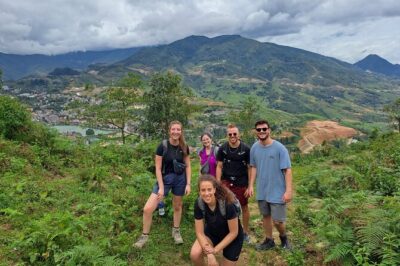
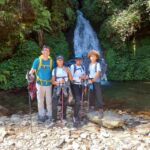
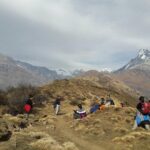
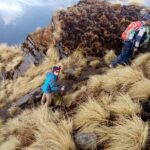
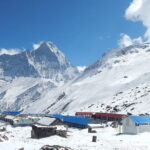
This is a classic Annapurna-region style hike in miniature. You’ll walk through rhododendron forests, mountain villages, and rice fields, which means the scenery changes even when the altitude doesn’t spike.
That variety matters on a 3-day trek. A lot of short hikes become one long stair step through the same kind of scenery. Here, the trek is set up so you’re not staring at the same view for the entire time.
You’ll also be seeing cultural life in remote areas, not just passing through scenery. That’s the main reason teahouse trekking feels different from a sightseeing day. You’re moving slowly enough to notice daily rhythms—people, rooms, food, and how life works along the trail.
Fitness and pacing: who this trek is best for (and who should think twice)
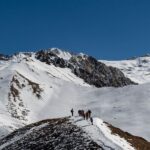
This trek is described as best suited to moderately fit travelers with hiking experience. That doesn’t mean it’s only for advanced hikers—it means you should understand how your body handles repeated uphill walking and how quickly you can recover between hikes.
A short trek can feel deceptively tough. You have less time to “spread out” discomfort. So you’ll want to pick a pace you can repeat across multiple walking segments.
If you’re a strong walker but not much of a trekker, go in with a practical mindset: slow steps, steady rhythm, and a willingness to take breaks. This is also where a good private guide matters—someone who helps you manage the day and your energy.
Guide support that makes the difference: BK, Shiva, Bikram, Sagar, and Sudip Shrestha
Guides are repeatedly highlighted in the provided information, and specific names come up: BK, Shiva, Bikram, Sagar, and Sudip Shrestha. The common thread is not just route knowledge—it’s being helpful, friendly, and experienced with how trekking days actually unfold.
In teahouse trekking, small guidance moments matter:
- knowing where to stop for meals and breaks
- helping you adjust what you packed
- making sure the day’s timing works for sunrise
You’re also told sleeping comfort is covered with a provided sleeping bag. That reduces one of the big “what if I packed wrong?” worries. And with a first aid kit included, there’s basic medical preparedness built in.
Bottom line: if you value a calm, well-managed experience more than you value solo exploration, this kind of supported private trek is a good match.
Price and value: what $410 includes, and what you should budget for
At $410 per person, you’re paying for a lot more than “a walk in the mountains.” You’re paying for:
- private transportation and pickup offered
- teahouse accommodation (twin sharing)
- breakfast, lunch, dinner
- sleeping bag and duffel bag
- all fees and taxes
- first aid kit
- mobile ticket
That inclusion list matters because it removes big travel-variable costs. Many “cheap” trek options start splitting costs fast once you add meals, lodging, and basic gear. Here, the essentials are packaged.
Now the costs you should still plan for:
- bottled water
- snacks
- alcoholic beverages
- WiFi or battery charging (not included)
- tips
- personal expenses
- porter (explicitly not included)
If you don’t want to carry much, that last point is the one to think about. Since a porter isn’t included, you’ll either carry your own bag or arrange help separately. In a 3-day trek, many people find they can manage personal carry—but it depends on how much you bring.
Weather rules: why cloud cover and season matter for Poon Hill
This experience is noted as requiring good weather. That’s not a scare tactic—it’s a reality for sunrise viewing. If clouds cover the views, the “wow” factor at Poon Hill can drop fast.
The policy stated here is practical: if the trek gets canceled due to poor weather, you’ll be offered a different date or a full refund. So you’re not just stuck.
For your planning, do two things:
- Give yourself flexibility in Nepal dates.
- Avoid treating the trek like an unmovable appointment. If clouds happen, you’ll want options.
What to pack when your sleeping bag is already handled
Since a sleeping bag and duffel bag are provided, you can cut down on heavy gear. That’s a big win for hands-free travel after you land in Pokhara.
You still need to think about:
- layers for early-morning cold near sunrise
- comfortable hiking shoes with grip
- a day bag for your water/snacks (since bottled water and snacks aren’t included)
- a small charge/power plan, because battery charging and WiFi aren’t included
Also, if you like your hiking “comfort extras” (tea, extra snacks, small drinks), budget for them. The trek covers meals, but you’ll still want personal choices sometimes.
Who should book this trek (and who might choose another style)
This is a strong fit if you want:
- a classic Himalayan teahouse experience
- big sunrise views in a short time
- private support and a customized feel for your group
- the essentials taken care of (meals, lodging, sleeping bag)
It’s less ideal if:
- you’re looking for a long, high-altitude expedition (this stays described as moderately challenging with limited altitude rise)
- you expect a fully hands-off carry experience (a porter is not included)
- you’re planning a packed, inflexible schedule around exact sunrise timing (weather can shift plans)
If your group includes older adults or people who value comfort management, private pacing can be a big advantage, as can the included sleeping setup.
Should you book this 3-day Poon Hill trek?
Yes—if you want the highest value of your Nepal time. This trek is priced like a supported experience, and the inclusion list matches that: private transport, meals, teahouse lodging, sleeping bag/duffel, and first aid setup.
You should book if you’re:
- moderately fit with some hiking comfort
- okay carrying your own personal items
- ready for a short itinerary that moves at a hiking rhythm
You might skip it (or look for a different version) if you want porter support included, or if your group is truly brand-new to hiking and you need more gradual time.
If you do book, go in with a simple mindset: focus on your sunrise plan, bring layers, and keep your expectations realistic about clouds. When the weather cooperates, this short trek delivers a lot of mountain “memory per hour.”
FAQ
How long is the 3-day Poon Hill trek?
The trek lasts about 3 days.
Where does the trek start?
The trek starts from Pokhara.
Is this a private trek or shared group?
It’s a private tour/activity, so only your group participates.
What’s included in the price?
Included are breakfast, lunch, and dinner; tea house accommodation on twin sharing; sleeping bag and duffel bag; first aid kit; private transportation; all fees and taxes; pickup offered; and a mobile ticket.
What is not included?
Not included are alcoholic beverages, snacks, bottled water, personal expenses, WiFi, battery charge, and tips. A porter is also not included.
Do I need to bring a sleeping bag?
No. A sleeping bag is provided, along with a duffel bag.
Do I get teahouse accommodation and meals?
Yes. Tea house accommodation on twin sharing and meals are included.
Is cancellation possible if weather is bad?
Yes. If it’s canceled due to poor weather, you’ll be offered a different date or a full refund.
Is the trek only for very experienced hikers?
It’s best suited to moderately fit travelers with hiking experience. Most travelers can participate, but your hiking comfort matters.