REVIEW · POKHARA
Annapurna Base Camp Trek (8 days)
Book on Viator →Operated by Nepal_first · Bookable on Viator
You’re heading into a place where the mountains do the talking. This Annapurna Base Camp trek is built around tea-house comfort, big Himalayan views, and a guide who connects the hike to local Gurung life. I really like that the trip handles the heavy admin with TIMS and ACAP permits and that your base-camp goal includes the iconic Machhapuchare (Fishtail) area. One thing to think about: the trek is fully customizable, so your pace and route choices can affect whether you finish on the longer end of the “8 days” plan.
If you want a straightforward way to do ABC without turning your holiday into logistics work, this is a strong option. You’re trekking through forests and trails toward the Annapurna Sanctuary, with time built in for the culture side and the sunrise-style payoff at base camp. Just keep your expectations flexible on days, because conditions and how you choose to tailor the itinerary can shift the timing.
In This Review
- Key highlights to watch for
- Annapurna Base Camp: the kind of goal that changes how you hike
- Madu’s guide style: why “local and prepared” matters on ABC
- The 8 days on the trail: forests, sanctuary paths, and base-camp payoff
- Tea houses and meals: included comfort, real mountain dining
- Base Camp sunrise and the Machhapuchare viewing moment
- Price and logistics: what $650 gets you (and what it doesn’t)
- How customizable really works on ABC (shorter, longer, or add-ons)
- Who this trek fits best (and who should think twice)
- Should you book this Annapurna Base Camp Trek?
- FAQ
- What’s included in the trek price?
- Does the tour include pickup from Pokhara?
- How long is the Annapurna Base Camp trek?
- Do I need to arrange permits for TIMS and ACAP?
- Are trekking gear and porters included?
- Is this a private tour?
- Who will guide me on the trek?
- Can the itinerary be changed to make it shorter or add other treks?
- What happens if weather conditions aren’t good?
- Can I cancel and get a refund?
Key highlights to watch for
- Madu, a local Pokhara guide (10+ years): experienced in managing trekking flow and day-to-day logistics.
- Permits handled for you: TIMS plus Annapurna Conservation Area Project permits included.
- Tea-house lodging and all trek meals: you can budget less for food and sleeping arrangements.
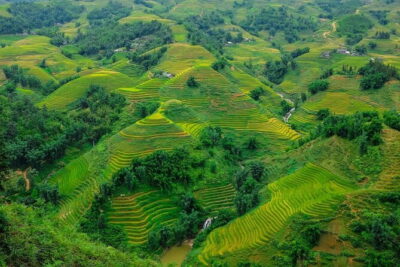
- Annapurna Sanctuary route: forest hiking up toward spectacular ranges like Annapurna South.
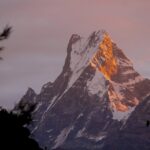
- Machhapuchare (Fishtail) stop included: an easy win for mountain photography and atmosphere.
Annapurna Base Camp: the kind of goal that changes how you hike
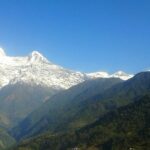
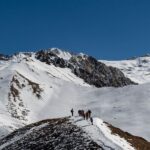
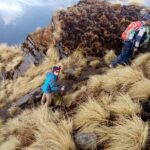
Annapurna Base Camp is one of those treks where the effort feels worth it fast. You start with trail views and forest walking, then the Annapurna Sanctuary theme pulls you upward toward a stage where the peaks start showing off in full.
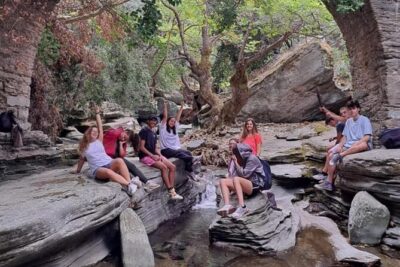
What makes this trek appealing is how it mixes practical trekking with real-world mountain life. You’ll use tea houses (not campsites), you’ll eat what locals eat on the trail, and you’ll meet fellow hikers along the way. That combo matters because it keeps the trip social and manageable without needing expert outdoor skills.
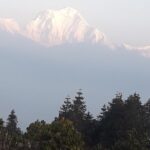
The other big draw is the view cluster your route targets. Your itinerary is designed around seeing Annapurna South, Machhapuchare (Fishtail), and other surrounding Annapurna peaks from the base-camp area. Even if clouds roll in for a day, you’re still hiking in one of Nepal’s most dramatic regions.
You can also read our reviews of more tours and experiences in Pokhara.
Madu’s guide style: why “local and prepared” matters on ABC
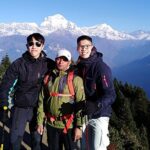
The tour’s named guide is Madu, a professional from Pokhara with over 10 years of trekking and guiding experience. That’s not just a resume line. On treks like this, a guide’s experience shows up in small choices: how the schedule feels, how you handle temperature changes, and how you keep the day from getting stressful.
From what’s shared about the experience, Madu’s strength is making the trek feel low-worry. The trip includes permits and logistics, and the guide helps keep your days moving without pushing you. One practical takeaway from the feedback is the value of pacing: you’re not forced into a sprint just to satisfy an itinerary.
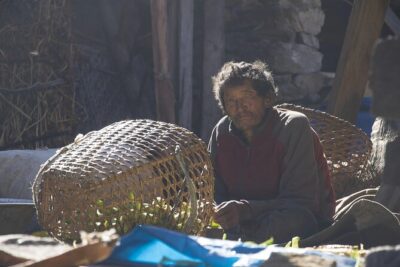
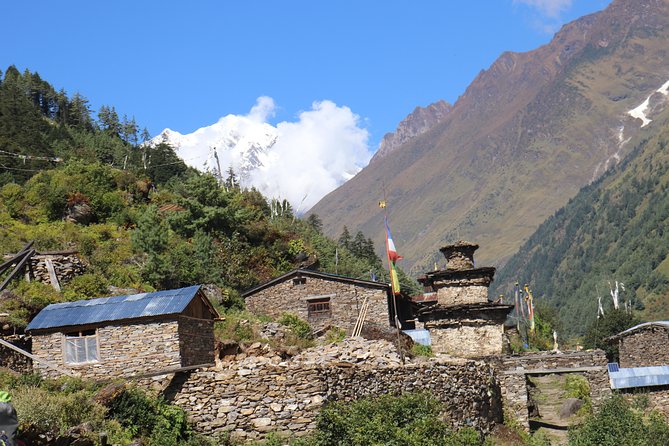
You’ll also learn about the lifestyle and culture of the Gurung people. That part matters if you don’t just want scenery. It turns your route into something you can talk about afterward: why people live where they live, how tea houses work, and how daily food and routines change as you climb.
The 8 days on the trail: forests, sanctuary paths, and base-camp payoff
This trek is listed as about 8 days, and it’s built around the classic ABC approach: trekking through the jungles/forested trails of Annapurna and working toward the Annapurna Sanctuary. I like how straightforward that is. You’re not hopping between far-flung regions. You’re building altitude step by step inside one coherent mountain “world.”
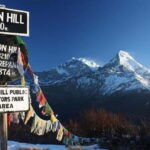
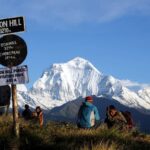
Because the trek is described as fully customizable, you can adjust the length—shorter, longer, or add extra destinations. The examples given are Poon Hill, the Annapurna Circuit, and/or Mardi Himal. That flexibility is useful if you’re fitting the trek into a broader Nepal plan (or if you just want to match your energy to your schedule).
For your daily rhythm, expect a pattern typical of tea-house trekking: hike during the day, rest and eat at a lodge, repeat. The included tea house lodging and all meals during the trek are a big deal here. It means you’re not hunting for food options or trying to guess costs at every stop.
One caution: a trip can feel like 8 days on paper, but the trail can shorten or extend based on pace and conditions. In the feedback you provided, someone noted they booked for 8 days but completed the trek in fewer days, and there was no compensation if the trek finished early. So if you’re tied to a strict end date, it’s worth discussing pacing and timing up front with the guide.
Tea houses and meals: included comfort, real mountain dining
This tour includes tea house lodging during the trek and all meals on the trek. That’s value you’ll feel quickly. ABC is cold enough at the wrong time, and hunting for meals after a long day is not the fun part of trekking.
Tea houses usually mean simple rooms and simple food—comforting, filling, and familiar for hikers. The key point here is that you’re not doing the logistics yourself. When everything from meals to where you sleep is handled, you can spend your attention on trail time and acclimatization choices.
Also, the included meals are a chance to taste what’s common on the trekking route. You’ll get a feel for the trail economy: what the lodges cook, how hot drinks work as the temperature drops, and how a routine forms among hikers.
If you’re the type who gets cold easily, build your packing plan around that. Even with included meals and lodging, you still need your own warm layers and trekking gear (gear is not included). The trip can handle the trail structure, but you’re still responsible for showing up prepared for mountain weather.
Base Camp sunrise and the Machhapuchare viewing moment
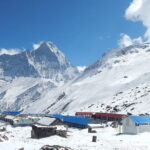
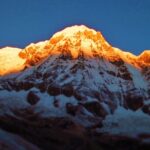
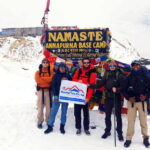
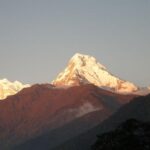
The “big moment” is the base-camp experience. The description highlights a sunrise-style crest over the Himalayas at ABC, plus the views you’re aiming for: Annapurna South, and Machhapuchare (Fishtail). On ABC, it’s not just about arriving. It’s about being there when the light hits.
The itinerary also explicitly includes a stop at Machhapuchare. Even if the exact viewpoint timing varies with weather, having that goal on your route is a smart move. Machhapuchare has that recognizable fish-tail silhouette that photographers love for a reason. It also helps make the trek feel like more than just a single destination day.
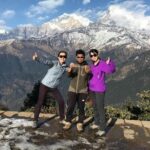
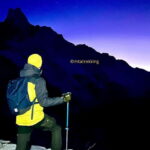
Weather can matter a lot on this trek. In December, one feedback example called out cold conditions but very sunny weather at the time they went. That’s a good reminder: winter can be harsh, but clear skies can make the effort worth it. If you’re sensitive to cold, you’ll want to plan your clothing and expect wind exposure at higher points.
Price and logistics: what $650 gets you (and what it doesn’t)
The price is $650 per person for an 8-day trek, and it’s booked about 32 days in advance on average. This pricing includes a meaningful slice of what people often end up paying separately: private transportation, permits (TIMS and ACAP), tea house lodging, and all meals during the trek.
That’s where the value shows. The trek’s biggest cost drivers are usually admin and daily logistics. If those are handled—especially permits—you reduce the chance of delays or unpleasant surprises.
What’s not included matters too. You’ll need to budget for:
- All fees and taxes (not included in the $650 figure)
- Personal expenses (snacks, souvenirs, extra drinks)
- Trekking gear (you bring your own)
- Porter services (not included)
Also, the tour includes pickup offered, and it’s listed as a private tour/activity where only your group participates. Private usually means better communication and less waiting around with strangers. It can also make customization easier, since the guide can tailor pace and route choices.
If you want help arranging porter services, the information says you can contact them. That’s worth considering if you have any limitations with carrying weight. But don’t assume a porter is automatic here—confirm what you want before you lock in your packing.
How customizable really works on ABC (shorter, longer, or add-ons)
The trip is described as fully customizable, including options to make the trek shorter, longer, or add other routes such as Poon Hill, the Annapurna Circuit, and/or Mardi Himal. I like this because ABC is often the first big Nepal trek for many people, and your body might need an easier ramp—or you might want more peaks once you’re hooked.
Customization also helps if your travel dates are tight. If you want to finish earlier to catch a flight or you want extra days to slow down, this sort of flexibility can be a lifesaver.
That said, customization isn’t magic. It can shift timing and pacing, and the earlier note about finishing the trek faster than the booked plan is a good example of why you should align expectations. Ask how the guide will decide day length and turnaround when conditions change.
Who this trek fits best (and who should think twice)
This experience is aimed at travelers with moderate physical fitness. If you can handle long hiking days on uneven paths and you’re willing to take it slow, you’re in the right zone.
It’s also a good match if you want:
- A guide-led trek with logistics handled
- Tea-house trekking rather than camping
- Culture context (Gurung lifestyle and food culture)
- A chance to meet other hikers on the trail without making your trip feel like a crowded group tour
Think twice if you:
- Have a very inflexible schedule and can’t risk a shorter or longer-than-planned pace
- Want a fully self-supported expedition style (this one relies on tea houses and included meals)
Finally, check your gear plan early. Even with lodging and meals included, you’re responsible for trekking gear, and that can be the difference between a trek that feels fun and one that turns into a sore-foot project.
Should you book this Annapurna Base Camp Trek?
I’d book it if you want a well-structured ABC trip with a real local guide, where your biggest logistical headaches are handled for you. Permits, meals, and tea-house lodging being included is a major quality-of-life win, and the focus on Annapurna South and Machhapuchare gives you a clear view agenda.
You might skip or customize differently if you’re very strict about exact day counts, since conditions and pacing can change the finish timeline. Also, since porters aren’t included, plan whether you’ll carry your own load or arrange porter support.
If you’re ready to hike, eat well on the trail, and chase sunrise mountain light at base camp, this is the kind of trek that turns into a story you keep repeating.
FAQ
What’s included in the trek price?
The price includes private transportation, TIMS and Annapurna Conservation Area Project permits, tea house lodging during the trek, and all meals during the trek.
Does the tour include pickup from Pokhara?
Yes. Pickup is offered, and private transportation is included.
How long is the Annapurna Base Camp trek?
It’s listed as 8 days (approx.).
Do I need to arrange permits for TIMS and ACAP?
No. Permits (TIMS and ACAP) are included, and the logistics are handled for you.
Are trekking gear and porters included?
No. Trekking gear is not included, and porter services are not included. You can contact them if you want help arranging a porter.
Is this a private tour?
Yes. It’s a private tour/activity, meaning only your group participates.
Who will guide me on the trek?
The trek is led by Madu, a local professional guide from Pokhara with over 10 years of trekking and guide experience.
Can the itinerary be changed to make it shorter or add other treks?
Yes. The trek is described as fully customizable, including the ability to make it shorter/longer and add places like Poon Hill, the Annapurna Circuit, and/or Mardi Himal.
What happens if weather conditions aren’t good?
The experience requires good weather. If it’s canceled due to poor weather, you’ll be offered a different date or a full refund.
Can I cancel and get a refund?
Free cancellation is available if you cancel up to 24 hours in advance for a full refund. If you cancel less than 24 hours before the start time, the amount paid is not refunded.