REVIEW · POKHARA
Poon hill Trek 3 days
Book on Viator →Operated by Nepal Wilderness Trekking · Bookable on Viator
Poon Hill sunrise is worth the early push. This 3-day trek from Pokhara is built around the big view moment over the Annapurna region, plus a small group (max 12) so the pace feels human. I also like that it’s guided end-to-end, so you’re not stuck figuring out meals, lodging, and logistics on the fly.
What makes the experience practical (and genuinely relaxing) is that your expert guide handles the plan, including accommodation and breakfast, lunch, and dinner while you’re on the trek. There’s also a porter setup—1 porter for every 2 people—so you can keep your own load light.
One thing to consider: it’s not a stroll. The first day includes 3,000+ steps to Ulleri, and you should have a moderate fitness level to enjoy it.
In This Review
- Key highlights worth knowing
- Sunrise at Poon Hill: why this trek earns its hype
- Pokhara to the trail: pickup, timing, and how the day starts
- Day 1’s stair climb to Ulleri: where the challenge actually lives
- Day 2 trekking through rhododendrons, valleys, and village life
- Day 3 at Poon Hill: sunrise timing and what to do with clouds
- Guides, porters, permits, and why organization changes everything
- Price and value: what $230 really buys you
- Gear and comfort: poles, micro spikes, and staying warm
- Who should book this 3-day Poon Hill trek
- Should you book this 3-day Poon Hill trek?
- FAQ
- How long is the Poon Hill trek for this tour?
- Where does the tour start and when?
- What group size is this trek limited to?
- Does the tour include pickup and transportation?
- What permits are included?
- Is an expert guide included?
- Do I get porter support?
- Are meals included?
- Are hiking poles and micro spikes provided?
- Is a hotel in Pokhara included?
- Are beverages and tips included?
- What about cancellation or refunds?
Key highlights worth knowing
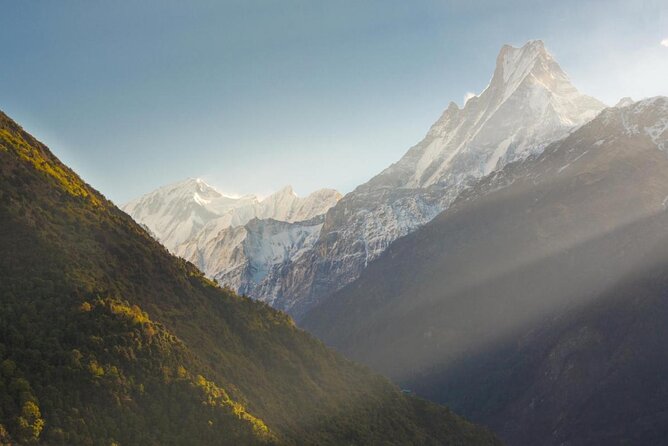
- Annapurna sunrise focus from Poon Hill, with multiple major peaks visible on clear mornings
- Small-group trekking (up to 12) for quieter trail time and less waiting around
- Guide-led pacing with check-ins and breaks when you need them (including on the Ulleri steps)
- Porter support (1:2 ratio) to reduce what you carry on a short trek
- Permits included: ACAP and TIMS, handled as part of the tour package
- Seasonal traction support: micro spikes provided for Dec to Feb
Sunrise at Poon Hill: why this trek earns its hype
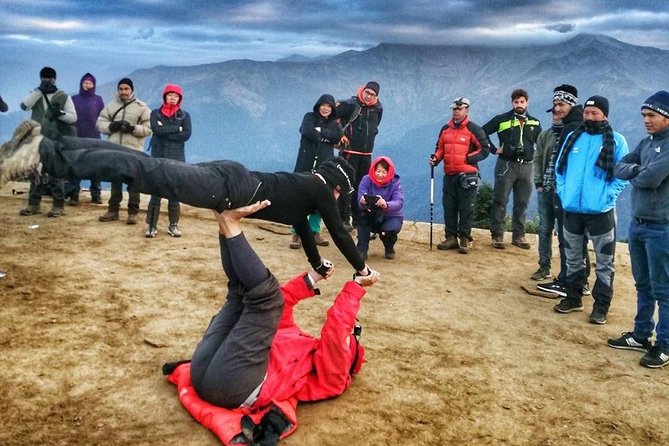
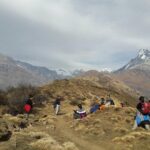
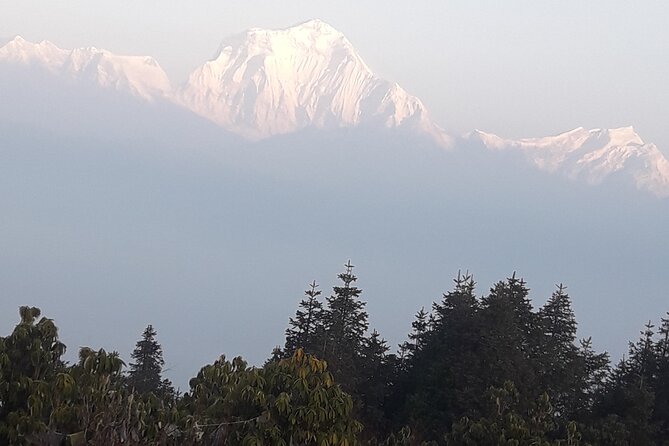
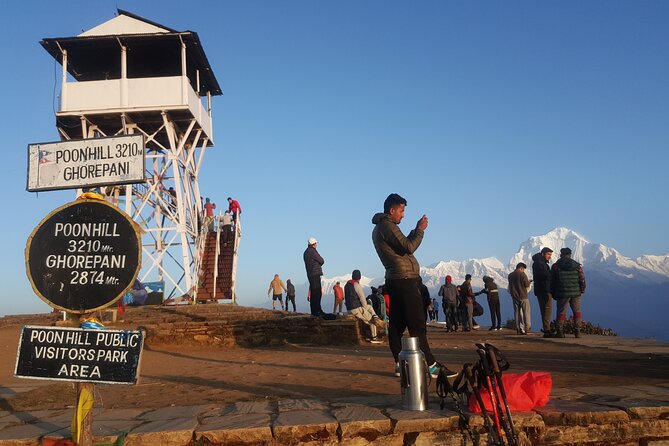
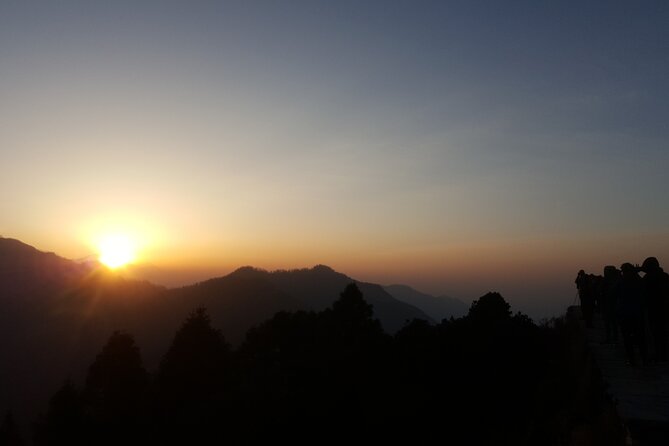
Poon Hill is popular for a reason: it’s one of the shortest routes in the Annapurna region that still delivers that classic “Himalaya in full view” moment. On clear mornings, you’re aiming for sunrise from the summit area, when the light starts to hit the ridgelines instead of just the hills around Pokhara.
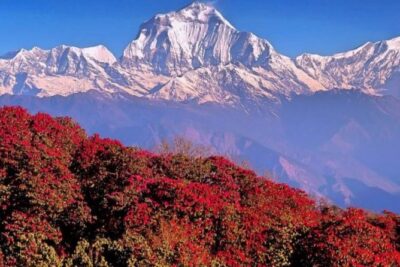
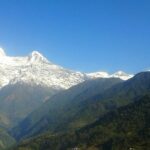
From the viewpoint area, the trek is framed to deliver wide-angle mountain drama. You can look toward the Dhaulagiri Himal (8,167m), plus Tukuche Peak (6,920m) and the chain of peaks that tends to dominate many Annapurna-area views—Annapurna I, II, and III, along with Manaslu Himal, Mardi Himal, Nilgiri, and Khopra danda. You also get big valley context with the Kali Gandaki Valley and the Jomsom horizon in the mix, which helps you understand where you are in the larger geography.
The best part? Even though this is short, it doesn’t feel like a checklist trek. The route is designed to get you up high enough to appreciate what you’re looking at—so sunrise isn’t just pretty weather, it’s a reward for the day-before effort.
You can also read our reviews of more tours and experiences in Pokhara.
Pokhara to the trail: pickup, timing, and how the day starts
This tour runs out of Pokhara. You can expect private transportation and a pickup offered setup, with the meeting point described as near public transportation. Start time is 8:15am, so plan to be ready a bit earlier—Himalayan treks move fast once the day is rolling.
The timing matters because Poon Hill sunrise requires an early push on day three. On a 3-day format, there’s no room for slop. What I like about this tour’s structure is that it keeps the rhythm tight: you get walking days that build, then a payoff morning where the goal is sunrise visibility.
Also, you get a mobile ticket, which is one less thing to print, lose, or forget. That sounds small, but on a trek where you’re managing permits, cash, and layers, small friction adds up.
Day 1’s stair climb to Ulleri: where the challenge actually lives
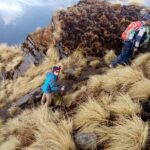
Day one is the leg-stretcher. The highlight from the experience data is that you’ll tackle 3,000+ steps leading to Ulleri. That’s not just a statistic—it’s the core physical test of this trek.
So how do you handle it?
- Go slower than you think you should. Steps like this punish ego.
- Use the provided hiking poles to take pressure off your knees.
- Expect breaks. In at least one example experience, the guide was attentive and helpful, checking in and adjusting pacing for a set speed plus extra breaks.
This is the day when you’ll feel your calves and thighs, then later you’ll feel the satisfaction of having “paid” for the altitude. It also sets you up mentally for the next two days, which are more about steady progress than one huge vertical moment.
You’re also moving through mountain areas where the vegetation becomes part of the story. The trek is described as a way to discover floral and fauna of the mountains, and the routes around this region are known for colorful rhododendrons. Even if the flowers aren’t the main photo theme, they’re a real part of what makes a short trek feel like it has texture, not just elevation.
Day 2 trekking through rhododendrons, valleys, and village life
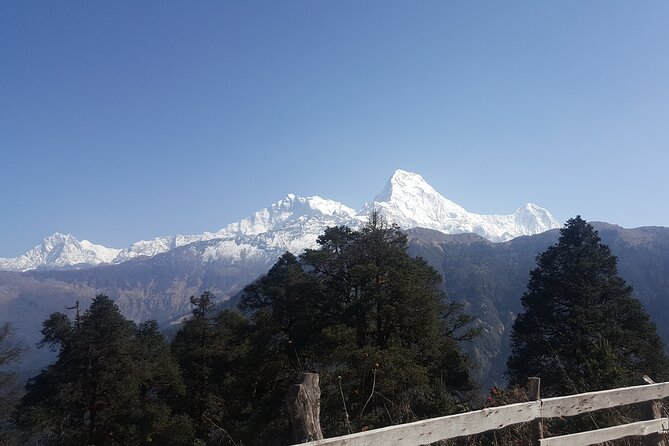
Day two is where the trek starts to feel like a genuine walk through the Annapurna region rather than a straight line to a viewpoint. The information about the views is broad and points to what you may catch along the way: major peak silhouettes, the Kali Gandaki Valley, and Jomsom horizon views that help you see the bigger system around you.
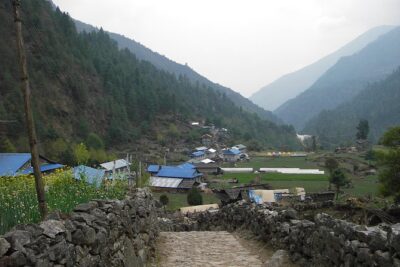
There’s also a cultural thread you shouldn’t ignore. The route area includes Gurung and Magar villages, and on a guided trek this matters because you’re not just passing through—you’re traveling with someone who can explain what you’re seeing at a human scale. Even on a short 3-day version, that kind of context turns “passing huts” into meaningful moments.
And then there’s the plant life. You’ll hear about rhododendrons specifically, which is a clue to what your trail might look like—sections where the path is framed by shrubs and seasonal growth rather than just bare rock and loose dirt.
The practical upside of day two is that your body usually learns the rhythm. After the Ulleri step push, this day tends to become about consistent effort: steady climbs and descents, enough time for breaks, and constant mountain checking in your peripheral vision.
Day 3 at Poon Hill: sunrise timing and what to do with clouds
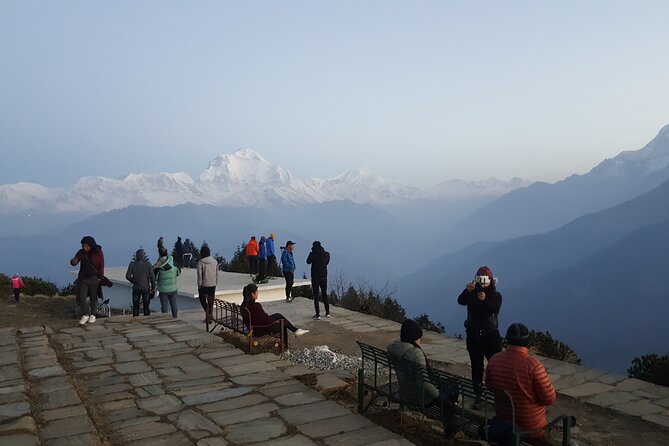
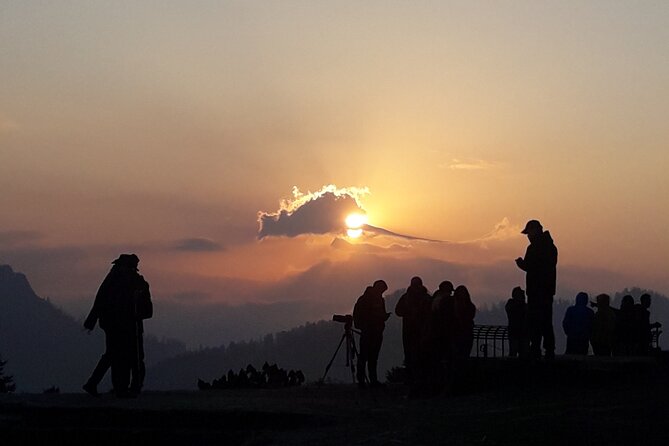
Day three is the “don’t sleep through it” morning. The goal is sunrise from Poon Hill, so you’ll be moving early while most of the surrounding world is still dark.
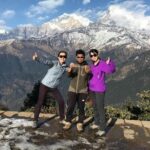
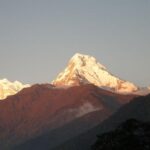
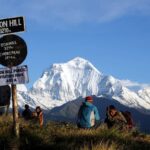
Here’s what you’re aiming to see when conditions cooperate: the Annapurna massif and the surrounding peaks that were already name-checked as part of the panorama. From the viewpoint, you’re set up for a sweeping show—Annapurna I, II, and III, plus the broader range context that includes the Dhaulagiri Himal view and valley depth toward Kali Gandaki.
Now the honest consideration: sunrise quality depends on weather. One of the example experiences highlighted clear weather at the top after a few days of cloudiness. That’s great news, but it also tells you the trek has a weather variable—one morning is not guaranteed to look like another.
What you can control is your mindset and pacing. Go early, don’t rush the steps, and let the light build. If it’s partly cloudy, the mountain shapes can still change dramatically as clouds thin or shift. The point is to be ready for the mountain to do its thing, not for you to force it.
Guides, porters, permits, and why organization changes everything
This is where a short trek can either feel stressful—or surprisingly smooth. The tour is designed for “care free” trekking, and the key is that a local guide organizes things for your group: accommodation, meals, and everything for the trekking period.
Included with the tour:
- Expert guide
- ACAP permit
- TIMS permit
- 1 porter for every 2 pax
- kit bag
- hiking poles
- micro spikes for Dec to Feb
That permit detail is bigger than it sounds. In Nepal trekking, permits are part of legal access. Having ACAP and TIMS included means you don’t have to scramble for the paperwork once you’re already on the ground and trying to pack light.
The porter ratio is also a genuine comfort upgrade. On a 3-day trek, you still want to keep your hands free for breaks, photos, and layers. A 1:2 porter setup helps a lot if your own packing tends to run a bit heavy.
Guide quality shows up in the way the hike is paced. One example mentions Sabin by name, with the guide being attentive, knowledgeable, and willing to match your pace with stops when needed. That’s exactly the sort of guidance you want on a route that includes serious step sections—because smart pacing is the difference between enjoying the view and just surviving the climb.
Price and value: what $230 really buys you
The price is listed at $230 for a 3-day trek package, and the value comes down to what’s included and what isn’t.
Included in the $230:
- Private transportation
- Breakfast, lunch, dinner during the trek
- ACAP + TIMS permits
- Expert guide
- Porter support (1 porter per 2 people)
- Kit bag
- Micro spikes (Dec to Feb)
- Hiking poles
What’s not included:
- Hotel in Pokhara
- All beverages (including soft drinks and caffeinated drinks like Coke, beer)
- Tips for guide and porter
- Any scuba equipment (not relevant for most people, but it’s clearly not part of this trek)
For a short Himalayan trek, food and lodging logistics can eat time and energy—especially if you’re trying to arrange it yourself after you land. Here, the guide handles meals and sleeping arrangements during the trek period. That’s part of why this cost can feel reasonable: you’re paying for time saved, plus local coordination and permit management.
Is it the cheapest way? Maybe. But it’s also not trying to be the bare-minimum option. It includes key support items—poles, seasonal micro spikes, and the porter ratio—that help you enjoy the hike instead of turning it into a gear management project.
Gear and comfort: poles, micro spikes, and staying warm
Even though this is a short trek, mornings can feel sharp when you’re climbing early. The good news is you’re not starting from zero: the trek includes hiking poles, and for December to February you get micro spikes.
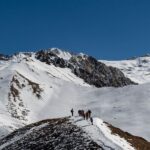
That seasonal traction matters because the trail surface can become slippery in colder months. You don’t have to guess which purchase to make or whether you’ll wish you brought traction—this tour supplies it when it’s most needed.
Beyond the traction basics, the practical comfort advice is simple: dress in layers and plan for temperature swings between early morning and the mid-day hours. You’ll likely start cold and warm up as you climb.
Also keep your own load realistic. With porter support (1:2), you can pack lighter than you might on an unsupported trek. If you bring too much, you’ll just spend time carrying extra bulk in addition to your regular fatigue.
Who should book this 3-day Poon Hill trek
This trek makes the most sense if you want:
- A short trekking window with a big highlight payoff at sunrise
- A beginner-friendly format (the trek is described as great for beginners and people short on time)
- A guided experience where accommodation and meals are handled for you
- Small-group hiking with a practical cap of 12 trekkers
You’ll be happiest if you’re comfortable with stairs and can handle a moderate fitness level. The Ulleri section with 3,000+ steps is the biggest strain point, and the rest of the trek is about consistent walking—not technical climbing.
I’d be cautious if:
- Your fitness level isn’t “moderate,” meaning a step climb drains you quickly.
- You hate early mornings. Day three is built around sunrise timing.
Should you book this 3-day Poon Hill trek?
If your goal is Annapurna-region views in a compact time frame, I think this trek is a strong booking choice. You’re paying for three things that matter a lot on short treks: small-group control, guide-led logistics, and support on the trail (porters, poles, and seasonal traction).
Book it if you:
- Want the sunrise payoff from Poon Hill
- Prefer being guided rather than coordinating everything yourself
- Like the idea of a stair challenge but still want it paced with help
One caution before you click confirm: this experience is described as non-refundable and cannot be changed for any reason. If your dates are flexible, you’ll want to think twice.
FAQ
How long is the Poon Hill trek for this tour?
The duration is listed as approximately 15 to 18 hours total over 3 days.
Where does the tour start and when?
The start time is 8:15am, and the meeting point is near public transportation in Pokhara.
What group size is this trek limited to?
This tour has a maximum of 12 travelers.
Does the tour include pickup and transportation?
Yes. Private transportation is included, and pickup is offered.
What permits are included?
The trek includes the ACAP permit and TIMS permit.
Is an expert guide included?
Yes, an expert guide is included.
Do I get porter support?
Yes. There is 1 porter for every 2 pax.
Are meals included?
Yes. Breakfast, lunch, and dinner during the trek are included.
Are hiking poles and micro spikes provided?
Yes. Hiking poles are provided, and micro spikes are included for Dec to Feb.
Is a hotel in Pokhara included?
No. A hotel in Pokhara is not included.
Are beverages and tips included?
No. All beverages are not included, and tips for the guide and porter are not included.
What about cancellation or refunds?
This experience is non-refundable and cannot be changed for any reason.