REVIEW · POKHARA
From Pokhara: 4-Day Annapurna and Poon Hill Himalayan Trek
Book on GetYourGuide →Operated by Fewa Trail Treks and Expedition Pvt Ltd · Bookable on GetYourGuide
One early-morning climb can change your week. This 4-day Annapurna and Poon Hill trek gives you a classic sunrise payoff over the Annapurna Range, plus forest walking and village views that feel far from the main road. You’ll also get a real break from hiking with a dip in Jhinu hot springs, where people go for its healing reputation.
What I like most is the mix: dramatic viewpoints and day-to-day trail life. You get the Poon Hill sunrise moment, then follow the trail through lower Himalayan forests toward places like Tadapani and Ghandruk, a well-known Gurung village. The second big win is that it’s guided by a licensed English speaker, so you’re not left sorting out teahouse logistics on your own.
One consideration: route timing can shift after big weather events or road damage. In one case, a landslide forced an itinerary adjustment that cost someone a day, even though the sunrise at Poon Hill was still the highlight. If you’re planning around a tight schedule, build in a little flexibility and ask how changes would be handled if conditions turn.
In This Review
- Key highlights that make this trek worth your time
- First Look: why Poon Hill still works as a 4-day plan
- Price and value: what $287 really buys you
- Getting to the trail: Pokhara pickup and the Ulleri start
- Day 1 (Ghorepani): your first 5 hours of uphill rhythm
- Day 2 (Poon Hill sunrise to Tadapani): the Annapurna Range reveal
- Day 3 (Jhinu hot springs to Ghandruk): recovery plus Gurung culture
- Day 4 (Nayapul to Pokhara): end the trek smoothly
- What’s included (and why it matters on a short trek)
- What’s not included: food and drinks (plan for it)
- Guides, pacing, and the weather reality
- Who should book this trek (and who should skip it)
- Should you book it? My decision checklist
- FAQ
- FAQ
- How long is the trek, and when does it end?
- What are the daily hiking times?
- What is included in the price?
- Is food included?
- Do I need a passport?
- Is this trek suitable for everyone?
Key highlights that make this trek worth your time

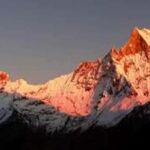
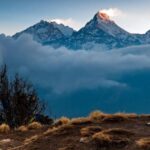
- Sunrise at Poon Hill: early hike, then the full Annapurna Range view when clouds cooperate
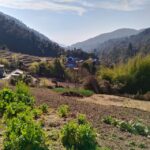
- Lower Himalaya forest walking: calmer, greener trekking day that still feels remote
- Tea house stays in Ghorepani, Tadapani, and Ghandruk: simple, practical lodging along the trail
- Jhinu hot springs bath: a welcome recovery break after several hours on your feet
- Cultural stop in Ghandruk: a strong Gurung village feel with architecture and daily life
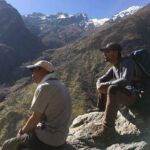
- Private guide support: licensed English help plus permits and planning handled for you
First Look: why Poon Hill still works as a 4-day plan

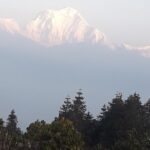
Poon Hill is one of those places that earns its reputation without trying too hard. You’re not chasing a technical climb. You’re going uphill early, then getting a wide, photogenic view of the Annapurna Range—the kind of sight that makes you stop scrolling through your phone and actually look at the sky.
This itinerary also makes smart use of the short duration. Instead of cramming in only viewpoints, you walk through the lower Himalayan forest and village paths, so the days feel like a trek, not just a long morning and then back down. And by including Jhinu hot springs, the route gives you a concrete reward that isn’t only a view.
Finally, since this is built from Pokhara with pickup and a private guide, it’s a strong choice if you want a guided, low-stress start. You’ll still need to be physically ready for uphill hiking, but the “figuring stuff out” part is handled.
You can also read our reviews of more tours and experiences in Pokhara.
Price and value: what $287 really buys you

At $287 per person for a 4-day trek, the value is mostly in the included support: hotel pickup/drop-off, permits, accommodation in tea houses/guest house, and a licensed English-speaking guide. For a trek in Nepal, permits and guide coordination add up quickly if you plan it yourself.
Here’s the practical math in plain terms:
- You are paying for 4 days of guided logistics (including permits and guide expenses)
- You are also paying for sleeping arrangements on the trail (tea houses/guest house)
- What you don’t pay for is food and drinks, which you buy along the way
So the real budget question isn’t just the headline price. Plan on extra money for meals, snacks, and drinks at teahouses. If you keep food simple, tea house meals are usually reasonable—but carry cash and expect prices to vary by day and location. If you like coffee, hot chocolate, or extra snacks, that can add up fast on a short trek.
Also keep in mind that the price assumes you’re booking for a start time/date with availability. If you have very specific days you must hike, you’ll want to confirm timing early so you’re not stuck waiting.
Getting to the trail: Pokhara pickup and the Ulleri start

Your day begins with hotel pickup and drop-off in a private car/jeep from Pokhara. From there, you drive toward the Ulleri area, then start hiking upward to Ghorepani.
This is a big deal more than it sounds. Trekking in the Annapurna region starts with elevation. The faster you get to the right trail point, the more your hiking hours actually feel like hiking—less time spent in transit without a clear payoff. With pickup included, you don’t have to negotiate a taxi, chase a ride, or wonder whether your driver will understand the route.
If you’ve never trekked in Nepal before, this style of setup is beginner-friendly because it turns the first day into a straightforward ramp-up: drive, hike, tea house sleep.
Day 1 (Ghorepani): your first 5 hours of uphill rhythm
On Day 1, after breakfast you’ll drive toward Ulleri and then hike up to Ghorepani. Expect about 5 hours of trek time, plus breaks as needed.
Ghorepani matters because it’s your base for Poon Hill. It’s also where you start getting the feel of the trail pattern: gradual climbs, steps that can feel longer than you expect, and the rhythm of stopping just often enough to keep moving.
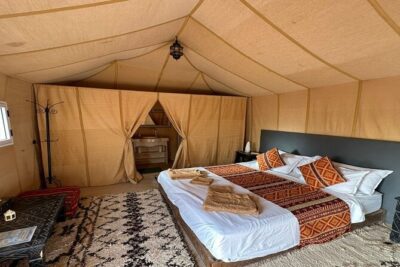
Your overnight is in a tea house/guest house in Ghorepani. That means you’ll have a warm-ish place to recover, order a meal, and get a good night’s sleep for an early morning. If you’re sensitive to altitude, this is also a good place to take it easy the rest of the evening—short walk only, early bedtime.
What to watch for: Day 1 is your “setup day.” Don’t turn it into a race. If you push too hard, Day 2 is going to feel longer than it should.
Day 2 (Poon Hill sunrise to Tadapani): the Annapurna Range reveal

Day 2 is built around an early start. You head out toward Poon Hill for sunrise, then hike down and continue onward to Tadapani.
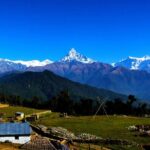
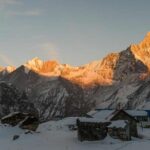
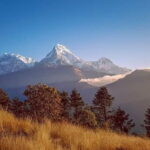
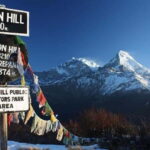
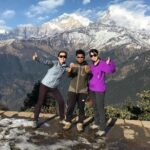
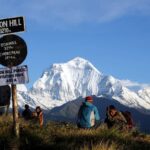
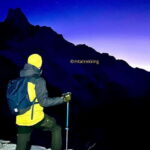
The payoff is the reason most people do this trek: Poon Hill. The climb to the viewpoint is about 1 hour to the top, and you’re rewarded with a full view of the Annapurna Range. Sunrise here is one of those moments where the best plan is the simplest one—get up early, keep moving, and be ready to accept that weather can change quickly.
Then the second half of the day turns into trekking work. After breakfast back in Ghorepani, you continue toward Tadapani, with about 6 hours of trek time. Overnight is in Tadapani (tea house).
A useful tip from experience: weather matters here more than you might think. One guide, Muku, was praised as good, but the bigger lesson was that you shouldn’t rely on luck. If you’re booking, ask your guide about the weather window for sunrise and how they’ll adjust if clouds roll in. You can’t control the sky—but you can control your decision-making.
Also, start thinking about foot recovery. On Day 2, your legs often feel fine until the descent starts. Bring socks you’re comfortable in and keep your pace controlled on the way down. Your knees will remember if you rush.
Day 3 (Jhinu hot springs to Ghandruk): recovery plus Gurung culture
Day 3 is where the trek shifts from scenery to restoration. You move onward toward Jhinu for a bath in the hot springs. The water is considered therapeutic, and the “short stay” is exactly what you want after a couple of big hiking days.
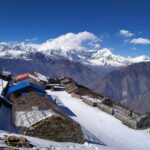
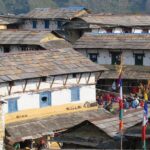
After that, you head to Ghandruk, a Gurung village known for its architecture and for how people have adapted to life in the Himalayas. Your trek time is about 6 to 7 hours today, and the overnight is in Ghandruk (tea house/guest house).
This is a great day for two reasons:
- The hot springs give you a real recovery break, not just a restaurant meal.
- Ghandruk gives you context. It’s not only mountains in the background; it’s people living there, shaping the village and daily routines around the terrain.
Practical mindset: treat the hot springs like an in-between moment, not a whole-day spa plan. Stay long enough to feel relief, then get moving. You’ll be happier if you keep your momentum rather than letting the warmth slow you down into a tired finish.
Day 4 (Nayapul to Pokhara): end the trek smoothly
On Day 4, you hike down to Nayapul, then drive back to Pokhara for hotel drop-off. This is your “closing day,” so the goal is to finish strong without burning your legs early.
The trek ends when you reach Nayapul, and the tour concludes with the drive back. This is exactly the kind of wrap-up that works well for most people: you don’t have to plan the next transport step after your hike is over.
If you feel stiff or sore afterward, that’s normal. Your body is doing altitude, movement, and uneven footing at the same time. A warm shower and a long meal in Pokhara can feel like part of the tour.
What’s included (and why it matters on a short trek)
Here’s what you’re getting without having to negotiate in the moment:
- Hotel pickup and drop-off in a private car/jeep
- All necessary permits
- Accommodation in tea houses or guest house
- Licensed English-speaking guide
- Guide expenses
On a 4-day trek, that bundle matters because the biggest friction is not walking—it’s coordination. Permits, permits checks, and knowing where to stay in the right places can be stressful if you’re trying to do everything independently.
Also, the guide can be the difference between a “hard but manageable” trek and a “why are we doing this” trek. Even when the trail is straightforward, having someone licensed who can explain routes and help you navigate the day-to-day rhythm is a real form of value.
What’s not included: food and drinks (plan for it)
Food and drinks are available to purchase, not included. Tea houses typically offer meals along the route, so you’re not stuck with nothing. But you should budget for it.
If you want fewer surprises:
- Carry some cash for small purchases
- Keep snacks on hand for hunger between meals
- Expect hot drinks to be priced as comfort purchases, not necessities
This is one of those categories where you can control your spending easily if you plan ahead.
Guides, pacing, and the weather reality
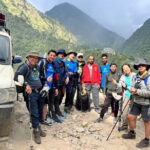
Two guide names came up when people talked about this trek: Gobinda and Muku. Gobinda was described as kind and helpful, making the trip comfortable. Muku was also praised, with the note that better attention to weather forecasts could improve the sunrise outcome.
Here’s the practical takeaway for you: you want a guide who watches conditions. Sunrise at Poon Hill can be spectacular or muted depending on cloud cover. You can’t force clear skies, but you can:
- Start on time for the viewpoint
- Ask about forecast timing the day before
- Have a realistic expectation that plans can change if conditions or roads get affected
If you’re someone who really needs the sunrise view, ask how they’ll handle fog or clouds. A good guide will be clear about what’s possible and what the backup approach is.
Who should book this trek (and who should skip it)
This trek fits best if you:
- Want a classic Annapurna experience in a short time
- Like sunrise viewpoints and also want village and forest trekking
- Prefer a guided trek with English support
- Are comfortable with tea house-style stays
It may not fit if you:
- Are pregnant (listed as not suitable)
- Have mobility impairments (also listed as not suitable)
- Need a flat, easy walk throughout (this is uphill and downhill trekking)
Also, if you’re extremely schedule-tight, consider the possibility of route adjustments from landslides or road damage. That doesn’t happen every day, but it’s a real factor in mountain regions.
Should you book it? My decision checklist
If your main goal is Poon Hill sunrise plus a mix of forest trekking, Jhinu hot springs, and a cultural stop in Ghandruk, this is a smart 4-day plan. The price feels reasonable because it includes guide support, permits, transport, and overnight lodging—things that are annoying to handle last minute.
I’d book it if:
- You’re okay paying extra for meals and drinks
- You want a guided trek with real route structure
- You’re flexible enough to accept minor changes if conditions shift
I’d hesitate if:
- You can’t deal with the idea that roads or timings might adjust
- You’re booking with zero buffer time for delays
FAQ
FAQ
How long is the trek, and when does it end?
The trek lasts 4 days. It starts in the morning from Pokhara with pickup, and it ends on Day 4 when you hike down to Nayapul and then drive back to Pokhara for drop-off.
What are the daily hiking times?
Approximate trek times are: Day 1: 5 hours to Ghorepani; Day 2: 6 hours (including the Poon Hill sunrise hike and trekking toward Tadapani); Day 3: 6 to 7 hours (Jhinu to Ghandruk); and Day 4 is the descent to Nayapul, followed by a drive back to Pokhara.
What is included in the price?
Included are hotel pickup and drop-off by private car/jeep, all necessary permits, accommodation in tea houses or a guest house, a licensed English-speaking guide, and guide expenses.
Is food included?
No. Food and drinks are not included, but you can purchase meals along the way at tea houses.
Do I need a passport?
Yes. You need to provide passport details, and a copy is accepted. You must share the details at least 24 hours before the tour so permits can be prepared.
Is this trek suitable for everyone?
No. It is listed as not suitable for pregnant women and not suitable for people with mobility impairments.