REVIEW · POKHARA
Pokhara: 4-Day Mardi Himal Trek
Book on GetYourGuide →Operated by MTA Trekking Pvt. Ltd. · Bookable on GetYourGuide
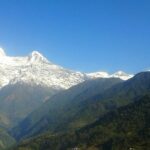
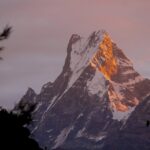
Fog lifts fast at 4,200 meters. This short Mardi Himal trek is built for big mountain moments without the long, drawn-out grind. You’ll move through forests, terraced fields, and Gurung/Magar villages, then aim for a sunrise viewpoint where Mt. Fishtail (Machhapuchhre) and the Annapurna range frame the sky.
Two things I really like: the sunrise viewpoint at 4,200m (machhapuchhre spotlight included) and the fact that the trek is moderate enough for beginners who are ready for lots of stairs and steady effort. One consideration: the schedule is tight in 4 days, so if you’re slower on descents—or the weather is foggy—you may feel like you’re walking longer than you expected.
In This Review
- Key things you’ll notice on this trek
- Why Mardi Himal feels different in the Annapurna region
- Day 1: Pokhara → Kande (drive) → Forest Camp at 2,600m
- Day 2: Forest Camp → High Camp (3,550m) through forest and steps
- Day 3: Sunrise at the 4,200m viewpoint, Machhapuchhre, and optional Base Camp
- Day 4: Forest Camp → Kalimati, waterfalls, and your jeep return
- What really makes the experience work: guides, pacing, and small fixes
- Price and value: what $139 includes, and what costs extra
- Weather, seasons, and safety on Mardi Himal
- What to pack for a comfortable 4-day climb
- Who this trek is best for (and who should reconsider)
- FAQ
- How hard is the Mardi Himal trek?
- What altitude do you reach on this trek?
- Do I need a porter?
- Is meals included in the price?
- What kind of accommodations are used during the trek?
- What gear do you provide?
- When is the best time to go?
- How long is the trek and where does it start?
- Should you book this Pokhara to Mardi Himal 4-day trek?
Key things you’ll notice on this trek
- Mardi Himal Viewpoint (4200m) targets Mt. Fishtail and Annapurna views at sunrise
- Forest-to-camp timing keeps you sleeping at comfortable heights before the big morning push
- Guides like Ramit, Lalit, and Gobinda are repeatedly praised for pace checks and real care on altitude days
- Tea-house nights along the route mean cozy stays, hot drinks, and simple but solid mountain food
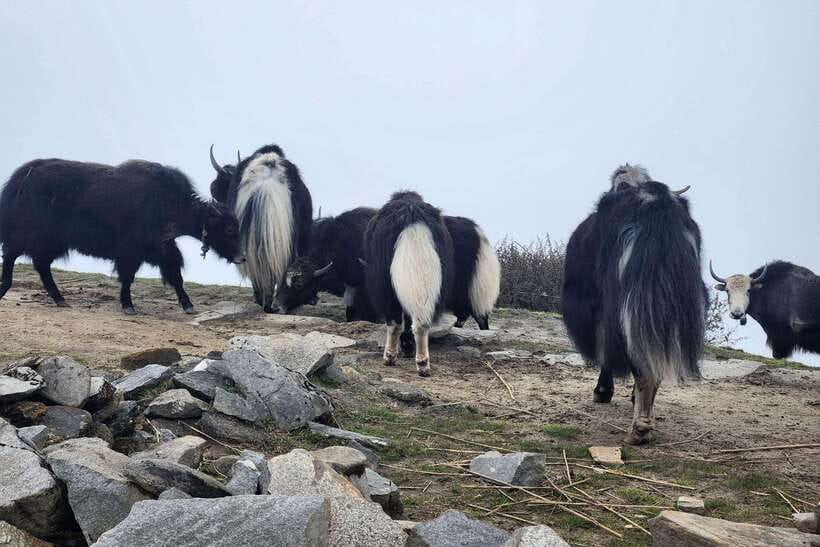
- Wildlife and village life show up on the way: birds, butterflies, and even Himalayan thar
Why Mardi Himal feels different in the Annapurna region
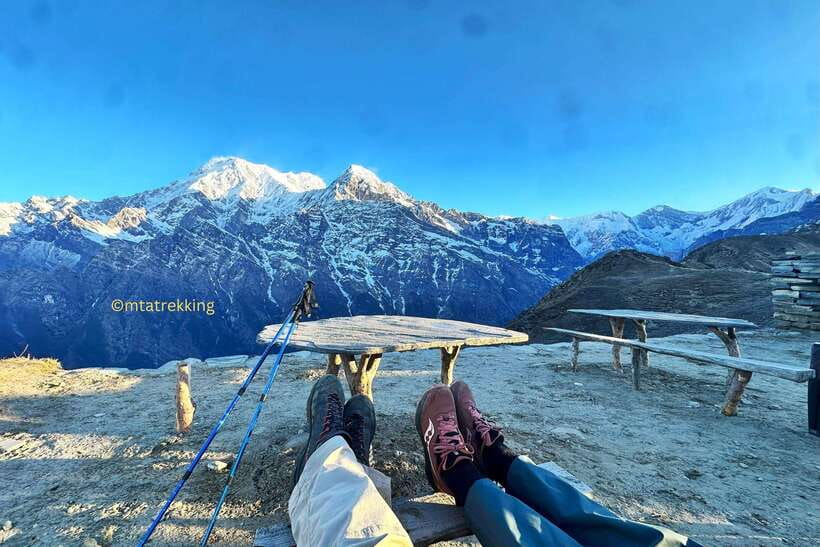
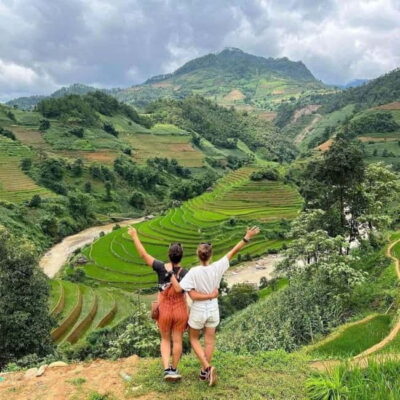
Mardi Himal is one of those trails where the payoff feels personal. The goal isn’t just a high summit line. It’s the way the mountains change as you climb—first through green forest corridors, then above the clouds, and finally into a cleaner, sharper view at altitude.
A huge draw here is Machhapuchhre, Mt. Fishtail. It’s often the main character in your photographs, but on Mardi Himal you also start seeing how it sits with the bigger Annapurna wall. One of the nicest parts of this specific 4-day format is that you don’t need technical skills to enjoy that moment. Still, you should go in with the right expectations: it’s not hard-mountain climbing, but it can mean endless steps and a steady push day after day.
That mix is exactly why this trek works for a lot of first-timers. You get real mountain altitude, real wilderness, and still a route that’s planned for safety and pacing by a licensed, English-speaking guide.
You can also read our reviews of more tours and experiences in Pokhara.
Day 1: Pokhara → Kande (drive) → Forest Camp at 2,600m
Day one starts with the easy part: leaving Pokhara by road. Depending on where you’re picked up—Baidam, Pokhara Lakeside, Pame, Lakeside Road, or Lakeside—you’ll typically get a scenic ride that passes fields, forests, and views of the mountains in the distance.
From there, the trek portion begins around Kande and you walk up toward Forest Camp at 2,600m (8,530ft). Expect about 5 hours of hiking, with a big emphasis on atmosphere rather than speed. You’ll pass terraced farmland, small roadside moments, and thicker forest sections where the air cools quickly.
A midday break at a tea house is part of the rhythm. This matters more than it sounds. Tea houses aren’t just for caffeine—they’re your check-in point. Your guide can confirm pace, hydration, and how your body is handling the day’s climb before you settle into camp.
If you’re the type who likes to ease into a trek, day one is your runway. If you’re the type who gets impatient walking uphill, you’ll still enjoy it—but you’ll want to move with a plan so you don’t spend the rest of the trip paying for that early burn.
Day 2: Forest Camp → High Camp (3,550m) through forest and steps
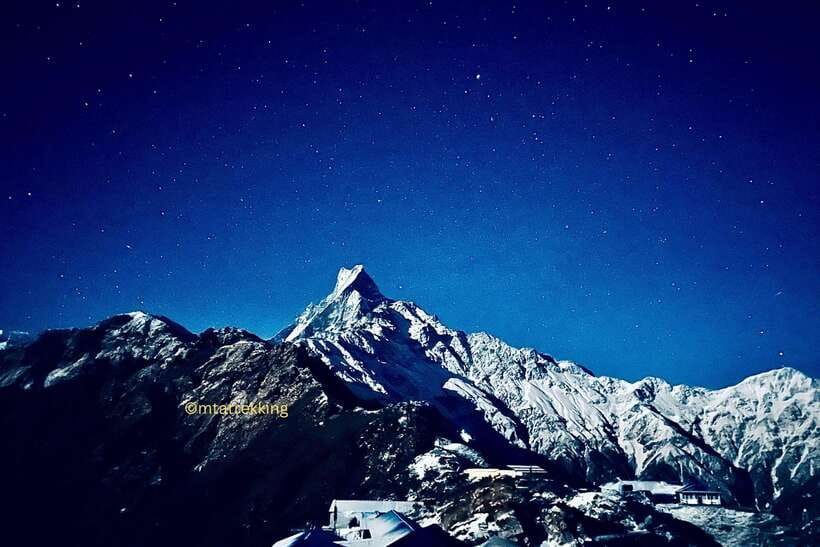
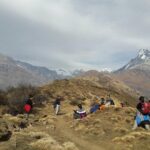
Day two is where Mardi Himal starts feeling like a real climb. You’ll wake up, have breakfast, and then head from Forest Camp to High Camp at 3,550m (11,646ft). Plan on around 5 hours on the trail.
This is the day of dense jungle and shaded walking. That’s great for comfort when the sun is strong, and it also gives the trail a different mood than day one. You’ll likely notice more wildlife activity—birds and butterflies show up when the light changes, and there’s even a chance of seeing Himalayan thar in the wider region if you’re lucky.
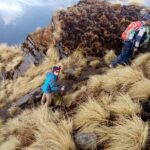
One honest thing: forest trails in Nepal often mean stairs and uneven ground. That’s not a deal-breaker, but it is why this trek stays “moderate” rather than “easy.” You can do it without gear gymnastics, but your legs will feel it.
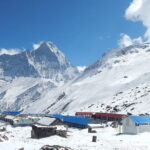
At High Camp, you’re looking at a night with less convenience than lower villages. Some places may have limited shower options or spotty facilities. In practical terms, think like a trekker, not like a hotel guest: pack light, expect simple conditions, and focus on rest. The good news is the views and sunrise mission make that discomfort feel worth it.
Day 3: Sunrise at the 4,200m viewpoint, Machhapuchhre, and optional Base Camp
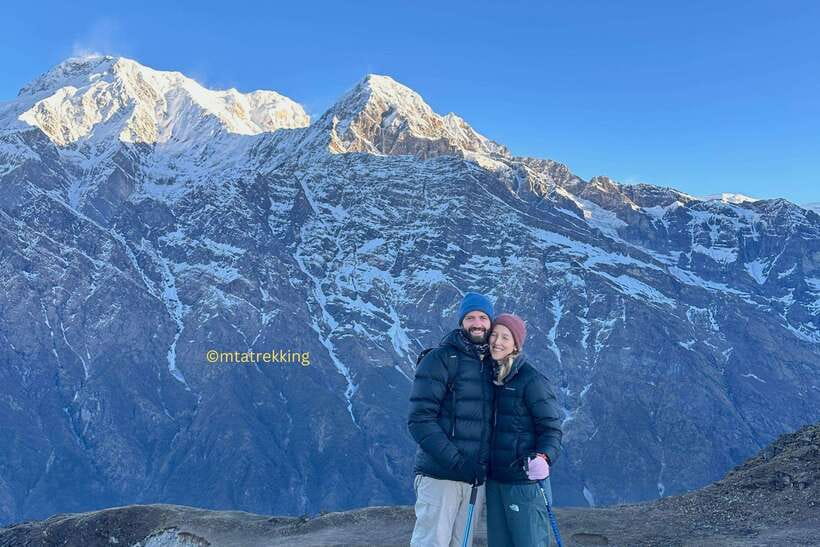
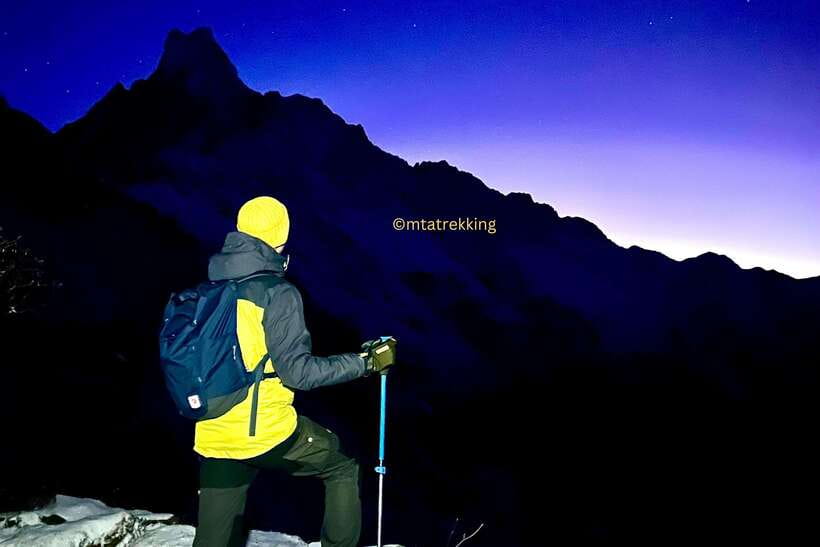
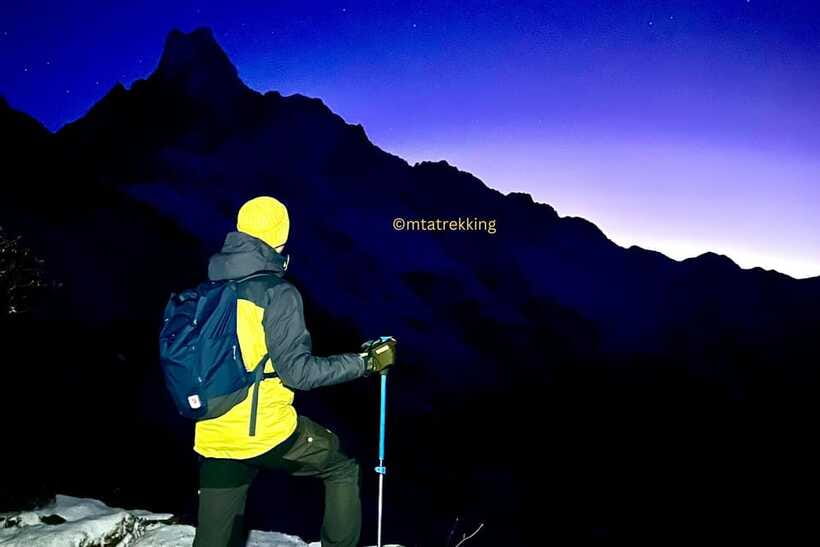
Your most memorable morning starts very early. You’ll wake around 4:00am and hike roughly 1.5 to 2 hours to reach the sunrise viewpoint around 4,200m (≈13,779ft).
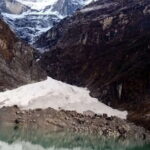
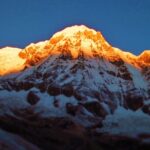
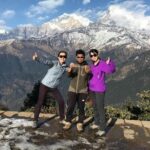
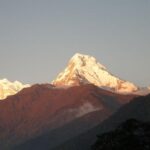
This is the big moment: sunrise over Mt. Fishtail (Machhapuchhre) with the Annapurna range and Mardi Himal showing up in layers. When the weather cooperates, it’s the kind of scene that makes even experienced hikers stop taking photos and just stare.
This day also has a built-in flexibility. If weather and conditions allow, you can continue to Mardi Himal Base Camp at about 4,500m. That option exists because the route beyond the viewpoint can be better on some days and riskier on others.
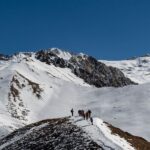
Important safety reality: in winter, snow can make the higher section challenging, and crampons may be advised. The route beyond the viewpoint can become steep, slippery, and lack safety infrastructure in bad conditions. So even if you feel strong, you still listen to your guide’s call. That’s not a buzzkill—it’s how people stay on the mountain long enough to enjoy it.
After sunrise and breakfast, you head back down to Forest Camp for the night. The descent is where Machhapuchhre often follows you—so you still get mountain drama without the same climbing effort.
Day 4: Forest Camp → Kalimati, waterfalls, and your jeep return
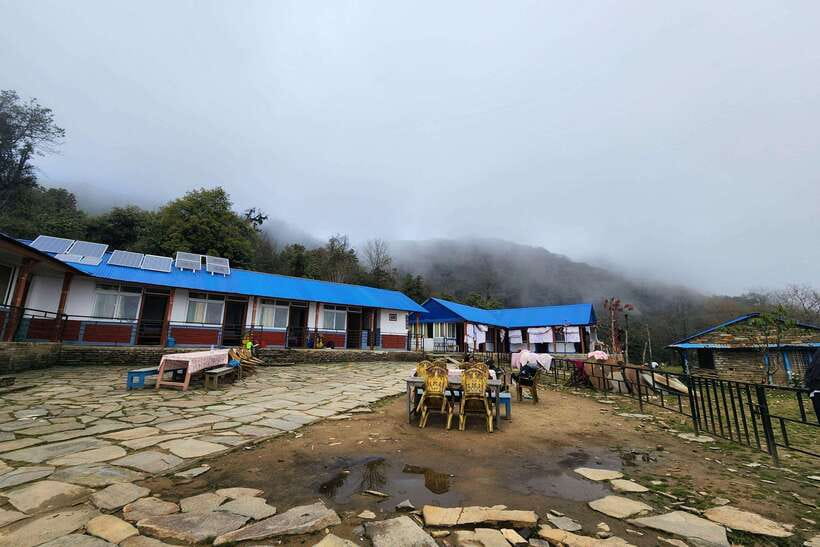
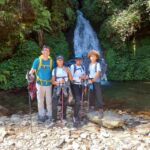
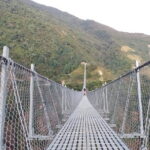
The final day brings you down to Kalimati (around 1,800m) and then a jeep ride back to Pokhara. You’ll start with breakfast at Low Camp and walk down through forest paths, gentle waterfalls, and small bridges, with birds and calmer trail sounds helping the stress of altitude fade.
The hiking time is shorter than the climbing days, but you still need balance. Descents can be harder on your knees than you expect, especially after days of stairs. Go slow, use trekking poles if you have them, and let your legs recover instead of rushing to “finish strong.”
As you reach Kalimati, you’ll board a jeep for the 1.5 to 2 hour ride back to Pokhara. It’s a clean ending to a trek: you get the mountain experience, then you drop back into town life without another long day of walking.
What really makes the experience work: guides, pacing, and small fixes
The trek is priced and structured to feel smooth, and that’s largely because of the guide model. You’re traveling with a licensed, English-speaking guide in a private group, which usually means you’re not stuck following someone else’s pace.
That pace support is a repeated theme across guides such as Ramit, Shishir, Lalit, Prabit, Kaji, Jeevan, Santosh, and Binod. The best part isn’t friendliness on paper. It’s practical care: checking in often, adjusting speed, and helping with altitude comfort when needed. If you’re a beginner, that matters because most early mistakes come from going too fast.
You’ll also be traveling with trekking gear provided, including trekking poles and a sleeping bag (plus other gear as offered). That reduces the hassle of renting or buying equipment in Pokhara. If you’re the type who packs everything yourself, still double-check what’s included so you don’t carry duplicate items.
And yes, your guide may help with tea house ordering and decision-making. Tea houses are simple, but choices matter at altitude. You’ll do better when your food plan matches your energy needs rather than your cravings.
Price and value: what $139 includes, and what costs extra
At $139 per person for a 4-day trek, the value is strong if you take advantage of what’s included and understand what depends on your package.
Here’s what you’re typically paying for:
- hotel pickup and drop-off in Pokhara
- a licensed English-speaking guide
- permits and TIMS paperwork fees and government taxes
- tea house or accommodation for the Standard Package
- private accommodation during the trek (solo travelers may share in peak season)
- transportation during the trek
- guide and staff costs covered (meals, accommodation, salary, insurance, and transportation)
- trekking gear provided (like poles and a sleeping bag)
- optional luggage storage if you want it
The big “watch this” item is meals:
- In the Full Package, meals (breakfast, lunch, dinner) are included.
- In the Standard Package, meals are not included.
That difference affects your day-to-day budget more than you might expect. Tea house rooms are usually simple, and your guide helps with logistics, but you should carry enough cash for food and any gaps.
Another separate cost: a porter is $20 per day if you want one. Even with gear provided, a porter can help if your own load makes you move slower.
If you want a simple rule: if you want predictable budgeting, lean toward the package that includes meals. If you’re okay managing tea house purchases, Standard can still work well—just plan cash and don’t assume every snack is covered.
Weather, seasons, and safety on Mardi Himal
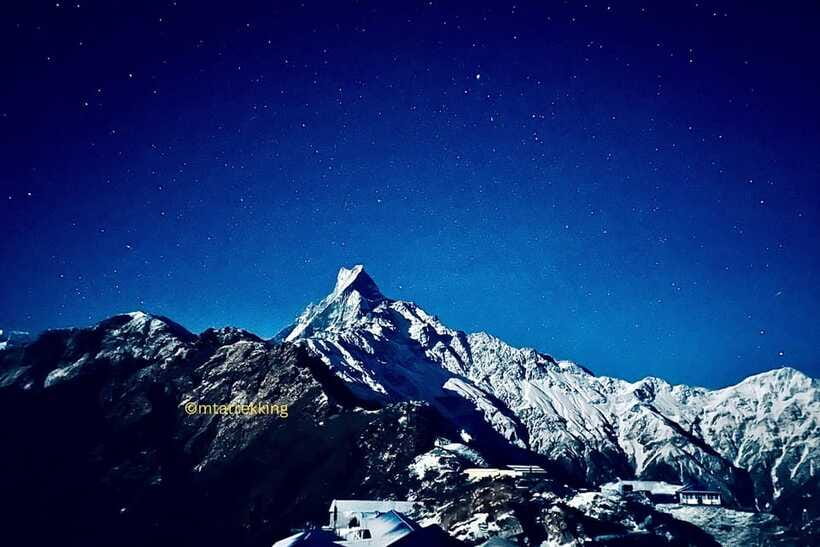
The best seasons for this trek are spring (March to May) and autumn (September to November). Those windows usually mean more stable weather and better mountain visibility.
The risk picture changes after that:
- Winter (January, February): snow can fall heavily, and the section above the viewpoint can become more difficult. Crampons and caution are key, and the guide decides based on conditions.
- Monsoon: expect rain, slippery trail conditions, and reduced safety infrastructure in the higher areas.
Altitude-wise, you’ll be at real elevations:
- Viewpoint: 4,200m
- Base Camp option: 4,500m
Even though the trek is described as moderate, your body still needs time and oxygen. This is why pacing and decision-making matter so much.
Also take the “not suitable for” list seriously: this trek is not for pregnant women, people with altitude sickness, or anyone over 70.
If you’re prone to altitude issues, you’ll want to talk with a medical professional before going. On the mountain, you can’t out-will oxygen levels.
What to pack for a comfortable 4-day climb
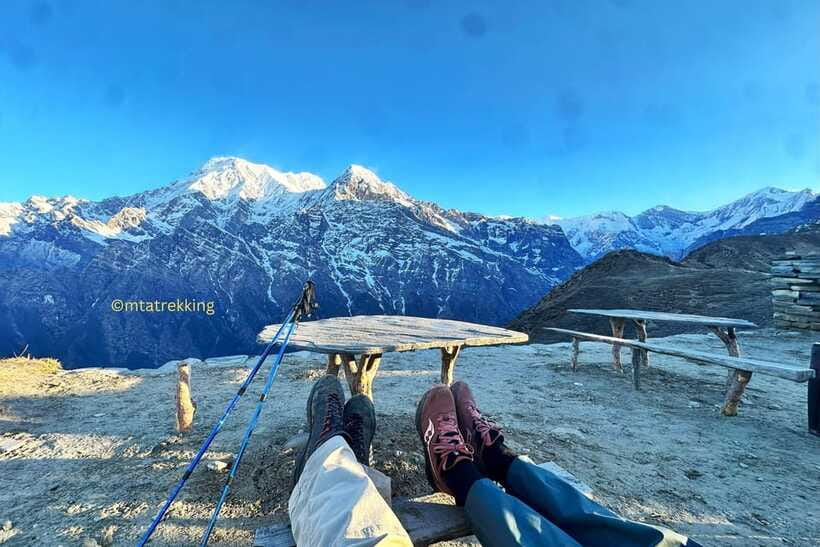
You’ll get more out of this trek if your kit helps you handle temperature swings at altitude. Bring:
- warm clothing
- sunglasses
- sun hat
- sunscreen
- flashlight
A few practical tips that match how these routes feel:
- Nights can get cold fast at higher camps. Warm layers beat one bulky jacket.
- In the forest, bugs and damp air can happen, so keep your clothing comfortable for trail movement.
- Trekking poles help on steep stairs and descents. If poles are provided, still make sure they fit your height well.
- Keep a small cash buffer for tea house food, especially if you’re on a Standard Package.
Who this trek is best for (and who should reconsider)
This Mardi Himal trek works best if you:
- want the Annapurna region without the longest marathon trekking schedules
- enjoy views and walking, even if it’s step-heavy
- want a moderate trek with strong guide support and private group pacing
- like the idea of sunrise being a centerpiece
It’s a less good fit if you:
- hate early mornings (sunrise day starts around 4:00am)
- want a trek with minimal stairs
- need guaranteed comfort in high camp facilities
- fall into the safety exclusions (pregnancy, altitude sickness, age over 70)
If you’re a first-time trekker with decent fitness and you take pacing seriously, this is exactly the kind of trip that builds confidence without pretending the mountain is easy.
FAQ
How hard is the Mardi Himal trek?
It’s described as a moderate trek suitable for beginners, but it still includes lots of steps and steady uphill hiking, especially on the higher days.
What altitude do you reach on this trek?
The route targets the Mardi Himal Viewpoint at about 4,200m. There is also an optional continuation to Mardi Himal Base Camp at about 4,500m depending on weather and conditions.
Do I need a porter?
A porter is not included. The porter cost is listed as $20 per day if you choose to hire one.
Is meals included in the price?
Meals are included only in the Full Package. The Standard Package does not include meals (tea house or accommodation for Standard is included).
What kind of accommodations are used during the trek?
The trek uses tea house or accommodation for the Standard Package, and private accommodation during the trek. Solo travelers may share rooms during peak season due to limited availability.
What gear do you provide?
Trekking gear provided includes items like trekking poles and a sleeping bag.
When is the best time to go?
Spring (March to May) and autumn (September to November) are listed as ideal times for better weather and mountain views.
How long is the trek and where does it start?
This is a 4-day trek that starts from Pokhara, with transport to Kande and then hiking through the route back to Kalimati and returning to Pokhara.
Should you book this Pokhara to Mardi Himal 4-day trek?
Yes, if you want maximum mountain payoff—especially Machhapuchhre and the Annapurna range—inside a short 4-day plan, and you’re okay working through lots of stairs with a guide who adjusts your pace. It’s also a good fit if you value a private group and want someone handling permits, transport, and daily logistics.
Book with a clear plan on meals and cash. If you pick the package without meals, budget for tea house food and don’t assume everything is covered. And if you’re sensitive to cold, altitude, or early mornings, plan your season carefully and listen to your guide on whether to push from the viewpoint toward Base Camp.