REVIEW · LA PALMA
La Palma: Tajogaite Volcano Guided Trek
Book on GetYourGuide →Operated by La Palma Outdoor · Bookable on GetYourGuide
Tajogaite feels new because it is new. You’ll hike La Palma’s youngest volcanic ground, then follow a route that keeps you close to the action without climbing onto the crater.
What I love most is the close-up view of the 2021 eruption area, plus the way the guide turns raw geology into something you can actually picture. I also like how the walk is paced for real people, not superhumans, with frequent stops for photos and questions.
One thing to consider: it’s moderate walking over 8 kilometers on volcanic terrain, with elevation changes, so you’ll want solid shoes and a realistic fitness level.
In This Review
- Quick hits before you go
- Why the Tajogaite trek feels different from other volcano tours
- Getting there: El Paso meeting points and the short van ride
- Tacande first: the 1480 burnt mountain as your warm-up
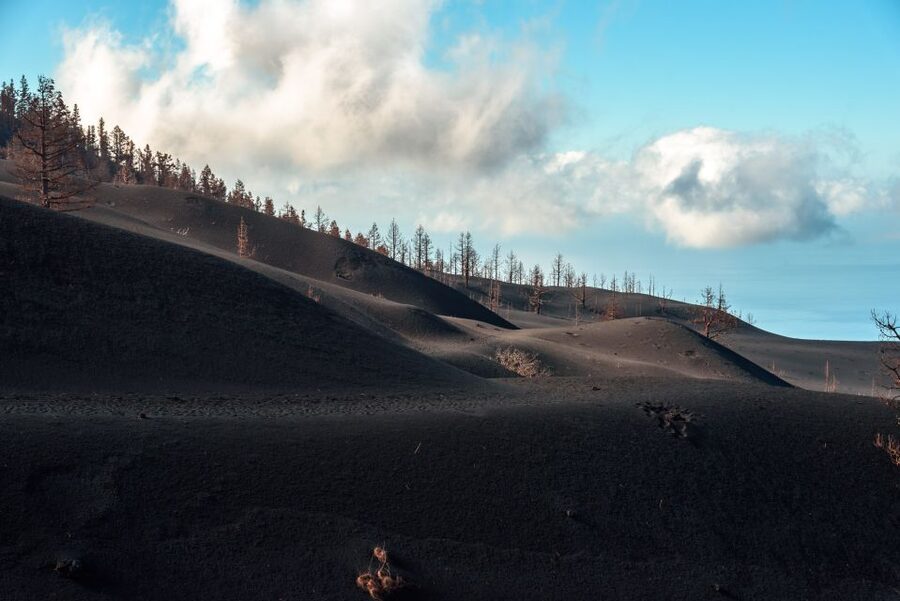
- Walking the ashes: what you’ll feel on the 2021 ground
- The Cumbre Vieja route: 8 kilometers, no crater climbing, real views
- The eruption story: from destroyed buildings to a new peninsula
- Guides and pacing: what makes the experience click
- What to pack for a La Palma volcano trek
- Price and value: why $45 is a fair deal for a guided 4-hour hike
- Who should book this, and who should skip it
- Should you book the La Palma Tajogaite guided trek?
- FAQ
- How long is the Tajogaite volcano guided trek?
- What is the walking distance and elevation change?
- Where do I meet the tour?
- What’s included in the price?
- What languages are available for the live guide?
- What should I bring?
- Is this tour suitable for everyone?
Quick hits before you go
- Tajogaite’s 2021 ground under your feet, including ash-covered sections
- Route design that avoids crater climbing, while still getting you near the key viewpoints
- Guides who slow down for the group, answering questions as you walk
- Human-scale eruption stories, including what was destroyed and how land changed
- Weather-proof reality check, where clouds or rain can shape what you see, but the experience still lands
Why the Tajogaite trek feels different from other volcano tours
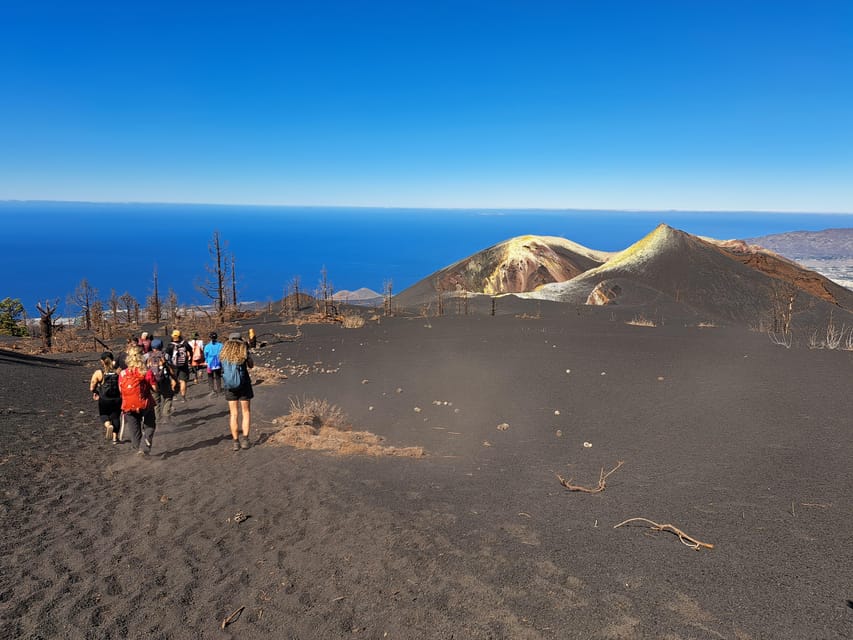
This is not a bus-to-a-viewpoint afternoon. The value here is that you walk across the volcanic aftermath and learn while your feet are still on it. The Tajogaite area is part of Cumbre Vieja’s volcanic system, and the big draw is that the newest land was created in just a very short window of time in 2021.
You also get a rare perspective on how eruptions reshape a coastline and a valley. The terrain you’ll cross is made of ash and lava features that are still evolving, so the place doesn’t feel like a museum. It feels like a living event that happened in your own lifetime.
The guide storytelling is the other key ingredient. In good seasons, your group may include people of different comfort levels, and guides often keep the mood friendly and questions flowing. Guides I’ve seen highlighted for this tour include Bebe, Steven, Juan, Gianluca, and Amanda, and the common thread in their approach is clear explanations plus humor, not just a list of dates.
You can also read our reviews of more tours and experiences in La Palma.
Getting there: El Paso meeting points and the short van ride
Most departures are built around a central meeting spot in El Paso, with pickup and drop-off at C. Antonio Pino Pérez, 1. Depending on what you book, you’ll use one of the start options at that address, then meet the van crew for a short ride.
That transfer matters more than it sounds. You’re not spending your energy on getting to the starting trailhead; you’re saving your legs for the walk where it counts. It also helps you arrive already oriented, so once you step into the volcanic area, you’re ready to understand what you’re seeing.
If you want maximum sightseeing time on the island, this format is also convenient. A 4-hour duration keeps it from eating your whole day, yet it’s long enough to get real walking time, not just a quick loop.
Tacande first: the 1480 burnt mountain as your warm-up
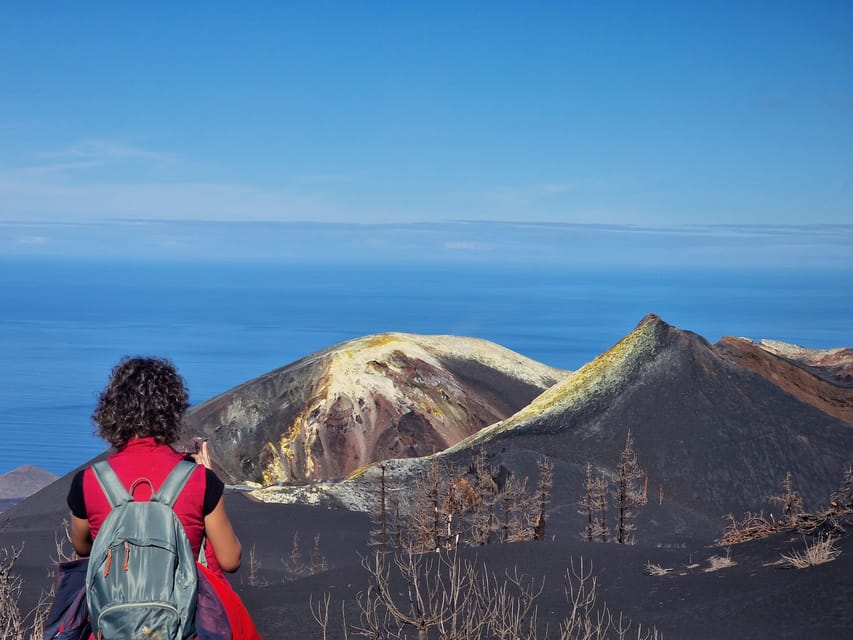
The trek starts at Tacande, a historic volcano registered in 1480, also known as the burnt mountain. This isn’t just a trivia stop. Starting with an older volcanic point gives your brain a reference frame: you’re moving from older volcanic ground into much younger land.
As you transition from Tacande toward the newer Cumbre Vieja features, the guide typically helps you connect the dots between eruption cycles and how volcanic landforms form over time. Even if you’re not a geology person, this helps you understand why the newest deposits look and feel different from older layers.
I like this structure because it makes the route make sense. You’re not jumping straight into the chaos of 2021 without learning how the island builds itself.
Walking the ashes: what you’ll feel on the 2021 ground
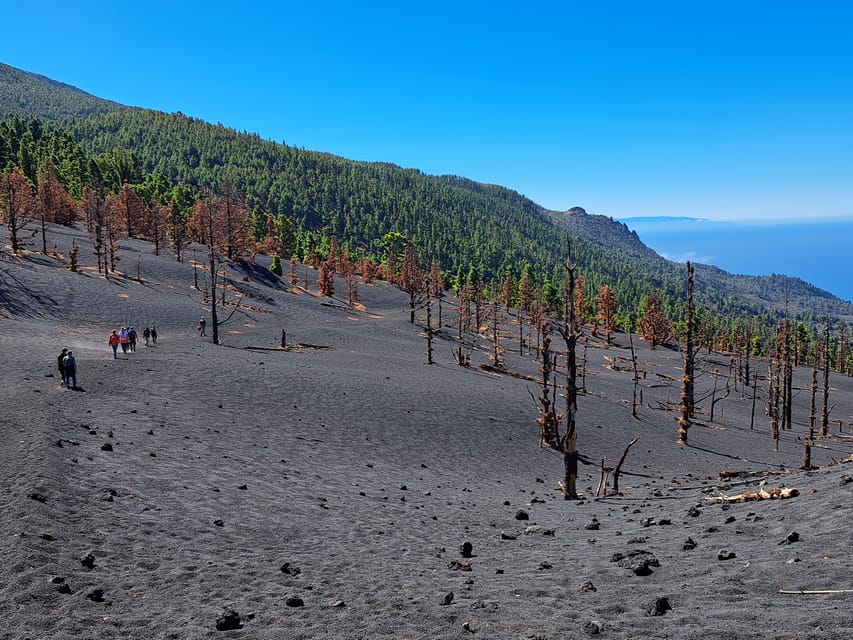
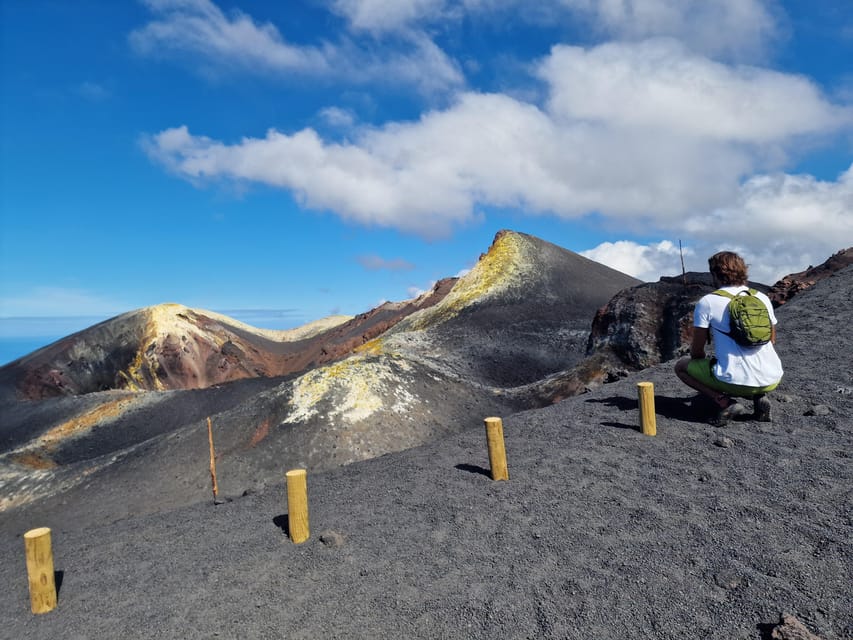
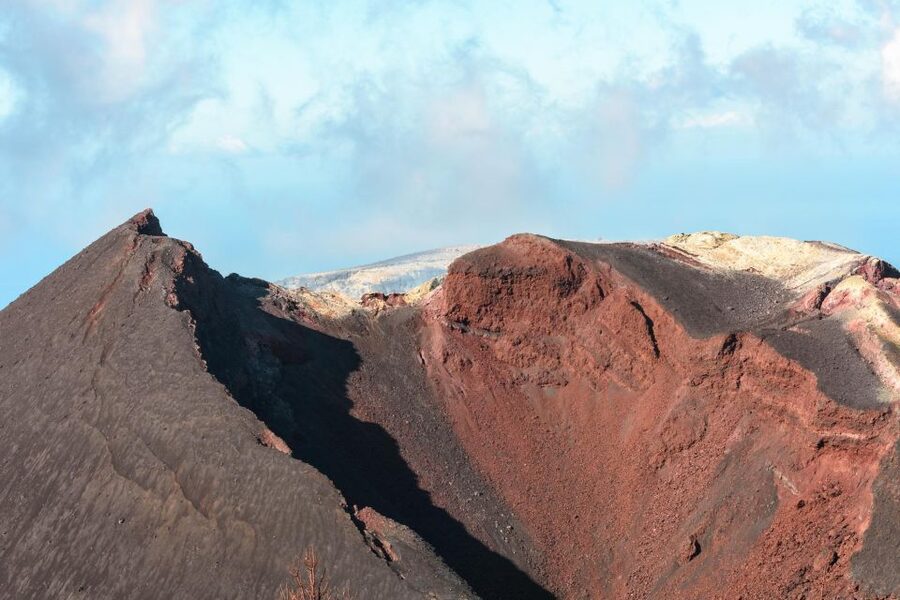
The highlight is the close-up look at the youngest volcanic piece of La Palma, created by the 2021 lava eruption. On the hike, you’ll actually walk over volcanic ash and pass sections formed by lava, so you get that physical sense of where the eruption traveled and how it left deposits behind.
You’ll also get viewpoints from different angles. That’s important because lava doesn’t just create one “thing.” It creates paths, barriers, and new shapes, depending on terrain and flow behavior. The tour is designed so you can observe those changes from multiple perspectives rather than staring at one spot and calling it done.
A practical note: volcanic surfaces can feel loose or uneven. That’s why comfortable shoes are a must, and why I’d rather see you slightly early than risk showing up with shoes you only use on museum floors.
The Cumbre Vieja route: 8 kilometers, no crater climbing, real views
The hike is built around an 8-kilometer walk with a -300 m / +300 m elevation change. You’ll ascend toward the newer Tajogaite area and then continue along a comfortable path around the back edge for key observations.
The big reassurance is that you do not climb on the crater. That keeps the experience accessible while still getting you close enough to understand what happened. It also explains why this area is typically restricted to guided visits for safety reasons. In other words, the “limited access” isn’t a marketing trick; it’s part of how the experience stays safe.
Expect a steady pace rather than a race. This is the kind of trail where a good guide uses small breaks to adjust the group rhythm and help everyone keep up without pressure. In multiple guides’ styles that have been mentioned for this tour, patience shows up as a real skill, not just a personality trait.
Also, don’t be surprised if visibility changes. Clouds or storms can roll in on La Palma quickly, and sometimes your view is muted. Even then, the walking over the newest ground and the explanations typically make the day worth it.
The eruption story: from destroyed buildings to a new peninsula
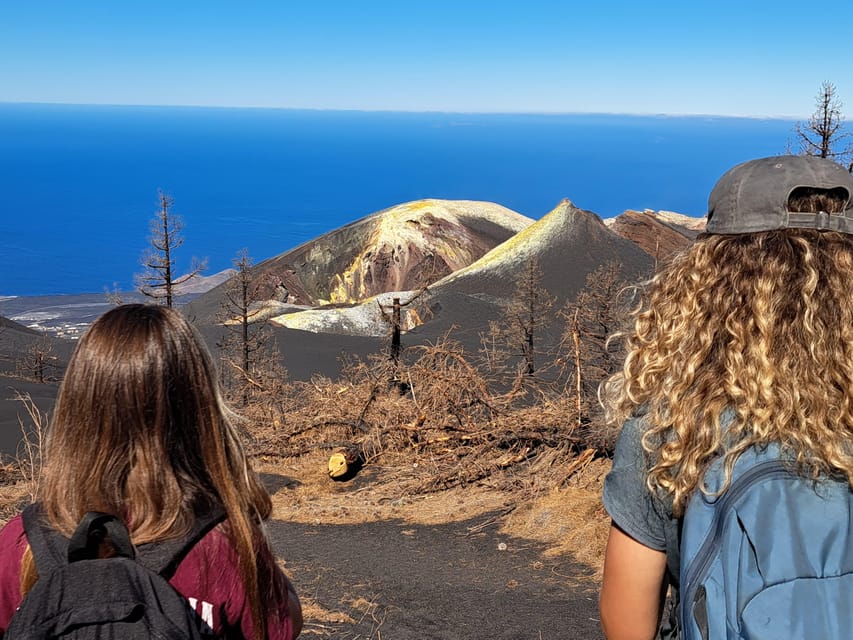
The tour doesn’t treat the eruption like a science lecture only about rocks. You’ll learn how lava flows affected communities and ecosystems, including reports that over 3,000 buildings were destroyed, along with forests. You’ll also hear how the lava carved its route and contributed to creating a new peninsula.
That human layer is one of the most meaningful parts. Volcanoes can sound distant until you connect the physics to real damage and real rebuilding. When a guide explains the eruption’s consequences in clear language, it turns the terrain into a timeline you can walk through.
I also appreciate that the tour reframes perspective. You’ll be able to see lava flows from another viewpoint, which helps you understand why the same eruption can look totally different depending on where you stand.
Guides and pacing: what makes the experience click
The guides are a major reason this trek scores so well. The names that come up again and again include Bebe, Steven, Juan, Gianluca, Rebecca, Amanda, Armanda, Angel, and Sule. Different personalities, same strengths: clear explanations, good humor, and the ability to keep a group moving without leaving anyone behind.
One specific pattern I’d plan for: in the best tours, the guide adjusts pacing and checks in with the slowest walkers. Some groups include kids too, and you’ll feel the difference when the guide is truly managing the room. On the flip side, if anyone in your group is much less prepared, you might end up waiting more than you’d like. That’s not a tour flaw so much as a group-dynamics reality on an 8-kilometer walk.
If you want a top experience, treat it like an active hike day, not a stroll. Show up ready to walk, and your guide’s teaching style will land better.
What to pack for a La Palma volcano trek
La Palma weather can shift, and the trail sits in volcanic terrain where comfort matters. Bring:
- Comfortable shoes (non-slip matters more than you think)
- Warm clothing plus a layer you can remove if you warm up
- Hat and sunscreen for sun breaks
- Water (this is a walking tour over 8 km)
- A charged smartphone (useful for photos and whatever your guide shares)
- Jacket for changing conditions
If you tend to get cold easily, don’t skip warm layers. Even when it looks fine at the start, clouds and wind can change the feel quickly on the Cumbre Vieja slopes.
Price and value: why $45 is a fair deal for a guided 4-hour hike
At about $45 per person for roughly 4 hours, this tour is strong value because you’re paying for three things at once: a guide, and roundtrip transportation from the meeting point, plus access to an eruption site where you can’t just wander on your own.
The time investment is also realistic. You get a full guided experience without turning your entire day into a logistics project. And because the walk includes the key viewpoints without crater climbing, you get a structured route that balances safety and access.
The main “value trade” is that it doesn’t include hotel pickup or drop-off. You’ll need to get yourself to the meeting point in El Paso. If you’re already staying near the center, this is easy. If you’re far out, plan how you’ll reach C. Antonio Pino Pérez, 1.
Who should book this, and who should skip it
This tour is a good match if you:
- Want a volcano hike that’s active but not a technical climb
- Like learning with your feet on the ground, not just looking from a distance
- Are comfortable walking 8 kilometers with elevation change
It’s probably not for you if you have mobility impairments or use a wheelchair, or if you have pre-existing medical conditions that could be affected by moderate walking on uneven surfaces.
Also, treat the weather as part of the plan. If you’re prone to motion discomfort or stress on uncertain footing, make sure you’re choosing the right day and bringing the gear that makes you feel steady.
Should you book the La Palma Tajogaite guided trek?
If you’re visiting La Palma and want one experience that connects geography, the 2021 eruption, and the human aftermath in a single morning or afternoon, I’d book this. The reason is simple: it’s not just about seeing Tajogaite. It’s about walking through the eruption’s new terrain while a guide explains what you’re seeing and why it matters.
Book it when you:
- Have a day you can dedicate to walking and photos
- Want guided access to a restricted eruption area
- Prefer clear, interactive storytelling (including humor) over a lecture
Skip it if you can’t handle 8 kilometers of moderate walking or you need full accessibility support. If that’s you, you’ll get more out of a lower-impact option on the island.
If you do book, go in ready: proper shoes, water, a jacket, and an attitude for questions. That’s when this trek turns from scenic to genuinely memorable.
FAQ
How long is the Tajogaite volcano guided trek?
The tour duration is 4 hours.
What is the walking distance and elevation change?
It includes a moderate amount of walking: an 8-kilometer route with a height difference of -300 m / +300 m.
Where do I meet the tour?
The meeting point can vary depending on the option booked, with starting locations and drop-off at C. Antonio Pino Pérez, 1.
What’s included in the price?
The price includes a guide and roundtrip transportation from the meeting point.
What languages are available for the live guide?
Live tour guides are available in German, English, and Spanish (German may be available on some days and hours).
What should I bring?
You should bring comfortable shoes, warm clothing, a hat, sunscreen, water, a charged smartphone, and a jacket.
Is this tour suitable for everyone?
It is not suitable for people with mobility impairments, wheelchair users, or people with pre-existing medical conditions. Pets are also not allowed.