REVIEW · SA PA
Ha Noi-Sapa Authentic Trek & Homestay wih hmong women (2D1N)
Book on GetYourGuide →Operated by Dinh Sapa Trekking Adventures · Bookable on GetYourGuide
Sapa trekking feels personal, not packaged. With Dinh, a local Hmong guide, this 2D1N route pairs bamboo-forest trekking with a family homestay cooking dinner, plus village visits that explain daily life beyond the view.
One catch: this is a moderate, steep, uneven walk. You’ll cover about 18 km over two days, and it’s not a good fit if you have back problems or mobility limits.
In This Review
- Key things you’ll really care about
- Hanoi to Sapa: start early, then start walking
- Day 1: Y Linh Ho, Lao Chai, Ta Van, and a homestay night
- The homestay dinner and the cultural welcome
- Day 2: bamboo forests, terraces, and Giang Ta Chai waterfall
- What’s included (and what you should not expect)
- Value check: how $78 holds up in real life
- Fitness, safety, and the one thing to plan around
- Homestay basics: what the night is likely to feel like
- Money, power, and the reality of vendors on the trail
- What to bring: small checklist, big payoff
- Who this trek suits best (and who should skip it)
- Should you book Dinh Sapa Authentic Trek & Homestay?
- FAQ
- How long is the trek, and is there a homestay?
- What time does pickup in Hanoi happen?
- How long does it take to get from Hanoi to Sapa?
- What distances are walked on each day?
- What meals are included?
- Do I stay in a hotel or in a local home?
- Is a cooking class included?
- Can I swim at the waterfall on Day 2?
- What level of fitness do I need?
- What should I bring?
Key things you’ll really care about
- Dinh-led homestay night with a real dinner cooked with the family (plus a welcome dance from kids)
- Day 1 village trail: Y Linh Ho to Lao Chai to Ta Van, with views and rice-field rhythm
- Day 2 bamboo + terraces leading to Giang Ta Chai waterfall (swim if conditions allow)
- Meals and water: 2 lunches, 1 dinner, 1 breakfast, and a big bottle of water per person per day
- Culture moments: stories from the host family, cultural insights from your guide, and optional drinking games with Happy Water
- Expect company on the trail: it’s a group trek, so you’ll walk at a shared pace
Hanoi to Sapa: start early, then start walking
The day kicks off at 6:00–6:45 AM from Hanoi Old Quarter. You’ll ride by limousine van or sleeper bus, with a transfer time of about 5–6 hours. The goal is to land in Sapa around 12:00–12:30 PM, then get moving right away.
I like this setup because it reduces the classic Sapa problem: arriving hungry and scattered, then trying to figure out lunch and a plan. Here, you get a picnic lunch prepared for the trek, so you can recharge before the first walking segment.
From there, you meet your guide directly at the stop or your hotel area in Sapa, and the trek starts without a long town detour. It feels more like a real journey and less like a checklist.
Practical note: this morning transfer is early. If you’re the type who needs time to wake up, plan to sleep on the ride. You’ll need your legs ready for Day 1.
You can also read our reviews of more tours and experiences in Sa Pa.
Day 1: Y Linh Ho, Lao Chai, Ta Van, and a homestay night
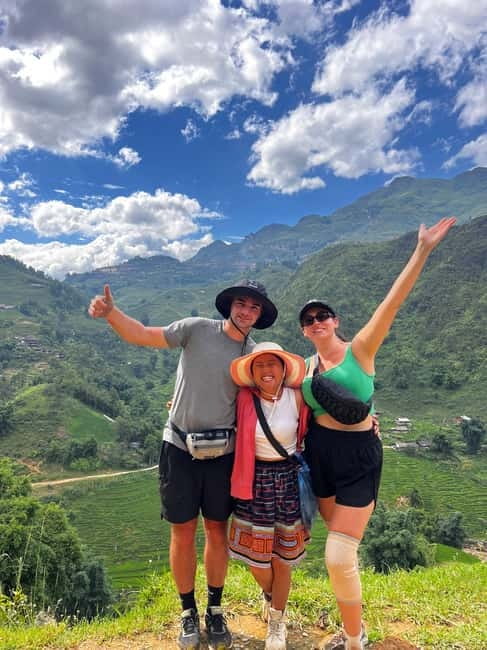
Day 1 is the heart of the route: a 9–11 km trek (about 5.5 hours) that mixes down-and-across terrain with multiple village stops.
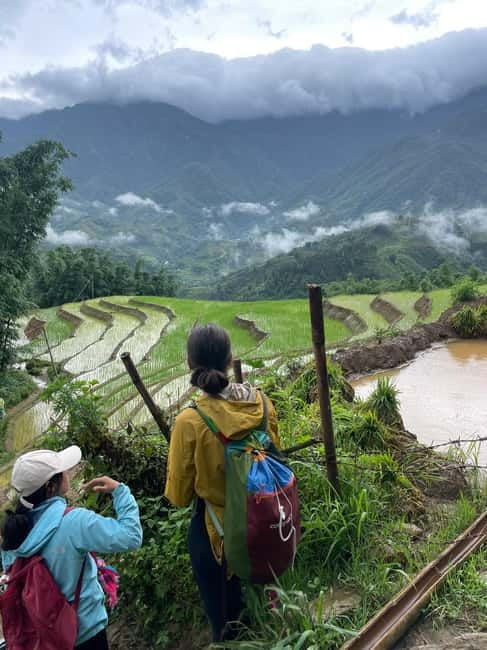
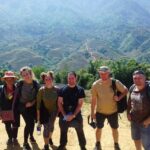
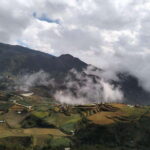
You’ll begin after lunch, heading toward Y Linh Ho. This is a village route with big mountain views and walking through agricultural areas. You’re not just passing by; your guide shares how people live here—work patterns, seasonal routines, and what everyday life looks like in the hills.
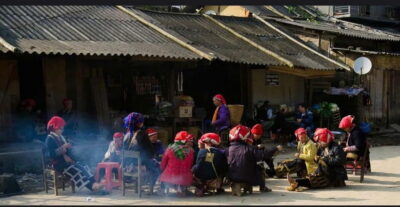
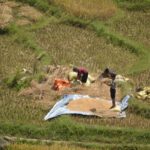
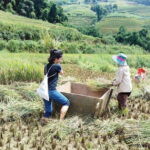
Next is Lao Chai, one of the older and largest Hmong villages in the area. This is where the trek starts to feel more grounded in real community life instead of scenery. You’ll likely see locals working the rice—planting or harvesting depending on the season—which makes the walk feel like it has a purpose.
Then you continue to Ta Van Village, home to Giay and Hmong ethnic minorities. This section is where the trail can feel more demanding. The terrain isn’t just uneven; it can be steep, and you’re walking for hours with breaks that are more practical than leisurely.
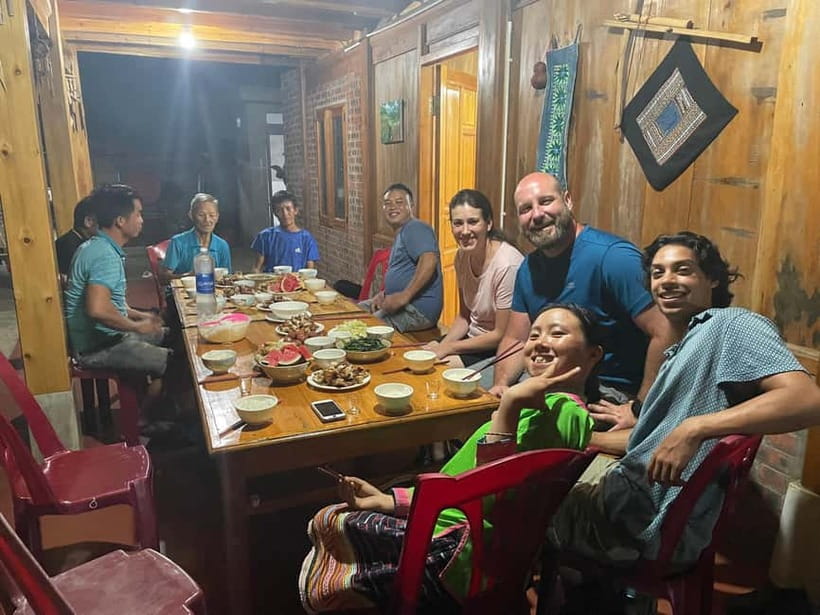
You finish Day 1 at your family’s homestay. The stay is described as simple and authentic with basic amenities, and you’ll have time to relax and take a hot shower and settle in. In the evening, the experience turns social.
The homestay dinner and the cultural welcome
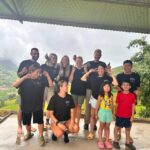
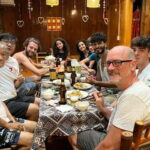
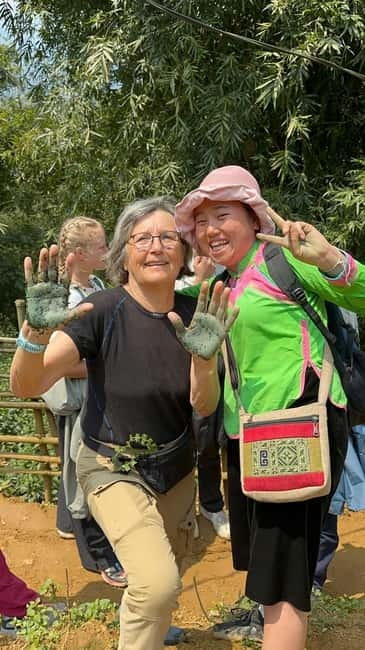
You join an informal cooking class with your hosts, then share the dinner you helped make. One standout detail is the story your guide shares during the meal: supporting 10 local children’s education. It gives the experience more meaning than just photos.
A welcome dance follows, performed by students (kids in the community). There are also casual drinking games using Happy Water, a local rice wine. If you don’t plan to drink, you can still enjoy the mood and the conversation.
This night matters because it changes your perspective. You’re not just viewing a culture—you’re eating, talking, and doing something small together.
Day 2: bamboo forests, terraces, and Giang Ta Chai waterfall
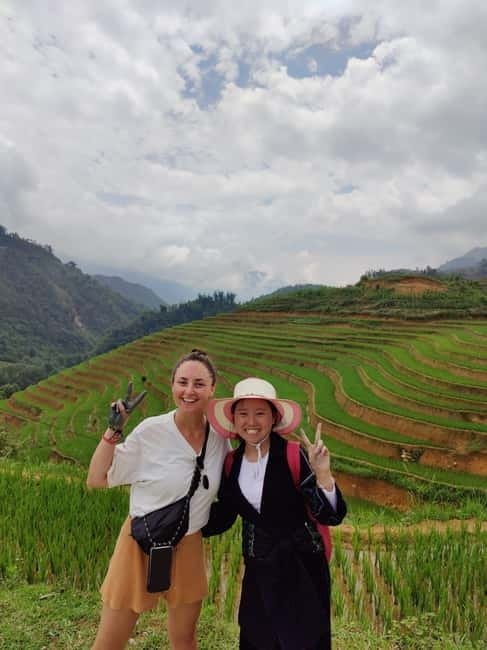
Day 2 is about a 8–11 km trek (around 5 hours), starting in Ta Van with a calmer morning. You’ll begin with hot coffee or tea, then head out after breakfast.
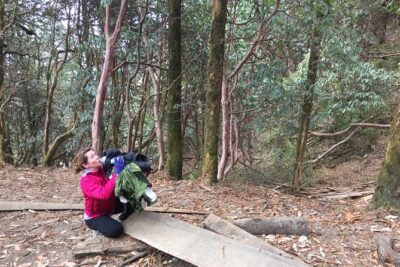
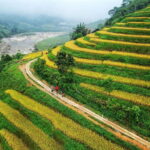
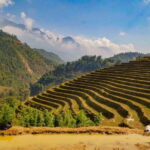
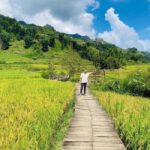
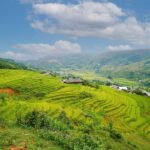
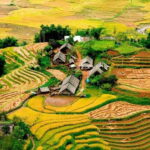
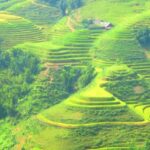
The trail moves through bamboo forests and terraced rice fields. This is where you get a different feel than Day 1: more rhythm, more open sight lines, and a steady walking pace that’s easier on the mind than it is on the knees.
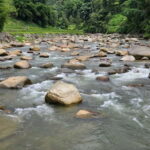
Your destination is Giang Ta Chai waterfall. If conditions allow, you can swim in the cool water for a refreshing break. This is also why the tour isn’t suitable for non-swimmers. Even if you don’t plan to swim every trip, the option is part of the experience here.
After the waterfall, you enter the Red Dao ethnic area before reaching the main road again. You’ll share a final lunch together, then the trek ends in Sapa Town between 2:00–3:30 PM.
From there, you get transport assistance back to Sapa, then head to Hanoi by limousine van or sleeper bus. The arrival window is about 9:00–10:00 PM, depending on traffic.
If you’re watching your energy: Day 2 tends to feel more scenic and less village-heavy than Day 1, but it still includes real hiking. Your legs will remember.
What’s included (and what you should not expect)
This tour bundles a lot for the price. Here’s what you’re getting:
- Local English-speaking guide for two days
- Village entry fees for four village areas
- Meals: 2 lunches, 1 dinner, 1 breakfast
- One-night homestay with the family
- Drinking water: one big bottle per person per day
- Picnic lunch on Day 1, so you don’t need a restaurant stop
- Transportation back to Sapa after the trek
- Assistance booking Hanoi–Sapa–Hanoi transport
What’s not included:
- Travel insurance
- Personal expenses like extra snacks, drinks beyond the water provided, and souvenirs
That meals + homestay combo is one of the reasons this is good value. In this part of Vietnam, food can be inexpensive, but homestays and guided trekking add up fast if you book everything separately.
Value check: how $78 holds up in real life
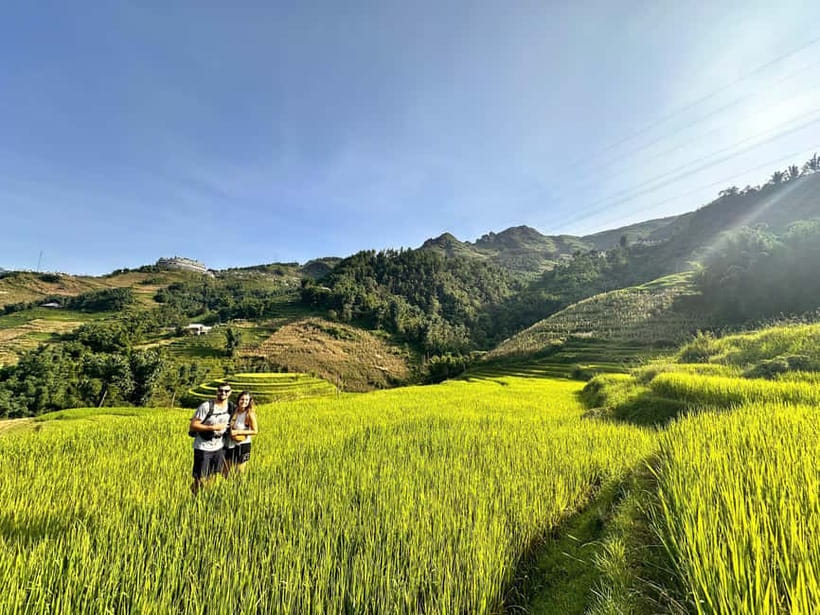
At $78 per person for 2 days and 1 night, the value comes from how much is handled for you.
You’re not just paying for walking guides. You’re also paying for:
- two full days of guiding,
- a homestay night with meals,
- village entry fees,
- your Day 1 picnic lunch,
- and transport support back to the town and onward to Hanoi.
Is it a luxury tour? No. The homestay is described as simple. The walking is real. But the bundle is the point. You’re getting the full package: trek + family meal + culture stop time.
If you tried to assemble this on your own, you’d spend time negotiating transport timing, then hunting down village connections, then figuring out what’s practical for a guided trek. Here, the plan is set, and you’re moving on schedule.
Fitness, safety, and the one thing to plan around
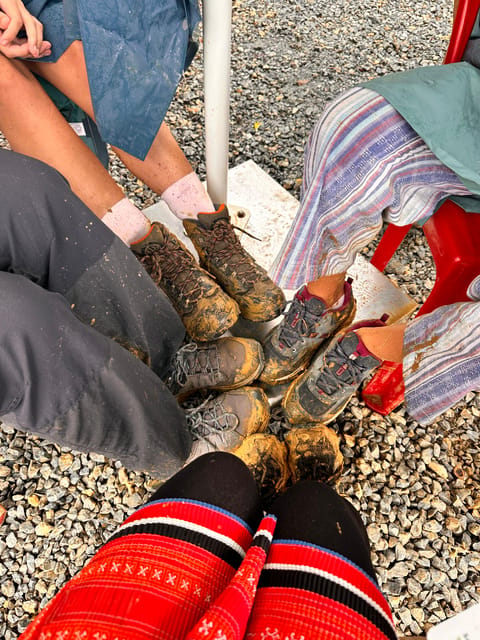
This is a moderate trek, but don’t treat that like a comfort label. The information states the trail is steep and uneven in places, covering about 18 km over two days.
It’s also explicitly not suitable for:
- people with back problems,
- people with mobility impairments,
- and non-swimmers (because swimming at the waterfall may be part of the day).
A practical mindset helps:
- Wear shoes you trust on uneven ground.
- Expect to sweat. Bring clothes you can rinse or change.
- Plan for mosquitoes. Repellent is on your packing list for a reason.
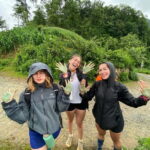
- Bring a light rain layer. Mountain weather can shift.
One extra reality check: Giang Ta Chai waterfall can be less impressive depending on the season. If water flow is low, you can ask your guide about the route and whether it makes sense to prioritize time elsewhere. The goal is a good day, not a disappointed detour.
Homestay basics: what the night is likely to feel like
This homestay is described as simple, authentic, and cozy, with basic amenities. You should expect comfort that’s practical, not high-end.
You’ll typically get:
- time to relax after the hike,
- a hot shower,
- and a shared evening that includes cooking and dinner with the family.
The culture experience isn’t just a speech. It’s built around doing things together: cooking, eating, watching a welcome dance, and getting a window into why education support matters locally.
If you have food restrictions, you’ll need to communicate in advance when booking. The data doesn’t spell out dietary accommodations, so don’t assume.
Money, power, and the reality of vendors on the trail
A small but useful heads-up: on trek routes in Sapa, you may run into souvenir sellers who want to chat and sell items, sometimes offering to walk alongside you.
You’ll want a simple strategy:
- smile politely,
- decide early what you’ll buy and what you won’t,
- and keep moving.
This isn’t about being rude. It’s about protecting your time and energy so you don’t end up stuck bargaining while the group keeps walking.
What to bring: small checklist, big payoff
You’ll get the best experience if you show up prepared. The tour suggests:
- Comfortable trekking shoes
- Hat
- Camera
- Sunscreen
- Sunscreen sunglasses
- Swimwear (optional if you’re swimming at the waterfall, but listed)
- Change of clothes
- Mosquito repellent
- Light raincoat or jacket
- Water (though a big bottle per person is included)
If you pack light and wear your comfiest footwear, you’ll spend more of the walk noticing views instead of thinking about blisters.
Who this trek suits best (and who should skip it)
This is a great fit if you:
- enjoy moderate hiking with uneven terrain,
- want a real homestay dinner experience,
- like village visits and cultural conversation,
- and you can handle a group walking pace.
This is not the best fit if you:
- have back issues or mobility limitations,
- can’t swim (because waterfall swimming is part of the plan),
- or want a relaxed walk with minimal effort.
Language-wise, the guide is English-speaking (with Vietnamese also used). You’ll still want a few basic phrases if you know them, but the guide experience is built in.
Should you book Dinh Sapa Authentic Trek & Homestay?
Book this if you want a Sapa visit that feels human: walking between villages, then sitting down to cook and eat with a local family. The price is strong because it covers guiding, homestay, meals, water, and village entry fees in one package.
Skip it if you’re chasing a low-effort itinerary or you’re worried about steep, uneven trail sections. In this trek, your body is part of the deal.
If you’re on the fence, I’d choose based on one question: can you do 2 days of steady hiking around 18 km total? If yes, you’ll likely come away with stories that don’t fade after the photos.
FAQ
How long is the trek, and is there a homestay?
It’s a 2-day, 1-night trekking experience in Sapa, with one night staying with a local Hmong family in a homestay.
What time does pickup in Hanoi happen?
Pickup is scheduled between 6:00 and 6:45 AM in Hanoi Old Quarter.
How long does it take to get from Hanoi to Sapa?
The transfer takes about 5–6 hours, and you typically arrive around 12:00–12:30 PM.
What distances are walked on each day?
Day 1 covers about 9–11 km (around 5.5 hours). Day 2 covers about 8–11 km (around 5 hours).
What meals are included?
Meals included are 2 lunches, 1 dinner, and 1 breakfast. A picnic lunch is provided on Day 1.
Do I stay in a hotel or in a local home?
You stay in a simple, authentic homestay with the local family for one night.
Is a cooking class included?
Yes. You’ll join an informal cooking class with the family, then share the dinner you prepare.
Can I swim at the waterfall on Day 2?
You can swim at Giang Ta Chai waterfall if you want, but the tour notes it is not suitable for non-swimmers.
What level of fitness do I need?
The trek is listed as moderate, with some steep and uneven terrain over roughly 18 km total. It also states it’s not suitable for back problems or mobility impairments.
What should I bring?
Bring comfortable trekking shoes, hat, sunscreen, sunglasses, mosquito repellent, a change of clothes, a camera, and swimwear. A light raincoat or jacket is also recommended.