REVIEW · POKHARA
3 Day Kapuche Glacier Lake Trek with Siklesh from Pokhara
Book on Viator →Operated by AM Travels and Tours · Bookable on Viator
Kapuche Lake feels like a secret. I like the mix of a Gurung village stay in Sikles and the fact that your TIMS card and trekking permit are included, so you can focus on the trail instead of paperwork. The one thing to plan for: meals are not included, so you’ll want to budget for food each day.
This is a 3-day hike with an included sharing jeep transfer, hotel pickup and drop off in Pokhara, and a guesthouse stay in Sikles. It also calls for moderate fitness, and the long travel plus trekking time means you’ll feel it in your legs (in a good way), especially if you come from sea-level or do not hike often.
In This Review
- Quick highlights: what makes this trek worth your time
- Pokhara to Sikles: the slow start that sets your expectations
- Sikles Village and Gurung life: the cultural part that actually changes the hike
- Day 1 walking toward Sikles: where you build stamina
- Day 2 early start to Kapuche Glacier Lake: the payoff day
- Day 2 recovery in Sikles: don’t skip the quiet reset
- Day 3 return toward Pokhara: a slower ending with mountain views
- Price and logistics: what the $195 covers (and what it doesn’t)
- Guide support and group feel: comfort matters on long days
- Who this trek is perfect for, and who should reconsider
- Should you book this Kapuche Glacier Lake trek?
- FAQ
- How long is the Kapuche Glacier Lake trek with Sikles from Pokhara?
- Where does the trek start?
- Is hotel pickup and drop-off included?
- Are trekking permits included?
- Do you get a guide?
- Is accommodation included?
- Are meals included in the package price?
- What is the cancellation policy?
- Is it a private trip?
Quick highlights: what makes this trek worth your time
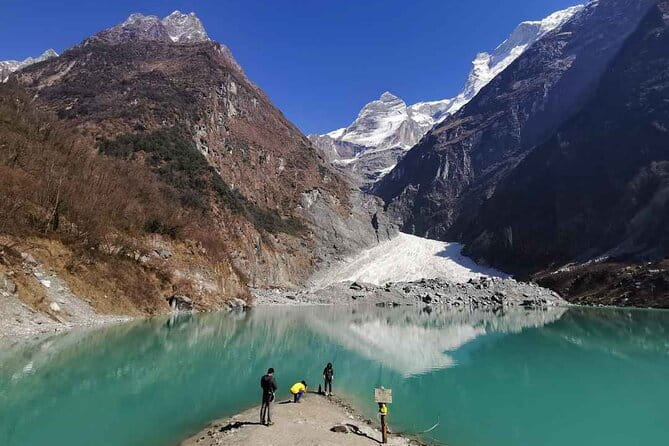
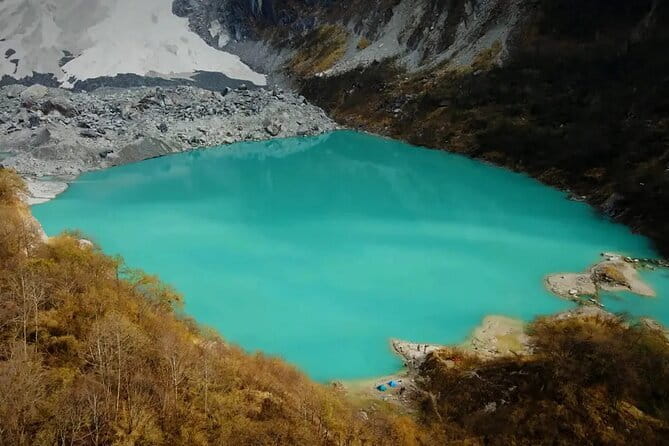
- Kapuche Glacier Lake: a rare destination noted as Nepal’s lowest glacier lake
- Sikles Village with Gurung culture: you get time with local life and traditional Gurung meals
- Permits included: trekking permit plus TIMS card, handled as part of the package
- English-speaking guide: practical support and easy-to-follow explanations on the route
- Real trekking days: long walk segments on Day 1, a lake push on Day 2, and a slower Day 3 pace
- Private trip setup: it’s only your group
Pokhara to Sikles: the slow start that sets your expectations
This trek begins with an easy win: pickup from Pokhara. You’ll drive toward Sikles, a traditional Gurung village about 2–3 hours away. Then the real walking starts on the way to Sikles village itself, with a full day of movement that’s listed at around 7 hours.
Why I like this start: you transition into the trek rather than jumping straight onto a hard, high-fatigue day. The drive also matters because you’ll see how quickly the scenery changes once you leave the city behind. Even if you are not a hardcore hiker, that mental shift helps.
What to consider: Day 1 is long. If you tend to over-pack or move too fast at the start, you’ll pay for it later. Keep your pace steady, drink water early, and remember that the goal is the lake, not just finishing Day 1.
You can also read our reviews of more tours and experiences in Pokhara.
Sikles Village and Gurung life: the cultural part that actually changes the hike
Sikles is not just a place to sleep. The plan is an on-the-ground cultural stay in the village, with time to connect with local community life and enjoy authentic Gurung cuisine. That’s a meaningful difference from treks where you pass through a settlement, grab a snack, and move on.
In practice, this kind of village stay gives you a smoother evening. You’re not rushing to find a meal in a hurry, and you can slow down and settle into the rhythm of the area. It also gives your trek context: the trail isn’t floating in space. It runs through a living place.
One small trade-off: since meals are not included in the package, you’ll want to understand how food works at the guesthouse and what’s available for purchase. That is not a deal-breaker, but it does mean you should plan for extra spending at the village rather than assuming your trek price covers everything.
Day 1 walking toward Sikles: where you build stamina
Day 1 is your “foundation” day. You’ll leave Pokhara, then drive into the Sikles area, and then continue trekking toward the village. The schedule lists about 7 hours for the day’s activity, so expect a solid time on your feet.
You likely won’t feel the lake today, but you will learn something important: whether your body is comfortable with the pace and whether your footwear is up to the job. If you go too fast on Day 1, Day 2 can feel like it arrives early even if the morning starts early as planned.
Practical tip for you: keep your pack light enough that your shoulders are relaxed. You’ll feel it more on Day 2 when you’re heading toward the glacier lake.
Day 2 early start to Kapuche Glacier Lake: the payoff day
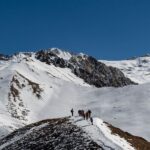
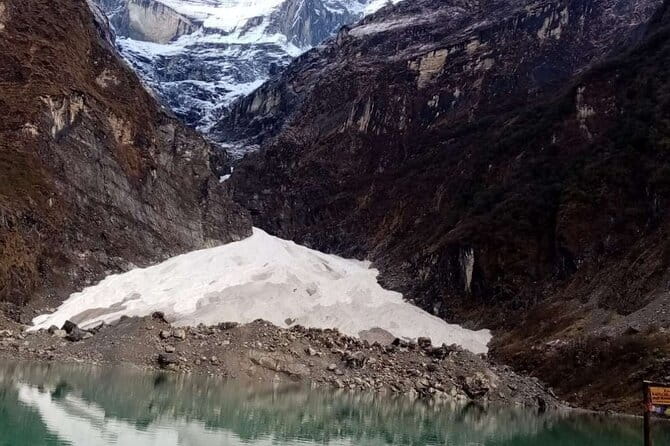
Day 2 is the main event. The plan calls for an early start so you can make the most of the hike to Kapuche Glacier Lake. That push is listed as about 6 hours for the trek to the lake, and you’ll spend time at the destination before heading back.
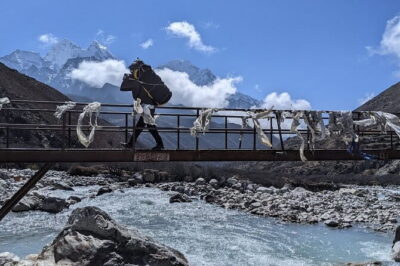
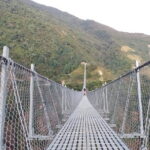
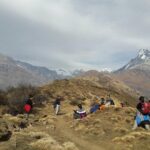
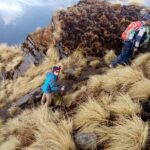
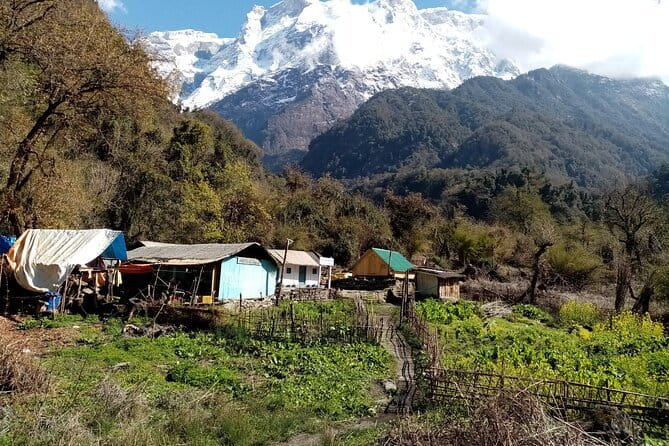
Along the way, you’ll move through different kinds of terrain. The route description points to dense forests, suspension bridges, and walking along rivers. That combination tends to keep your attention up. You are not just walking in one kind of scenery.
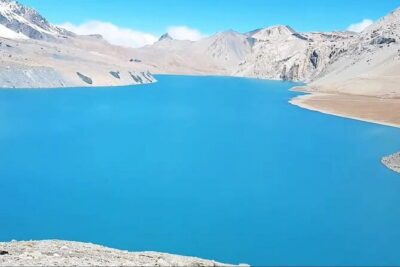
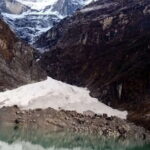
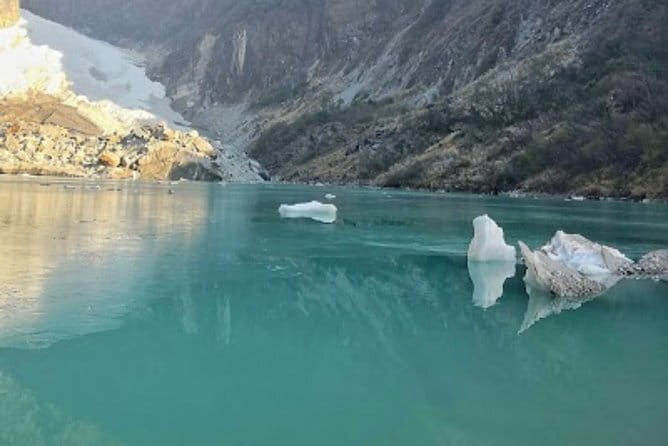
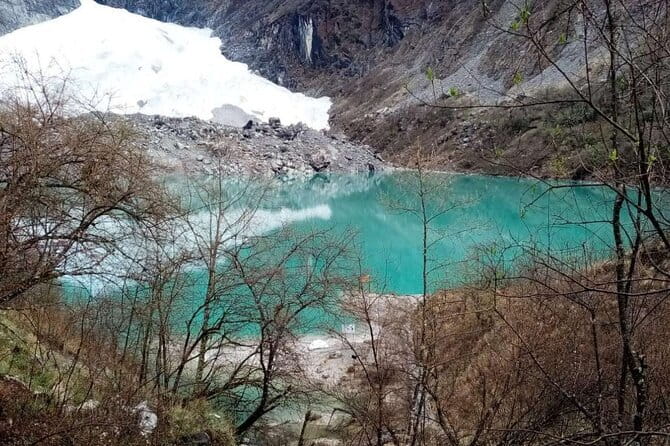
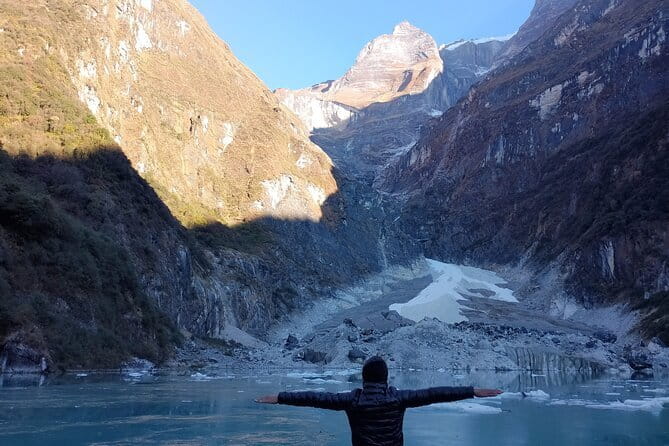
And then you reach Kapuche Glacier Lake, described as the lowest glacier lake in Nepal. That claim matters, because it signals why people come here: the lake isn’t a far-off dream. It is reachable, yet still remote enough to feel calm.
After you enjoy the lake, you turn around. The return walk is listed as about 2 hours to get back toward Hugu, with the evening ending in a guesthouse in Sikles.
What to consider: Day 2 is longer than a typical “easy day hike.” Even with an English-speaking guide, you’ll want to pace yourself. If you take a lot of photos but stop every 10 minutes, your rhythm breaks. Instead, plan a few longer breaks at points that feel natural—like after crossing a bridge or reaching a viewpoint.
Day 2 recovery in Sikles: don’t skip the quiet reset
The itinerary doesn’t pile on another trek after the lake. You finish the day with rest at the Sikles guesthouse. That matters more than it sounds.
After a glacier-lake day, your body needs a reset: cool down, rehydrate, and get your gear sorted for Day 3. This is also when the cultural piece of the trip can feel most real. You’re not rushed. You are just there, in the village atmosphere.
Since meals are available for purchase (not included), this is also where you’ll likely spend time coordinating food plans. If you know you’ll want something specific—like early breakfast for a later day—ask your guide how food timing usually works locally.
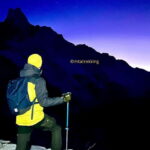
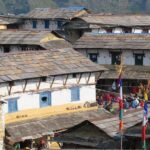
Day 3 return toward Pokhara: a slower ending with mountain views
Day 3 is structured as a lighter morning followed by a descent back toward Pokhara. The schedule lists around 7 hours for the overall day, which includes trekking time and the drive/transfer back.
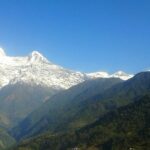
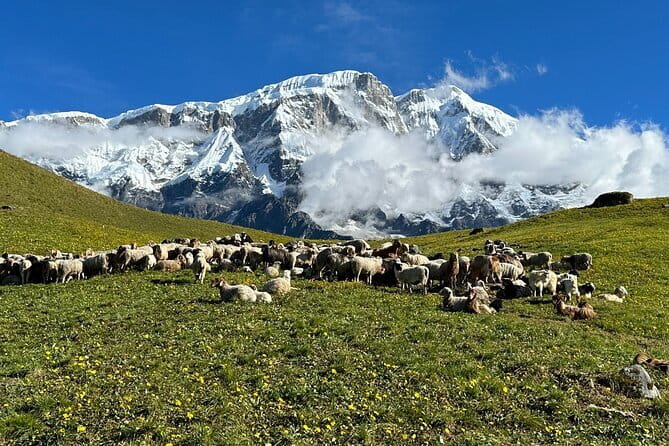
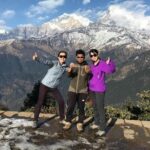
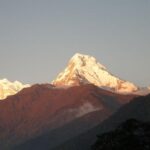
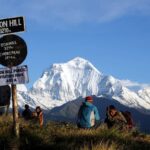
The plan includes a trek that’s described as a leisurely morning, with time for the village atmosphere and mountain views. Then you descend back to the starting point area for pick-up.
Why I appreciate a Day 3 like this: you don’t end with another punishing climb. The return becomes a decompression window. You can walk without feeling like you are trying to beat daylight.
One consideration: because Day 3 still totals a longer time block, you’ll want to keep your energy up even if it feels lighter. If you eat very little on Day 2 because you saved appetite for the lake, fix that on the evening of Day 2.
Price and logistics: what the $195 covers (and what it doesn’t)
The price is $195 per person for this 3-day trek. At that rate, you’re paying for more than just walking to a viewpoint. The included items are what make this good value:
- Hotel pickup and drop off in Pokhara
- Trekking permit and TIMS card
- Round trip transfer by sharing jeep as per the plan
- English-speaking trekking guide
- Accommodation in guest house
- It’s set up as a private trip for your group
That mix is practical. Permits and TIMS card can be a headache if you try to coordinate everything alone. Having an English-speaking guide also reduces the stress of navigating the route and understanding what to expect.
What’s not included is equally important:
- Meals (available to purchase, about US$25 per person per day, roughly)
- Optional gratitude
So the true cost for your trip depends on your eating habits. If you usually skip meals or keep it simple, your total stays close to the core price. If you like big sit-down meals and snacks all day, your budget should reflect that.
One more detail: it’s typically booked about 15 days in advance on average. That suggests demand is steady enough that you shouldn’t leave it to the last minute, especially during busy seasons.
Guide support and group feel: comfort matters on long days
The guide factor shows up again and again in the service experience. People highlighted that the guide was really helpful and that explanations were easy to understand. In a trek like this—where early starts and trail decisions shape the day—clear guidance can turn uncertainty into confidence.
Also, you’re not stuck in a chaotic crowd. This is arranged as a private trip for your group. That means you’re less likely to have to slow down for different fitness levels within the same party.
What to watch: private setup does not mean effortless. You still need moderate fitness, and you should expect walking time that adds up across three days. The difference is that you’ll be dealing with fewer variables.
Who this trek is perfect for, and who should reconsider
This trek is a great fit if you want all three:
- A walk to Kapuche Glacier Lake specifically
- A chance to spend time in Sikles with Gurung culture
- A trip where permits, guide, and transfers are handled for you
It also tends to suit you if you feel happiest when you have a schedule, but not a nonstop grind. A village stay plus lake day plus a relaxed return is a good rhythm.
You might want to reconsider if:
- You want meals fully included in the package price
- You dislike long travel blocks and multi-hour walking days
- You’re very new to hiking and are not sure about moderate fitness needs
The route is described with forests, bridges, and river walking, so it’s more active than a quick stroll. Still, it’s not presented as technical climbing. Your success will be about pacing, basic trekking readiness, and being comfortable on your feet.
Should you book this Kapuche Glacier Lake trek?
Yes—if your priority is Kapuche Glacier Lake plus a real village cultural connection, this is a strong way to do it. The included permits and TIMS card, the English-speaking guide, and the guesthouse stay remove a lot of friction. For $195, you get the structure you need, and the trek day itself does the selling.
If you’re cost-sensitive, just remember meals are extra. If you’re fit for moderate trekking and you want a quieter, less crowded feel than more popular routes, this is the kind of trip that can reset your week fast—in the best way.
FAQ
How long is the Kapuche Glacier Lake trek with Sikles from Pokhara?
The trek is listed as 3 days (approx.).
Where does the trek start?
It starts in Pokhara, with a drive to Sikles and then trekking onward.
Is hotel pickup and drop-off included?
Yes. Hotel pickup and drop off are included.
Are trekking permits included?
Yes. The trekking permit and TIMS card are included.
Do you get a guide?
Yes. An English-speaking trekking guide is included.
Is accommodation included?
Yes. You’ll stay in a guest house.
Are meals included in the package price?
No. Meals are not included, but you can purchase them locally (approx. US$25 per person per day).
What is the cancellation policy?
Free cancellation is available up to 24 hours in advance for a full refund.
Is it a private trip?
Yes. It’s listed as a private trip/activity, so only your group participates.