REVIEW · HUARAZ
From Huaraz: Lake 69 Trek Day Tour – White Mountain Range
Book on GetYourGuide →Operated by Tangol · Bookable on GetYourGuide
Laguna 69 rewards your lungs and your camera. This full-day trek in Huascarán National Park takes you into Peru’s high Andes, with turquoise Laguna 69 as the payoff and a Spanish-speaking guide adding real context as you walk. I love how the day mixes big, clear viewpoints with a guided route you can trust.
I also like that you’re not just dropped at the lake. You stage at Cebolla Pampa (3,900m), pass notable places along the way, and get taught what you’re seeing as you rise toward 4,600m. The main drawback is the altitude: the climb is tough due to reduced oxygen, and you should acclimatize well first.
In This Review
- Key things to know before you go
- From Huaraz to Llanganuco: why the drive is part of the experience
- Yungay, the park gate, and the lakes you see before the climb
- Cebolla Pampa (3,900m): where you reset before the serious part
- The climb to the small lake and the 700m uphill reality
- Lake 69 at 4,600m: turquoise water and the photo strategy that works
- UNESCO Huascarán: the meaning behind the scenery
- Guide and group size: what a small group changes on a hard day
- Pace, timing, and what to expect at each stop
- Cost and value: $42 vs the entrance fee you must plan for
- What to pack (and what can ruin a good day)
- Who should book this trek (and who should think twice)
- Should you book the Huaraz Lake 69 day trek?
- FAQ
- How long is the Lake 69 trek day tour from Huaraz?
- What does the $42 price include?
- What isn’t included in the tour price?
- Do I need to pay an entrance fee to Huascarán National Park?
- What altitude is Lake 69?
- Is there a shorter acclimatization or warm-up before the main ascent?
- What language is the live tour guide?
- How big is the group?
- What should I bring for the trek?
- Is the tour suitable for older travelers?
Key things to know before you go
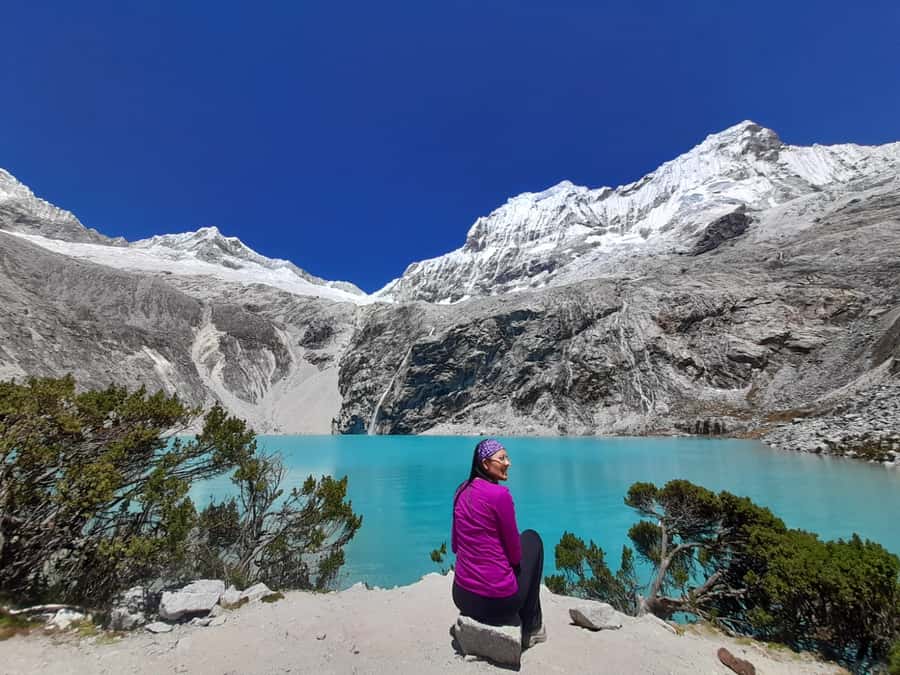
- Laguna 69 at 4,600m: expect the altitude to feel real, not theoretical
- Cebolla Pampa (3,900m): your launch pad for the hike and photo breaks
- Route through Yungay and Llanganuco: classic Cordillera Blanca scenery on the drive
- Pass by Chinancocha and Orconcocha: the day includes more than one highlight
- Small group (10 max): you get a calmer pace and easier logistics
- Spanish guide: you’ll understand what you’re seeing, not just where to walk
From Huaraz to Llanganuco: why the drive is part of the experience
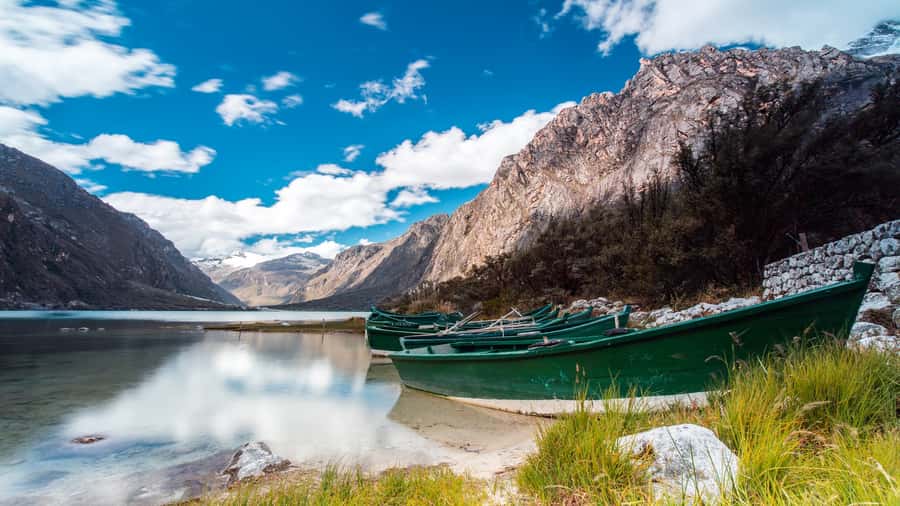
This is a long day, about 14 hours door-to-door from Huaraz, and the timing starts early. You’ll typically begin with hotel pickup (optional depending on your arrangement), then head out toward Yungay and the Llanganuco Valley area. Along the way, you travel parts of the Callejón de Huaylas (the valley of the Santa River) with sharp views of the Cordillera Blanca snowcapes.
I like this approach because it warms you up to the region before your first step on the trail. Even if your legs aren’t ready yet, your eyes will be busy: mountain walls, valleys, and scattered Andean towns along the north path. It helps the trek feel like one continuous journey, not a separate checkbox.
One practical note: the road is not always smooth. If you get carsick easily, you may feel the 3-hour round-trip ride on winding roads, and it can make the day tougher before the hike even starts.
You can also read our reviews of more tours and experiences in Huaraz.
Yungay, the park gate, and the lakes you see before the climb
Once you reach the Yungay District area, you’ll continue toward the route that leads into Huascarán National Park. After registration to enter, the day starts to stack up visuals. You’ll pass near notable lakes like Chinancocha and Orconcocha, which is a smart setup: you get scenic rewards before you reach the main ascent.
What this means for you: it reduces the “only the top matters” feeling. If altitude slows your pace, you still have plenty of stops and viewpoints to enjoy. And if you’re the type who likes taking photos whenever the light hits, the early lakes give you chances to shoot without feeling like you’re rushing.
Also, Huascarán is a UNESCO World Natural Heritage Site, protected since 1975. That matters because the guide isn’t just naming peaks; they can frame why the park is protected and why this place looks the way it does—glacial landscapes shaped over a long time.
Cebolla Pampa (3,900m): where you reset before the serious part
Cebolla Pampa sits at about 3,900 meters, and it acts like your staging point. You arrive there after the park entry, and you’ll have time for a short guided tour and sightseeing while you get ready.
This part of the day is more than waiting. It’s your last practical buffer. At that altitude, your body is already working harder, so it’s the right moment to:
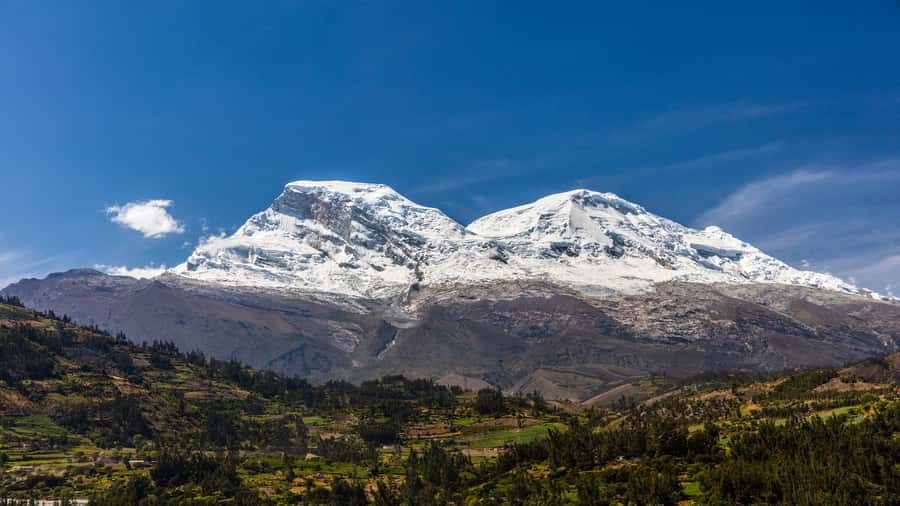
- take in the views of Huascarán (the highest mountain in the White Mountain Range),
- breathe steadily and slow down your pace,
- use bathroom breaks if they’re offered before the main hike.
On this trek, you start with about an hour of walking that’s described as flatter. That first segment matters because it lets you find rhythm. If you go out too fast on the first stretch, you’ll pay for it later when the route turns into switchbacks.
The climb to the small lake and the 700m uphill reality
As you leave Cebolla Pampa, the terrain transitions. You’ll hike on a relatively easier segment for about an hour, then begin ascending on switchbacks until you reach a small lake area. This section is where altitude becomes the main character.
One reviewer shared that the positive elevation gain of around 700m up to 4,600m can be difficult because of oxygen levels. That matches what you should expect: this is not a casual nature walk. It’s a full trek with a steady climb where you’ll need patience more than speed.
On the ascent, you’ll be able to visualize and spot major glacial peaks—Chacraraju, Yanapaccha, Huascarán, and Chopicalqui—and you may also see waterfalls in the valley. I like that the route gives you visual markers. It helps you keep perspective when your breathing gets shallow, because your brain can latch onto the view instead of only the effort.
Practical tip: move like you’re climbing at half your usual hiking pace. You’re at altitude, so “slow” is the new “normal.”
Lake 69 at 4,600m: turquoise water and the photo strategy that works
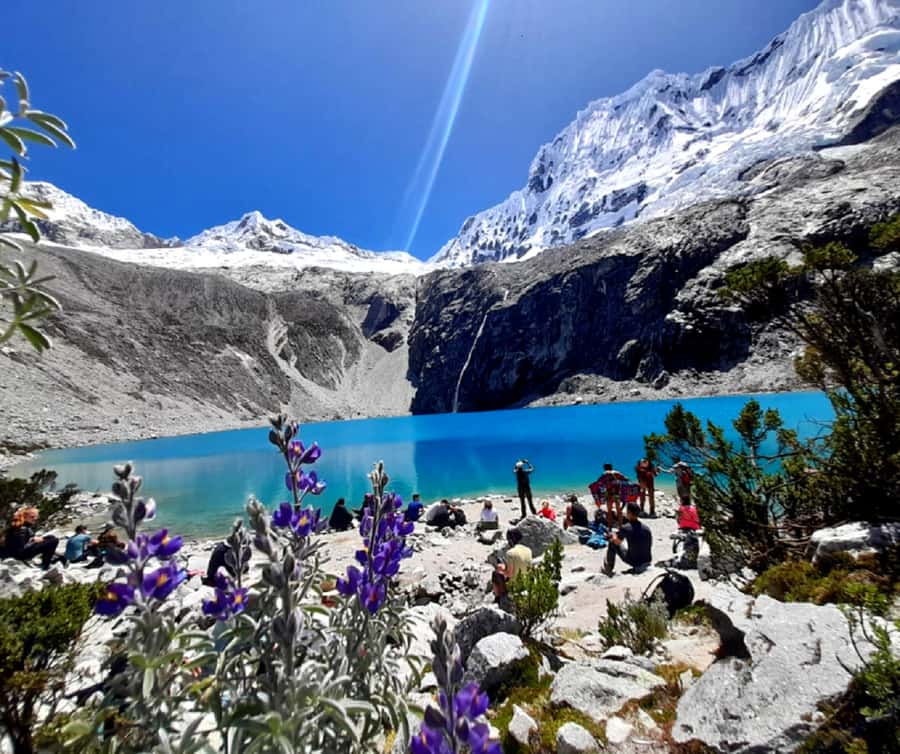
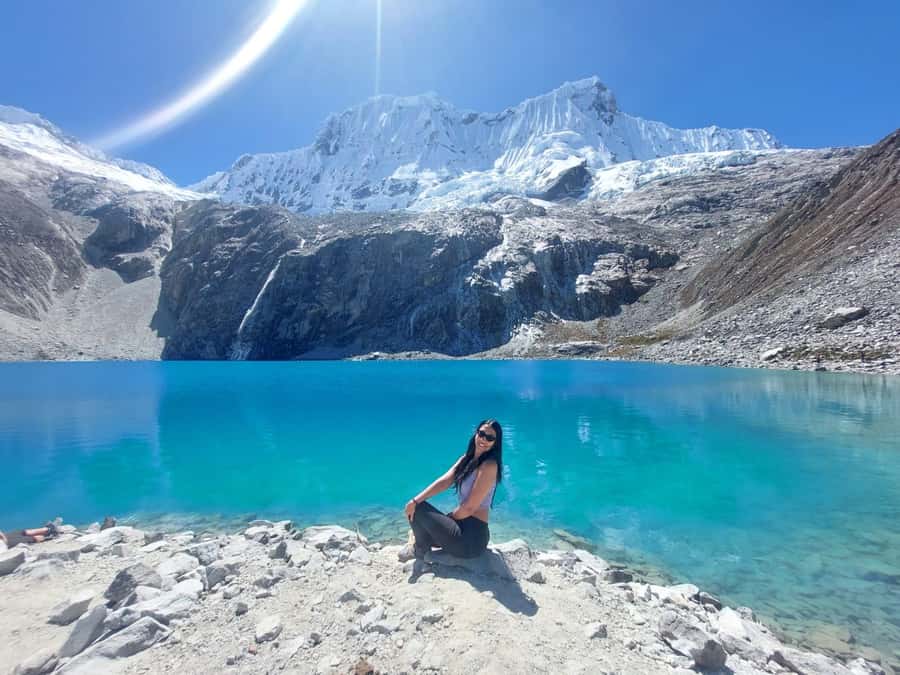
Finally, you reach Laguna 69 around 4,600 meters. This is your big moment: clear turquoise water, dramatic mountains, and a scene that looks almost too clean to be real.
You’ll get time for:
- a guided visit,
- a short walk,
- and plenty of photo stops.
The key here is wind and light. At these elevations, conditions can shift quickly, and your best photos often happen when you pause long enough to let the view “settle” in your eyes. Don’t just shoot one angle and move on. The guide can point you toward what to watch for, and the time on-site gives you the chance to capture the lake from a few perspectives.
Also, the trek is designed with the return in mind. After your time at the lake, you start descending the same path back toward Cebolla Pampa, where transportation will be waiting to take you back to Huaraz.
UNESCO Huascarán: the meaning behind the scenery
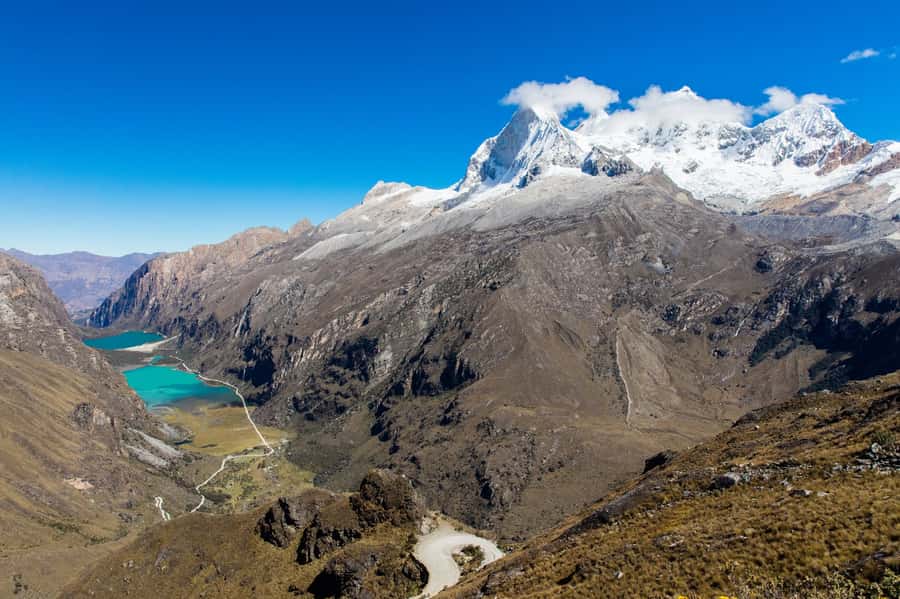
A lot of treks sell views. This one also gives you context, and that’s why it feels more rewarding.
Huascarán National Park is managed as a protected natural area and is recognized internationally for its natural value. If you’re the type who likes understanding why a place is protected, the guided component is a real benefit. Instead of only checking off a lake name, you learn what makes the ecosystem and glacial geography worth preserving.
This matters because the Andes can look similar from a distance, especially when you’re tired. Learning a few core details helps you recognize the difference between peaks, valleys, and the way glaciers shape the terrain.
And on a day that includes altitude stress, “meaning” reduces frustration. You’re not just suffering for a photo—you’re seeing a protected alpine landscape with a guide translating what you’re witnessing.
Guide and group size: what a small group changes on a hard day
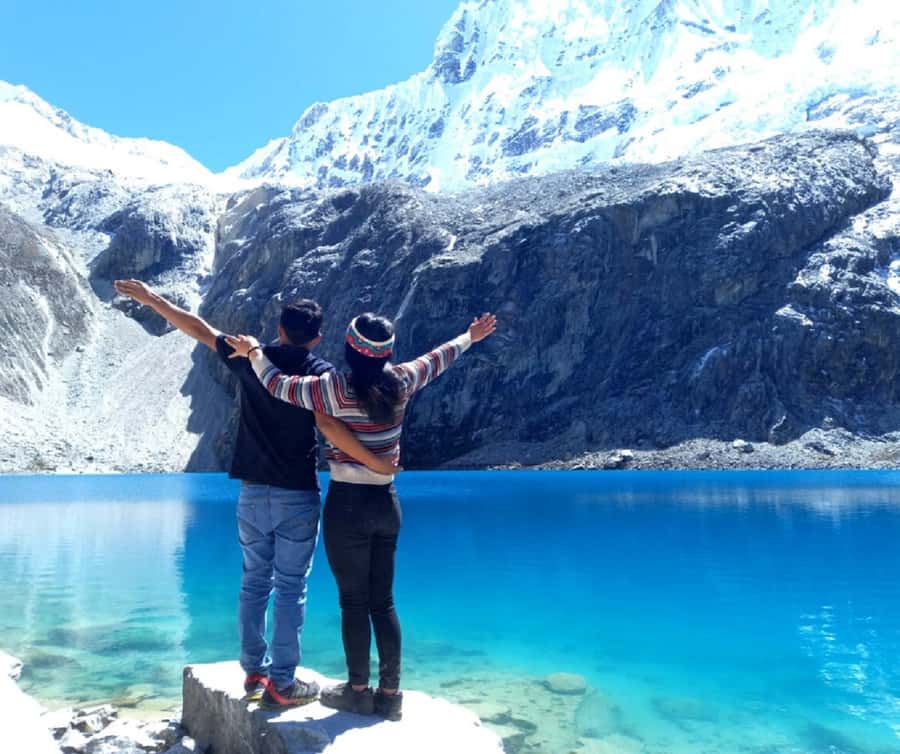
This is a small group trek with a limit of 10 participants, guided in Spanish. I like small groups for altitude hiking because it usually means:
- fewer delays at narrow sections,
- less crowd pressure at viewpoints,
- and easier communication when people need to slow down.
You’ll also want to know that guides can be flexible with pacing and timing. In one case, the guide Wilson handled a pickup timing confusion without making it a bigger deal. Another guide mentioned was Noel, who checked that everyone was okay during the hike.
Bottom line: trust the guide. If you’re feeling off, speak up early. If you’re well-paced, you’ll likely find the day is challenging but manageable.
Pace, timing, and what to expect at each stop
Here’s how the day tends to feel from start to finish:
- Pickup and drive toward the park area, roughly 2.5 hours of coach/bus travel each way.
- Quick passing through Yungay District, then onward toward the Llanganuco Valley route.
- Registration and scenic passage by Chinancocha and Orconcocha.
- Cebolla Pampa (3,900m): guided tour, sightseeing, and a chance to get your body ready (about 1.5 hours).
- Main hike: flatter walking at first, then switchbacks up toward a small lake, with views of glacial peaks and valley waterfalls.
- Laguna 69 (4,600m): visit and photos with lots of time at the top (about 1 hour).
- Return to Cebolla Pampa, then transport back to Huaraz (again roughly 2.5 hours).
This structure is good because it doesn’t leave you stranded. You get guided stops at key moments, and you’re not guessing how much time you’ll have at the lake.
Cost and value: $42 vs the entrance fee you must plan for
The tour price is listed at $42 per person, which is usually attractive for a full-day guided trek with transport from Huaraz. But there are two costs you should plan for on the day:
- Entrance fee of 30 Peruvian soles per person, payable locally
- Food and drinks, which are not included
- Also, hotel drop-off is not included, so you may need to arrange your return from the meeting point
So what’s the value? The core value is the combination of transport + a Spanish guide + entry into a protected area with context. If you tried to do this on your own, you’d spend time figuring out routes, timing, and access—and you’d lose the guided explanations that help you enjoy the altitude climb more.
Bring enough cash to cover the entrance fee and any small purchases you might want.
What to pack (and what can ruin a good day)
Pack for high altitude and variable weather. The recommended gear is simple, but don’t skip it:
- Sunglasses
- Sunscreen
- Insect repellent
- Rain gear
- Hiking shoes
- A jacket (bring layers)
- Cash
I’d add a practical mindset: at 4,600m, your body gets cold faster than you expect, especially when you stop moving for photos. Rain gear matters because clouds and mist can roll in around the mountains.
If you’re sensitive to transport motion, consider planning for that too, since the road ride is described as bumpy by at least one participant.
Who should book this trek (and who should think twice)
This is ideal if you:
- want an organized Laguna 69 trek with a guide,
- like photo-worthy alpine views and don’t mind a hard climb,
- can handle altitude stress with good pre-trek acclimatization.
It’s not suitable for people over 65, and the physical condition requirement is real. If you’re not used to higher elevations, treat this as a serious effort, not a casual hike.
Should you book the Huaraz Lake 69 day trek?
I’d book it if you want a guided, well-paced day with real context in Huascarán National Park, plus a strong payoff at Laguna 69. The small group size and Spanish guide are big value for a hike that can get demanding.
Skip it or reconsider if altitude scares you, you have doubts about your stamina, or you haven’t acclimatized. This trek goes high fast, and the climb is described as difficult due to oxygen levels. If you do book, show up rested, pack warm layers, and move slowly on the switchbacks.
FAQ
How long is the Lake 69 trek day tour from Huaraz?
The total duration is listed as about 14 hours.
What does the $42 price include?
It includes a professional guide in Spanish and transportation. Hotel pickup is optional.
What isn’t included in the tour price?
Food and drinks are not included, and there is an entrance fee of 30 Peruvian soles per person payable locally. Hotel drop-off is also not included.
Do I need to pay an entrance fee to Huascarán National Park?
Yes. The entrance fee is 30 Peruvian soles per person and is paid locally.
What altitude is Lake 69?
Lake 69 is at approximately 4,600 meters above sea level.
Is there a shorter acclimatization or warm-up before the main ascent?
Yes. You start around Cebolla Pampa at about 3,900 meters, walk a flatter section for about an hour, and then begin switchbacks.
What language is the live tour guide?
The guide is Spanish.
How big is the group?
The group is limited to a small size, with up to 10 participants.
What should I bring for the trek?
You’re advised to bring sunglasses, sunscreen, insect repellent, rain gear, hiking shoes, a jacket, and cash.
Is the tour suitable for older travelers?
It’s not suitable for people over 65 years.