REVIEW · KATHMANDU
Annapurna Base Camp Trek
Book on Viator →Operated by Mission Himalaya Trekking · Bookable on Viator
Annapurna Base Camp hits like a mountain dream. What makes this trek appealing is the full rhythm of Nepal before you even start walking, then two big sunrise moments on the trail. You get a guided route with built-in recovery days in cozy lodge towns, plus a Kathmandu and Pokhara intro that helps you feel oriented fast.
I particularly like the human support built into the plan. Names like Pradeep, Bikas, Santosh, Birendra, Aashman, and Lal show up repeatedly in feedback, and that lines up with what you want when the trail gets steep: clear guidance, steady pacing, and help with real issues like knee pain.
One possible drawback: you need to be ready for physical days that include long walks and major step sections, including a push with about 3,400 steps. If you’re not comfortable with that style of effort, you’ll feel it more than you want to.
In This Review
- Key things I’d watch before you go
- Kathmandu first: temples, culture dinner, and getting your gear sorted
- A practical note
- The Pokhara transition day: a scenic bus ride and a lake-town reset
- Starting the trek from Nayapul: Ulleri and those famous steps
- What to expect
- Ghorepani to Tadapani: Poon Hill setup and rhododendron days
- A small consideration
- Chhomrong to Bamboo: suspension bridges, terraces, and a steady grind
- Deurali and Hinku Cave: colder air, sun breaks, and bigger valley views
- Why I like this day
- Machapuchare Base Camp to Annapurna Base Camp: the moment you came for
- The overnight value
- ABC sunrise day and the return toward Doban: fast downhill, then more valley time
- Jhinu Danda: retracing your steps and ending with a softer walk
- Returning to Kathmandu: a free day to explore plus a farewell dinner
- Price and logistics: what $995 covers, and what you still manage yourself
- My value take
- Guide and porter support: the difference between tough and doable
- Practical takeaway
- Difficulty reality check: moderate fitness, steep steps, and cold mornings
- Who should book this trek, and who should think twice
- Should you book Mission Himalaya Trekking for Annapurna Base Camp
- FAQ
- FAQ
- How long is the Annapurna Base Camp trek?
- Where does the trek start, and how do you get there?
- What’s included in the $995 price?
- Are travel insurance and tipping included?
- What kind of fitness level do I need?
- What happens on the first day in Kathmandu?
- What is the cancellation refund rule?
Key things I’d watch before you go
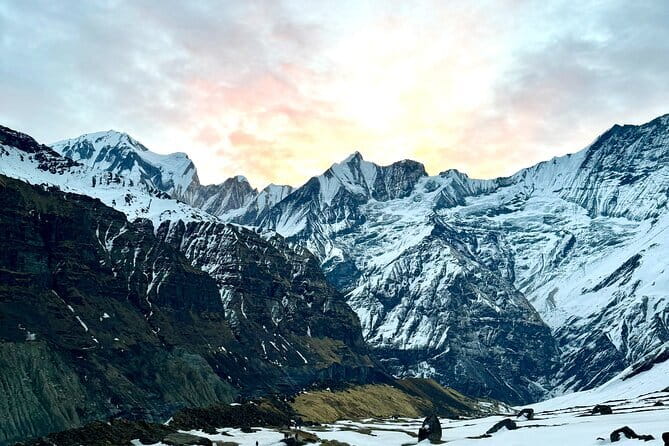
- Two sunrise hits, not one: Poon Hill for early mountain drama, then another early start at ABC for the classic Annapurna sightline.
- Real lodge-to-lodge pacing: You’re not in one endless day. The itinerary breaks the trek into overnight stops with downhill and uphill mixes.
- The Annapurna Sanctuary payoff: ABC sits among huge peaks, but you reach it by walking through a gorge and finishing with a dedicated overnight.
- Lots of forests, steps, and bridges: Rhododendron woods, waterfalls, terraces, stone steps, and suspension bridges keep the trail interesting.
- Guide and porter support matters on this route: Feedback names specific guides, and it also points to flexible help when snow or pace becomes a problem.
Kathmandu first: temples, culture dinner, and getting your gear sorted
Your trip begins in Kathmandu with a simple, confidence-building setup. A representative meets you at the airport, escorts you to a private car, and gets you to your hotel. After that downtime, you’ll have a welcome dinner at a cultural restaurant, followed by a Nepali dance show. It’s not just entertainment. It helps you start learning the local rhythm before you jump into trekking logistics.
On day two, you’ll hit major Kathmandu Valley sites like Pashupatinath, Bouddhanath, Swayambhunath (the Monkey Temple), and Kathmandu Durbar Square. This is a good way to get your bearings. The city can feel chaotic, so seeing the landmarks on a guided schedule makes the rest of Nepal feel more connected.
That day also includes an essential part most trekkers forget: the trekking briefing and equipment check. Meeting your trekking guide and verifying what you brought can save you from buying the wrong item in a hurry later.
You can also read our reviews of more tours and experiences in Kathmandu.
A practical note
Even if you’ve trekked before, this stage matters. Your feet and brain both need an easy start: temples by morning, a briefing in the evening, then real travel the next day.
The Pokhara transition day: a scenic bus ride and a lake-town reset
On day three, you take a tourist bus to Pokhara. It’s a long ride (about 7–8 hours), but the route is part of the experience: rolling hills, the Trishuli River, and planned lunch breaks near Malekhu and Ghansikuwa. You arrive around 3 pm, which is late enough to keep things comfortable but early enough to still enjoy lakeside time.
Pokhara is the jumping-off point for the Annapurna region, and staying near Fewa Lake gives you an easy place to unwind. I like this kind of buffer day before your first steep trek effort. Your body gets to settle, and you get used to Nepal’s pace without forcing it.
Potential drawback here: if you’re the type who hates bus rides, day three can feel like a lot. But it’s also the easiest way to connect Kathmandu to the start of the trail without turning it into a complicated travel puzzle.
Starting the trek from Nayapul: Ulleri and those famous steps
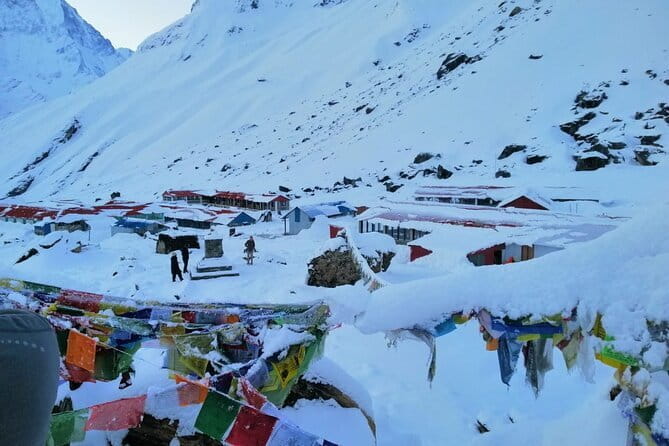
Day four is your first real trek day. You travel from Pokhara toward Nayapul, then start walking through a valley forest, crossing the Bhurungdi Khola River, and reaching Tikhedhunga. Then comes the big push: about 3,400 steps plus bouldery sections.
You’ll end the day at Ulleri. This stretch is classic Annapurna treks: steep, repetitive, and very doable if you go slow and steady. If you rush, you’ll pay for it later. If you pace it, it feels like a rite of passage instead of a grind.
What to expect
The itinerary time suggests a moderate walking day (around 6 hours), but the effort is in the uphill style. Plan for sweaty knees and use that lodge night to stretch and rest.
Ghorepani to Tadapani: Poon Hill setup and rhododendron days
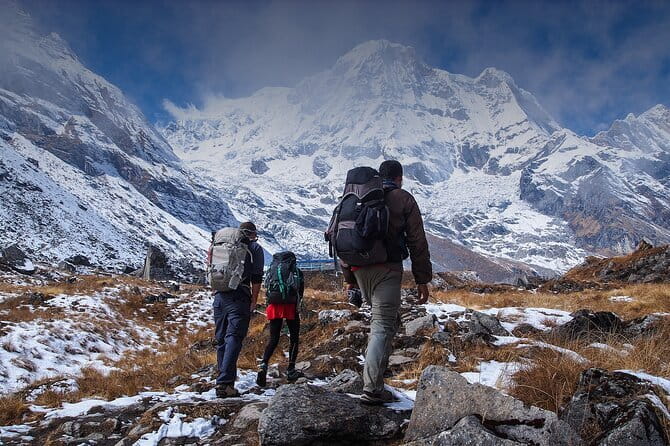
Day five begins with a hearty breakfast and takes you up toward Ghorepani. Along the way you get mountain glimpses, including Mt. Annapurna South, plus Nilgiri in the wider view mix. You’ll reach upper Ghorepani, which is basically designed for panoramas.
Day six is a highlight morning: an early ascent to Poon Hill for sunrise. You’ll also be treated to hot coffee while you watch the sky do its thing over the Annapurna and Dhaulagiri ranges. After that, you return to Ghorepani for breakfast, then continue through rhododendron forests and past waterfalls into Tadapani.
I like that this portion balances reward with variety. Sunrise gives you the big payoff, then the walking continues with forests instead of only stone and uphill.
A small consideration
Sunrise mornings mean cold starts. You’ll be going out in the dark, so bring layers you can actually handle on a long morning.
Chhomrong to Bamboo: suspension bridges, terraces, and a steady grind
Day seven moves from rhododendron forest into terraced fields, with a long-ish uphill push (about 5 km). Along the route you pass waterfalls and cross a suspension bridge, then keep going until you reach Chhomrong, a village below the Annapurna massif.
Day eight starts with downhill stone steps toward the Chhomrong Khola River. You cross a swinging bridge, then climb to Sinuwa through a forest path (Kuldihar is part of the route). After that, you continue with a gentle descent to Bamboo for the night.
This section is where the trek starts to feel like it’s teaching you the mountains. One day you’re climbing through forest and villages, the next you’re stepping down through stone corridors and bridge crossings. It’s never boring.
Deurali and Hinku Cave: colder air, sun breaks, and bigger valley views
Day nine is written as a chilly bamboo forest followed by uphill work. You’ll climb steeply toward the Himalaya Hotel, then continue through a drier forest with strong views of the glacial river below (based on the route description). The climb continues toward Hinku Cave.
Then you descend to a river and climb again to Deurali. This is one of those days where the scenery shifts: greenery gives way to exposed vistas, and you’re staring into valley, cliffs, and waterfalls. You end at a lodge in Deurali with views that include Mt. Dhaulagiri.
Why I like this day
It gives you variety in terrain and weather feel. Even without seeing every detail of the mountain from your bed, your body senses the change. That’s helpful for pacing because you learn what effort feels right on cold, steeper ground.
Machapuchare Base Camp to Annapurna Base Camp: the moment you came for
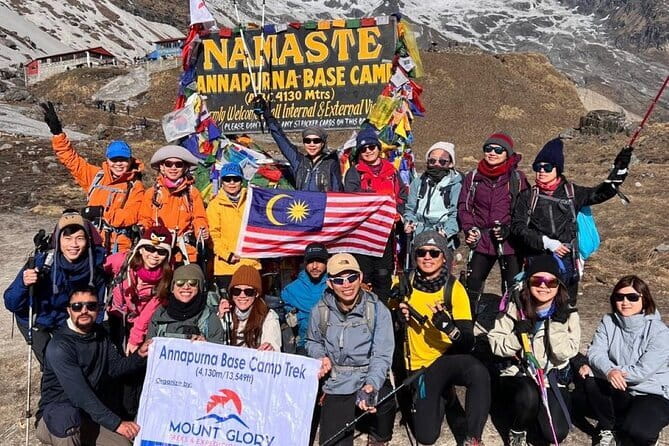
Day ten is your ABC arrival day. You ascend steadily along a valley trail with rocky cliffs and occasional steep sections, then walk a stretch that’s described as relatively flatter before another push.
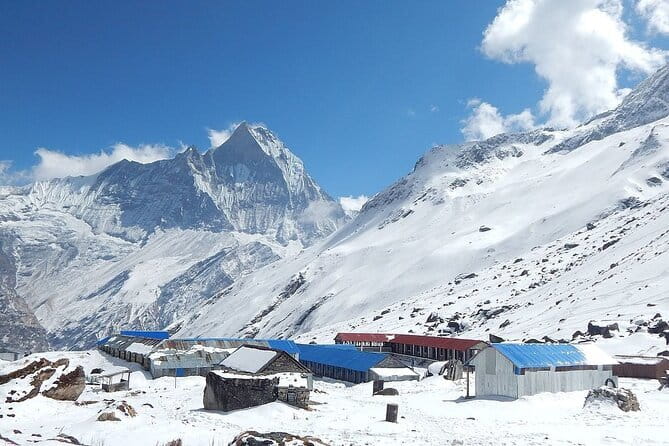
The route goes toward Machapuchare Base Camp (MBC). From there, you get major view targets: Mt. Hiunchuli, Annapurna South, Annapurna I, Annapurna III, Gandharvachuli, and Gangapurna. That’s a lot of famous peak names in one corridor, which is a good sign you’re in the right geography.
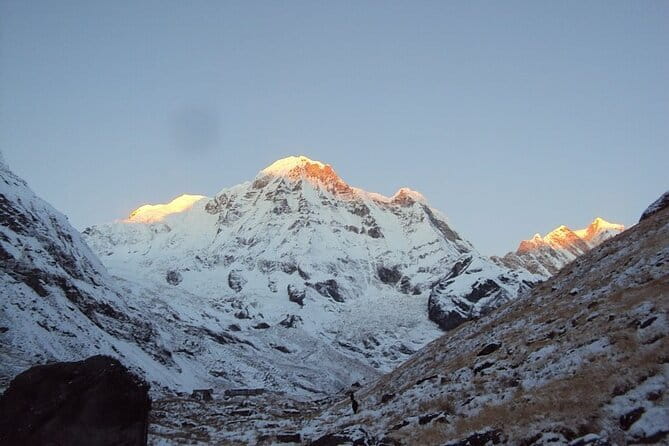
After MBC, you continue to Annapurna Base Camp. The itinerary notes that access is through the gorge you’ve just traversed. That detail matters. It means the final arrival doesn’t feel random. You emerge into ABC after moving through a natural passage, and it tends to make the place feel more “earned.”
You overnight at ABC.
The overnight value
Getting to ABC is one thing. Sleeping there is another. Overnight time gives you a chance to settle, take photos when clouds thin out, and enjoy the stillness that day trips don’t always get.
ABC sunrise day and the return toward Doban: fast downhill, then more valley time
Day eleven begins with an early rise for sunrise at ABC, described as a pinnacle moment of the journey. After breakfast, you descend to MBC, then move through Deurali and Himalayan Hotel before reaching Doban for the night.
The route description calls day eleven a swift descent for the day. That’s good news for your stamina, but keep your knees in mind. Long downhills can be harder than they look, especially if you’ve been using your quads to fight gravity.
A smart strategy is to take shorter steps on descents. It’s slower, but it saves your legs for the next day.
Jhinu Danda: retracing your steps and ending with a softer walk
Day twelve focuses on getting back down toward Chhomrong. You’ll descend from Chhomrong with tricky stone-step sections earlier in the day, then continue toward Jhinu Danda.
By day thirteen you’re essentially finishing the Annapurna Sanctuary trek. You go back down to Jhinu Danda, then after breakfast you head toward Nayapul, with lunch along the way. After reaching Nayapul, you drive back to Pokhara.
The Jhinu Danda area is described as farmland and rainforest. That’s the kind of contrast you want at the end: less high-alpine drama, more comfort and greenery.
Returning to Kathmandu: a free day to explore plus a farewell dinner
On day fourteen, you either fly or drive back to Kathmandu from Pokhara. Once you arrive, transportation returns you to your hotel, and you get a free day for souvenir shopping or exploring on your own.
That evening includes a farewell dinner planned as a chance to share trekking stories. I like this structure because it gives you a clean mental transition. You’re not immediately rushing to pack for the airport the next morning.
Day fifteen is airport time. A representative accompanies you three hours before your scheduled flight, and the trip ends with wishes for a safe journey.
Price and logistics: what $995 covers, and what you still manage yourself
This trek costs $995 per person for roughly 15 days. For the amount of support you’re getting, that price can feel fair. You’re covering permits and required fees, guided trekking, private vehicle transfers at both ends, plus most meals.
Here’s what’s included based on the program:
- Permits and entrance fees as per the itinerary
- Breakfast (14), lunch (10), dinner (10)
- All fees and taxes
- Pickup offered, and private transfer arrangements in Kathmandu and between major stops
What’s not included:
- Travel insurance
- Tipping
- Personal nature expenses
- Bars and beverage bills
- Anything not mentioned in the program
My value take
$995 isn’t just paying for walking days. You’re paying for the full package: planning, permits, staff support, and meal coverage that keeps you from budgeting every day at the lodge. For many trekkers, that reduces stress more than the direct cost matters.
Guide and porter support: the difference between tough and doable
If you care about comfort and safety, the guide team is where this trek pays off. Feedback includes people like Pradeep, Bikas, Santosh, and Birendra, and it also highlights assistant guides and porters.
You’ll see this support in how the trek is paced: equipment checks early, a structured route, and day-by-day lodge stops. When pace gets tricky, having someone who can help adjust plans matters.
I also like that feedback includes real-life problem solving, like support for knee pain. Another note in the feedback mentions flexible changes of plan when an 8-year-old boy struggled due to snow. That doesn’t mean it’ll happen on your exact schedule, but it tells you the team isn’t rigid when conditions shift.
Practical takeaway
Pick a trek where you trust the people running it. If you’ve had knee trouble before, or you just want someone to help manage pace, this kind of staffed route is a strong choice.
Difficulty reality check: moderate fitness, steep steps, and cold mornings
The program expects you to have a moderate physical fitness level. That’s the right match for many people, but Annapurna Base Camp is still Annapurna Base Camp.
You should expect:
- Steep sections and long days, including a day featuring about 3,400 steps
- Cold mornings (sunrise at Poon Hill and sunrise at ABC)
- Uneven footing: stone steps, rocky cliff sections, and bridge crossings
One more reality: lodges help, but you’re still walking day after day. The route moves like a long staircase in places. If you hate that feeling, you’ll feel it.
Who should book this trek, and who should think twice
This is a great fit if you want:
- A guided Annapurna Base Camp trek with clear structure and meals included
- Two sunrise moments, including Poon Hill and ABC
- A mix of cultures first (Kathmandu Valley stops) and trekking later (Pokhara and lodge towns)
- Comfort from having people handle route planning and equipment checks
It may be less ideal if:
- You cannot handle steep step-heavy days
- You’re looking for a very easy walk with little uphill work
- You’d rather manage permits and logistics on your own
If you’re a family group with kids or you’re managing a knee issue, this trek may still work thanks to guided support and flexibility mentioned in feedback. Just be honest with your guide about your pace on day one, not day ten.
Should you book Mission Himalaya Trekking for Annapurna Base Camp
I’d book this trek if you want the classic Annapurna Base Camp experience with a steady hand and less day-to-day decision fatigue. The price includes permits, fees, and most meals, plus transfers and a private group setup, which is a practical way to keep the trip smooth.
Skip it only if your schedule or body can’t handle step-heavy uphill days and early sunrise mornings. For everyone else, this itinerary gives you a thoughtful build-up: Kathmandu orientation, Pokhara reset, first trek climbs, forest-and-bridge middle days, then the payoff of Machapuchare Base Camp views and an ABC overnight.
FAQ
FAQ
How long is the Annapurna Base Camp trek?
It’s listed as 15 days approximately, starting in Kathmandu and ending back in Kathmandu after the trek and return from Pokhara.
Where does the trek start, and how do you get there?
You travel from Kathmandu to Pokhara by tourist bus, then the trek begins from Nayapul.
What’s included in the $995 price?
The price includes all fees and taxes, required permits and entrance fees as per the itinerary, and meals (breakfast 14 times, lunch 10 times, dinner 10 times). Pickup and transfers are also offered as described.
Are travel insurance and tipping included?
No. Travel insurance and tipping are not included, and personal expenses plus bar and beverage bills are also not included.
What kind of fitness level do I need?
The program says you should have a moderate physical fitness level.
What happens on the first day in Kathmandu?
You’re met at the airport, escorted to a private car for your hotel transfer, and then you have downtime followed by a welcome dinner with a Nepali dance show.
What is the cancellation refund rule?
You can cancel up to 3 days in advance of the experience for a full refund. If you cancel less than 3 full days before the start time, the amount paid will not be refunded.