REVIEW · KATHMANDU
Langtang Valley Trek
Book on Viator →Operated by Nepal Hiking Team · Bookable on Viator
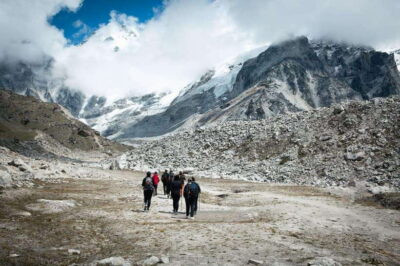
Langtang gives you big-mountain drama fast. This trek stays close to Kathmandu, yet still climbs to high passes and puts you in the middle of Langtang National Park scenery and Tamang village life. I like the built-in structure: you get a guide, porter support, meals on the trail, and permits handled. I also like the focus on the best parts: Kyanjin Gompa and the views from Kyanjin Ri and Chorkari Ri. One thing to weigh: altitude is real, even if the route is described as gradual, and you’ll feel it on summit-style days.
Plan for a day-by-day hiking rhythm that moves from comfortable river valleys up into thinner air. The itinerary is fairly “easy trail” compared with the scary, technical stuff, but you still do long days and high points around 4,700 to 5,050 meters. If you’re not used to that kind of elevation, you’ll want to take the pace seriously and listen to your guide.
In This Review
- Key Highlights That Matter on This Trek
- From Kathmandu to Syabrubesi: The Shortcut That Helps You Breathe
- The 10-Day Flow: What Each Hiking Day Feels Like
- Day 1: Arrive in Kathmandu
- Day 2: Kathmandu to Syabrubesi (1462m)
- Day 3: Syabrubesi to Lama Hotel (2500m)
- Day 4: Lama Hotel to Langtang Village (3307m)
- Day 5: Langtang Village to Kyanjin Ri (4773m) and back to Kyanjin Gompa (3798m)
- Day 6: Kyanjin Gompa exploration and Chorkari Ri (5050m)
- Day 7: Kyanjin Gompa to Lama Hotel (2500m)
- Day 8: Lama Hotel to Syabrubesi (1462m)
- Day 9: Syabrubesi to Kathmandu by bus
- Day 10: Departure
- Kyanjin Ri and Chorkari Ri: The Altitude Payoff (and the Reality Check)
- How to make these days easier
- Kyanjin Gompa, Buddhist Heritage, and Tamang Village Life
- Why this cultural layer is worth your energy
- Lodge-to-Lodge Reality: Meals, Yak Cheese, and What’s Included
- Hot showers and Wi‑Fi: plan around them
- The Kathmandu Setup: Two Nights That Reduce Trek Stress
- The Human Part: Guide and Porter Support That Actually Changes Your Trek
- Examples of the kind of crew you might work with
- Group size: small enough to feel personal
- Price and Value: What $830 Covers (and What You Still Need to Budget)
- Who This Trek Suits Best (and Who Might Reconsider)
- Should You Book This Langtang Valley Trek?
- FAQ
- Where does the trek start?
- How long is the Langtang Valley Trek?
- What time does the experience start?
- Is airport pickup included?
- What meals are included during the trek?
- Will I have hot showers and Wi‑Fi during the trek?
- How many guides and porters are provided?
- Are trekking permits included?
- What’s not included in the price?
- What is the cancellation policy?
Key Highlights That Matter on This Trek
- Small group size (max 15) keeps the pace calm and the logistics smooth.
- Two nights in Kathmandu (3-star hotel with breakfast) means you’re not scrambling the night before you hike.
- Full board on trek (breakfast, lunch, dinner) with tea/coffee, so you’re not hunting for meals mid-schedule.
- Kyanjin Gompa + monastery exploration gives you more than just mountain views.
- Kyanjin Ri (4773m) and Chorkari Ri (5050m) deliver the high-pass payoff without technical climbing.
From Kathmandu to Syabrubesi: The Shortcut That Helps You Breathe
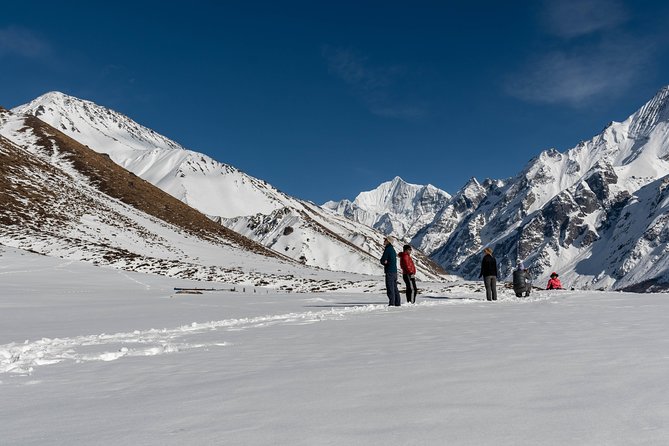
One reason people choose Langtang is simple: it’s close enough that your trip doesn’t turn into a travel-only vacation. You start in Kathmandu, then the plan drives you to Syabru Bensi (1462m) the day after arrival. That long-ish ride (about 7 hours) is a good move. It lets you get out of the city and into trek country without losing days.
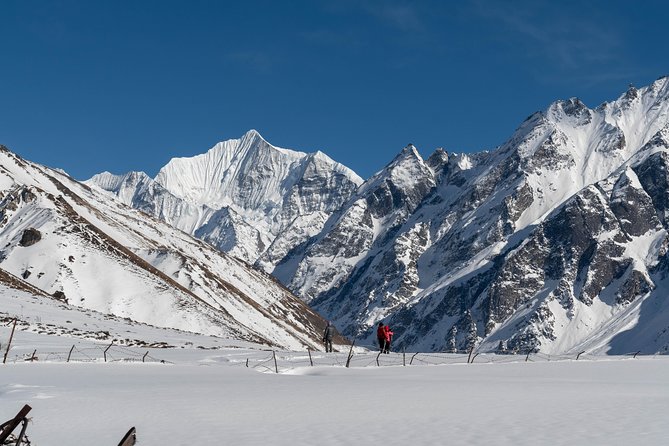
Then you shift gears into a real walking schedule: river valleys first, then a steady climb toward higher settlements. The early days are a reminder that altitude doesn’t arrive like a switch. It builds. And your body learns the rhythm—especially because the route is described as easy-trail with gradual elevation and plenty of water and gushing streams nearby.
Practical takeaway: if you’re coming from sea level, your first two hiking days are when good pacing pays off. Don’t “win” the trail by hiking too fast on day three or four. You want to save energy for the higher points later.
You can also read our reviews of more tours and experiences in Kathmandu.
The 10-Day Flow: What Each Hiking Day Feels Like
Here’s how the trek unfolds, and what each step is really about.
Day 1: Arrive in Kathmandu
You land at Tribhuvan International Airport and the trip includes airport pickup. That matters more than it sounds, because Kathmandu logistics can eat your energy. Having a private vehicle ready helps you get oriented quickly. Later, you’ll spend two nights in a 3-star hotel in Kathmandu with breakfast.
Day 2: Kathmandu to Syabrubesi (1462m)
You drive to Syabru Bensi for about 7 hours. This day is travel, but it also sets the tone: you’ll start seeing the valley shape and the mountains growing sharper in the distance. You’re not hiking yet, but you’re already stepping into the Langtang world.
Day 3: Syabrubesi to Lama Hotel (2500m)
About 5 hours of hiking. This is a classic warm-up climb toward the higher lodge zones. Lama Hotel sits at 2500m, so your legs get time to adjust, not just your lungs. Expect a mix of uphill walking and frequent landscape views between the bends of the route.
Day 4: Lama Hotel to Langtang Village (3307m)
About 5 hours again, now higher—3307m. Langtang Village is one of those stops that makes the trek feel lived-in. You’re in the home territory of ethnic Tamang communities, so the day isn’t just a physical climb. It’s a cultural shift too: you start noticing village life and the way people build their routines around the seasons and passes.
Day 5: Langtang Village to Kyanjin Ri (4773m) and back to Kyanjin Gompa (3798m)
A longer day: 7–8 hours. You go up to Kyanjin Ri (4773m) and then return to Kyanjin Gompa (3798m). The climb to the viewpoint is where you feel the altitude most strongly. The payoff is the “big view” day, with multiple Himalayan peaks framing the valley.
What makes this day special is that it isn’t only for photos. When you return to Kyanjin Gompa, the day flows into a spiritual and cultural base camp feel. The gompa area is where you slow down a bit and let the place sink in.
Day 6: Kyanjin Gompa exploration and Chorkari Ri (5050m)
About 7 hours total. Part hike, part exploration. You explore the Kyanjin Gompa complex and then climb Chorkari Ri (5050m). That 5,050m high point is the trek’s other altitude headline.
This is also the day when your “how you move” matters most. Short pauses, steady breathing, and conserving energy help. The guide’s job here is not just route navigation. It’s pacing so you don’t feel destroyed by the time you reach the top.
Day 7: Kyanjin Gompa to Lama Hotel (2500m)
Back down: 5–6 hours. This is your recovery day. Still hiking, but you’re losing altitude, which usually feels like a gift after Chorkari Ri. You’ll see the valley change again as your perspective drops lower.
Day 8: Lama Hotel to Syabrubesi (1462m)
Another 5–6 hours. This is the long “return to life” day. As you descend, the air thickens and the trail feels less demanding. You’ll start seeing more familiar vegetation and a wider sense of space in the valley.
Day 9: Syabrubesi to Kathmandu by bus
You head back to Kathmandu by bus. This is where you’ll want to be kind to your body. Your legs might be fine on paper, but hills have opinions.
Day 10: Departure
Farewell day. You’ll be leaving after the trek wraps.
Kyanjin Ri and Chorkari Ri: The Altitude Payoff (and the Reality Check)
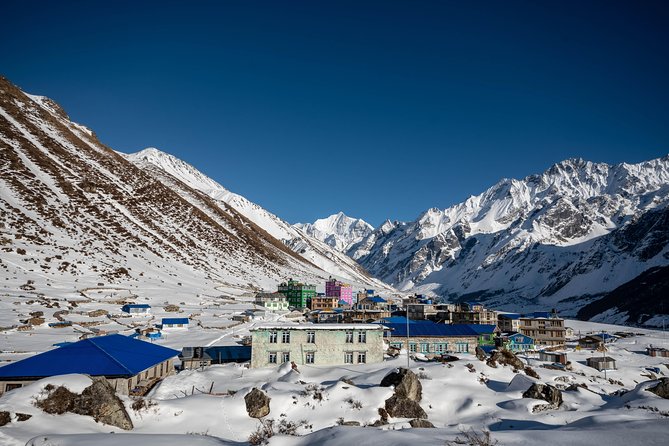
This trek is often sold as accessible, but access still has an altitude price tag. Kyanjin Ri tops out at 4773m, and Chorkari Ri reaches 5050m. Those heights mean thin air, slower breathing, and a stronger need to take the day calmly.
The good news is that the route is presented as gradual and on a trail that isn’t technical. You’re not doing ropes or rock scrambling. The challenge is mostly effort and air.
How to make these days easier
- Move steadily, not fast. Speed is the enemy at altitude.
- Use the guide’s pacing plan. If your guide says slow down, do it.
- Expect a “slow feels good” rhythm on summit-style pushes to viewpoint ridges.
If you’re nervous about altitude, you’re not alone. One of the things that comes up in the trek’s reputation is how seriously the team treats safe progress. That’s especially important on the two highest moments: Kyanjin Ri and Chorkari Ri.
Kyanjin Gompa, Buddhist Heritage, and Tamang Village Life
The trek includes an exploration day at Kyanjin Gompa, described as an ancient Buddhist monastery area. This matters because it turns the hike into more than a view chase. You’re walking through a living religious and cultural landscape.
Then there’s the Tamang village experience along the way. These settlements aren’t “stops for stamps.” They’re the backdrop for daily life—people living at altitude, adapting homes and routines to the seasons and valleys.
Why this cultural layer is worth your energy
On trekking routes that feel too “touristy,” culture gets squeezed into a quick photo stop. Here, because the trek is paced around villages and gompa exploration, you get a more natural rhythm. It also helps if you’re trekking with a guide who knows what you’re looking at, not just how to walk the trail.
Lodge-to-Lodge Reality: Meals, Yak Cheese, and What’s Included
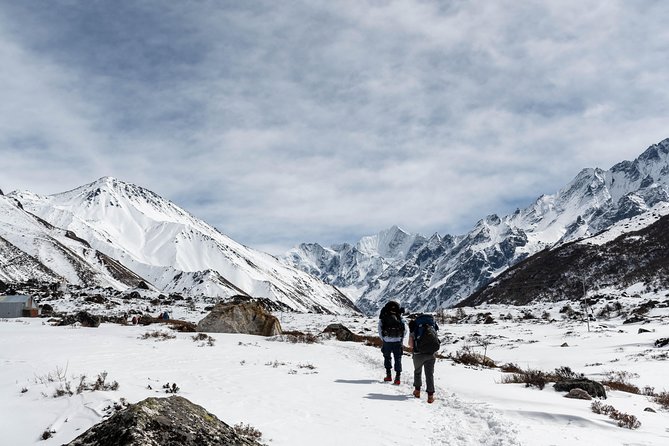
This is one of the biggest practical advantages: your trek meals are handled as full board. During the trek you get breakfast, lunch, and dinner, plus tea/coffee. That means you’re not planning food logistics every day, and you’re less likely to run short when you’re tired.
You’ll also eat Himalayan staples like yak cheese. It’s one of those foods that can feel surprising if you’re used to dairy from home, but it’s part of what makes mountain food here taste distinctly local.
Hot showers and Wi‑Fi: plan around them
Hot showers aren’t included during the trek, and Wi‑Fi during the hike isn’t included either. Bring the right expectations. The trail is about sweat, rest, and getting back in sync, not about sending emails from a mountain lodge.
The Kathmandu Setup: Two Nights That Reduce Trek Stress
The trip includes two nights in Kathmandu at a 3-star category hotel with breakfast. You also get airport pickup and drop off by private vehicle. This is a smart value add because Kathmandu is the place where delays and confusion can multiply. A ready transfer and a solid room base help you show up to day two with your head clear.
Just note what’s not included: lunches and dinners in Kathmandu are on you. That’s normal, but it affects your overall budget. If you’re trying to keep the trip lean, build those meals into your plan from the start.
The Human Part: Guide and Porter Support That Actually Changes Your Trek
The trek includes an English-speaking guide and porter support (the plan notes a ratio of 2 trekkers to 1 porter). It also covers salaries, equipment, meals, and accommodation for the guide and porter.
That support matters because it changes how you hike:
- You carry less weight, which helps on the longer and higher days.
- You get route leadership and local insight.
- You’re less likely to make mistakes when weather or footing shifts.
Examples of the kind of crew you might work with
Depending on your group and dates, you could trek with guides and porters with names that have come up repeatedly, like Prajwal with porter Bhim, Deepak Dhakal with porters Kamal and Sabin, Navaraj with porter Tulsi, or Surya with porter Ganesh. People also speak highly of the company leadership at the communication stage, including Ganga (the managing director) helping smooth questions before you go.
No matter the names, the pattern is the same: good communication before the trek and attentive, friendly support during it.
Group size: small enough to feel personal
Maximum 15 travelers means you’re not getting swallowed by a giant herd. That usually translates into easier pacing, clearer guidance, and fewer logistics headaches.
Price and Value: What $830 Covers (and What You Still Need to Budget)
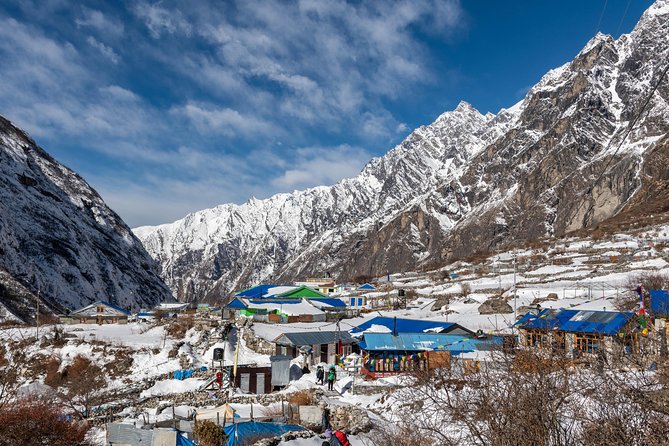
At $830 per person, this trek costs less than what many people expect once they add up the real components: guide support, porter help, permits, lodge-to-lodge transport, and trek meals.
Here’s what’s included that usually drives value:
- Airport pickup and drop off in Kathmandu
- Two hotel nights in Kathmandu with breakfast
- Full board meals during the trek (breakfast/lunch/dinner plus tea/coffee)
- Lodge-to-lodge accommodation (twin sharing)
- Guide and porter (with staffing costs covered)
- All trekking permits
- Surface transfer to/from Syabrubesi by public bus
- A duffle bag provided for the trek (returned at the end)
What you should budget outside that price:
- Nepal entry visa
- Travel insurance
- Tips for trekking staff and driver
- Personal trekking equipment
- Hot showers during the trek (not included)
- Wi‑Fi during the trek (not included)
- Lunches and dinners while you’re in Kathmandu
- Private vehicle transfers to/from Syabrubesi (not included; transfers are by public bus)
If you’re the kind of traveler who hates planning every little detail, this package can feel fair. If you already have equipment and don’t need help with meals/permits, you might compare options. But for first-time trekkers or anyone who wants a smoother trail experience, the included support does the heavy lifting.
Who This Trek Suits Best (and Who Might Reconsider)
This experience is designed for people with moderate physical fitness. The route is described as an easy trail with gradual elevation, and the daily hikes are in the 5-hour range most days, with two heavier viewpoint days.
You’ll likely love it if:
- You want a guided trek close to Kathmandu
- You enjoy village life and gompa exploration, not only summit views
- You’d rather pay for support than figure out permits and logistics yourself
- You’re okay with lodge life (twin sharing) and no hot showers
You might reconsider if:
- Altitude makes you anxious and you don’t have the time or patience to acclimatize calmly
- You want a “short, easy” trek with no long days near 5,000 meters
Should You Book This Langtang Valley Trek?
If your goal is a high-reward Himalaya experience without turning it into a full-time logistics project, I’d say this is a strong choice. The value is in the package: meals, permits, guide/porter support, and a clear itinerary that puts Kyanjin Gompa and the two big viewpoints at the center.
Book it if you can commit to a steady pace and you’re comfortable with altitude challenges around 4,800 to 5,050 meters. If that sounds stressful, talk with the guide team early, be honest about your fitness, and expect to move slower than you think you should.
FAQ
Where does the trek start?
It starts in Kathmandu, then you drive to Syabru Bensi on day two and continue hiking from there toward Langtang Village and the Kyanjin area. You return to Syabru Bensi and then go back to Kathmandu by bus before departure.
How long is the Langtang Valley Trek?
The duration is about 10 days.
What time does the experience start?
The start time is 7:15 am.
Is airport pickup included?
Yes. Airport pickup and drop off are included by private vehicle.
What meals are included during the trek?
During the trek you get full board meals with tea/coffee: breakfast, lunch, and dinner.
Will I have hot showers and Wi‑Fi during the trek?
Hot showers during the trek are not included, and Wi‑Fi during the trek is not included.
How many guides and porters are provided?
An English-speaking guide is included, along with porter support (noted as 2 trekkers to 1 porter).
Are trekking permits included?
Yes. All trekking permits are included.
What’s not included in the price?
Not included are travel insurance, Nepal entry visa, lunches and dinners in Kathmandu, hot showers during the trek, personal trekking equipment, Wi‑Fi during the trek, private vehicle transfers to/from Syabru Bensi, and tips for trekking staff and driver.
What is the cancellation policy?
You can cancel for a full refund up to 24 hours in advance. If you cancel less than 24 hours before the start time, the amount paid is not refunded. The experience may also be rescheduled or refunded if it’s canceled due to poor weather or if the minimum number of travelers isn’t met.