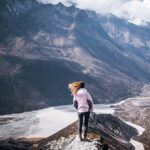
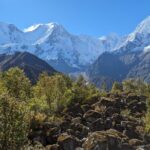
Langtang Valley is a great trek if you want mountains without the headache. This route trades extreme altitude for big Himalayan views, Tamang culture, and the simple rhythm of 6-7 hour hiking days. I like the small-group feel (max 15) and that your trek food and teahouse nights are built into the plan, not tacked on later. One drawback to plan for: the pace is still real hiking each day, so you’ll need solid moderate fitness even if the altitude stays relatively friendly.
What makes this trek feel safe and easy to manage is the human support. You walk with a licensed, English-speaking guide and porters on a 2 trekkers to 1 porter setup, and the guides in this program like Ram Krisna (who’s noted for caring attention) and Lochan Gurung (praised for looking after everything) tend to keep you confident when weather turns. The one thing I’d think about up front is gear timing: you can borrow a down jacket and sleeping bag, but you’re still responsible for your core trekking items and for returning borrowed gear at the end.
In This Review
- Quick hits before you hit the trail
- Langtang Valley Trek in plain English: what you’re really buying
- Small group and the guide-porter team: why it changes your trip
- Price and what it covers: the value math that matters
- Getting to the trailhead: Kathmandu to Syaprubesi by bus
- The daily hike: 6-7 hours, teahouse nights, and how to pace yourself
- Cultural trekking: Tamang life and Tibetan influence on the move
- Views of the Langtang range: when the effort pays off
- Lodging and food at teahouses: simple, warm, and functional
- Packing without overthinking: the essentials you still must handle
- Logistics, group size, and confidence on the trail
- Should you book Langtang Valley with this operator?
- FAQ
- How long is the Langtang Valley Trek?
- What is the price per person?
- What’s included in the trek days?
- Do they provide cold-weather gear?
- What’s the group size and hiking pace like?
- Is medical or emergency evacuation insurance included?
Quick hits before you hit the trail
- Small group (max 15) means more personal attention on a route that still feels calm
- 7 teahouse nights + most meals included keeps your daily budget under control
- 6-7 hours of hiking daily with basic mountain lodges, so plan for steady effort
- Borrowed down jacket + sleeping bag helps if you don’t want to buy cold-weather gear
- Tamang culture + Tibetan-influenced life shows up as you move through villages and everyday routines
- Local bus Kathmandu–Syabrubesi–Kathmandu keeps logistics straightforward before and after trekking
Langtang Valley Trek in plain English: what you’re really buying
This trek is for you if you want a proper Himalayan experience in about a week and a bit, without gambling on very high altitude. The Langtang Valley route stays relatively easier than some other big-name treks because you don’t push too high, and the starting point is reachable with a short drive from Kathmandu. That matters. When your time is limited, shaving off complexity is real value.
The day rhythm is simple: walk for about 6-7 hours, then settle into a teahouse/mountain lodge for the night. That steady pattern is part of why this trek works for many people. You’re not constantly hunting for lodging or recalculating the next steps. You know where you’ll sleep, and you can focus on walking, taking breaks, and enjoying the views.
Another value play: the trek is built around practical cultural encounters. You’ll explore Tamang culture and the Tibetan-influenced feel that’s common across parts of this region. You’ll also see everyday mountain life, like yaks grazing in Himalayan meadows when conditions allow. It’s not just photos. It’s living routines.
You can also read our reviews of more tours and experiences in Kathmandu.
Small group and the guide-porter team: why it changes your trip
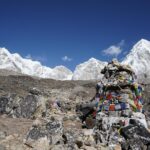
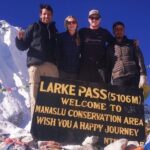
The trek runs with a maximum of 15 travelers, which is a big deal on a mountain trail where groups can otherwise feel like a moving train. With a smaller setup, you get more help when you slow down, when you need advice on layers, or when you’re just figuring out how to pace yourself.
You’ll have:
- A licensed English-speaking guide
- Porters (with an arrangement described as 2 trekkers : 1 porter)
- Guide and porter related expenses included in the price
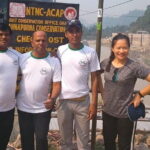
From the feedback on named guides, a consistent theme is care and attentiveness. Ram Krisna is highlighted for being cheerful, caring, and helpful—especially in how he looked after a younger sister and made the group feel comfortable and safe. Lochan Gurung is also mentioned for superb support with porters John and Nabin, with the team handling day-to-day needs so trekkers feel taken care of.
Now, a balanced note: porters help with load, but you still need to manage your own stamina and trekking basics. Think of the support team as your confidence layer, not a replacement for good pacing.
Price and what it covers: the value math that matters
At $700 per person for an approx. 8-day trek, the key question is what’s included versus what you’ll pay anyway. Here, a lot of the “hidden costs” are already addressed, which is why this can be better value than cheaper-looking options.
Included items of real value:
- 7 nights’ teahouse accommodation during trekking
- Most meals while trekking (breakfast, lunch, dinner as per the itinerary)
- Kathmandu to Syaprubesi and back by local bus
- National Park fees and TIMS fees
- Guide and porter (their expenses too)
- Sleeping bag, down jacket, and duffel bag provided upon request (must be returned after the trek)
- All taxes, fees, and handling charges
- Mobile ticket
What’s not included (and you should budget for):
- Meals in Kathmandu before/after the trek
- Personal insurance (medical, accident, rescue/evacuation)
- Personal trekking equipment
- Personal expenses like bottled drinks, laundry, phone bills, alcohol
- Tipping to field staff
- Kathmandu accommodation
So yes, $700 is not low-budget, but you’re paying for a bundled structure: lodging on most nights, meals during trekking days, and the paperwork/fees that can otherwise surprise you. If you’re the type who hates last-minute budgeting in unfamiliar countries, this style of package makes planning calmer.
Getting to the trailhead: Kathmandu to Syaprubesi by bus
The trek starts with a Kathmandu to Syaprubesi connection by local bus, then returns the same way after trekking. That’s intentionally straightforward. You get picked up (pickup is offered), and then you shift from city life into mountain logistics.
Why I like this approach: it keeps the trip from feeling like a travel project. You’re not chaining multiple complicated transfers. You’re also not spending your trek time on unnecessary sightseeing detours. Once you’re at the trailhead area, your days become predictable.
One consideration: because you’re using a bus, you should expect the usual seat-time reality. Bring something for comfort and keep your daypack organized so you don’t scramble for layers or basics when you arrive.
The daily hike: 6-7 hours, teahouse nights, and how to pace yourself
The plan is hiking for about 6-7 hours a day. That doesn’t mean every minute is steep. It means you should be prepared for sustained effort, changing weather, and some uphill breathing. The trek is described as relatively easy compared to routes that go very high, but easy still means steady work.
Each day ends at a mountain lodge/teahouse with basic accommodation. This is normal for the region, but it’s worth setting expectations. You’re trading luxury for location. The goal is warm up, eat well, rest, and go again tomorrow.
My practical pacing advice:
- Start slower than you think you need to. You’ll feel it by mid-morning if you rush.
- Dress in layers. Even when altitude is not the main challenge, mountain weather can shift fast.
- Plan to drink water regularly and eat meals fully. Your energy is what keeps the walk enjoyable.
Cultural trekking: Tamang life and Tibetan influence on the move
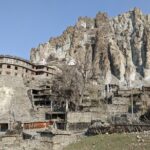
Langtang Valley is known for cultural immersion that feels more like living alongside people than visiting a museum. As you hike, you’ll pass through communities where Tamang culture and Tibetan-influenced ways of life show up in daily routines.
What that looks like in practical terms:
- You’ll see how mountain communities organize around the teahouse system and trail traffic
- You’ll experience the rhythm of village life as part of your walking breaks
- You’ll be moving through places where yaks and local livelihoods still matter
This matters because it changes the emotional tone of the trek. Instead of only chasing views, you start noticing how people adapt to weather, altitude, and limited resources. And when you’re in a small group, it’s easier to slow down and pay attention without feeling like you’re being herded.
Views of the Langtang range: when the effort pays off
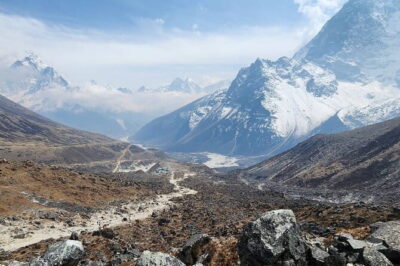
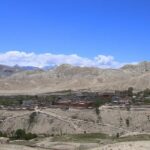
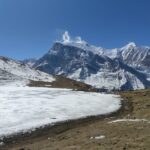
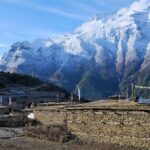
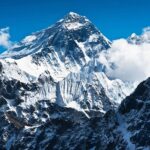
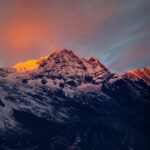
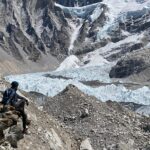
One of the core reasons people do Langtang is the Langtang range viewpoints. You’ll spend several days walking with high mountain scenery in front of you, plus open sections where you can see further across the valley.
The trek also highlights Himalayan meadows where you might see yaks grazing. Those moments are usually the payoff points: you look up, you look out, and you realize the long day was for more than just checking steps off a list.
A practical note: cloud cover and weather can change what you see. Because this trek doesn’t focus on extreme altitude, you still get chances for strong views without the same level of altitude gamble. That’s a comfort factor if you want a high probability of enjoying the scenery.
Lodging and food at teahouses: simple, warm, and functional
You get 7 nights of teahouse accommodation, with breakfasts, lunches, and dinners during trekking days. That’s helpful because teahouses in mountain regions often run on schedules and limited menus. Having meals organized for you reduces stress.
What teahouse lodging usually means here: basic rooms, simple setups, and warm-up time after your walk. You should assume that comfort will come from layers, hot food, and rest—rather than from fancy amenities.
If you’re borrowing gear, plan around it:
- A down jacket helps with wind and cold during breaks
- A sleeping bag helps at night so you’re not shivering through rest time
- The duffel bag is provided upon request, but you’ll need to return borrowed items after the trek
Packing without overthinking: the essentials you still must handle
This tour helps you with key cold-weather items, but you still need to bring your own core gear. The program notes that personal trek equipment isn’t included, and you’re responsible for clothing suitable for hiking.
Here’s the “don’t overpack, don’t underpack” approach:
- Hiking boots or sturdy shoes that you already trust
- Socks you can rotate (your feet will thank you)
- A waterproof layer or rain protection (weather changes happen)
- Daypack for essentials and snacks
- Water bottle or hydration plan
- Headwear for sun and warmth for cooler moments
Because you’ll hike 6-7 hours daily, comfort gear pays off. Your goal isn’t to carry everything. Your goal is to carry the right things for a long walking day.
And a small humor-friendly reminder: mountains are great, but your knees still keep score. Take a trekking pole if you use them. It’s not mandatory, but it can make downhills feel less like a negotiation.
Logistics, group size, and confidence on the trail
You’ll move with a local guide, porters, and a max group size of 15. With that many people, things are still calm, but you’ll want to keep your own habits steady: start when the group starts, eat when food is available, and don’t wait until you feel desperate for water or warmth.
Pickup is offered, and you’ll receive a mobile ticket. Near public transportation, too. That helps if you’re trying to keep your Kathmandu time low-stress.
One thing to consider: there’s a minimum of 2 people per booking. So if you’re traveling solo, you’ll need to confirm how they handle joining. Also, children must be accompanied by an adult.
Should you book Langtang Valley with this operator?
If your dream is a Himalayan trek that feels manageable in time, this is a strong match. You get:
- Teahouse lodging and most meals handled
- Fees and passes included (TIMS and national park fees)
- A guide + porter setup designed to make the walking easier
- Borrowed cold-weather gear on request
I’d especially recommend it if you:
- Want a smaller group and calmer trail experience
- Prefer not to buy expensive cold-weather trekking gear
- Like the idea of Tamang culture and Tibetan-influenced village life as part of the trek, not just a side note
The main reason to hesitate is simple: even with easier altitude and a shorter drive to the start, you still hike 6-7 hours daily. If you’re looking for a short, gentle stroll, you might feel this is more work than you want.
If you go in with realistic fitness, pack smart, and lean on the guide team, you’re set up for a rewarding week of mountains, culture, and steady forward motion.
FAQ
How long is the Langtang Valley Trek?
It’s listed as 8 days (approx.).
What is the price per person?
The price is $700.00 per person.
What’s included in the trek days?
The trek includes 7 nights’ teahouse accommodation and most meals during trekking (breakfast, lunch, dinner as per itinerary), plus a local bus transfer Kathmandu–Syaprubesi–Kathmandu.
Do they provide cold-weather gear?
Yes. You can borrow a down jacket and a sleeping bag (and also a duffel bag upon request). Borrowed items must be returned after the trek.
What’s the group size and hiking pace like?
The group has a maximum of 15 travelers. Expect about 6-7 hours of hiking each day, and you’ll stay in basic teahouses/mountain lodges at night.
Is medical or emergency evacuation insurance included?
No. Personal insurance (medical, accidental, and rescue/evacuation such as helicopter) is not included, and any evacuation costs are your responsibility.