REVIEW · KATHMANDU
Ghorepani Poon Hill Trek
Book on Viator →Operated by Nepal High Trek & Expedition Pvt. Ltd · Bookable on Viator
Sunrise at Poon Hill is worth the early start. This short trek in Nepal’s Annapurna region mixes big mountain views with real village life, from Ulleri to Ghandruk, plus the payoff of a dawn viewpoint at about 3,210 m. I also like that the package includes practical comforts that many budget treks skip: three nights with private attached bathroom and a day’s worth of meals and tea built in.
One thing to plan for: you’ll do uphill walking on consecutive days and you’ll be up early for the Poon Hill sunrise hike, so this trek is best if you’re comfortable with steady effort and cold morning starts.
In This Review
- Key highlights you’ll actually feel on the trail
- Why Ghorepani Poon Hill works so well for first-timers
- Day 1: meeting your team, riding to Nayapul, and starting easy
- Day 2: Ulleri uphill, Bhanthati viewpoints, and forest walking
- Day 3: Poon Hill sunrise at 3,210 m and the peak list you came for
- Day 4: the Ghandruk finish—downhill walking and Gurung culture
- Meals, tea, and the comfort upgrade that changes the vibe
- Price and value: what about $399.67 really includes
- Guides and the private-tour feel (names you may run into)
- Difficulty: how hard is it, really?
- Should you book the Ghorepani Poon Hill Trek?
- FAQ
- How long is the Ghorepani Poon Hill Trek?
- What is the meeting start time?
- Is pickup included?
- What meals are included?
- Does the price include the Annapurna conservation permit?
- Is there a mountain guide?
- Do you get private bathroom facilities?
- What costs are not included?
- Is this a private tour?
- Can you cancel for a full refund?
- Is service animals allowed?
Key highlights you’ll actually feel on the trail
- Poon Hill viewpoint at 3,210 m for sunrise over multiple Himalaya giants, including Annapurna and Dhaulagiri
- Licensed mountain guide included, plus a track record of customized, safety-first guiding (names mentioned include Anos, Indako Tamang, Arbind, and Surya Tamang)
- Attached bathrooms for three nights, a real comfort upgrade compared to basic teahouse setups
- ACAP permit included (Annapurna Conservation Area Project Permit), so you’re not scrambling for paperwork
- Ground transportation covered: Pokhara to Nayapul, then toward Ghandruk, and back to Pokhara
- Private tour for your group only, which usually means more flexibility with pace and food choices
Why Ghorepani Poon Hill works so well for first-timers
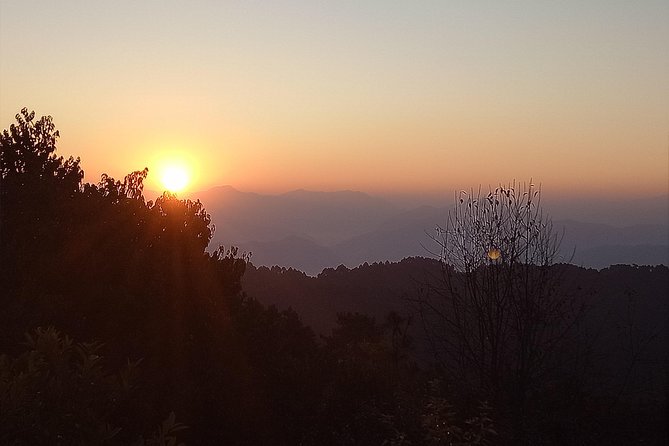
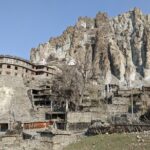
The Ghorepani Poon Hill Trek is popular for a reason: it delivers the classic Annapurna sunrise moment without requiring a weeks-long trek. You’re in and out in about four days, yet you still get variety—roadside views on the way in, stone-and-stair village walking, and that cool shift from lower settlements into forest trails.
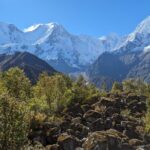
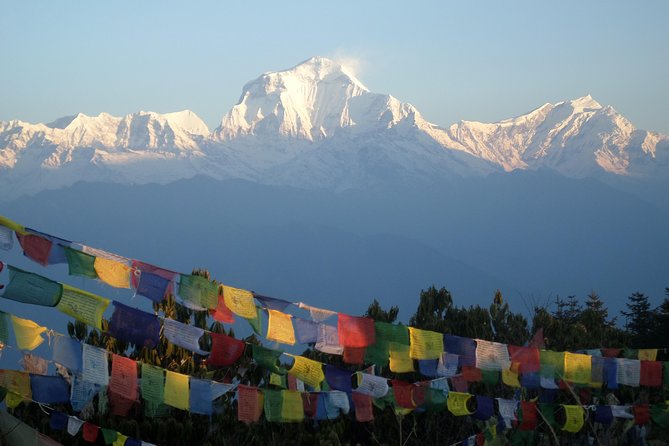
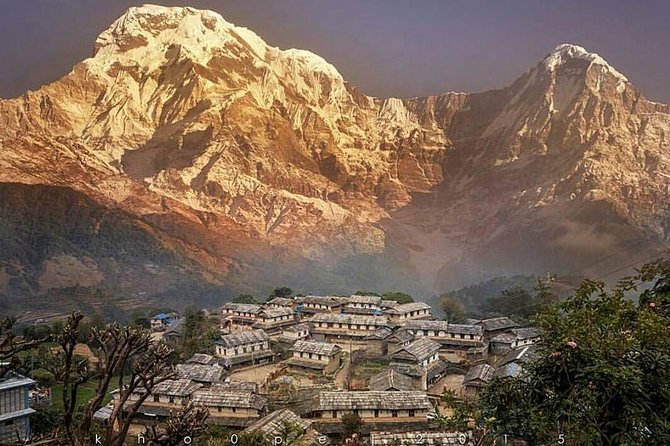
What makes this trek feel meaningful is the mix of scale and texture. One hour of walking can put you at a viewpoint above 3,210 m, looking across peaks like Annapurna I, Annapurna South, Gangapurna, Annapurna III, and even Dhaulagiri and Manaslu on a clear morning. Then the next day you’re moving through daily life: terraced farms, local paths, and villages where people actually live their routines.
The trail is also designed to be doable for more people than you’d expect. The trek is often described as beginner-friendly or intermediate-leaning, but that doesn’t mean it’s effortless—just that the format is supportive and paced around teahouse stops.
You can also read our reviews of more tours and experiences in Kathmandu.

Day 1: meeting your team, riding to Nayapul, and starting easy
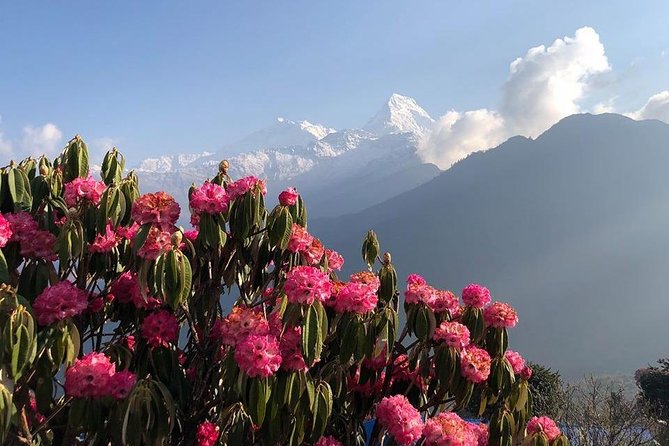
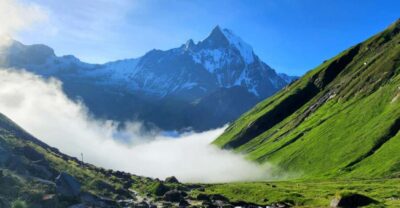
You’ll start with a pickup offered and a stated meeting time of 1:15 pm, then head toward the Annapurna foothills. Day 1 is a longish transfer: a drive past towns and villages where you can already catch big mountain views, including the distinctive Fish Tail shape of Mt. Machhapuchare.
The practical value of this day is that it helps you get your bearings fast. By the time you reach the trail area near Nayapul, you’re not jumping straight into steep climbs. You get time to adjust to the altitude process and settle in before proper hiking days.
Potential drawback here: if you’re prone to motion sickness, the day’s drive and early evening routine can feel like a lot. It’s still the right way to start this trek—just plan your comfort.
Day 2: Ulleri uphill, Bhanthati viewpoints, and forest walking
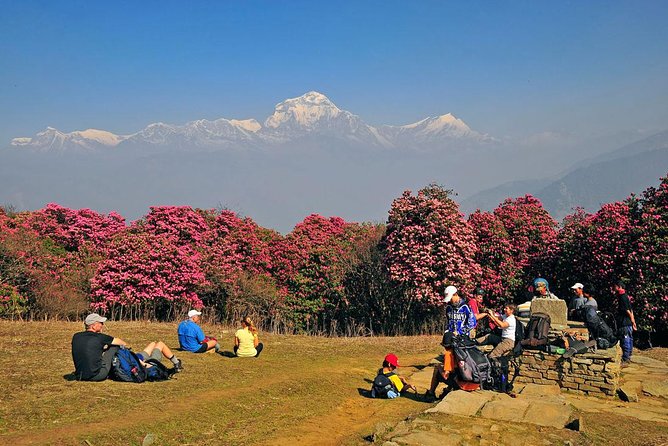
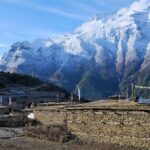
Day 2 is where you feel the trek take shape. You start with a walk that runs uphill for about two hours toward Ulleri, and the payoffs arrive as you climb—views of Annapurna South and Machhapuchare from higher village edges.
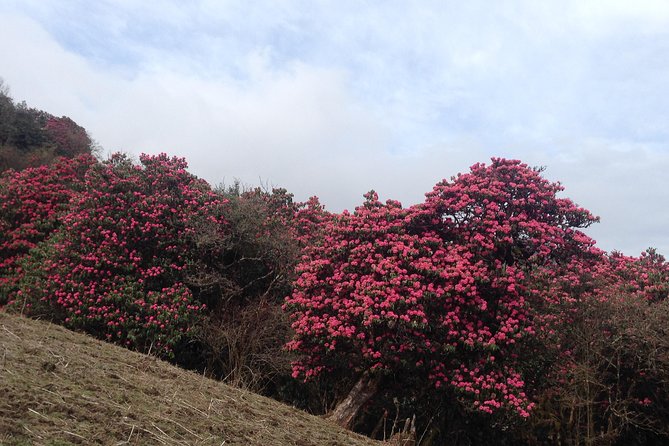
From Ulleri, the route improves as you move onward past Bhanthati. This is also where the trail transitions into a more “on-foot” feel: the path threads through alpine forest, and the overall walking becomes gentler than the initial push. The overview also frames the region’s forests well, including rhododendron areas, which often mean a cooler walk and calmer footing than open slopes.
Here’s the honest way to judge Day 2: it’s a good day to match your pace to your breath. If you walk steadily, you’ll stay comfortable; if you sprint to beat the group, the altitude will make you pay for it later. The good news is that this is exactly the kind of day where a licensed guide helps—choosing pace, timing stops, and handling the usual trail questions.
Day 3: Poon Hill sunrise at 3,210 m and the peak list you came for
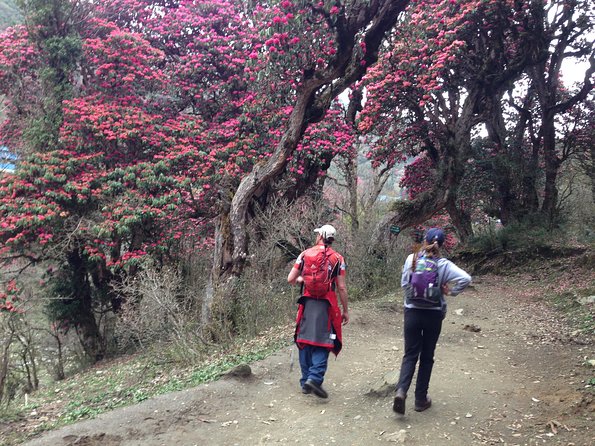
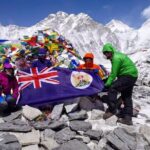
If this trek has a headline act, it’s Day 3. You’ll do an early morning hike to Poon Hill (about 3,210 m) for sunrise.
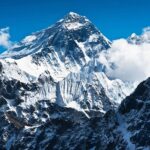
The view is the whole point: a horizon full of named mountains, not just one or two silhouettes. The information you get for the sunrise includes a chain of peaks such as Mt. Dhaulagiri (8,167 m) and Mt. Manaslu (8,163 m), plus Annapurna peaks (Annapurna I and Annapurna South among them), and Machhapuchare (the Fish Tail) at 6,790 m. There’s also mention of other peaks like Gangapurna and Annapurna III, which helps you practice spotting rather than just staring.
How to make this work for you:
- Go with the expectation that early mornings can be cold, and your energy will be slightly rationed.
- Bring your attention to the horizon, not your feet only. A sunrise viewpoint is best when you’re watching the light change, not when you’re only checking the path.
A subtle consideration: sunrise at Poon Hill depends on weather and visibility. This trek format still works on cloudy days for the walking and village experience, but the best-case scenario is a clear morning with sharp peak outlines.
Day 4: the Ghandruk finish—downhill walking and Gurung culture
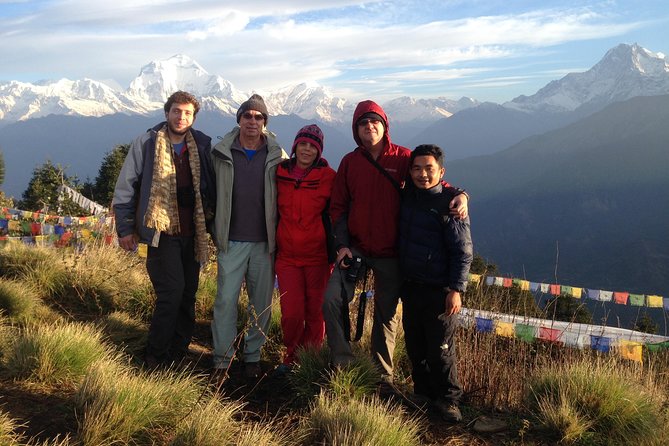
Day 4 shifts gears from altitude hype to slower, human-scale walking. You’ll do a morning downhill walk into the forest and head toward Ghandruk, a larger village populated by Gurung people. On arrival, you’ll get lunch and then an overnight stop in Ghandruk, with afternoon free time to explore the village.
This day matters because it gives you a different kind of satisfaction. Poon Hill delivers the big views; Ghandruk gives you the grounded feel—where trails turn into streets, and you can linger over daily life instead of racing to sunrise.
Also note the rhythm of the overall route: Ulleri up, viewpoint up, then forested downhill. That’s a smart pacing arc for a short trek because your effort isn’t all concentrated into one brutal day.
Meals, tea, and the comfort upgrade that changes the vibe
What I like about this trek package is how much it tries to reduce logistical stress. You’re covered with 3 times meals during the trek (breakfast, lunch, dinner) plus 3 cups of tea per day. That means you’re not constantly making small decisions about food during the hiking effort—you eat when it’s time to eat.
The other major comfort detail is the one that surprises people: private attached bathrooms for three nights. On many teahouse treks, you might deal with shared facilities or basic setups. Here, the trek is positioned to be more comfortable without removing the authenticity of staying in village guesthouses.
The result is that you can focus on the walk and the views instead of handling constant small discomforts.
Price and value: what about $399.67 really includes
The price is $399.67 per person for an approx. 4-day trek in the Annapurna region. On paper, that can sound like a lot for a short hike. In practice, it’s easier to judge when you see what’s included:
- Government license holder mountain guide
- Annapurna Conservation Area Project Permit
- All ground transportation (Pokhara – Nayapul – Ghandrunk – Pokhara)
- 3 night private attached bathroom
- Meals (breakfast/lunch/dinner coverage as described) and tea
- Pickup offered
- Private tour so you’re not sharing decisions and pace with strangers
Not included items you should budget for:
- Tips for the guide
- Travel insurance
- Porter fees: $20 per day
So the value equation is pretty clear: you’re paying for a guided, planned experience with permits, transport, meals, and comfort. If you’d otherwise have to coordinate these separately, the package becomes more reasonable fast.
Guides and the private-tour feel (names you may run into)
A licensed guide is included, and the pattern of service shown through guide names is consistent: Anos, Indako Tamang, Arbind, and Surya Tamang have been mentioned as leading trips with a patient, supportive style.
For you, the practical benefits of a good guide show up in small places:
- you get help setting a safe hiking pace
- you have someone to handle questions about stops, food, and timing
- the route can feel more customized to your needs rather than rigid
One more point: this is a private tour/activity, meaning it’s your group only. That usually translates into fewer awkward waits and better flexibility if someone needs a slower break.
Difficulty: how hard is it, really?
The trek is framed as suitable for most travelers, and it’s often treated as a first-trek option for beginners or early intermediate hikers. Still, you should respect the basic reality: you’ll walk uphill and you’ll go to a high viewpoint for sunrise.
If you’re the type of traveler who enjoys “steady effort” more than “hard climbing,” you’ll likely be happy with this format. If you want zero uphill and zero early starts, this one won’t match your expectations.
My rule of thumb: treat the trek as moderate effort with a demanding morning on Day 3.
Should you book the Ghorepani Poon Hill Trek?
Book it if you want:
- the classic Annapurna sunrise without a long, exhausting expedition
- a guided experience with the ACAP permit handled
- transport, meals, and tea organized for you
- more comfort than typical teahouse treks, thanks to private attached bathrooms for three nights
- a private setup where you can control your pace
Skip or reconsider if:
- you’re not willing to get up early and handle uphill walking over multiple days
- you’d rather plan transport and permits on your own to keep costs ultra-low
- you’re trying to avoid extra fees like porter costs ($20 per day) if you decide you need help carrying
If you want a Nepal intro that’s short, scenic, and logistically simple, this trek is one of the easier calls to make.
FAQ
How long is the Ghorepani Poon Hill Trek?
The trek is listed as approximately 4 days.
What is the meeting start time?
The stated start time is 1:15 pm.
Is pickup included?
Yes, pickup offered is included in the experience details.
What meals are included?
The package includes breakfast, lunch, and dinner during the trek, plus 3 cups of tea per day.
Does the price include the Annapurna conservation permit?
Yes. The Annapurna Conservation Area Project Permit is included.
Is there a mountain guide?
Yes. A government license holder mountain guide is included.
Do you get private bathroom facilities?
The package includes 3 night private attached bathroom throughout the trek.
What costs are not included?
Not included items are tips for the guide, travel insurance, and porter fees of $20 per day.
Is this a private tour?
Yes. It’s a private tour/activity, so only your group participates.
Can you cancel for a full refund?
Yes. Free cancellation is offered up to 24 hours in advance for a full refund.
Is service animals allowed?
Yes. Service animals are allowed.