REVIEW · KATHMANDU
Everest Base Camp Trek
Book on Viator →Operated by Glorious Himalaya Trekking Pvt. Ltd. · Bookable on Viator
The Himalayas start with a nerve-rattling flight. This Everest Base Camp trek from Kathmandu turns a few small decisions into big altitude days, with Namche and Dingboche built in for breathing room. The payoff is real: Kala Patthar viewpoints and the long walk into Everest Base Camp territory when weather cooperates.
I like that the trip removes a lot of the admin stress. Your domestic flights, permits, and permits-related fees are handled, and you get a certified trekking guide plus local lodge stays in twin sharing rooms. I also like the altitude rhythm: rest days in Namche and Dingboche, plus an optional hike to Chhukung if you want extra height without going full hero.
The main consideration is altitude and cold. You’ll be moving through high elevations like Kala Patthar (around 5,500m) and staging near Everest Base Camp, so you’ll want a moderate fitness base and realistic expectations about energy and pacing.
In This Review
- Key reasons this trek works so well
- Kathmandu to Lukla: how the trip starts with less stress
- Lukla to Phakding: first bridges, forest walking, and getting your legs under you
- Namche Bazaar days: first big peaks, then a true acclimatization reset
- Tengboche and Pangboche to Dingboche: monasteries, valleys, and the slow lift
- Dingboche rest day and the Chhukung option: choose your extra altitude
- Lobuche, Pheriche aid post, and Chukpo Lari memorials: the trek turns emotional
- Everest Base Camp and Kala Patthar: why this is the hardest, best day combo
- The long return: Namche and Lukla keep the trek honest
- Back to Kathmandu: a real landing and a farewell dinner
- Price, inclusions, and where you might spend extra
- Guide support, safety tools, and the human side of staying motivated
- Smart booking advice: who this trek fits best
- Should you book Glorious Himalaya for Everest Base Camp?
- FAQ
- How long is the Everest Base Camp trek?
- Where does the trek start and end?
- Are flights included?
- Is a guide included?
- What permits or fees are included?
- Is a porter included in the price?
- Do meals and lodging cost extra?
- Can I use a drone on the trek?
- FAQ
- What’s the cancellation window for a full refund?
Key reasons this trek works so well
- Lukla flying and ground transfers are part of the plan, with Kathmandu airport pickup and drop-offs by private vehicle
- Acclimatization is built in with a Namche rest day and a Dingboche rest day
- Support on the trail includes a government/certified guide, plus first-aid gear with an oxi-meter for pulse monitoring
- Practical food and shelter: breakfast, lunch, dinner daily, local guesthouses, and seasonal fruit desserts in the evenings
- Proactive communication from the operator (Ganesh has been repeatedly praised for responsiveness and flexibility)
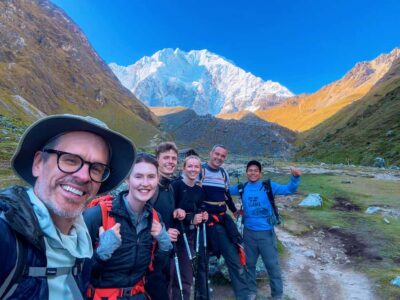
- Guides with real personality like Keshab (also noted as a strong photographer) and Prakash Gurung (patient and supportive, even for a deaf trekker)
Kathmandu to Lukla: how the trip starts with less stress
Your trip begins in Kathmandu with an airport pickup and a transfer to a hotel for two nights. There’s a simple recognition plan at the airport (an office representative linked to the operator), which matters when you’re tired after international travel.
The next step is the jump to Lukla by an early morning flight (about 30–35 minutes). Even if you’ve read about Lukla before, it still feels like the trek “starts” in your head the moment the plane lands—everything becomes mountain logistics after that. It’s also a huge time-saver compared with alternative approaches that take days just to reach the trailhead.
If you’re the kind of person who hates last-minute confusion, you’ll appreciate how quickly the trip moves from Kathmandu check-in to guide briefing to first steps on the trail.
You can also read our reviews of more tours and experiences in Kathmandu.
Lukla to Phakding: first bridges, forest walking, and getting your legs under you
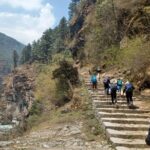
After landing in Lukla, the first walking day takes you toward Phakding, generally around 4 hours of trekking. You’ll descend through local settlements, pass mani walls, and cross suspension bridges right away. That early mix of villages, prayer wheels, and bridges is classic Khumbu, and it sets your rhythm fast.
Today also goes through dense forest (the kind that can feel cool and shaded even when you’re working hard). You’re not going to get the highest views on this first day, but you’ll feel the mountains close. It’s a great time to practice steady pacing: short breath, controlled steps, no sprinting uphill just because the scenery is pretty.
Overnight is in a local guesthouse. Expect simple comfort—hot water can be unpredictable—but the whole trek is built around staying warm and keeping energy for altitude days ahead.
Namche Bazaar days: first big peaks, then a true acclimatization reset
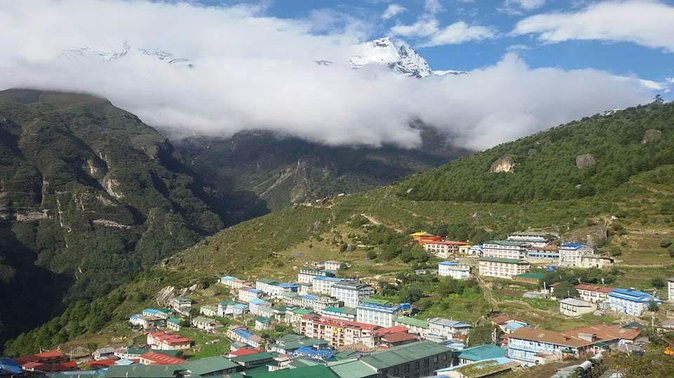
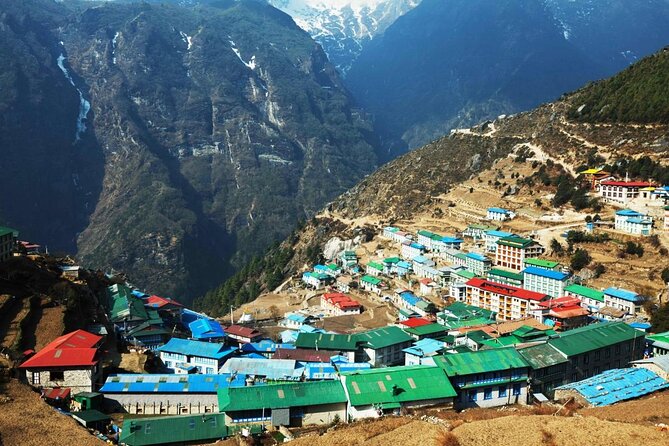
The walk to Namche Bazaar is about 6 hours and follows the riverbank route with junctions and crossings. You’ll cross a Hilary bridge and keep climbing toward the Sherpa hub of Namche.
One of the best parts of reaching Namche is that the scenery turns from “mountains nearby” to “mountains everywhere.” The route can put Everest (8848m), Lhotse, Nuptse, Ama Dablam, Thamserku, Kongde, and Mt. Khumbila (listed around 18,900 ft) into view when conditions allow. You might not get everything every day, but when the clouds lift, it’s a wow moment.
You also get a key practical advantage: Namche is where your trek stops being only hiking and starts being living logistics. There are plenty of lodges, tea shops, souvenir stalls, ATMs/money exchange options, internet cafés, and restaurants. On top of that, there’s a visitor center near the Sagarmatha National Park headquarters area—handy if you want context beyond just summit dreams.
Then comes the acclimatization day in Namche. This matters. Instead of locking you in a lodge all day, you’re encouraged to stay active with small vertical walks or to explore town. That’s the smart move: you let your body work a little while staying safe, rather than doing nothing and waking up stiff.
Tengboche and Pangboche to Dingboche: monasteries, valleys, and the slow lift
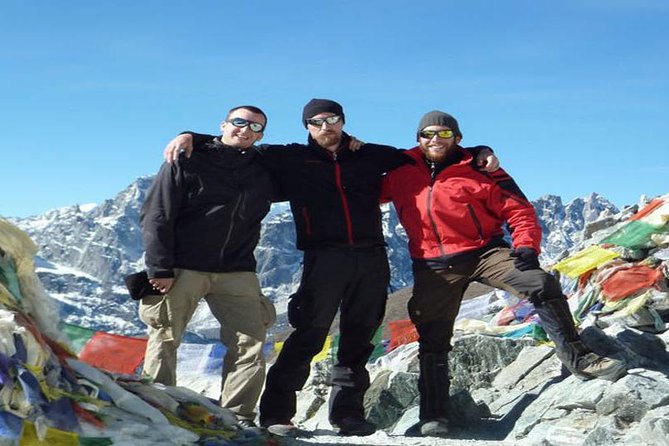
From Namche to Tengboche is about 5 hours. The trail is described as moderate with ups and downs, and the views keep expanding. You might catch snowy peaks like Everest, Nuptse, Lhotse, and Ama Dablam again, often from different angles than earlier.
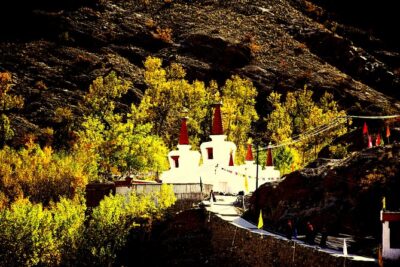
Along the way, you may pass monasteries and Sherpa villages, plus watch for wildlife like musk deer, Himalayan thar, and colorful pheasants. Even if you don’t see animals, the sense of the region being shared by trekkers and locals is strong here.
Tengboche is also where people often pause, look around, and feel the spiritual side of the Khumbu. The monasteries add atmosphere without turning the day into a museum visit.
Later, you move toward Pangboche and then Dingboche. The plan includes walking through the dense forests of the Imja Valley and reaching higher ground like Pangboche (around 3,985m) and then Dingboche (around 4,410m). Overnight in Dingboche means you’re sleeping higher, so hydration and pacing become even more important.
Dingboche rest day and the Chhukung option: choose your extra altitude
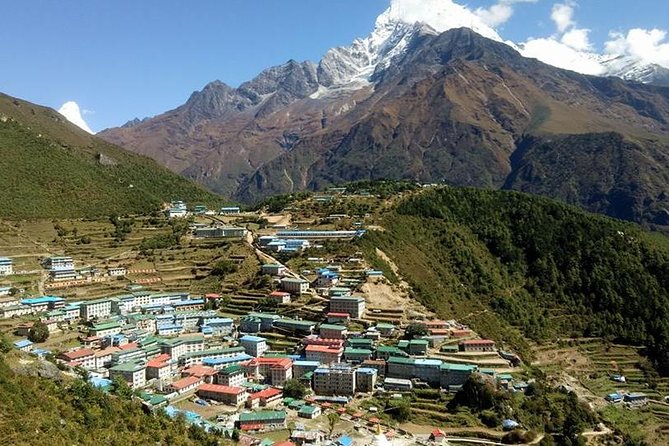
Dingboche is your second major acclimatization stop. This is one of the most important days in the whole trek because your body needs time to adjust. You’re given the option to book a hike to Chhukung, which starts around 8:30 after breakfast.
That hike isn’t described as extremely hard, but it is higher, and it can expose you to strong winds on the return. If you do the hike, you’ll typically get big mountain views—especially noted for Ama Dablam. If you skip it, you still benefit from the rest and the chance to slow down.
My practical advice: if you feel even slightly off on altitude days, treat that as information, not a challenge. There’s no prize for pushing through on Day 7 or 8. The trek’s design gives you enough chances to see the mountains without forcing your body into a bad decision.
Lobuche, Pheriche aid post, and Chukpo Lari memorials: the trek turns emotional
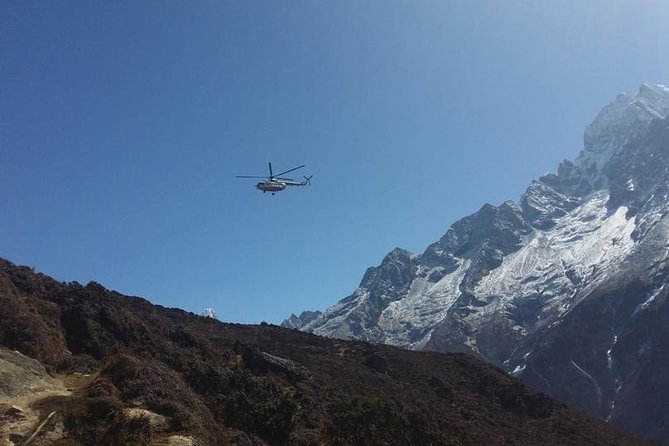
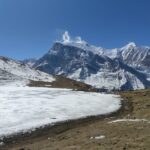
Getting to Lobuche takes about 5 hours and is framed as one of the most beautiful stretches on the route. You’ll walk amid dramatic snow-capped mountains, with tiny settlements dwarfed by peaks. Ama Dablam is a recurring star here, and northward views include Pokalde (around 5,741m), Kongma-Tse (around 5,820m), and the massive wall feel of Nuptse.
Along the way, you pass the Trekkers Aid Post at Pheriche (around 4,240m), described as volunteered by western doctors. It’s one of those stops that makes the trek feel more than a checklist. You’re reminded that altitude emergencies happen, and that the region has systems in place to respond.
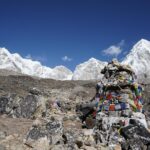
Then you reach Chukpo Lari after a short and steep climb. This area includes memorials for climbers who died during Everest expeditions. It’s a sobering contrast to the excitement of base camp dreams, and it adds weight to the day’s beauty.
Overnight in a guesthouse again keeps the focus on energy management. You don’t get luxury here, but you do get the chance to sleep in a community built for high-altitude trekkers.
Everest Base Camp and Kala Patthar: why this is the hardest, best day combo
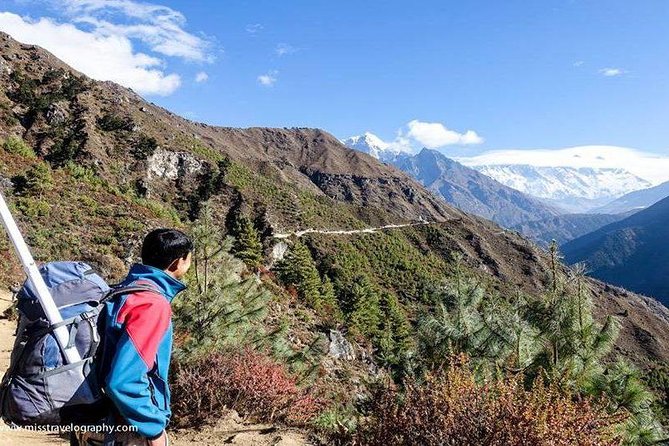
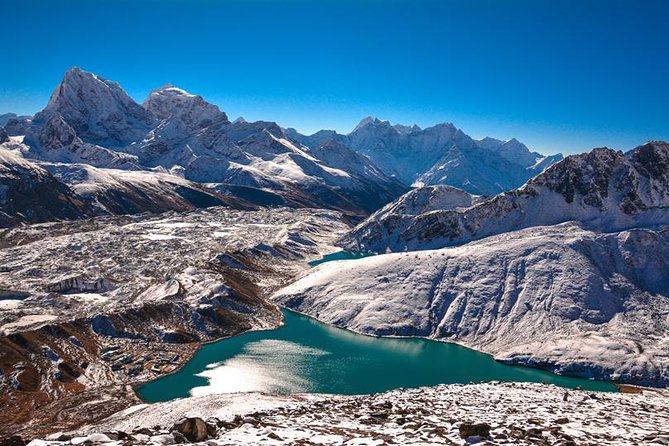
This is the heart of the trip. The day to reach Everest Base Camp is described as a long walk, about 8 hours. Your route goes over rocky paths and past glacial ponds and icebergs. You climb through meadows and stone steps, then reach Gorakhshep. From there, you can either climb to Kalapathar (listed around 5,555m) or continue directly to Everest Base Camp.
Base Camp itself is the final destination on many people’s wish lists. The experience is designed to let you spend meaningful time there before returning to Gorakhshep for the night. That extra time matters because it turns a destination into memory, not just a photo stop.
The next big day focuses again on Kala Patthar, with an early start and about 2 hours of ascent before breakfast back at Gorakhshep and then descending toward Pheriche. Kala Patthar sits around 5,550m and is described as being decorated with prayer flags, cairns, a small stupa, and a weather station.
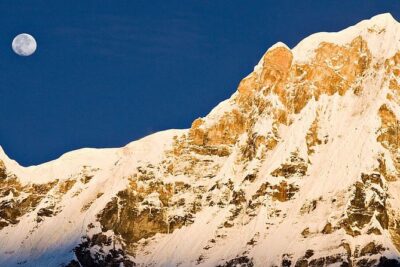
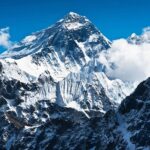
Here’s the value of that day: you’re surrounded by panoramic views, and the peaks listed include Pumori, Nuptse, Changtse, Ama Dablam, Taweche, Everest, and Kantega. Even if you’ve seen Everest on posters, the scale here is different. It’s huge, cold, and close.
Also, note the pacing: the plan alternates ascent efforts with rest and recovery. That’s exactly how you increase your odds of enjoying the trek rather than surviving it.
The long return: Namche and Lukla keep the trek honest
On the return, you’re heading back from Pheriche to Namche, then down toward Lukla. The time blocks are generally around 7 hours for each longer segment.
The route descends to lower altitude, and the big win is that breathing becomes easier and temperatures rise. You pass back through Tengboche, enjoy views along valleys like the Monjo valley area, and keep moving toward Lukla.
Then comes the final stretch into Lukla, about 7 hours. You’ll trek steeply downhill through Sherpa villages and cross the Tenzing and Hillary suspension bridge. Following the Dudh Koshi River again means repeated bridge crossings and a steady rhythm of movement.
You’ll also have downtime on arrival. There’s mention of exploring Lukla Bazaar and celebrating your safe trek with your crew. That’s not just sentimental; it’s a useful mental reset after long days of mountain focus.
Back to Kathmandu: a real landing and a farewell dinner
After the last trek day, you fly back from Tenzing Hillary airport on a scenic 35-minute flight to Ramechhap/Kathmandu. Flying over clouds and seeing the Khumbu region from above can feel strange after so many hours of walking, but it often lands you in a calmer mindset.
In Kathmandu, your guide transfers you to the hotel for rest. The day includes a farewell dinner together—exactly the kind of ending that helps you absorb what you just did instead of rushing into the next task.
On the last day, the operator drops you to the airport on time.
Price, inclusions, and where you might spend extra
The price is $1,600 per person for an approx 14-day trek. For Everest Base Camp, that’s a realistic package rate when you compare what a trip like this costs when you add flights, permits, a guide, and fixed lodge stays.
Here’s what’s clearly included:
- Airport pickup and drop-offs in Kathmandu by private vehicles
- Twin sharing local lodges during the trek
- Two nights hotel in Kathmandu with buffet breakfast
- Round-trip domestic flights (including the Lukla segments)
- Essential trekking permits and entrance fees, plus government and local taxes
- A certified professional trekking guide throughout
- Meals: breakfast, lunch, and dinner daily, plus seasonal fruits every evening as dessert
- First aid medical kit with an oxi-meter to measure pulse
- Company duffel bag and sleeping bags if needed
- Trip achievement certificate at the end
Here’s what’s not included:
- Nepal entry visa and international flights
- Porter service, which is available at an extra cost
If you’re packing light and fit, you might be okay without a porter. But if you know your energy dips on long climbs, a porter can be the difference between arriving focused versus arriving wiped.
Also, if you think about drones: special permits are required if you want to use drones inside Sagarmatha National Park. That’s worth planning ahead.
Guide support, safety tools, and the human side of staying motivated
A trek this long isn’t only about legs. It’s about decisions and logistics that need to stay steady day after day. Past communication patterns around this operator highlight quick email response and flexibility when plans shift.
On the guide side, names that show up again and again include Ganesh (as a key operator contact), and trekking guides such as Keshab, Krishna, and Prakash Gurung. One theme is attentiveness and a supportive attitude—keeping people safe, guided, and motivated instead of just handing over a map and saying good luck.
The trip also gives you a practical safety tool: an oxi-meter is included in the first aid medical kit, used to measure pulse. That won’t prevent altitude sickness, but it can help you track stress signals and adjust behavior.
And yes, you might even get guide extras. Keshab is noted as a great photographer, and that matters on a route where light changes fast and the best angles don’t wait.
Smart booking advice: who this trek fits best
This trip is best for you if you:
- Have moderate physical fitness and can walk long hours at altitude
- Want a fully guided experience with meals and lodge logistics handled
- Prefer not to manage permits, domestic flights, and day-to-day logistics yourself
It may be a poor match if you:
- Expect luxury hotel comfort in the mountains (local guesthouses are part of the deal)
- Don’t want to deal with the seriousness of high-altitude trekking and the cold that comes with it
- Need lots of solo flexibility every day (it’s a private group with a set plan)
Should you book Glorious Himalaya for Everest Base Camp?
I’d lean yes if you want a structured, guided EBC trek that treats acclimatization as non-negotiable. The inclusion list is strong—especially the domestic flights, permits, meals, local lodges, and the oxi-meter in the first-aid kit. If you also value smooth communication from the operator (Ganesh being repeatedly praised for responsiveness and flexibility), this is a good fit.
I’d think twice if you’re not comfortable with altitude planning and long walking days. This trek is built around climbing to very high elevations and spending time moving through that world. If that feels daunting, train first, then try again with a plan like this.
FAQ
How long is the Everest Base Camp trek?
The trip runs about 14 days.
Where does the trek start and end?
It starts in Kathmandu, and it ends back in Kathmandu after the return flight from the Lukla area.
Are flights included?
Yes. Round-trip domestic flights are included, including the flight between Kathmandu and Lukla, and the return flight back to Kathmandu via Ramechhap.
Is a guide included?
Yes. The trek is fully guided with a trained local guide throughout.
What permits or fees are included?
Essential trekking permits and entrance fees are included, along with government and local taxes.
Is a porter included in the price?
A porter is not included. Porter service is available at an extra cost.
Do meals and lodging cost extra?
No. Lodging in local guesthouses during the trek is included (twin sharing), and meals are included daily (breakfast, lunch, and dinner), with seasonal fruit each evening.
Can I use a drone on the trek?
Drones require special permits if you want to use them inside Sagarmatha National Park.
FAQ
What’s the cancellation window for a full refund?
You can cancel up to 24 hours in advance for a full refund. Within 24 hours of the start time, the amount paid is not refunded.