REVIEW · KATHMANDU
Everest Base Camp Trek
Book on Viator →Operated by Shankar Pandey · Bookable on Viator
Everest Base Camp doesn’t start with a mountain. It starts with planning, altitude, and a very real flight to Lukla.
I like this trek because it’s built around the classic Khumbu rhythm: fly into the Everest region, walk up through the Dudh Kosi valley, then take the time to adjust in Namche Bazaar before pushing higher. The big payoff is being in the middle of Sherpa culture for days, not just passing through for a photo.
One thing to consider: you’re still responsible for the hard parts of trekking prep. Even with down gear provided, you’ll need to show up with the right layers, and you’ll also pay extra for items like hot showers, recharge, and tea/coffee during the trek.
In This Review
- Key things I’d mark on your trip checklist
- Entering Everest: Lukla flight and the Khumbu setup you feel on day one
- Kathmandu launch: pickup, mobile tickets, and a team built for logistics
- Phakding and the climb to Namche: how acclimatization gets built in
- Namche to Syangboche Airport: preparing for the thin-air push
- Kalapatthar and Everest Base Camp: two different “wow” moments
- Kalapatthar: the big viewpoint day
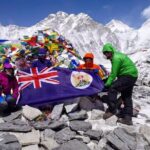
- Everest Base Camp: the emotional finish
- What you’re paying for: the $1,350 value check (and what costs extra)
- Guide support and Sherpa culture: why names like Krishna and Shajan matter
- Packing for Himalaya cold: what to bring and what they already cover
- Weather, flight changes, and pacing: how to keep your trip steady
- Should you book this Everest Base Camp trek?
- FAQ
- How long is the Everest Base Camp trek?
- Where does the trek start?
- Is the Lukla flight included?
- What meals are included?
- What is not included in the package?
- Does the trek include Namche Bazaar acclimatization?
- What about Kalapatthar and Everest Base Camp?
- What trekking gear do I need to bring?
- Is cancellation free?
Key things I’d mark on your trip checklist
- Lukla scenic flight: you save days of slow approach and jump straight into the adventure.
- Namche acclimatization: time built in so the altitude doesn’t hit as hard.
- Syangboche area stop: an extra high-altitude staging point that helps your summit day make more sense.
- Kalapatthar + Everest Base Camp: two major “I can’t believe this is real” moments.
- Strong team signals from the guide lineup: names like Shankar Pandey, Krishna, Shajan, and Gelu Sherpa show up in the way people describe support.
- Porter-rights and weight limits: a clear max carry of 15kg/33 pounds for the porter load.
Entering Everest: Lukla flight and the Khumbu setup you feel on day one
Most Everest Base Camp trips live or die by the first 24 hours. Here, you start with a scenic flight from Kathmandu to Lukla, then begin walking north. That flight matters because it puts you in the Khumbu quickly. Instead of burning days getting “close,” you get to start trekking while your excitement is still fresh.
The early route is also practical: you’ll do around a three-hour walk to reach Phakding, then keep climbing north toward the Dudh Kosi valley and onward to Namche Bazaar. This is the kind of pacing you’ll be thankful for later, because you’re earning elevation a little at a time, not all at once.
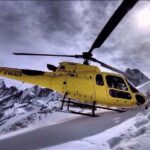
And yes, the Lukla part is part of the story. It’s also the part most likely to be affected by weather, which brings me to a key mindset for your trip.
You should assume that flight timing can change. In past disruptions described by guests, the team handled rerouting and logistics when flights were cancelled. The takeaway for you: don’t schedule anything tight right before or right after your Everest dates. Build breathing room.
You can also read our reviews of more tours and experiences in Kathmandu.
Kathmandu launch: pickup, mobile tickets, and a team built for logistics
Kathmandu can be chaotic. The win here is that you’re not dropped in with a pile of unanswered questions. The experience includes pickup offered, and you’ll also receive a mobile ticket, which makes it easier to keep track of what’s happening when.
The provider is Shankar Pandey, and the trek’s success often comes down to communication: setting expectations, coordinating the start, and keeping the group moving when conditions shift. In the feedback tied to this operator, the same names show up for a reason—support that feels attentive and organized.
One practical detail you’ll appreciate: the tour is private (so it’s only your group), which can make the pace and decisions feel less “herded.” You’ll still share tea-house rooms and trail space with other trekkers sometimes, but the guiding decisions should feel more tailored.
Also note the included meals. Breakfast, lunch, and dinner are part of the trek package, and that’s a real value at altitude when it’s harder to improvise food plans. The big exception is tea and coffee during the trek, which are listed as not included, so keep that in mind for your daily budget.
Phakding and the climb to Namche: how acclimatization gets built in
Day one of trekking is where your legs decide if they like you. After Lukla, the Phakding walk is usually the gentle-start part of the trip. It’s long enough to feel like you trekked, but not so brutal that you’re wiped out before the key altitude steps.
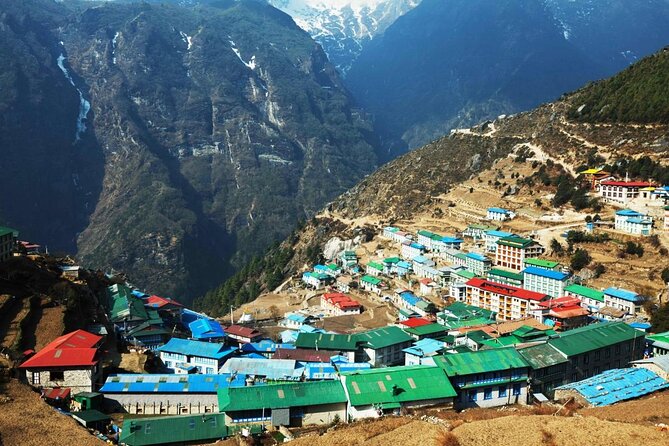
Then comes the real plan: Dudh Kosi valley walking and arrival at Namche Bazaar, with a built-in acclimatization day. This is not a random rest day. In Everest trekking, acclimatization is the difference between feeling “tired but okay” and feeling truly uncomfortable at higher elevations.
Namche itself is useful in two ways:
- It’s a hub where you can understand what “altitude life” will feel like for the next week.
- It gives you time to adjust before heading higher toward places like Syangboche and beyond.
From a practical standpoint, I love acclimatization days that aren’t just “sit and suffer.” A well-run day in Namche gives you a chance to adjust your breathing, hydrate properly, and get your clothing and gear routine working. You’ll also likely use the day to sort your headlamp batteries, water bottles, and any small issues before cold mornings show up for real.
Namche to Syangboche Airport: preparing for the thin-air push
Once you leave Namche, the trek starts to feel more altitude-driven than terrain-driven. The itinerary lists syangbiche Airport as a place to see, and that makes sense: this area helps you stage for the higher, colder parts of the route.
Here’s what I’d watch for as you go:
- Your effort level may feel higher even if the trail is similar.
- Water intake becomes more important.
- You’ll want steady movement and fewer “big surges.”
One thing I respect about the way guests describe the guiding team is support above 5000 meters. That’s where experienced help really matters—not just for motivation, but for pacing and decision-making. If you start feeling off, the guide team is the difference between pushing too hard and backing off just enough to recover.
This is also where you can start using the acclimatization tools you bring:
- Trekking poles (highly recommended in the equipment list)
- A pack routine that prevents gear chaos
- Warm layers that you can add quickly without over-breathing in the cold
And if you’re considering medication for altitude (the gear list mentions Diamox as optional), talk with a qualified medical professional before your trip. Don’t treat altitude meds like a casual supplement.
Kalapatthar and Everest Base Camp: two different “wow” moments
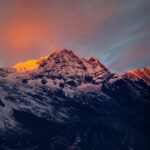
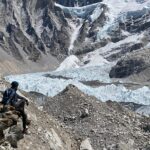
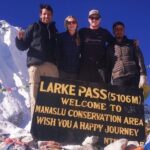
This trek is famous for mountain views, but it’s the shape of the mountain experience that’s so memorable. You’re not just seeing Everest from one angle. You’re building up to it.
Kalapatthar: the big viewpoint day
Kalapatthar is the kind of stop people remember years later, mostly because it gives you a higher vantage and a clearer sense of the Everest region’s scale. It’s also the kind of day that rewards preparation—warm layers, a steady pace, and a headlamp.
If you’ve got good views, you’ll want your camera ready and your hands warm enough to actually use it. The provided packing guidance is spot-on here: bring sunglasses and high-SPF sunscreen, and don’t underestimate cold fingers. Even on clear days, altitude cold can turn “quick photo” into “wait, why is my hand stiff?”
Everest Base Camp: the emotional finish
Then you reach Everest Base Camp. Whether you’re there for sunrise, mid-day, or later, the moment tends to feel big because you’re finally in the place the name suggests—close to the routes climbers talk about.
This is also where Sherpa culture shows up in a very real way: hospitality, routine, and the sense that the people around you know this place deeply. Guests often talk about hospitality and friendliness of locals, and you’ll feel it most in how teahouses and trail life work.
Speaking of teahouses: warm rooms and filling food make the whole experience more comfortable at altitude. You’ll likely sleep in basic lodge-style accommodations along the way, and the “warm and comfortable” vibe described in the feedback is exactly what you want after a long day in cold air.
What you’re paying for: the $1,350 value check (and what costs extra)
At $1,350 per person for about 14 days, the value depends on what’s actually included. Here’s the clean way to think about it.
Included:
- Breakfast, lunch, and dinner during the trek
- The trekking plan that takes you to Namche, Syangboche Airport area, Kalapatthar, and Everest Base Camp
- Scenic flight to and from Lukla
- Down jackets and down sleeping bags (Adventure Magic provides these on the trip)
- A team-based trek setup with guiding and porter support
- An “Admission Ticket Free” note (so you’re not dealing with paid entry fees for the experience)
Not included (and this is where your budget can surprise you):
- Personal trekking equipment (you’ll bring your own footwear, base layers, gloves, etc.)
- Tea and coffee during the trek
- Tips for driver, guides, and porters
- Travel and rescue insurance
- Lunch and dinner in Kathmandu
- Personal expenses like hot showers and charging
So is it worth it? I think it can be, especially because a Lukla flight is costly and hard to organize on your own. Also, meals at altitude reduce the stress of finding food each day when everything is cold and time is tight.
Where the “value” can swing against you is if you need a lot of extra spending anyway—poor weather causing extra days in transit, or you show up under-prepared and end up buying gear on the fly. Plan well and this package looks fair.
Guide support and Sherpa culture: why names like Krishna and Shajan matter
Everest trekking is one part fitness and one part people skills. The best teams know when to push, when to slow, and when to switch tactics.
In the feedback attached to this operator, I saw consistent praise for experienced guides and their assistants. Names that show up include:
- Shankar Pandey (as the provider you’re dealing with)
- Lead guides such as Krishna and Ngathe Sherpa
- Assistant guidance like Shajan
- Other guide names like Gelu Sherpa and Sagan Thapa
- Porter support, including Bim in one account
The big practical theme behind those names: the guides help when you hit the hard parts, especially above 5000 meters. That might mean adjusting the pace, helping you think through discomfort, or giving you calm, clear direction so your brain stops panicking and starts functioning again.
And Sherpa culture isn’t just a slogan here. It shows up in the way daily life runs in the Khumbu: conversation in tea houses, how locals help with your routine, and the familiarity of the region’s rhythms.
If you like travel where people matter as much as scenery, you’ll probably enjoy this trek.
Packing for Himalaya cold: what to bring and what they already cover
Cold is the silent problem on Everest routes. You can be fit and still suffer if your layers and sleeping setup are wrong.
Good news: the trek operator provides down jackets and down sleeping bags. That’s a major comfort and weight-savings benefit. But you still need your personal system:
- Good walking boots
- Wool and liner socks
- A waterproof jacket and trousers
- Base layers (thermals; merino or synthetic)
- Fleece layers and a mid-to-heavy fleece
- Gloves plus warmer mittens if you run cold
- A hat, sun hat, scarf, and a head torch with extra batteries
- Sunglasses and sunscreen
- Water purification tablets
- Trekking poles
Also bring a day pack for warm clothes, camera, water, and snacks. The rest goes in a duffel bag or large backpack carried by a porter. The equipment guidance is careful about this: the porter maximum carry is 15kg/33 pounds, and porter rights are explicitly supported.
One more packing tip I love from the guidance: use stuff sacks to keep gear dry. On Everest routes, moisture management saves you from frost-bitten misery later.
Weather, flight changes, and pacing: how to keep your trip steady
This experience requires good weather, especially for the Lukla flights. If weather shuts flights down, you may need a different plan—some guests describe rerouting by driving to Ramechhap and handling detours when roads and bridges get impacted.
You can’t control weather. You can control how you react:
- Stay flexible with dates.
- Don’t make rigid plans that depend on Lukla arriving on time.
- Be honest with your body and use the acclimatization days.
Pacing matters too. Many accounts describe walking at your own pace and having enough time to acclimatize. That’s not “extra comfort.” It’s altitude strategy.
If you rush, altitude punishes you. If you move steadily, altitude becomes a challenge instead of a crisis.
Should you book this Everest Base Camp trek?
Book it if you want:
- A classic Everest Base Camp route with Namche acclimatization
- A strong team setup and guide support, including names like Shankar Pandey and guides such as Krishna or Shajan
- The practical value of meals included, plus down jacket and sleeping bag provided
- A trek structure that prioritizes safety and pace over rushing
Skip or switch plans if:
- You don’t want to manage altitude responsibly (you still need to train and pack correctly)
- You’re not ready for additional out-of-pocket costs like tea/coffee, insurance, tips, and personal gear
- Your travel dates are inflexible and you can’t handle the possibility of flight changes due to weather
If you’re the type who likes real mountains, real local routines, and a team that actually thinks logistics through, this trek looks like a solid choice for your Everest tick-off.
FAQ
How long is the Everest Base Camp trek?
The trek is listed as 14 days approximately.
Where does the trek start?
It’s based in Kathmandu, Nepal, and you fly to Lukla as part of the trek route.
Is the Lukla flight included?
Yes. The trek includes a scenic flight to and from Lukla.
What meals are included?
Breakfast, lunch, and dinner are included during the trek.
What is not included in the package?
Not included are lunch and dinner in Kathmandu, personal trekking equipment, travel and rescue insurance, tea/coffee during the trek, tips for driver/guides/porters, and personal expenses like charging and hot showers.
Does the trek include Namche Bazaar acclimatization?
Yes. The schedule includes spending one day in Namche Bazaar for acclimatization.
What about Kalapatthar and Everest Base Camp?
The experience includes stops for both Kalapatthar and Everest Base Camp.
What trekking gear do I need to bring?
You’ll need your own footwear, socks, waterproof layers, warm layers (like fleece and thermals), gloves, hat, head torch, sunglasses, and water purification tablets, among other personal items. The operator provides down jackets and down sleeping bags.
Is cancellation free?
The policy allows free cancellation up to 24 hours in advance of the experience start time for a full refund, and weather issues may lead to a different date or a full refund.