REVIEW · KATHMANDU
12 Days Everest Base Camp Trek
Book on Viator →Operated by Himalayan Social Journey · Bookable on Viator
Everest Base Camp, with the guesswork removed. This 12-day group trek focuses on getting you from Kathmandu to Lukla and down the Khumbu to Everest Base Camp—while a licensed guide handles the route, timing, and permits. You’ll still earn the views step by step, but you won’t have to figure out the logistics alone.
I like two things a lot. First, the support system: a professional English-speaking guide plus a porter (listed as 1 porter for 2 travelers) means your day-to-day burden stays reasonable. Second, the Kathmandu start includes a one-night stay at Gokarna Forest Resort, plus round-trip transfers before and after the trek.
One thing to consider: this is high-altitude travel, and the trek includes basic tea-house stays. Also, meals beyond what’s listed can be a bit confusing (the package mentions breakfast with lodging, but the non-included list also flags meals), so you should confirm what you’ll pay for each day—especially lunch and dinner.
In This Review
- Key Things I’d Pay Attention To
- Guides and Permits: What You’re Actually Paying For
- Kathmandu Prep: Gokarna Forest Resort and Transfers That Reduce Stress
- Flights to Lukla: Kathmandu vs Ramechhap and the Weather Reality
- Day-by-Day: Phakding to Namche, Then Up to Tengboche
- From Thukla Pass to Gorakshep: The Work Before Base Camp
- Downhill to Lukla: Namche Again, Then the Final Flight
- Tea Houses, Meals, and Comfort at Altitude
- Who Should Book This Everest Base Camp Trek (and Who Might Want to Rethink It)
- Should You Book This Package?
- FAQ
- How long is the Everest Base Camp trek?
- Where does the trek start and end?
- What’s included for trekking support?
- Are park fees and permits covered?
- What should I plan for in terms of meals?
- What documents do I need to bring?
Key Things I’d Pay Attention To
- Lukla flights are included, with routing listed between Kathmandu and Ramechhap
- Acclimatization is built in with dedicated days in Namche Bazaar and Dingboche
- Monastery culture at Tengboche and classic Sherpa villages on the way up
- Kala Patthar sunrise and a focused base camp day from Gorakshep
- Licensed English-speaking guiding with porter support (1 porter for 2)
- Tea-house style lodging at altitude, with higher discomfort than lower-elevation travel
Guides and Permits: What You’re Actually Paying For
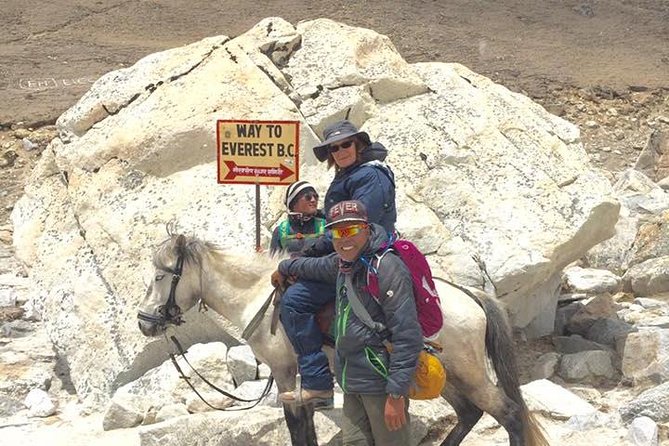
At $1,099 per person, the headline value here isn’t just the trek. It’s the stuff that normally eats your time and energy: flights, national park fees, and an organized plan with a licensed guide and porter support.
The package includes Sagarmatha National Park fees, Lukla entrance fees, and local taxes. That matters because it turns the “I hope we’re legal” part into “we’re covered,” so you can focus on pacing and altitude. It also includes a first aid kit and the trekking crew’s airfare, which is another quiet cost you’d otherwise have to manage.
The guiding team is a big reason people feel taken care of on this route. Names that show up in the provided feedback include Santosh, Sonam, Indra, Dawa Sherpa, Mingmar, Khilraj, Kilraj, and Nema. You don’t need to memorize them, but it’s useful to know the experience is run by people who take day-to-day needs seriously—like keeping you informed and organized for cold mornings and long walking days.
The group size cap (maximum 30) is also worth noting. You won’t be alone, but you also shouldn’t feel like you’re in a moving crowd with no attention from your guide.
You can also read our reviews of more tours and experiences in Kathmandu.
Kathmandu Prep: Gokarna Forest Resort and Transfers That Reduce Stress
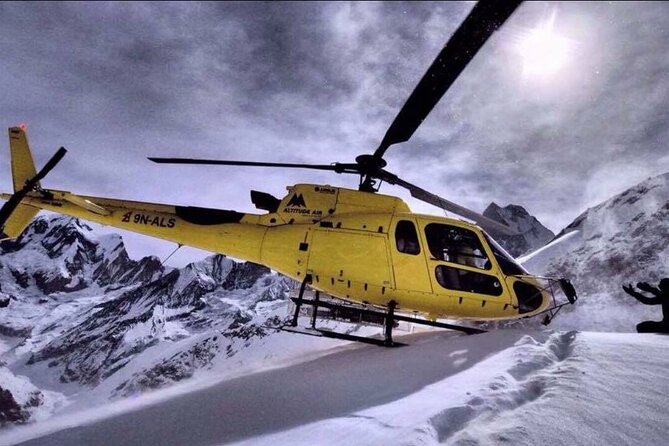
Your Kathmandu time is included in two ways: transfers and an actual overnight stay. The highlights say you get one night at Gokarna Forest Resort, plus round-trip transfers and transport before and after the trek.
That might sound minor until you’ve done enough “adventure travel” to know how often the mess starts on the ground. Here, the plan is simpler: you’re picked up, you’re moved around, and you’re not left hunting for the right place the night before Lukla.
One small caution from the provided experience notes: there can be occasional hotel friction in Kathmandu, such as last-minute switching. If you’re the type who hates uncertainty, build in mental flexibility for that first evening, even though the overall transfer structure is included.
Flights to Lukla: Kathmandu vs Ramechhap and the Weather Reality
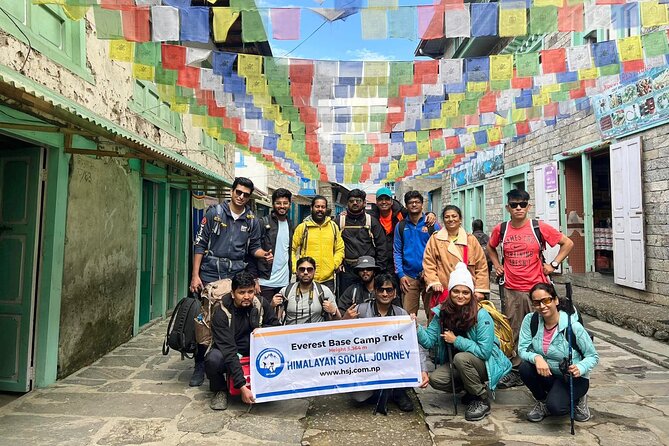
This trek starts with domestic flights to Lukla, with the tour listing Kathmandu/Ramechhap to Lukla and the return the other way. That routing detail is practical. If your plan is tightly scheduled, having both Kathmandu and Ramechhap in the description is a hint the operator may adjust depending on how flights are running.
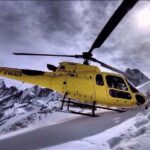
Flights to Lukla are included, and the Lukla side is your official gateway into the Everest region. This also means you should treat weather as part of the itinerary, not a surprise. The tour data notes the experience requires good weather, and if it can’t run due to poor conditions, you’ll be offered a different date or a full refund. So yes—plan around a realistic chance that your mountain calendar depends on the sky.
Two items you’ll want squared away early: bring your original passport and travel insurance. Those requirements are explicitly mentioned in the tour notes, and you don’t want to discover they’re missing after you’re already in Kathmandu.
Day-by-Day: Phakding to Namche, Then Up to Tengboche
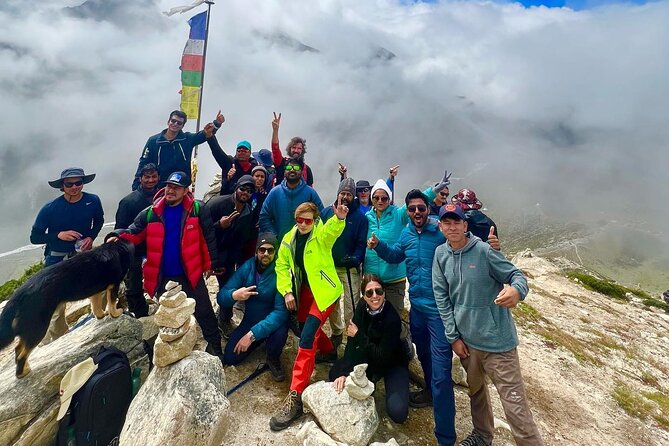
This trek has a classic rhythm: descend into the first valley, climb into the market hub, and then spend enough time at altitude to make the later days easier on your body.
Day 1: Lukla to Phakding (first tea-house night)
You fly into Lukla and then walk to Phakding, descending through pine forests and passing Sherpa villages. It’s a gentle way to start, and it helps you get into the rhythm of moving on a trail without starting too high too quickly. You’ll reach Phakding for a tea-house night and have time to look around in the remaining daylight.
Day 2: Namche Bazaar ascent via Monjo and the big suspension bridge
After breakfast, you cross suspension bridges and pass the Monjo checkpoint to verify entry into Sagarmatha National Park. Then you trek alongside the Dudh Koshi River and climb toward Namche Bazaar. The day includes a steep ascent after crossing the Tenzing Hillary Suspension Bridge—this is one of those stretches that makes you understand why “pace” matters more than “speed.”
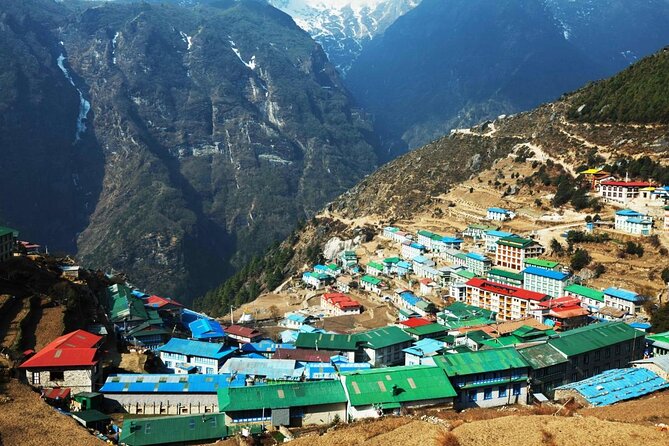
Namche Bazaar is described as the commercial hub of the Khumbu region—ATMs, shops, and government offices—so it’s not just a walking town. It’s where you reset mentally for altitude, and where you’ll likely see people preparing for different trekking routes.
Day 3: Acclimatization in Namche + Syangboche viewpoint
Instead of pushing higher immediately, you acclimatize in Namche Bazaar and then hike to the Syangboche Panorama View Point (Hotel Everest View / Syangboche area). This is a short hike that pays off with wide mountain views. More importantly, it’s an altitude strategy day: move a bit, rest a bit, let your body adapt.
This is also where a good guide earns their fee. When your body is adjusting, the right pace and timing can make the difference between feeling okay and feeling awful.
Day 4: Tengboche monastery morning vibes to Deboche
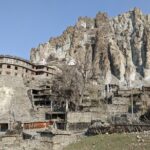
You ascend toward Tengboche village, where the famous Tengboche monastery sits. It’s described as the biggest monastery of the Everest region. Even if you’re not a religious traveler, it’s a powerful cultural stop because it’s part of how locals have built community around the mountains.
Then you move toward Deboche by crossing the Imja River and spend the night at a tea house. Deboche is a quieter step down from the Tengboche area—use it to rest your legs.
Day 5: Dingboche via birch, conifers, and rhododendron
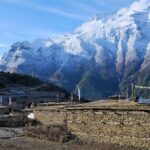
You descend and walk through forests of birch, conifer, and rhododendron. The route also offers views of Everest, Lhotse, and Ama Dablam, which is a nice psychological boost when the altitude is already demanding.
You continue through the Imja Valley and along the Lobuche River before ascending to Dingboche (about 5–6 hours on the schedule).
Day 6: Dingboche acclimatization + Nangkartshang Peak views
This is your second acclimatization day. You rest and explore Dingboche, then hike to Nangkartshang Peak for additional acclimatization and a view list that includes Makalu, Lhotse, Cholatse, Tawache, and Ama Dablam.
It’s a smart approach: you gain perspective on the mountains while giving your body time to adapt. If you’ve ever had altitude problems on faster treks, this day’s purpose should feel obvious.
From Thukla Pass to Gorakshep: The Work Before Base Camp
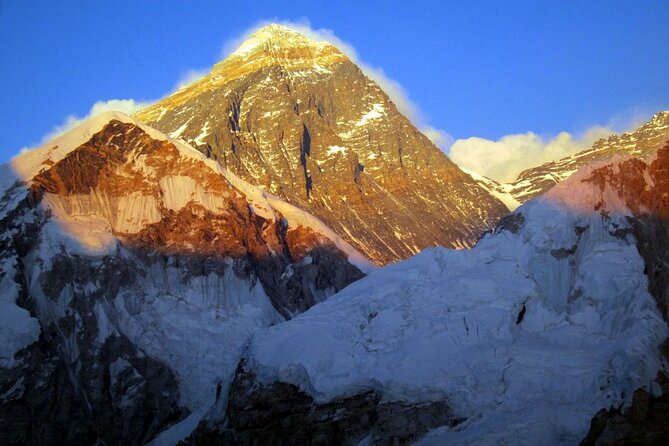
Days 7 and 8 are where the trek tightens. You’re still climbing, but the terrain gets rougher and the air keeps thinning.
Day 7: Dingboche to Lobuche with Thukla Pass panoramas
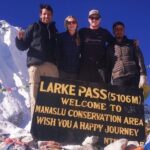
You trek toward Lobuche, with a route that becomes rougher as you gain altitude. The schedule includes ascending toward Thukla Pass for panoramic views of Pumori and Nuptse, then lunch at Thukla Pass before continuing to Lobuche.
This day is important because it sets up the classic “final push” feeling toward Gorakshep.
Day 8: Lobuche to Gorakshep, then Everest Base Camp day
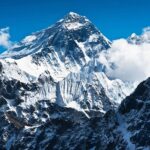
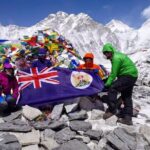
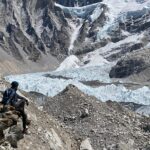
You start after breakfast, climb rocky terrain to Gorakshep (the last settlement before Everest Base Camp), and check into a tea house for lunch. Then you set out to Everest Base Camp through the Khumbu Glacier.
The itinerary calls it an Everest Base Camp luxury trek experience, which likely means the day’s logistics are handled to keep the experience smooth. But keep your expectations grounded: you’re still walking at high altitude on a glacier route, so keep an eye on energy and breathing.
After time at Base Camp and photos, you trek back to Gorakshep. It’s a long day, and it rewards steady effort more than big bursts of speed.
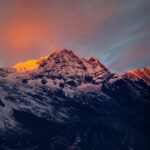
Day 9: Kala Patthar sunrise + descent to Pheriche
You begin early for sunrise at Kala Patthar, a must-do on many Everest itineraries for the light and views. Then you descend back to Gorakshep, have breakfast, and continue down to Pheriche.
This day is a “payoff and recovery” combo: stunning early views, followed by the relief of moving to a lower altitude.
Downhill to Lukla: Namche Again, Then the Final Flight
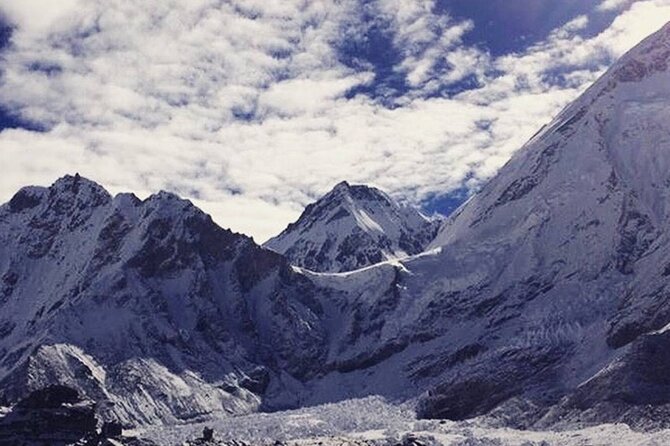
The descent days feel like relief, but they still require attention. Your legs are doing a lot of braking work, and your body is still adapting to altitude changes.
Day 10: Pheriche down to Namche Bazaar
You continue the descent, moving from higher terrain back toward Namche. The schedule highlights familiar landscapes, which helps your mental load.
Day 11: Namche down to Lukla via Phakding
You start after breakfast and descend through villages and forests, with tea breaks along the way. You’ll have lunch in Phakding and then continue crossing suspension bridges until you arrive in Lukla to check into a tea house.
Day 12: Lukla to Kathmandu and transfer to your hotel
In the morning, you fly back to Kathmandu from Lukla and transfer to your trip hotel.
This final day is shorter on walking, but it’s still an emotional finish. You go from mountain routine back to city life fast, so it helps if you’ve kept spare energy for the last evening.
Tea Houses, Meals, and Comfort at Altitude
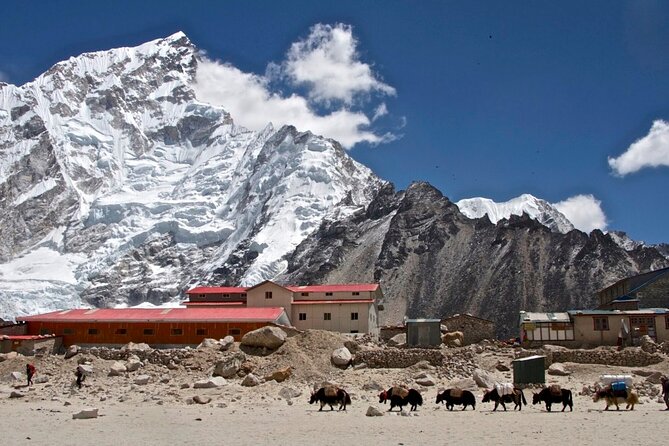
Tea houses are the backbone of this route. The itinerary provides guesthouse accommodation during trekking days with breakfast on a twin-sharing basis, and many items like duffle bags (if needed) and a first aid kit are included. But the non-included section also explicitly lists meals (breakfast/lunch/dinner) as not included, plus drinks.
Because the data includes both statements, don’t assume. When you book, ask the operator to confirm exactly what meals are included versus what you pay at the tea house each day. For planning, this is the kind of detail that keeps your budget from going sideways.
Comfort-wise, expect altitude to set the tone. One provided feedback note mentions accommodations feeling a little uncomfortable around 5,000m, which is exactly what I’d expect on this kind of trek. You’re not looking for a spa. You’re looking for warmth, sleep, and a safe spot to reset for the next walking day.
Alcohol is available to purchase, and that can be an easy indulgence after long days—just remember alcohol and altitude don’t always mix well. If you’re prone to altitude sickness, take your drinking seriously.
Who Should Book This Everest Base Camp Trek (and Who Might Want to Rethink It)
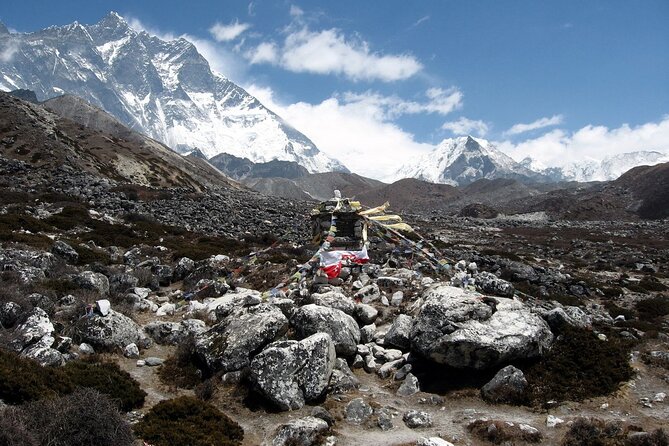
This is best suited to active travelers with some mountain trekking experience. That doesn’t mean you must be a hardcore mountaineer. It does mean you should be comfortable walking hours each day, managing cold mornings, and keeping a steady pace.
You’ll likely love this trek if:
- you want a structured plan with acclimatization days in Namche and Dingboche
- you prefer a licensed English-speaking guide and porter support rather than self-navigation
- you want the big highlights handled—Kala Patthar sunrise and Everest Base Camp access—without spending your time on permits and route logistics
You might want to rethink it if:
- you’re extremely sensitive to basic accommodations at altitude
- you need a very clear, fully fixed meal plan (because the included vs not-included meal info needs confirming)
- you can’t tolerate possible weather-related flight disruption around Lukla
Should You Book This Package?
If you want Everest Base Camp with fewer moving parts, this is a strong option. The value isn’t only the $1,099 price tag; it’s how much is handled for you: flights to Lukla, park fees, guiding, porter support, guesthouse lodging, and the Kathmandu setup with a Gokarna Forest Resort night.
Before you book, do three practical checks:
- Confirm the exact meal inclusions for each trekking day (the data lists breakfast with lodging, but also lists meals as not included).
- Make sure your passport and travel insurance are ready, since they’re required.
- If you’re counting on a specific schedule, remember Lukla depends on weather.
If those boxes are fine, book with confidence. This is a well-supported way to earn the views and still feel like you had a real plan behind you.
FAQ
How long is the Everest Base Camp trek?
The itinerary runs for about 12 days, including the flight days to and from Lukla and the final transfer back to Kathmandu.
Where does the trek start and end?
It starts in Kathmandu with domestic flights to Lukla, and it ends with a flight back to Kathmandu followed by a transfer to your trip hotel.
What’s included for trekking support?
You get a professional and licensed English-speaking guide plus porter support, listed as 1 porter for 2 travelers. The tour also includes a first aid kit and necessary trek equipment such as duffle bags if needed.
Are park fees and permits covered?
Yes. Sagarmatha National Park fees, Lukla entrance fees, and local tax are included.
What should I plan for in terms of meals?
The package includes guesthouse accommodation with breakfast during trekking days, but the non-included list also mentions breakfast, lunch, and dinner as not included. Confirm what meals you’re expected to pay for each day.
What documents do I need to bring?
You should bring your original passport and travel insurance, and confirmation is received at booking.
![Private Seoul Wall Trekking [Inwangsan, Bugaksan, Naksan Park, N-Seoul Tower] - Hotel pickup, then out toward the fortress walls](https://c.trekkingtraveler.com/wp-content/uploads/private-seoul-wall-trekking-inwangsan-bugaksan-naksan-park-n-seoul-tower-400x267.jpg)