REVIEW · POKHARA
7-Day Trek to Annapurna Base Camp from Pokhara
Book on Viator →Operated by CAN Travels · Bookable on Viator
Mountains have a way of shrinking your to-do list. This 7-day trek from Pokhara brings you through Nepal’s village lanes and steep stair-steps, then delivers the classic Annapurna Base Camp finish with help from an English-speaking guide. You’ll also get cultural stops along the way, including time with local Gurung and Magar communities and chances to taste everyday mountain food.
I like two things most. First, you get real support built in: pickup/drop in Lakeside plus an English-speaking trekking guide who keeps the pace sensible and looks after safety. Second, the practical stuff is handled: permits and official documents, guesthouse accommodation, and even trekking poles for the trek.
One thing to consider: the package price is for the trek experience, not your daily calories. Food and drinks aren’t included, and a porter costs extra (listed as $25 per day, and one porter can cover two people). Also, the itinerary includes strenuous uphill walking on key days, so strong fitness helps.
In This Review
- Key things I’d plan around before you go
- Pokhara to Annapurna: Why this trek feels organized
- Day 1: Siwai to Ghandruk through the Modi River valley
- Day 2: Ghandruk to Upper Sinuwa, the first real climb
- Day 3: Upper Sinuwa to Deurali, cooler air and winding paths
- Day 4: Deurali to Annapurna Base Camp via Machhapuchhre Base Camp
- Day 5: Annapurna Base Camp down to Bamboo, careful footing pays
- Day 6: Bamboo to Jhinu Danda via forest stretches and Chomrong Khola
- Day 7: Chomrong area down to Pokhara with a long suspension bridge
- Price and logistics: What $345 really includes
- Guides can make or break the week
- Who this trek fits best (and who should think twice)
- Should you book this Annapurna Base Camp trek from Pokhara?
- FAQ
- What’s included for pickup and drop-off in Pokhara?
- What does the $345 price include?
- Do I need to buy trekking poles?
- Is food included in the package?
- How much is a porter, and is it required?
- What time does the trek start?
Key things I’d plan around before you go
- Pokhara Lakeside pickup/drop means you start without extra hassle
- Private trek with a guide keeps the route and pace focused on your group
- Guesthouse nights keep you from carrying a tent setup
- Trekking poles included (useful on the long descents)
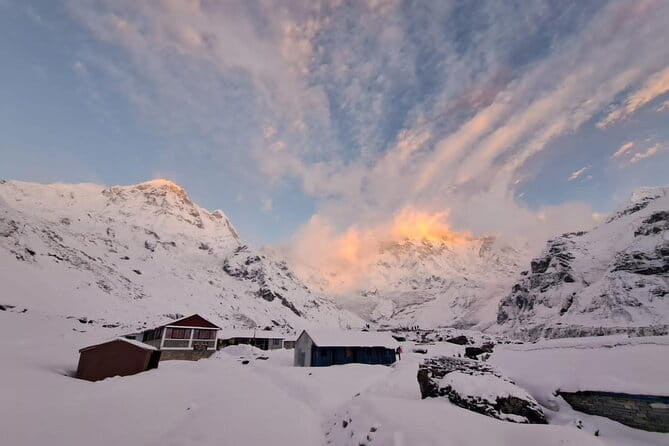
- Machhapuchhre Base Camp at 3,900m plus a 730m push to Annapurna Base Camp
- Food and drinks cost extra, so budget for meals on the trail
Pokhara to Annapurna: Why this trek feels organized
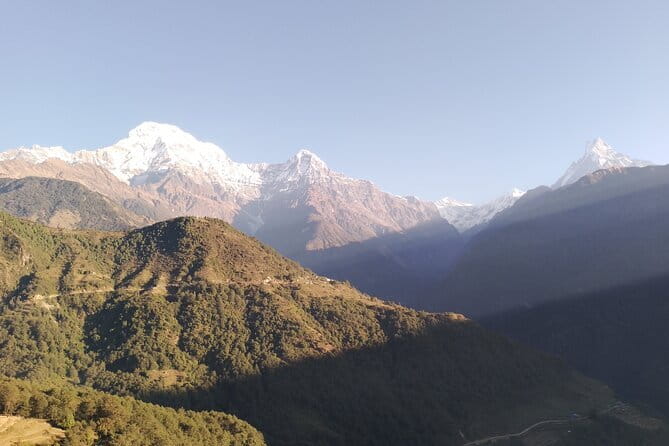
Starting from Pokhara is a big part of the appeal. You’re not jumping straight into a complicated transfer plan. The trek is set up around an afternoon start time (2:15 pm), and if you’re staying in Pokhara Lakeside, the operator includes hotel pickup and drop-off. That matters when you’re tired from travel the day before, or when you just want to get moving.
You’re also not doing this solo. The trek is described as private, meaning only your group participates. In practice, that usually translates to fewer coordination headaches: you can hike with your people, follow your guide’s plan, and adjust timing as needed.
And while the mountains do the talking, the route includes plenty of human scale moments too. The overall concept highlights cultural exchange with Gurung and Magar communities, plus warm hospitality and local cuisine along the way. That’s what turns Annapurna Base Camp from a photo stop into a full trek story.
You can also read our reviews of more tours and experiences in Pokhara.
Day 1: Siwai to Ghandruk through the Modi River valley
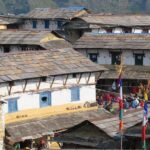
Day 1 is your entry day: you’re picked up from your hotel and driven to Siwai, then you start walking toward Ghandruk. The trail runs along the Modi River, with authentic villages and hillside paths that frame the Annapurna valley. It’s the classic “get your legs moving” day—long enough to feel like a trek, but early enough that your body still feels flexible.
Time on the trail is about 7 hours, and you’re also getting an early taste of what the week will be like: stone steps, rural scenery, and small community stops. Ghandruk is a well-known village area on the Annapurna circuit vibe, and it often works as a rhythm-setter. You’ll likely appreciate having a proper village stage before steeper days.
Practical takeaway: treat Day 1 as pacing practice. If you go out too fast, you pay for it later. Take breaks, drink water, and get used to the slope on your own terms.
Day 2: Ghandruk to Upper Sinuwa, the first real climb
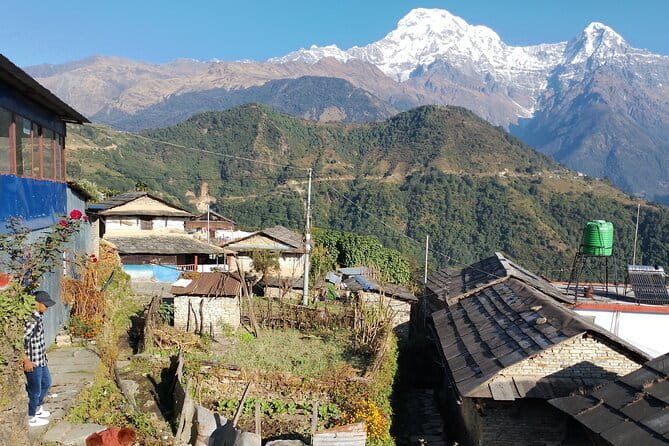
On Day 2, you trek from Ghandruk toward Upper Sinuwa. Expect a trail that fluctuates, but the key word here is strenuous. The route is described as a tougher walk, with the day taking about 7 hours, and the itinerary notes lunch breaks along the way.
This is one of the days where having a guide makes a difference beyond directions. A good pace keeps you from gasping your way uphill, and it also helps with altitude comfort when the air starts feeling different. The day sets you up for cooler, higher-feeling walking as the trek progresses.
One small downside: because the itinerary labels the uphill as demanding, Day 2 is not a great day to test out new shoes or gamble on a heavy daypack. If you want an easier week, pack light and use trekking poles if you’ve got knee or balance worries.
Day 3: Upper Sinuwa to Deurali, cooler air and winding paths
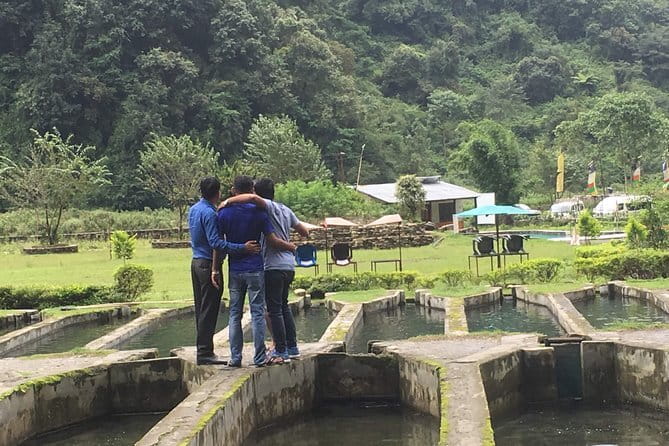
Day 3 takes you onward to Deurali, and the description shifts into “air gets cooler and fresher.” You’re climbing toward Annapurna Sanctuary, and the path is described as winding. The walk is about 6 hours, so it’s shorter than Day 2, but the overall vibe is still working uphill.
This day matters because it’s the bridge between village trail days and the “nearly there” days. You’re moving into a zone where the mountain presence feels closer, and where the route is more about steady effort than scenery alone.
What I like here is the gradual build. You’re not asked to jump from easy hiking into base camp heroics in one step. You still work hard, but the itinerary gives you time to adapt.
Day 4: Deurali to Annapurna Base Camp via Machhapuchhre Base Camp
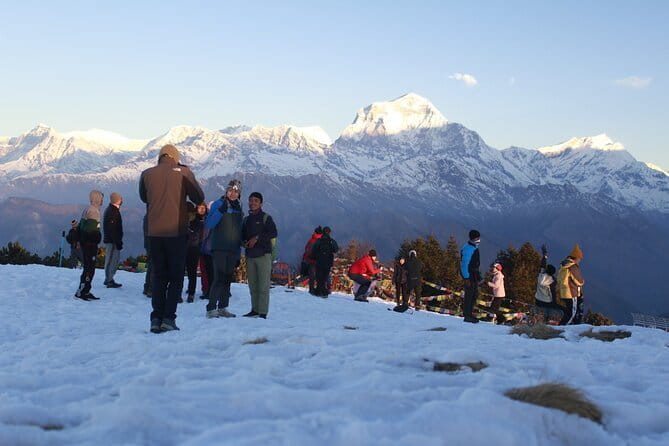
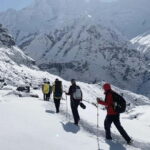
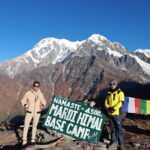
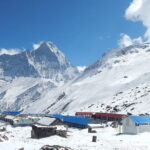
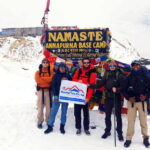
Day 4 is the headline: after breakfast you head toward Machhapuchhre Base Camp, then continue to Annapurna Base Camp. The route description gives a key altitude detail: Machhapuchhre Base Camp sits at about 3,900m, and the day includes a 730m climb to reach Annapurna Base Camp.
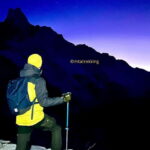
Time on the trail is about 7 hours, so it’s a full day. The path is described as going up, and it’s the kind of effort where a guide’s pacing and weather awareness matter.
Also, base camp days can be mentally strange. It’s easy to think the hardest part is done when you see the walls of peaks. But you still have uphill steps, and you’ll still be adjusting your breathing. Bring patience for that last push.
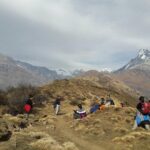
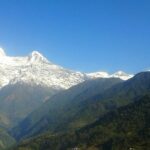
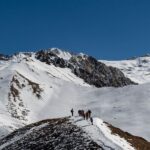
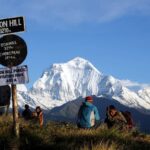
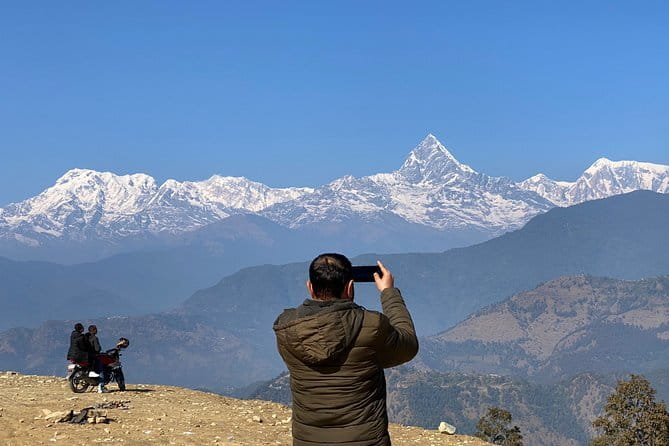
At the same time, this is where the trek earns its reputation. The overall experience is built around awe—standing in a high alpine sanctuary with the Annapurna massif all around you. If you’re chasing one big moment in Nepal, this is it.
Day 5: Annapurna Base Camp down to Bamboo, careful footing pays
After the base camp payoff, Day 5 turns into the descent phase, trekking back down to Bamboo. The walk is about 6 hours and the route passes through Deurali, Himalaya, and Dovan.
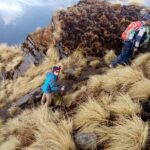
This is where your knees and calves start filing complaints. The trail is described as decent, but the itinerary warns to walk carefully on the way down. I agree with that. Descents are sneaky: they feel easier than climbing, but your legs work nonstop and you can trip if you rush.
A smart move: use the trekking poles included with your tour. They’re handed out as part of the trek package, and they can make the descent feel less like punishment.
Day 6: Bamboo to Jhinu Danda via forest stretches and Chomrong Khola
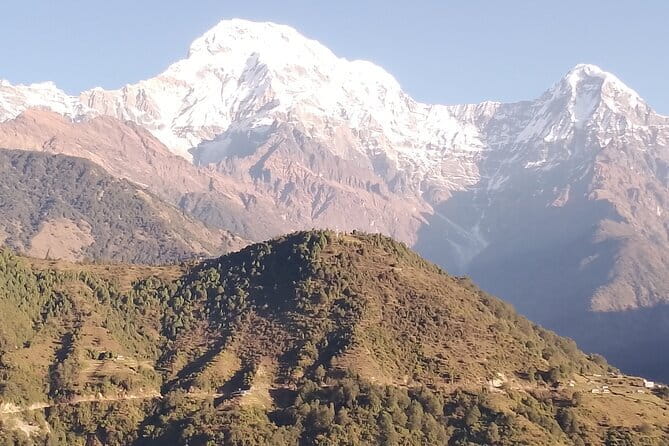
Day 6 is one of the more varied days. You start from Bamboo, then there’s a short steep up to KhuldiGhar, followed by downhill through forest to reach Sinuwa-Danda. From there, you descend to Chomrong Khola, then there’s a bridge and a short climb before reaching Chomrong village.
Time is about 6 hours. This day often feels like a reset: less dramatic than base camp, but still scenic and practical because it breaks the descent into smaller sections.
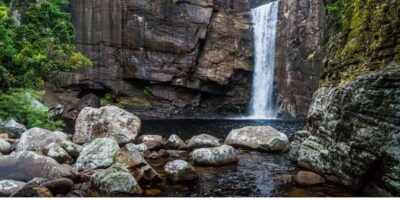
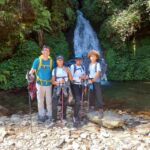
One thing worth noting: the trek descriptions point to forest walking here, and some trail stories mention rhododendron forest, plus river and waterfall views along sections of the route. Even if conditions vary, expect plant and water scenery to show up in the mix.
Day 7: Chomrong area down to Pokhara with a long suspension bridge
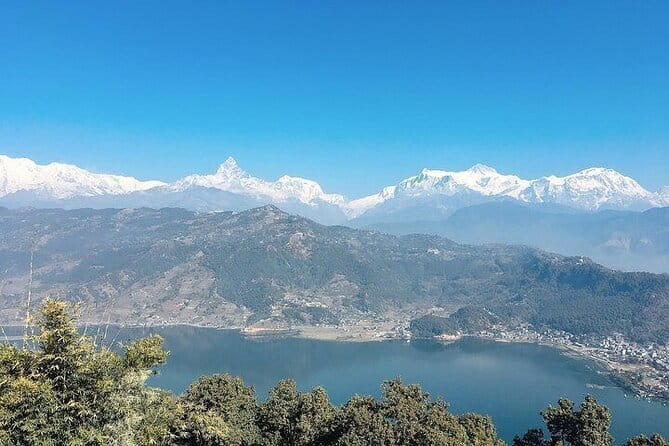
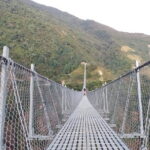
The final day keeps momentum but doesn’t require another long grind uphill. You walk with short downhill segments, cross a long suspension bridge, and reach Samrung Khola. From there, you catch a local jeep back to Pokhara.
Time on the trail is about 6 hours. The bridge crossing is often the fun part of the day—big views, simple challenge, and a reminder that you’re finishing the trek rather than starting it.
When you arrive back in Pokhara, the tour includes your drop-off in Lakeside area, so you’re not stuck figuring out the last step after a week of hiking.
Price and logistics: What $345 really includes
At $345 per person, you’re paying for a lot of the hard-to-organize pieces, not just the view. What’s included is a strong value package:
- Hotel pickup and drop-off within Pokhara Lakeside area
- English-speaking trekking guide
- Trekking permit and official documents
- Guesthouse accommodation during the trek
- Pokhara to Siwai and Samrung Khola to Pokhara transfer by shearing jeep or bus
- Trekking poles per person
- Emergency normal first aid kit with guide
- Private trek (only your group participates)
What’s not included is equally important for budgeting:
- Food and drinks
- Personal expenses
- Porter per day $25 (and it notes one porter for two people)
- Gratuities (optional)
Here’s how I’d think about value. If you want a guided, permit-included trek with transportation and poles already sorted, $345 is pretty reasonable. If you’re also planning to eat on the trail and maybe hire a porter, your all-in cost will climb—but that still may be cheaper and easier than trying to assemble everything yourself.
Small money tip: if you’re carrying more than you should, you’ll spend extra effort you can’t afford on steep days. Consider whether a porter fits your fitness level and your comfort.
Guides can make or break the week
This trek puts the guide at the center of the experience, and the info you’re given backs that up. You’ll have a guide who speaks English, and the overall trek experience is described as friendly and safety-minded.
From the guide names associated with past trips, you might work with someone like Biru, Amrit, or Shiva (names vary by group). The common thread is that guides are described as patient, cheerful, and focused on safety and comfort—plus able to explain what you’re seeing. That’s a big deal on a trek where you’re tired and your brain wants simple reassurance.
If you care about comfort, also pay attention to how the itinerary handles short breaks and overnight guesthouses. A good guide doesn’t just point uphill. They help you settle in each day without chaos.
Who this trek fits best (and who should think twice)
This trek is best for people with strong physical fitness. The itinerary includes strenuous walking on key days (especially Day 2) and a big altitude-oriented push on Day 4. You don’t need to be an elite hiker, but you do need to be able to handle sustained uphill and long downhill.
It also suits you if you value:
- clear structure and an organized plan
- a guide-led pace
- cultural encounters along the trail
- guesthouse stays instead of camping logistics
If you’re nursing injuries, or if you’re unsure about long descents, consider adding a porter and using trekking poles from day one. If you skip that, you might feel great at base camp and miserable the next three days.
Should you book this Annapurna Base Camp trek from Pokhara?
I’d book it if you want a well-supported Annapurna Base Camp trek with permits handled, transport arranged, and a guide you can trust. The itinerary has a logical build: village-to-hills, hills-to-forest, then sanctuary-to-base-camp payoff, followed by a steady return.
I’d think twice if you hate the idea of paying extra for food and drinks, or if the “strenuous” days don’t match your current fitness. Also, go in knowing Day 7 is a finishing sprint, not a lazy stroll.
If your goal is one clear highlight in Nepal—high peaks, alpine feel, and a serious trek story—this route is built for that.
FAQ
What’s included for pickup and drop-off in Pokhara?
The tour includes hotel pick up and drop off within the Lakeside area of Pokhara.
What does the $345 price include?
It includes an English-speaking trekking guide, trekking permits and official documents, guesthouse accommodation during the trek, Pokhara to Siwai and Samrung Khola to Pokhara transfers by shearing jeep or bus, trekking poles per person, and an emergency normal first aid kit with the guide.
Do I need to buy trekking poles?
No. Trekking poles per person are included in this trek.
Is food included in the package?
No. Food and drinks are not included and are available on purchase during the trek.
How much is a porter, and is it required?
A porter is optional but costs $25 per day. The note says one porter is for two people.
What time does the trek start?
The start time is 2:15 pm.