REVIEW · THESSALONIKI
Mount Olympus Hiking Experience – Trekking in Greece
Book on Viator →Operated by Greek Adventure · Bookable on Viator
Mt Olympus in two days sounds ambitious, because it is. This trek takes you from the Litochoro area up onto the Moussa plateau, then on Day 2 toward Mytikas (2,918m) with a real safety-first summit decision based on conditions.
I especially like the way refuge overnight stays make the route feel like an actual mountain trip, not a day-hike with a bus. I also like the focus on professional English-speaking guides (you may be with guides such as Adam, Sotiris, Giannis, Thanos, Christos, John, or Iraklis, depending on the group).
The main drawback to plan for is simple: this is a challenging walk (often 7–9 hours a day with big elevation gain), and the final push to the top is not guaranteed if weather is poor, if there’s snow, or if conditions/safety suggest otherwise.
In This Review
- Key Highlights You’ll Want to Know Before You Go
- Two Days on Olympus: The Real Shape of the Adventure
- Price and Value: What Your $433.06 Buys (and What It Doesn’t)
- Starting Point in Litochoro: Meeting, Transfers, and First Impressions
- Day 1 (7–8 Hours): From Gortsias to the Petrostruga Shelter and Up to Moussa
- Day 1 Practical Reality: Elevation, Pacing, and Why You’ll Still Want Sticks
- Day 2 (8–9 Hours): The Early Start, Mytikas Climb, and the Summit Call
- After the Summit (or the Safe Turnback): Refuges, Views, and Descent
- Lodging and Night in the Refuge: What It Feels Like Up There
- What to Pack (So Day 1 Doesn’t Turn Into a Sore-Shoulder Story)
- Guides, Safety, and Communication: The Part That Makes or Breaks a Trek
- Who Should Book This Two-Day Olympus Hike
- Final Verdict: Should You Book This Olympus Trek?
- FAQ
- What’s the meeting point for the Mt. Olympus hike?
- How long is the hike on each day?
- Is the summit of Mytikas guaranteed?
- Where do you stay overnight?
- Are meals included in the base price?
- What should I bring for the trek?
- Is it an English-speaking tour?
Key Highlights You’ll Want to Know Before You Go
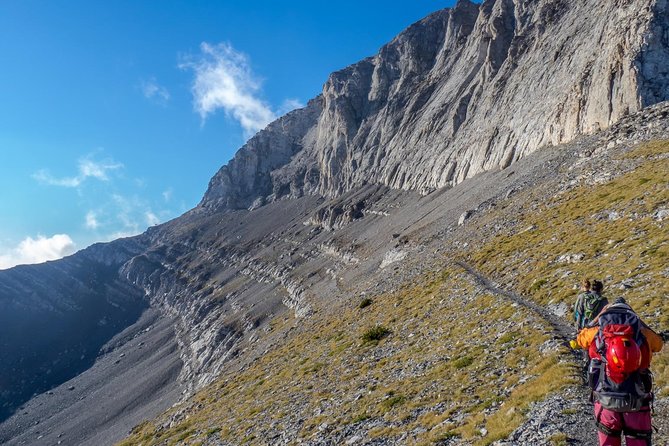
- Mytikas summit is a conditional goal: your guide decides based on weather, client fitness, and safety.
- Day 1 climbs hard then settles in at the Moussa plateau shelters, with major landmarks along the way.
- Refuge lodging is included, so you’re not searching for beds at the top of Greece.
- Optional meal supplements (FB or HB) let you match your comfort level and budget.
- Group size is capped at 40, which keeps the hike from feeling like a crowded cattle drive.
- Guides handle route, transfers, and safety gear, while you focus on your hiking kit.
Two Days on Olympus: The Real Shape of the Adventure
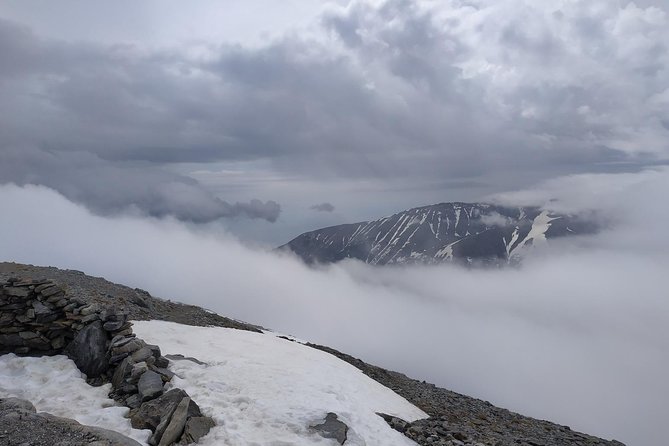
This hike is built for people who want the payoff of “serious mountain travel” without trying to self-navigate above treeline. You start in the Litochoro area and spend the night in a refuge environment on the Moussa plateau—so you get that high, windy, big-sky feeling that makes Olympus feel different from other European hikes.
You should also be clear-eyed about the effort. Day 1 runs about 7–8 hours with a steep climb and long stretches at altitude; Day 2 is listed at about 8–9 hours and includes the toughest part: pushing toward Mytikas (the highest mountain in Greece). If you’re the type who likes smooth, flat, paved walking, this will feel like homework.
The good news? The trip is designed around mountain logic. You get transfers between Litochoro, Gortsias, and back from Prionia, plus an English-speaking guide and shelter accommodation. That’s value. You’ll still do the work, but you won’t be doing the planning.
Price and Value: What Your $433.06 Buys (and What It Doesn’t)
At $433.06 per person for two days, the value mostly comes from what’s included: refuge accommodation, the Greek Adventure English-speaking guide, and the Litochoro–Gkortsia–Litochoro transfers (meaning you’re not stuck arranging multiple local logistics yourself).
What isn’t included is the day-to-day food. Meals and drinks are not part of the base price. You have two options if you don’t want to figure out lunches and dinners at the shelters:
- FB supplement: €55 per person includes 1 breakfast, 2 lunch packs, and 1 dinner
- HB supplement: €25 per person includes 1 breakfast and 1 dinner
If you prefer to keep things flexible (or you like the idea of buying along the way), you can skip supplements. Just remember you will likely need cash for drinks and for anything not covered by the package, since shelters typically operate on their own rules.
One more value point: the group max is 40, which helps keep the pacing more human. And your ticket is mobile, which is convenient when you’re juggling buses, trains, and small timing details.
Starting Point in Litochoro: Meeting, Transfers, and First Impressions
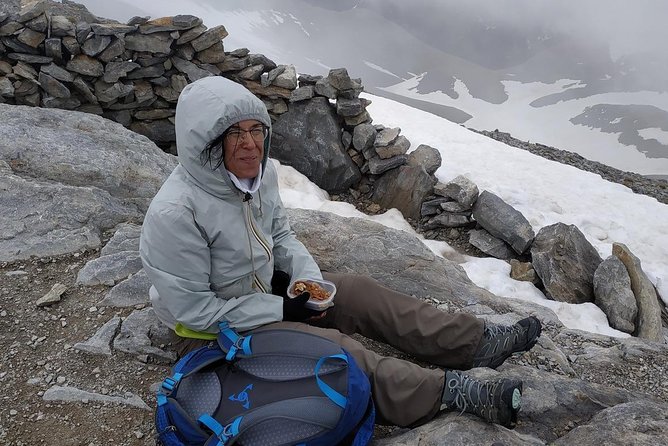
This trip starts and ends at Enipeos 1, Litochoro 602 00, Greece. Plan to be on time, because the whole rhythm of a mountain day depends on not losing daylight.
From there, the group drives about 13.5 km to Gortsias at roughly 1,123m. That matters. Starting higher means the hike ramps up faster and you’ll hit the main climbing zones sooner, rather than spending the first hours gaining almost nothing.
You’ll also see a practical benefit in the way the itinerary is designed: you get organized transfers for both ends—out to the trailhead and back from Prionia—so you’re not stuck hauling yourself down and then trying to catch a bus with sore legs. The end of Day 2 brings you back to the same meeting point area in Litochoro.
Day 1 (7–8 Hours): From Gortsias to the Petrostruga Shelter and Up to Moussa
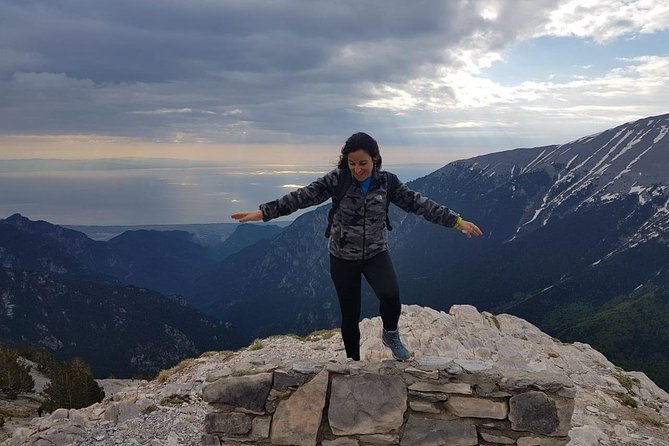
Day 1 is the long, steady build. You’ll start at Gortsias (1,123m) and hike toward altitude. The day is listed at about 13.5 km, with an ascent of around 1,609m and a maximum height noted at 2,724m—so even though the distance looks reasonable on paper, your legs will feel the climb.
The route begins with a classic Olympus approach: after about 2.5 hours, you reach key named areas as you move through the mountainside—Barba, Koka, and Strangos—before arriving at Petrostruga shelter (about 1,940m) for a short stop. That stop is important. On Olympus, your pacing early determines whether the day feels challenging or brutal.
From Petrostruga, you continue toward Skourta (2,476m) and Laimos, then reach the Pass of Iossos. This is where the route becomes more than just altitude gain: you get the dramatic feeling of standing on pathways that open to the high plateau area known for the plateau of the Muses.
Then comes the overnight plan: after the intersection, you take the path that leads to the shelter of G. Apostolidis, where you stay on the Moussa plateau. Staying in refuges isn’t only practical—it also changes how you experience the mountain. You shift from “day hike mode” into “mountain night mode,” which means colder temperatures, different winds, and a more raw, real feel.
Day 1 Practical Reality: Elevation, Pacing, and Why You’ll Still Want Sticks
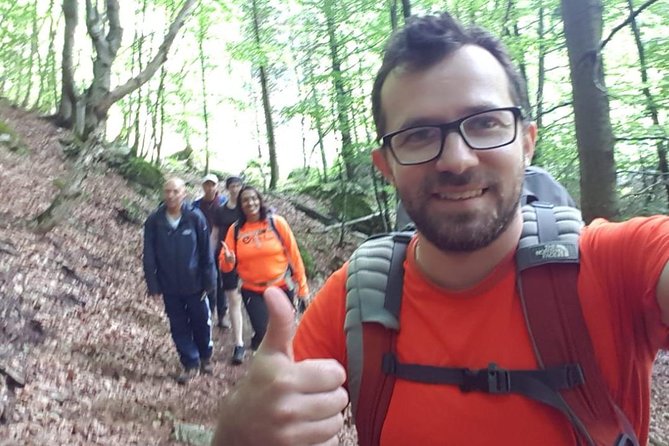
Even without getting dramatic about it, this day asks for steady effort. You’re climbing a lot in hours, and the numbers back that up: big ascent, relatively modest descent. That usually means you’ll spend more time working than recovering.
This is exactly where trekking poles can help. The tour materials explicitly recommend walking sticks, and that’s not marketing fluff. On steep segments, sticks take some load off your knees and give you something to lean into when the slope gets relentless.
Also note the gear guidance: they ask you to bring a large, comfortable rucksack (40–50 liters) with a waist belt, and preferably an internal frame. For this type of hike, the wrong backpack is misery. If your pack doesn’t carry well, every elevation meter feels heavier.
Day 2 (8–9 Hours): The Early Start, Mytikas Climb, and the Summit Call
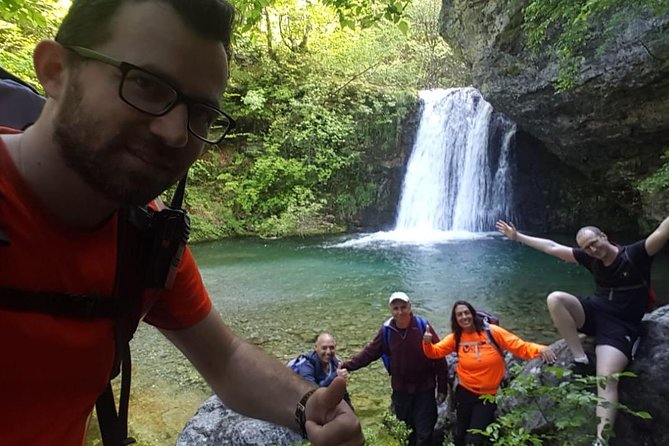
Day 2 starts early, and you’ll want that early energy. After breakfast, you begin the climb toward Mytikas (2,918m), the highest peak in Greece. The day is listed at about 8–9 hours, and it includes the part you really came for.
The key phrase to understand here is this: the climb to the top requires extra effort and you must be mindful of altitude sickness. The tour also notes they use safety equipment, but the bigger point is that your guide’s job is not just “reach the summit.” It’s making sure you do it safely.
Then there’s the summit decision itself: whether you go all the way to Mytikas is up to the guide. It depends on weather conditions and your group’s physical condition. If there’s snow, the ascent to Mytikas is not possible.
That means you should mentally prepare for a “best safe outcome” mindset, not a guaranteed flag-at-the-top mission. If you’re flexible and you treat the summit as a possibility, not a promise, the day goes smoother.
After the Summit (or the Safe Turnback): Refuges, Views, and Descent
If the conditions allow you to reach Mytikas, you’ll enjoy the view and also sign the visitor’s book—a small tradition that adds a nice human touch to a high, cold place.
After that, you descend toward Spilios Agapitos refuge, with a short stop. Then you continue down to Prionia, where the car is waiting to take you back to Litochoro.
This structure is smart. It keeps the hard part from stretching into an all-day grind without breaks. Even on a successful summit day, the descent is still work—so having a planned refuge stop helps you manage energy.
One more reason this day feels special: you’re moving from the summit zone down into refuge territory, and the mountain shifts around you. Expect colder air and big wind changes as you drop in elevation.
Lodging and Night in the Refuge: What It Feels Like Up There
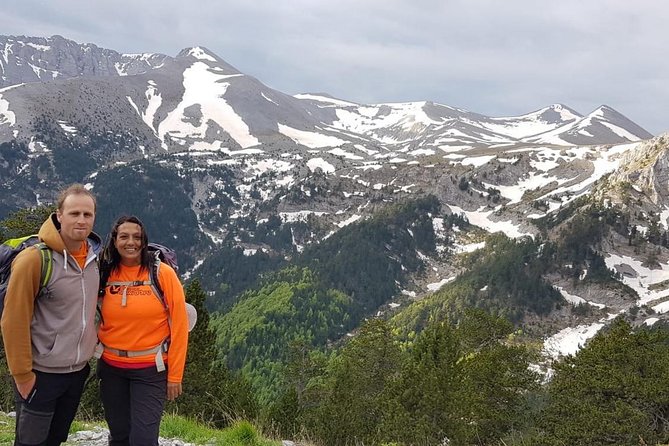
You get accommodation in the refuges on Mt. Olympus included. That sounds simple, but it changes your whole trip. You’re not trying to race between day hikes and hotel check-ins. You’re living the mountain schedule for one night.
The packing list they suggest includes bringing a sheet sleeping bag or similar (like a duvet cover) for refuge overnights, even though blankets will be available. That’s practical. Refuge blankets are helpful, but your own layer can make the night warmer and more comfortable.
This is also the part where a warm layer matters. The tour notes include warm clothes for windy/cold daytime conditions and cool evenings, like fleece tops or similar. Olympus weather can flip faster than you expect, especially at refuge altitude.
What to Pack (So Day 1 Doesn’t Turn Into a Sore-Shoulder Story)
They recommend you try to travel light, because you carry everything you bring on all the days’ walks. The essentials they list are worth treating as a real checklist:
- Shoes: sturdy, well-worn trekking shoes
- Rain/wind layer: a good waterproof top with hood
- Clothing: quick-drying walking shorts and long trousers (avoid denim), plus at least one long-sleeve top with collar for sun protection
- Warm layer: fleece or similar for colder wind and evenings
- Sleeping: sheet sleeping bag or duvet cover
- Sun protection: sunglasses, towel, sun hat/cap, sunblock
- Water and carry: water bottle, plus a small wash bag and simple first aid kit (plasters/blister kit, antiseptic, and aspirin or similar)
- Extras that matter: torch/head torch, penknife, and walking sticks if you use them
- Photo gear: bring your cameras if you want the summit and plateau views
One tip for comfort: choose a backpack that fits your body. A 40–50 liter pack is the requested size range, with padded straps and a waist belt. If the belt doesn’t transfer weight to your hips, your shoulders will pay the price.
Guides, Safety, and Communication: The Part That Makes or Breaks a Trek
The most consistently praised element is the guiding. People describe professional, engaging, encouraging guides who make safety the top priority. You’ll see names in the feedback too—Adam and Sotiris show up for family-friendly encouragement, while Giannis and Thanos are mentioned for strong summit-day management, including keeping the pace appropriate if someone isn’t feeling well.
That matters because Olympus is not only steep. It’s also exposed in spots, and altitude changes how you feel. A good guide does more than lead a line on a map:
- keeps the group together without pushing too fast
- checks in when conditions shift
- makes a real decision about Mytikas based on weather and safety, not just ambition
You should feel good about the professionalism here. The tour also notes that itinerary changes can happen at the guide’s discretion due to local and weather conditions. That’s not a problem—it’s mountain reality.
Who Should Book This Two-Day Olympus Hike
This is best for you if:
- you have moderate physical fitness
- you like the idea of refuge overnight lodging
- you’re comfortable hiking 7–9 hours on mountain terrain
- you want a guided experience that takes logistics off your plate (transfers, shelters, safety gear)
It’s not ideal if:
- you’re hoping for a casual stroll
- you get knocked around by altitude or you’re unsure how your body handles it
- you need a guaranteed Mytikas summit no matter what the weather is (because the guide can adjust or stop the ascent for snow or safety)
Final Verdict: Should You Book This Olympus Trek?
I’d book this if your goal is a guided, authentic Mount Olympus experience that balances effort with support. The big value is the combination of refuge lodging included, organized transfers, and a safety-minded approach to the Mytikas summit decision.
If you’re chasing the summit at all costs, you’ll be happier choosing a plan that matches that certainty. This one is more mature: it aims for the highest possible outcome while protecting your health and the group’s safety.
If you want a mountain weekend in Greece that feels real—steep, scenic, and carefully run—this trek is a strong pick.
FAQ
What’s the meeting point for the Mt. Olympus hike?
The tour starts and ends back at Enipeos 1, Litochoro 602 00, Greece.
How long is the hike on each day?
Day 1 is listed at about 7–8 hours, and Day 2 is listed at about 8–9 hours.
Is the summit of Mytikas guaranteed?
No. The guide decides whether to climb to Mytikas based on weather conditions and the physical condition of participants. The ascent is not possible in snow.
Where do you stay overnight?
You stay overnight in refuges on Mt. Olympus, specifically on the Moussa plateau on Day 1.
Are meals included in the base price?
No. Meals, drinks, and beverages are not included in the base price. You can add meal supplements: HB (breakfast and dinner) or FB (breakfast, two lunch packs, and dinner).
What should I bring for the trek?
The tour suggests bringing trekking shoes, a waterproof hooded layer, warm clothes, quick-drying pants and shorts, sun protection, a water bottle, a sleeping bag sheet/duvet cover for refuge nights, a simple first aid kit, and optional items like walking sticks and a torch.
Is it an English-speaking tour?
Yes. The tour is offered in English with a Greek Adventure English-speaking guide.