REVIEW · SAPA
Fansipan Trek One Day Tour – Roof of Indochina
Book on Viator →Operated by Trekking Tour Sapa · Bookable on Viator
Fansipan is a steep start from Sapa. This one-day trek rises through Hoang Lien Son altitudes, where plants change fast, from old pine stands and yellow bamboo to dwarf bamboo near the top. You’re also in a nature reserve with a chance at seeing mountain goats or langur monkeys along the route.
I love the way the climb is made manageable with porter support, plus an English-speaking local guide who keeps you moving step by step. Guides such as Pau, Chu, Mei, and Phung get mentioned for patience and encouragement, especially on tougher sections. The main drawback is simple: this is still a hard, steep hike with ladders and steps, and it really demands strong fitness and good weather.
In This Review
- 4–6 things that make this Fansipan one-day trek worth your time
- Trekking Fansipan from Sapa: what Roof of Indochina really feels like
- Getting picked up and to Tram Ton Pass before the big climb
- The 7–8 hour climb on Hoang Lien Son: pace, steepness, and what to expect
- Fansipan peak around noon: summit views, photos, and your certificate
- Lunch, water, gloves, and porter support: how the tour keeps the climb realistic
- Price and value at $98: what you’re actually paying for
- Weather, safety, and the cable-car option for the way down
- What kind of traveler should book this one-day Fansipan trek?
- Should you book this Fansipan One Day Tour?
- FAQ
- How long is the Fansipan one-day trek?
- What time does the tour start and where do I meet?
- Is pickup from my hotel included?
- What does the price include?
- How big is the group?
- Is a strong fitness level required?
- Is the cable car included?
- What happens if weather is poor?
4–6 things that make this Fansipan one-day trek worth your time
- Altitude-driven nature: You’ll watch the vegetation shift as you climb, not just chase a summit photo.
- Small group scale (max 15): Easier pacing and more personal attention than giant tour lines.
- Porter support built in: 3 hikers share 1 porter, helping you keep energy for the steeper parts.
- Hoang Lien National Park access: Entrance fees are included, so you don’t have to handle admin on the day.
- Summit recognition: You’ll get a Fansipan summiting certificate at the peak.
- Comfort basics included: Vegetarian lunch, a large bottle of water, and gloves per person.
Trekking Fansipan from Sapa: what Roof of Indochina really feels like
Fansipan, often called the Roof of Indochina, is one of those “one big hill” destinations that actually earns the hype. Yes, it’s a summit. But the best part of this one-day version is what happens between Sapa and the peak: the nature reserve changes with altitude, and that makes the hike feel like walking through different ecosystems in a single day.
At lower elevations around Tram Ton Pass, you start in a zone dominated by tall pine trees and bamboo. As you climb, the air cools and the plant types shift again. Near the top, you reach dwarf bamboo forest. The route also runs through protected habitat inside Hoang Lien National Park, which matters because it’s not just scenic hiking land. The reserve is known for plant diversity, including orchid varieties, and it’s the reason the area has conservation protections.
Even if you’re not a plant-nerd, you’ll feel the difference. You’ll stop for photos, sure, but you’ll also notice how trails get steeper and how the vegetation pattern changes around you. And if you’re lucky, you might spot wildlife like mountain goats or langur monkeys. You should treat that as a bonus, not a promise, but the setting is genuinely the sort that can deliver.
This is also where the “one day” format becomes part of the experience. You go early, work hard, reach the summit around noon, and come back while the day is still young enough to enjoy Sapa afterward. It’s a big physical effort, but it doesn’t eat your whole vacation.
You can also read our reviews of more tours and experiences in Sapa.
Getting picked up and to Tram Ton Pass before the big climb
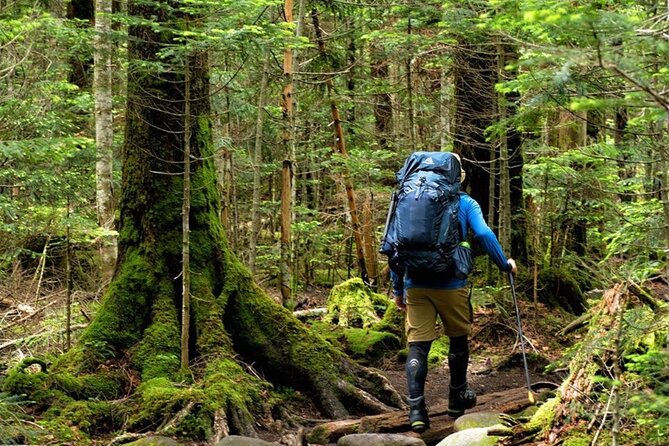
Your day starts early. You meet at the Sapa Church area (P. Hàm Rồng, TT. Sa Pa). The tour start time is listed as 5:00 am, and the practical rhythm is: your guide and driver meet you around 5:30 am at your hotel or a selected meeting point, then you head out by car.
The drive takes you up to Tram Ton Pass (around 2,000 meters above sea level). This is one of those underrated parts of the day. Being transported to the pass means you’re not wasting hours hiking just to reach the start line. You arrive around 6:30 am, which gives you time to begin the ascent at daylight when you can see the trail clearly.
Another small detail that helps: the tour is set up for pickup, and the group size is limited (maximum 15). That reduces chaos at the start. You’re less likely to spend your morning herding your way through a crowd or waiting for late arrivals. You’ll still want to be on time, because climbing schedules are tight when you’re trying to return the same day.
Finally, this tour uses a mobile ticket, so bring your phone (and make sure it has enough battery). It’s a small thing, but it prevents awkward last-minute issues.
The 7–8 hour climb on Hoang Lien Son: pace, steepness, and what to expect
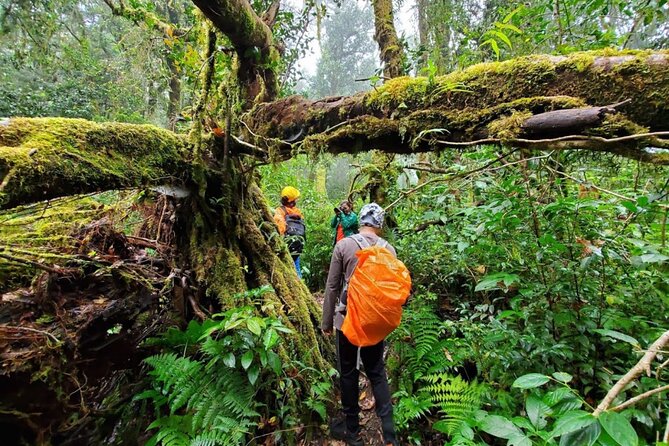
From Tram Ton Pass, the real hike begins. The ascent and descent together typically take about 7–8 hours. That time estimate matters because it shapes what kind of day you’re buying. This is not a casual walk with scenic breaks that stretch on forever. You’re committing to a full chunk of uphill work, plus the energy-demanding downhill.
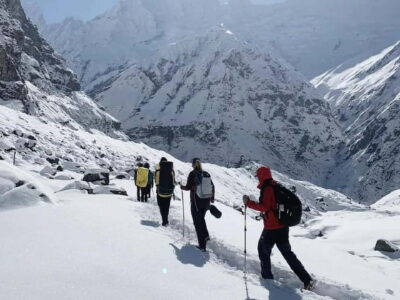
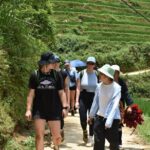
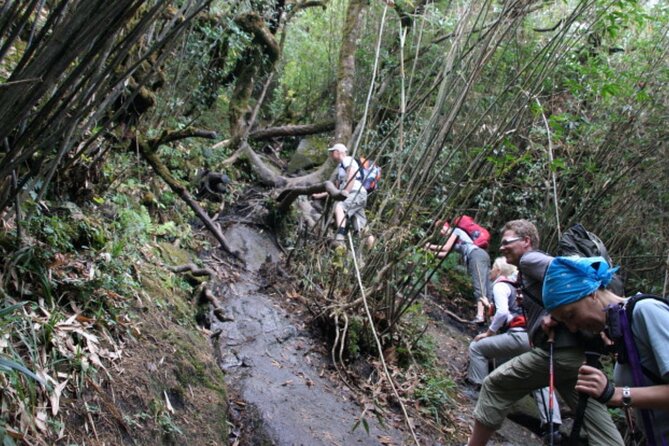
The trail is challenging. Expect steep sections with steps and ladders in the more rugged parts of the climb. That’s why “strong physical fitness” is repeatedly emphasized. Even with support, you shouldn’t plan this as your first serious hike in Vietnam.
Still, it’s not chaos if you show up prepared. One reason this trek gets strong feedback is the guidance style. Guides such as Pau and Chu are mentioned as patient and encouraging, and that helps you keep your breathing steady when the trail turns vertical.
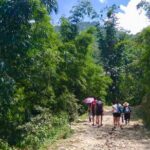
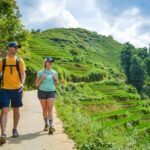
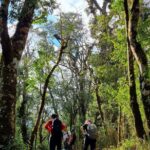
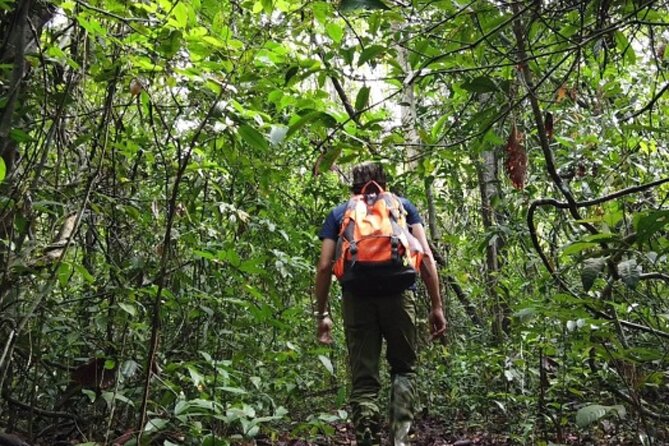
As you go higher, pay attention to the vegetation shifts. At lower areas you’ll see older pine trees and bamboo expanses. Higher up, the forest becomes different again, and near the top you reach dwarf bamboo. This isn’t just scenery dressing. These changes help you understand you’re traveling through real ecological zones protected by the national park.
Also, keep your eyes open (but don’t stop constantly). Mountain goats and langur monkeys are possible. When wildlife shows up, you’ll be glad you’re moving with the guide rather than wandering off on your own. A guide also helps with route-finding in areas where trails can be confusing, especially if weather turns.
If you want to maximize your chance of enjoying the trail rather than merely surviving it, the simplest strategy is steady pacing. You don’t need to sprint to “win” the summit. You need to arrive feeling capable enough to enjoy the views and take photos.
Fansipan peak around noon: summit views, photos, and your certificate
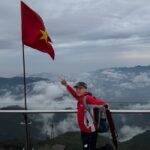
You reach the peak at around noon. That timing is a big deal. It gives you daylight for photos and visibility over the region, and it avoids the late-afternoon rush where you feel pushed just to finish.
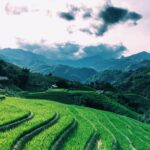
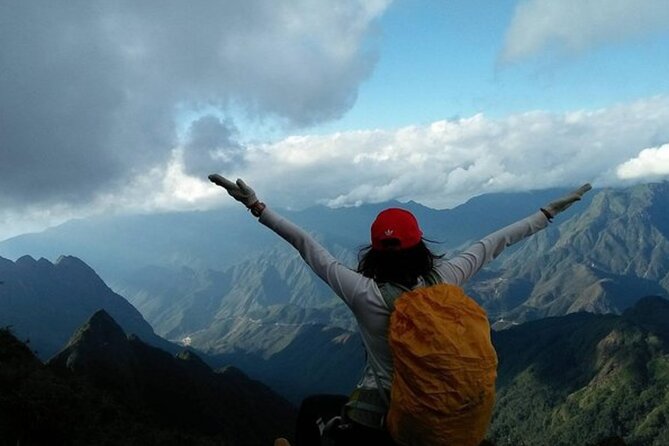
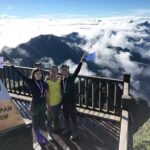
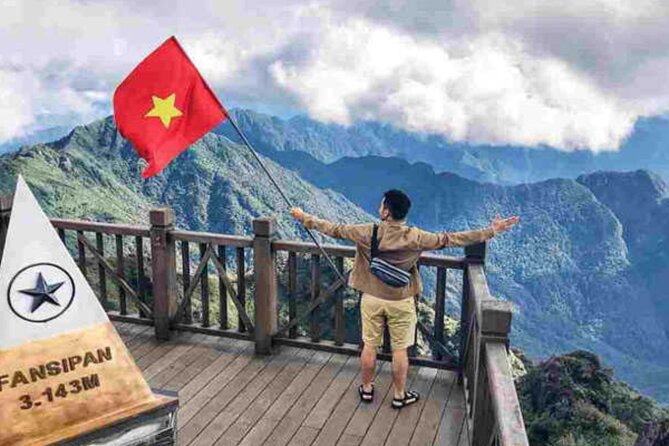
At the top, you’ll get views from the highest point in the region often associated with the Roof of Indochina label. You’ll also have time to take unique pictures that show the sense of place: Sapa’s cooler mountain world, stretching out under you.
This tour includes a summiting Fansipan certificate. It’s a small souvenir, but it’s also a nice marker for a day that requires effort. If you like having proof you actually made it, it scratches that itch.
You might also notice how the final sections feel different underfoot and around you. The vegetation near the summit is more compact and stunted, with dwarf bamboo dominating. That helps explain why the “walk through ecosystems” idea isn’t marketing fluff. Your senses catch up with the altitude.
One more reason noon is a good summit window: the day doesn’t end at the peak. After you’ve soaked in the view, you still have a climb-down schedule and a return to Sapa later that afternoon.
Lunch, water, gloves, and porter support: how the tour keeps the climb realistic
A big part of the value here is that the tour doesn’t leave you to improvise basic needs mid-trek. You get lunch, and it’s vegetarian. That matters if you’re not sure what you’ll be able to eat on the mountain. You also get 1 big bottle of water per person, which is important for a day that involves a lot of sweat and elevation changes.
You also receive gloves per person. Gloves aren’t just for comfort. In a mountain setting, they can help on colder mornings and on chilly or damp trail sections. Even if you think you’re fine without them, having the provided gear keeps you from losing time on purchases you might not even find.
Then there’s the porter service. The plan is that 3 people share 1 porter, and porters support you during the trek. Practically, that means you can travel with less weight on your back and focus more on your footing and breath. You’ll feel this most on the steeper portions when fatigue can make every step feel heavier than it should.
All of this adds up to a simple outcome: you’re still doing a challenging hike, but it’s a challenging hike with fewer barriers. You’re not carrying everything, negotiating with strangers, or trying to guess what’s included.

Price and value at $98: what you’re actually paying for
At $98 per person, this trek is priced like a serious day tour, not a casual sightseeing add-on. The reason is what’s bundled.
Here’s what you get that often costs extra when you DIY:
- Hoang Lien National Park entrance fee
- Transport from Sapa to Tram Ton Pass and back
- English-speaking local guide
- Porter support
- Vegetarian lunch
- Water and gloves
- Summiting certificate
- Small-group format (max 15)
When you add those items up, the price stops looking like a big number and starts looking like a fair way to buy a full logistics package. You’re paying for a guide who knows the route, a system that includes porters, and transport that gets you to the right trailhead early enough to make the schedule work.
The trek is also typically booked about 16 days in advance, which is a hint that you should plan early if you’re traveling in peak season or over weekends. If you wait too long, you can end up competing for slots.
This trek is best for people who want to do Fansipan in one day without turning it into a logistics project. If you already have a strong solo hiking setup and you’re determined to go independent, you might find cheaper options. But if you want support, included fees, and a clear plan, the $98 starts to make sense.
Weather, safety, and the cable-car option for the way down
This is one of those hikes where weather can change the experience fast. The tour requires good weather, and if it can’t run due to poor conditions, you’ll be offered a different date or a full refund.
On the ground, that shows up in your comfort and safety. In wet conditions, steep sections can feel more slippery and more intense. One person’s experience notes making the summit in rainy conditions with a patient guide, but you should still treat rain as a factor.
Also, remember the trail isn’t just the way up. The day includes a descent on rough terrain, which is where some hikers feel their knees and legs start to protest.
If you want a softer landing, there’s an optional return via cable car, and it’s not included in the base price. Some people report paying extra for the cable-car return (one cited figure was 800,000 dong). So if you want that option, budget for it. It can be a smart trade if you’re aiming to conserve energy for enjoying Sapa after.
What kind of traveler should book this one-day Fansipan trek?
This trek fits best if you match three things:
- You have strong physical fitness or you train a bit before your Sapa hike days.
- You want a guided route with porter help rather than going fully independent.
- You prefer a full-day challenge with a clear end time back in Sapa rather than a multi-day trek.
You might also love it if you’re interested in nature changes by altitude. The walking through different vegetation zones is a huge part of why this feels more meaningful than just “getting to the top.”
It may not fit if you want something easy or if your hiking experience is mostly flat terrain. Even with porters and guides, the steepness and the ladder/step sections are real. And if you’re visiting during a period of unpredictable mountain weather, make peace with the idea that conditions could affect whether the tour runs that day.
Should you book this Fansipan One Day Tour?
Book it if you want a structured, supported way to reach Fansipan from Sapa with park access, transport, lunch, and a summit certificate all handled. The value at $98 comes from how much is included, and the small group size keeps the experience from feeling like cattle herding.
Skip it or consider another option if your fitness isn’t where it needs to be for a steep 7–8 hour hike with ladders and steps. Also, if your schedule is too tight to handle weather-dependent changes, you might prefer a plan with more flexibility.
If you’re capable and ready for a big effort, this one-day trek is a strong way to check off the Roof of Indochina without turning your trip into a logistical headache.
FAQ
How long is the Fansipan one-day trek?
The hike and related walking typically take about 7–8 hours, with the full tour lasting roughly 7 to 11 hours depending on timing.
What time does the tour start and where do I meet?
You start early in Sapa. The meeting point is Sapa Church (P. Hàm Rồng, TT. Sa Pa, Sa Pa). Start time is listed as 5:00 am, and the guide and driver meet you around 5:30 am.
Is pickup from my hotel included?
Pickup is offered. The guide and driver can meet you at your hotel or at a particular point you choose.
What does the price include?
The tour includes vegetarian lunch, Hoang Lien National Park entrance fee, an English-speaking local guide, transport to and from Tram Ton Pass, 1 big bottle of water per person, porter service, a Fansipan summiting certificate, and gloves per person.
How big is the group?
The maximum group size is 15 travelers.
Is a strong fitness level required?
Yes. The activity is described as requiring strong physical fitness, since it is a challenging ascent and descent.
Is the cable car included?
No. Optional return via cable car is not included in the price.
What happens if weather is poor?
The tour requires good weather. If it’s canceled due to poor weather, you’ll be offered a different date or a full refund.