REVIEW · SAPA
Sapa Easy Trekking Tour 1 Day – Rice Paddies and Cultures
Book on Viator →Operated by Trekking Tour Sapa · Bookable on Viator
One short walk in the paddies can feel like a whole story. This 1-day Sapa tour mixes rice-terrace views with visits to Black Hmong villages, plus time around Ta Phin’s cave and local animal life (like water buffalo). You’ll also get a guide who explains what you’re seeing, from cardamom trees to everyday village routines, without turning it into a museum.
I like that the tour is built around real contact with village scenes, not just photos from a viewpoint. Your day starts early in Sapa and stays focused on the same loop of Suoi Thau, Ma Tra, and Ta Phin, so you don’t waste time hopping between unrelated stops. One thing to keep in mind: even if it’s called easy, the walk includes uneven trails and slippery potential, so you should have moderate physical fitness and be ready for a steady pace.
In This Review
- Key things to know before you go
- Sapa in one focused loop: why this tour feels efficient
- Price and value: what you get for $40
- Starting point at Sapa Church: getting set up for an easy morning
- Stop 1: Ta Phin area and what to expect on the way
- The cardamom moment in the valley
- Descent toward Suoi Ho: Black Hmong village life
- Ta Phin’s cave: a well-known Sapa stop with atmosphere
- Meeting the people: Black Hmong and Red Dao in one day
- Rice paddies and mountain views: the best part is the pacing
- Lunch and what’s included (and what isn’t)
- Who this tour is for (and who should skip it)
- A note on pace and safety: ask early, not mid-slope
- Timing reality: why this feels like a full morning plus villages
- How to prepare so the day stays fun
- Final verdict: should you book Sapa Easy Trekking Tour 1 Day?
- FAQ
- What is the duration of the Sapa Easy Trekking Tour 1 Day?
- What time does the tour start, and where does it meet?
- Is lunch included, and is it vegetarian?
- What does the tour price include?
- Do I need moderate fitness for this trek?
- Is pickup available?
Key things to know before you go
- Ta Phin’s cave: a famous Sapa highlight that breaks up the trekking with a strong sense of place
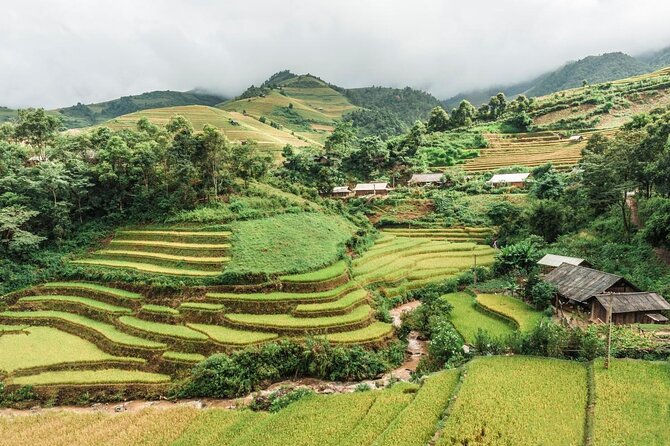
- Two ethnic village visits: you’ll see both Black Hmong and Red Dao community areas in one day
- Cardamom and everyday farming: short moments like seeing cardamom in the valleys add real context
- Animal encounters: you may meet water buffalo, along with chickens, dogs, and pigs in village spaces
- Included vegetarian lunch + village entry fees: fewer budget surprises during the day
Sapa in one focused loop: why this tour feels efficient
This tour is designed like a good scarf: useful, compact, and warm enough for the day. You start in Sapa town around 9:00am at Sapa Church, then move on foot through the valleys and rice-terrace views toward Ta Phin and back. That matters because Sapa can sprawl, and it’s easy to end up spending half the day “getting there.” Here, the trip stays concentrated, so the time you pay for mostly becomes walking plus village viewing.
At about 5 hours 30 minutes on the clock, it’s long enough to feel like you actually did something—while still light enough that most people can handle it with a smart attitude toward pacing. The tour also includes transport back to Sapa, so you’re not stuck trying to figure out the ride home after you’re already tired.
And yes, the altitudes and air matter. The route reaches up to roughly 1,900m above sea level, which can make the morning feel crisp and your lungs work a little harder. If you’re coming from a lower elevation, take it slow at the start and don’t force big strides early.
You can also read our reviews of more tours and experiences in Sapa.
Price and value: what you get for $40
The price is listed at $40 per person, which is a fair budget level for Sapa compared with tours that include fewer “real village” elements. The main reason it feels like value is that several costs are covered inside the base price: a local guide, village entry fees, a vegetarian lunch, and a small bottle of water.
Here’s the practical math you can use while deciding:
- If you were to buy lunch and pay entry fees separately, your day can add up fast in tourist areas.
- A local guide is not just for interpretation; it’s for navigation on small trails and knowing where you’re allowed to go.
- The tour also covers transport back to Sapa, which often costs extra if you go independently.
What you should watch: drinks at the restaurant/homestay are not included, and you’ll want to budget for that. Also plan for tips if your guide earns them, since tips are not included.
Starting point at Sapa Church: getting set up for an easy morning
The meeting point is Sapa Church on P. Hàm Rồng, in central Sapa. Arriving a few minutes early helps you do one small but important thing: get your boots and layers sorted before you start moving downhill.
Some tours “begin” when the van arrives. This one begins when you’re with the guide and walking. The day starts with an introduction and then short trail time before you really get into the villages. That intro period is your chance to set expectations about pace—especially if you’re worried about slippery parts or if you want a slower, more comfortable rhythm.
Pickup is offered, which can be a convenience win if you’re staying slightly off the main strip. Still, if you’re within easy reach of the church, you can also plan to meet there and keep the morning simple.
Stop 1: Ta Phin area and what to expect on the way
Even though the tour’s listed highlight stop is Ta Phin, the real magic starts as you travel from Sapa through the valley paths. You’ll pass through areas like Suoi Thau and Ma Tra as you work toward Ta Phin. That journey isn’t just between points—it’s where you see the details that make Sapa feel alive.
The cardamom moment in the valley
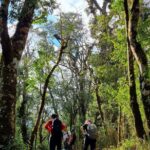
Early on, you’ll get a short chance to see cardamom trees in the small valleys. This isn’t a big formal attraction; it’s one of those “how do people actually make a living here?” details. In a place built on mountain farms, cardamom matters because it’s one of the prized crops. Even a brief look gives you a better lens for what you’re seeing later in the terraces.
Descent toward Suoi Ho: Black Hmong village life
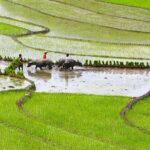
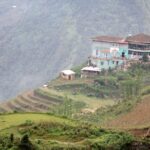
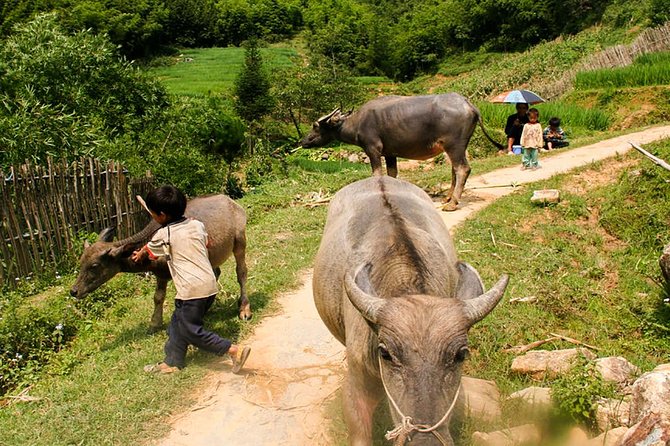
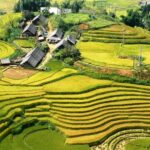
Next, the route takes you down to Suoi Ho, a small village area associated with the Black Hmong community. You’ll see older, small houses and get a closer look at daily life in and around homes. This is also where animal encounters can happen—like water buffalo, plus smaller farm animals such as chickens and pigs, and even dogs you might see moving through household spaces.
Two things make this valuable:
- You’re not only seeing people’s homes from afar; you’re walking through the same valley routes that locals use.
- The guide can connect what you see (farming, animals, house shapes) to the rhythm of the community.
One drawback to keep in mind: village paths can be uneven. If the ground is slick, your footing matters more than speed. If you tend to rush when you walk, force yourself to slow down and plant your feet carefully.
Ta Phin’s cave: a well-known Sapa stop with atmosphere
Ta Phin’s cave is one of the better-known stops in Sapa, and it works as a “reset point” in the day. After walking through rice terraces and village edges, the cave gives you a different kind of texture—cooler air and a sense of Sapa beyond farming rows.
The tour is framed so that Ta Phin isn’t just a quick photo stop. You’re there in the context of the people and the farming valleys around it, which makes it feel less like a random tourist checkbox and more like part of the region’s story. Even if you’re not a hardcore cave fan, it’s a good break from open terrain.
Practical note: if it’s wet, the surfaces and steps around caves can be slippery. Wear shoes you trust. If you don’t, this is the moment you’ll wish you did.
Meeting the people: Black Hmong and Red Dao in one day
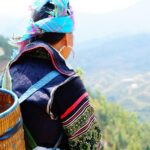
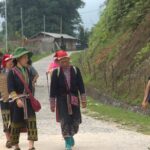
A major selling point here is that you’ll visit two different village areas, including both Black Hmong and Red Dao communities. That’s important because Sapa’s ethnic groups are not interchangeable. You’ll notice differences in village layout, daily work, and the way life organizes itself around the slopes.
What I like about this structure is that it gives you a comparison opportunity without turning it into a checklist. You’re walking in and seeing how each group lives in the mountain environment—farming, household routines, and the way families share space with animals.
In one example from the experience’s guide feedback, guides like Pang have been praised for telling stories about her life as a Hmong minority woman. Another guide named Zhu is also credited with sharing insights about nature and traditions. Even if the guide you get isn’t the same person, the overall value is consistent: the explanation tends to be personal and grounded in daily life rather than only textbook facts.
Rice paddies and mountain views: the best part is the pacing
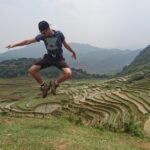
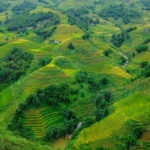
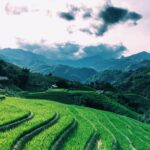
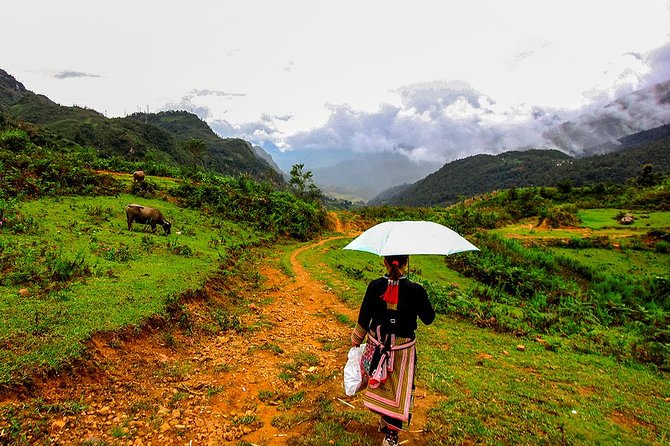
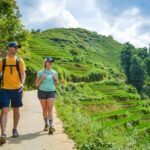
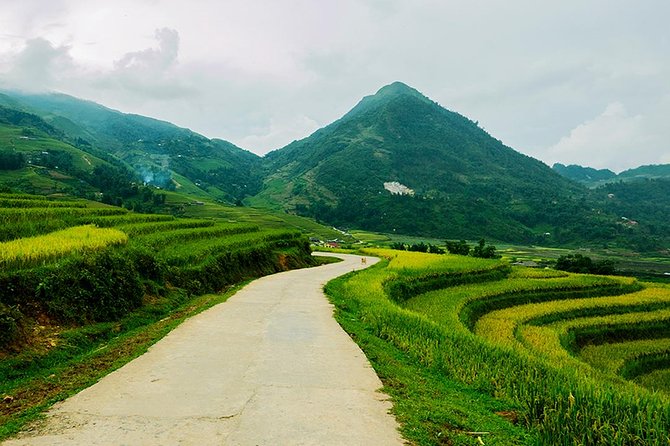
Yes, you’ll see rice terrace views. But the real value is how you see them: in motion, with breaks to notice the details. When terraces line a valley, you often get tempted to stop every few seconds and take photos. That can slow the group down. A smart tour balances viewpoints with walking, and this one generally keeps you moving enough to feel the valley’s rhythm.
Aim to pause where the guide says it’s a safe, stable spot. If you take photos on unstable ground, you’ll spend more energy recovering your balance than appreciating the view.
Also, remember that light in the morning is often more forgiving and clearer. If clouds roll in, don’t despair—terraces still show shape, and mist can make the hills look layered.
Lunch and what’s included (and what isn’t)
Lunch is included and is vegetarian, which is a helpful default if you don’t eat meat or you just want a break from constantly scanning menus. What’s not included is drinks—so you’ll want to bring your own water habits and budget a bit for additional bottled water or other drinks once you reach the restaurant/homestay area.
Your tour also includes 1 small bottle of water. That’s not enough for a full hike if you run hot or sweat a lot, so treat it as a starter, not your entire hydration plan. Pack an extra bottle if you can, unless your guide advises otherwise.
Who this tour is for (and who should skip it)
This tour fits best if you want a real Sapa day: village walking, terraces, animal life, and culture explanations that happen while you’re moving. If you’re the kind of traveler who likes questions—why things are planted, how houses are set up on the slope—this experience gives you plenty to work with.
It may not suit you if:
- You need flat ground or lots of long pauses.
- You’re uncomfortable with uneven trails or potentially slippery slopes.
- You’re expecting a total couch-to-cave stroll. The experience is more “manageable hike” than “light garden walk.”
On the good side, the group size is capped at maximum 2 travelers. That can make the pace easier to manage and the conversation feel more personal.
A note on pace and safety: ask early, not mid-slope
There is one practical lesson worth repeating: when terrain is slippery, pace becomes safety. If you need the group to slow down, say so right away at the start, not after you’ve already stepped onto a difficult section.
If you want a smoother day:
- Tell your guide you prefer a slower rhythm early on.
- Keep your distance on downhill steps so you can react if someone slips.
- Don’t rush photos; stop where the ground is stable.
This is less about being stubborn and more about getting the experience you paid for without turning it into stress.
Timing reality: why this feels like a full morning plus villages
You start at 9:00am and you’ll spend time walking through valley paths and village entry areas, plus time at Ta Phin’s cave. It won’t feel like an “afternoon only” outing. Plan it like a main activity day.
What that means for you: schedule a light evening after. Sapa days can also involve stairs, dinner logistics, and cold air changes. If your legs are tired, you’ll enjoy the rest of your trip more.
How to prepare so the day stays fun
Here’s what helps most people get the best version of this tour:
- Wear shoes with grip (the route can be slippery).
- Dress in layers. Mornings can feel cool at elevation.
- Bring or plan for extra water beyond the included small bottle.
- Expect a moderate effort level, not a lazy stroll.
If you’re sensitive to altitude, keep your early pace gentle. You’ll warm up as you go, and the walk tends to distribute effort rather than turning into one brutal climb.
Final verdict: should you book Sapa Easy Trekking Tour 1 Day?
Book this tour if you want a single-day Sapa plan that includes Ta Phin’s cave, Black Hmong and Red Dao village areas, rice terraces, and the kinds of everyday details that make culture feel real. The price is strong for what’s covered—especially with local guide time, village fees, and an included vegetarian lunch.
Skip it or look for a different option if you want totally easy walking, flat ground, or long rests. And if pace is your concern, you’ll be happiest if you communicate your comfort level from the start and treat footing as the priority.
If you’re a curious walker who likes villages more than viewpoints, this is a very solid way to spend a day in Sapa.
FAQ
What is the duration of the Sapa Easy Trekking Tour 1 Day?
The tour lasts about 5 hours 30 minutes (approx.).
What time does the tour start, and where does it meet?
It starts at 9:00am and the meeting point is Sapa Church, P. Hàm Rồng, TT. Sa Pa, Sa Pa, Lào Cai 333100, Vietnam.
Is lunch included, and is it vegetarian?
Yes. Lunch is included, and it is vegetarian. Drinks are not included.
What does the tour price include?
The listed inclusions are lunch (vegetarian), transport back to Sapa, village entry fees, 1 small bottle of water, and a local guide.
Do I need moderate fitness for this trek?
Yes. The experience is suitable for people with moderate physical fitness.
Is pickup available?
Yes. Pickup is offered, and there is also a mobile ticket option mentioned for the experience.