REVIEW · KATHMANDU
Everest Base Camp trek with Helicopter return 9 days
Book on Viator →Operated by Adventure Master Trek · Bookable on Viator
Nine days, big Everest feelings.
This Everest Base Camp trek with helicopter return is built for people who want the Everest payoff without a long back-and-forth slog. I like the safety-minded setup too: you’ll trek with an experienced guide and get twice-daily altitude monitoring using an oximeter (pulse and oxygen saturation, plus heart rate).
The tradeoff is simple: it’s fast. You’ll spend 7 full days in the mountains, but the schedule is tighter than a slower, longer Everest itinerary, so you’ll want to keep your energy steady and listen to the guide when the route gets steep.
In This Review
- Key highlights at a glance
- Everest Base Camp in 9 days: what this trip actually offers
- Price and logistics: what you’re paying for at $3,888
- Day 1 in Kathmandu: getting set up without chaos
- Day 2: Kathmandu to Lukla, then into the Khumbu rhythm
- Day 3: Phakding to Namche Bazaar via Toktok and Monjo
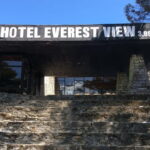
- Day 4: Namche Bazaar rest day and the Everest View Hotel flight hop
- Day 5: Kyangjuma and the steady uphill grind
- Day 6: Tengboche area at sunrise, then rhododendron forest descent
- Day 7: Khumbu Glacier walk and the ridge feeling after Dingboche
- Day 8: Lobuche to Gorak Shep, with steeper rocky steps
- Day 9: Kala Patthar before the helicopter return
- Guides, safety checks, and porter math that make this more doable
- What to expect from the trekking days (and what to watch for)
- Who should book this 9-day Everest Base Camp helicopter return trek?
- Should you book? My decision rule
- FAQ
- How long is the Everest Base Camp trek with helicopter return?
- What difficulty level is it?
- What airport flights are included?
- Is airport pickup included in Kathmandu?
- Are permits and official fees included?
- What health and safety support is included at altitude?
- Do I need my own travel or medical insurance?
- Are meals included during the trek?
- Is visa cost included?
- Is tipping included?
Key highlights at a glance
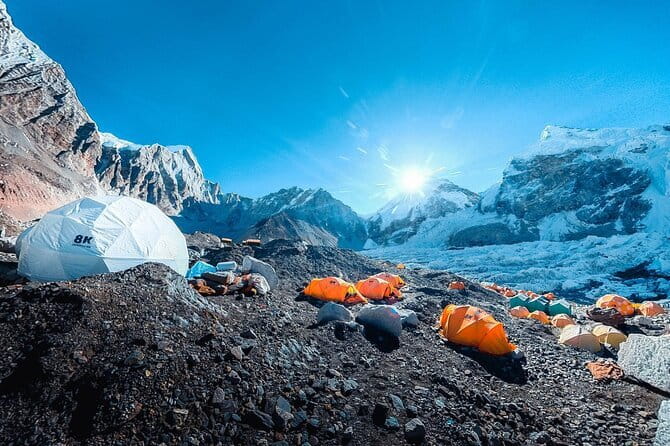
- Helicopter return to save your legs: You’ll fly off from the Gorakshep area, cutting down the hardest part of the round-trip.
- Twice-daily oximeter checks: Oxygen saturation and pulse get checked twice a day, backed by a first aid kit.
- Lukla flight as your daily reality: A short Kathmandu–Lukla flight gets you onto the Khumbu trail system fast.
- A real acclimatization pause: You get a rest day in Namche Bazaar, plus a scenic high-airstrip hop to the Everest View Hotel.
- Wildlife and big air early on: The hike includes rhododendron/magnolia forest sections, with a chance to see musk deer and blue sheep.
- Porter support that’s practical: One porter for every two people helps manage the load so you can focus on walking.
Everest Base Camp in 9 days: what this trip actually offers
This is Everest Base Camp with a built-in time plan. You get 7 full days walking in the Khumbu and then take a helicopter back on the last day, rather than spending many extra days hiking down. That structure matters if you’re short on vacation days, or if you just don’t want to gamble your whole schedule on a slow retreat.
The route also has a clear “ramp up” feel. You gradually climb toward Kala Patthar at 5,644 m (18,519 ft), and once you move above Dingboche (4,410 m / 14,470 ft), the trail becomes more remote and steeper. Translation: you’re not just chasing altitude—you’re stacking it, day after day, until the final views day.
This trek is described as moderate. That doesn’t mean easy. It means you’re guided, supported with porters, and moving on a route that’s demanding but not technical. You’ll still need solid stamina and the ability to keep going when the air gets thinner.
You can also read our reviews of more tours and experiences in Kathmandu.
Price and logistics: what you’re paying for at $3,888
$3,888 per person is a lot of money—so you should look past the headline and ask what parts are doing the heavy lifting for value.
Here’s where your money goes, based on what’s included:
- Flights: Kathmandu to Lukla (and back to Kathmandu), plus the helicopter flight from Gorakshep to Lukla.
- Private ground transfer in a private car: Airport pickup and getting you to/from where you start.
- A guide with support: Guide salary, food, drinks, lodging, transportation, and insurance covered.
- Altitude safety gear: First aid kit and an oximeter used twice daily.
- Permits and official costs: Fees and taxes for the areas you need to enter for the hike.
- Food on the mountain: Breakfast, lunch, and dinner are included across the trek days (listed as 8 each for breakfast, lunch, and dinner).
- Porter support: One porter for two people.
Where the value shows up is in the combination: flights + helicopter + guided climbing + altitude checks + permits + meals. Lots of “budget Everest” options leave major pieces for you to arrange. Here, your plan is assembled end-to-end, which is a big deal when you’re dealing with Lukla schedules, mountain weather, and altitude risk.
What’s not included is also important:
- Visa and your own travel/medical insurance.
- Lunch and dinner in Kathmandu.
- Alcohol and additional drinks in tea houses.
- Hot showers and phone charging (noted as costing roughly $2–$5).
- Tips for the guide, porter, and driver.
So the real question becomes: is paying for helicopter return worth it for your goals? If you want the Everest highlights with less time spent walking and more time seeing, this is a strong fit. If you’re trying to minimize cost above all else, you may want a different style of itinerary.
Day 1 in Kathmandu: getting set up without chaos
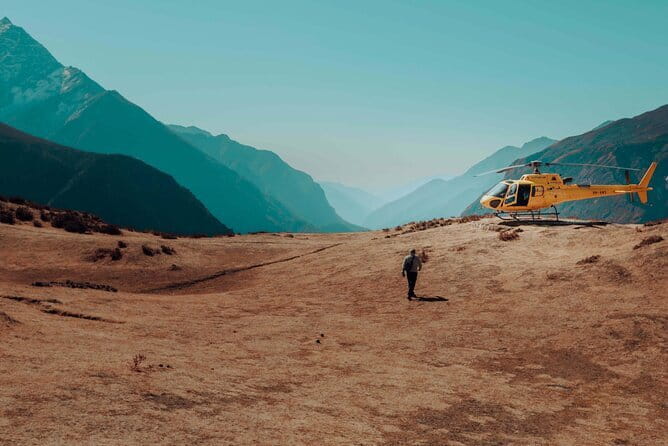
You start with a straightforward arrival plan. An airport team waits at the international terminal, helps with check-in, and carries your bags while you settle into Kathmandu. Then you rest, and you meet the core team.
Why this matters: Kathmandu is often where jet lag and stress pile up. A real pickup and bag support means you can focus on the next day’s flight to Lukla.
Day 2: Kathmandu to Lukla, then into the Khumbu rhythm
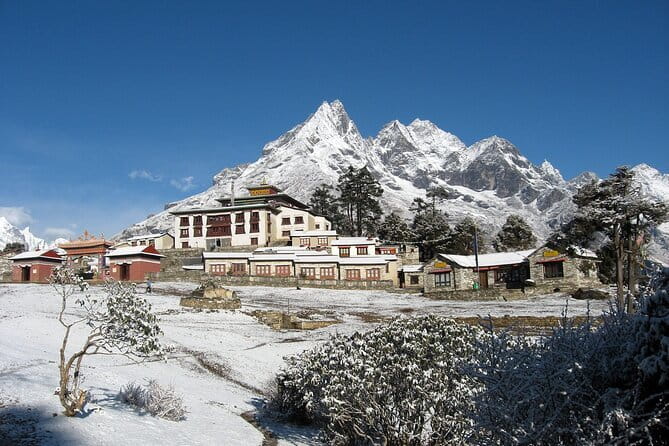
Day 2 is all about getting altitude working for you quickly—but safely and guided. You’ll catch an early flight from Kathmandu to Lukla at Tenzing Hillary Airport. The flight is short, and you’ll get great views along the way.
Once you land, porters join you and you start walking. This matters because your first day’s hike is easier to manage when your load is handled and the schedule is already organized.
Day 3: Phakding to Namche Bazaar via Toktok and Monjo
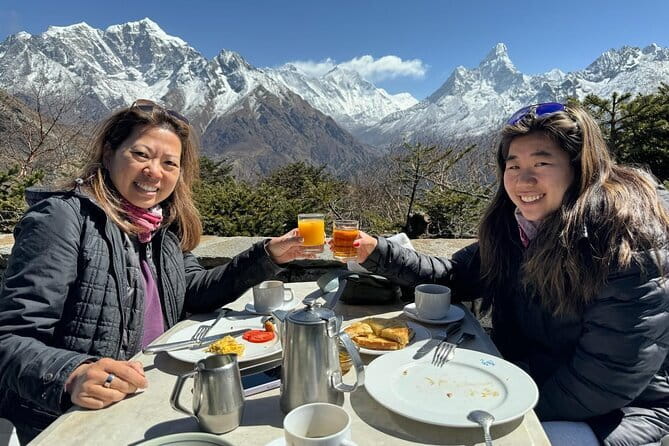
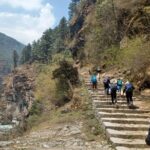
On Day 3, the scenery gets busy in a good way. The path moves through rhododendron and magnolia forests and heads toward Toktok (2,760 m). From there, you connect toward Namche Bazaar, passing Monjo along the way.
A practical detail: the route includes crossing two bridges to get to Monjo from Bengkar Village (2,630 m). In the mountains, small logistics details like this can affect your pace, especially if your energy is still adapting to altitude.
Day 4: Namche Bazaar rest day and the Everest View Hotel flight hop
Day 4 is a rest and acclimatization day—exactly the kind of day you want in an Everest plan. You stay in Namche Bazaar to help your body adjust.
Then comes an acclimatization-style move: you take the Syangboche Airstrip above Namche Bazaar to reach the Everest View Hotel area. This breaks up the day and gives you a high-altitude experience without adding another long climb on foot.
You’ll also visit Khumjung on this day. That’s a nice cultural and visual contrast to the trekking-only rhythm, and it keeps your day from turning into a boring “sit and hope” reset.
Day 5: Kyangjuma and the steady uphill grind
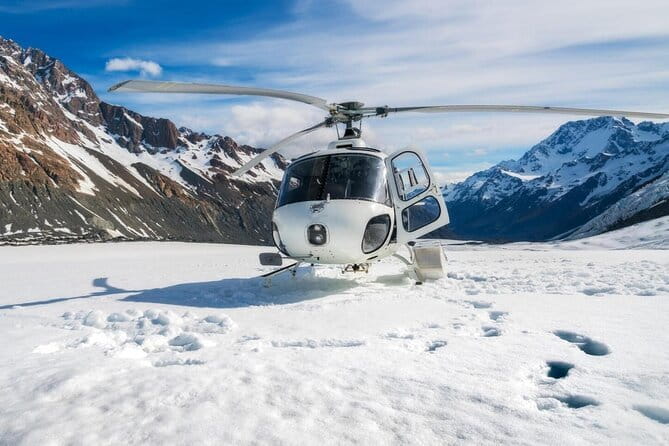
The trail continues upward from Namche Bazaar toward Kyangjuma (3,550 m). The route goes up along green foothills, and you’re treated to amazing mountain views along the way.
The hiking pattern here is typical Everest Khumbu: uphill effort followed by a down-then-up rhythm as the trail connects villages and viewpoints. It’s not just about altitude—it’s about managing your pace so you don’t burn out early.
Day 6: Tengboche area at sunrise, then rhododendron forest descent
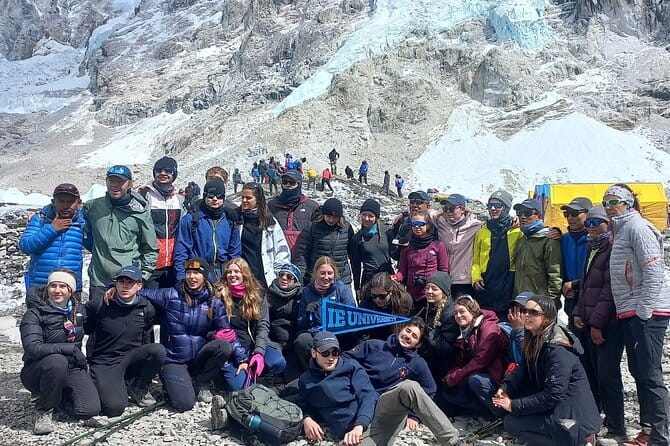
Day 6 starts with an early push to see sunrise from the Tengboche area. That’s a time-of-day perk because clear morning light can make the mountains look unreal.
After breakfast, you leave Tengboche and head downhill through lush rhododendron forest to Deboche (3,320 m). The itinerary also notes a chance to see musk deer and blue sheep. I like hikes that include wildlife odds—small things, but they make the day feel alive instead of purely mechanical.
Day 7: Khumbu Glacier walk and the ridge feeling after Dingboche
This is one of the big walking days. Most of Day 7 is spent walking along the Khumbu Glacier. Leaving Dingboche, you climb through a ridge and then continue with the trail’s gradual changes.
You also get mountain views of Cholatse and Tawache. That’s a good reminder of what you’re actually here for: the glacier walking isn’t just “hard work,” it’s a pathway into the heart of the Everest scenery.
Day 8: Lobuche to Gorak Shep, with steeper rocky steps
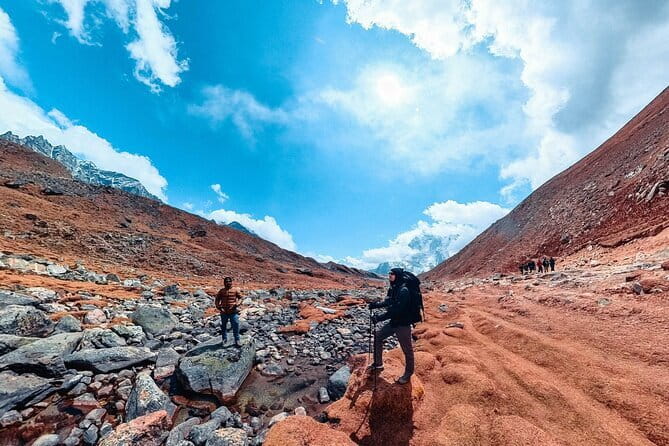
Day 8 is a full-day effort. You leave Lobuche and follow a wide valley upward to Gorak Shep. The route turns rockier and the elevation makes everything feel steeper as the day goes on.
This is also one of those days where the guidance and the pace you keep matter most. When you’re close to the final area, it’s easy to sprint early and suffer later. Better to move steadily and save energy for the view day on Day 9.
Day 9: Kala Patthar before the helicopter return
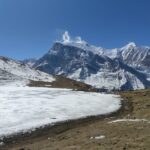
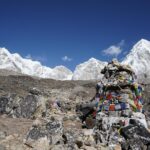
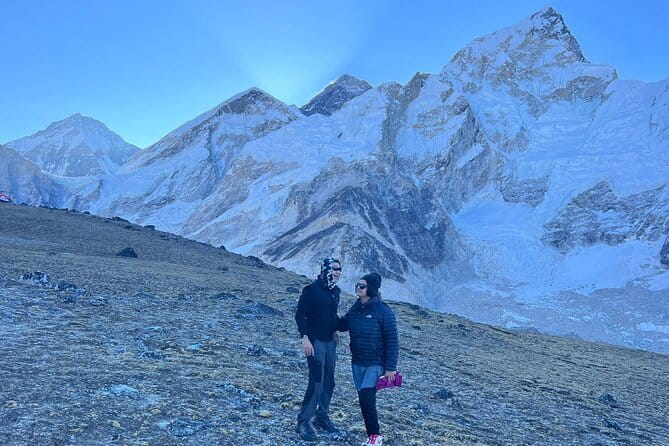
Kala Patthar is the signature payoff in this 9-day plan. You can’t leave the Everest area until you’ve seen the views from Kala Patthar, and the route is described as well-used but easy to follow.
It starts above Gorakshep, so you’re already positioned for the final sunrise and golden-light moment. After you get the views you came for, the trip shifts into the air-based return plan: you’ll take a helicopter flight (included) from the Gorakshep area toward Lukla, and then connect back as part of the overall Kathmandu–Lukla flight routing.
This is the big idea behind the whole itinerary: earn your altitude, then cash it in with a faster descent.
Guides, safety checks, and porter math that make this more doable
I like trips where “moderate” doesn’t mean “you’re on your own.” Here you have:
- An experienced guide (with food, lodging, insurance, and logistics covered).
- A first aid kit in the group plan.
- A pulse/oxygen saturation/heart rate check twice a day using an oximeter.
That’s not glamorous, but it’s exactly what you want when altitude starts messing with sleep and appetite. And it’s a reminder that safety on Everest is about routine, not luck.
Porter support is also handled in a clear way: one porter for two people. That keeps the burden manageable and makes it easier for you to focus on pacing and breathing instead of fighting your pack all day.
One more practical note: your trip includes a completion certificate. It’s small, but it’s a nice souvenir for a hike that’s emotionally huge.
What to expect from the trekking days (and what to watch for)
Even on a “moderate” itinerary, expect:
- Cold mornings in the higher zones, especially when you’re doing an early start.
- Steeper, more remote walking once you get above Dingboche.
- Rocky sections near the end of the trek around Gorak Shep.
Also, you’re trekking in the Khumbu network where tea houses are used for meals and basic services. The cost details matter:
- Tea houses can have hot showers and phone charging, but it costs about $2–$5.
- Alcohol and other cold/hot drinks on trek days aren’t included.
- You’ll want to budget extra for personal snacks if you’re the type who needs something sweet later in the afternoon.
Included meals cover breakfast, lunch, and dinner on the trek days (listed as 8 each), so you won’t be constantly hunting for food. That’s a real energy saver.
Who should book this 9-day Everest Base Camp helicopter return trek?
This trek fits you best if:
- You want Everest Base Camp with limited time (7 full days walking).
- You like having a clear plan and organized logistics from Kathmandu through the last-day flight.
- You prefer guided pacing with altitude checks rather than improvising your way through risk.
It might not be your best match if:
- You want maximum time at each altitude step to slowly acclimatize and wander.
- You’re looking for the cheapest possible Everest experience, because helicopter return and guided full logistics drive the price up.
One thing I also like: it’s a private tour/activity, meaning only your group participates. If you value fewer moving parts, that helps.
Should you book? My decision rule
Book this trek if you want an efficient Everest trip where the hardest “timing” piece is handled for you: Lukla flights plus a helicopter return from the Gorakshep area. The combination of guide support, oximeter checks twice daily, included permits/taxes, and meals included on trek days makes it feel like a managed climb rather than a DIY challenge.
Don’t book it if you’re hoping to stretch this into a long, slow exploration with lots of free time in villages. This itinerary is designed to hit the major points—especially Kala Patthar—then get you back.
If you’re able-bodied with moderate fitness, prepared for altitude, and you want the Everest view payoff without adding weeks to the trip, this is a solid choice.
FAQ
How long is the Everest Base Camp trek with helicopter return?
The itinerary runs about 9 days.
What difficulty level is it?
The Everest Base Camp helicopter return trek is listed as moderate.
What airport flights are included?
The trip includes flights between Kathmandu and Lukla, and it also includes a helicopter flight from Gorakshep to Lukla as part of the return.
Is airport pickup included in Kathmandu?
Yes. You get airport team assistance at the international airport terminal, plus private car ground travel.
Are permits and official fees included?
Yes. The trip includes fees for entering permits you need while hiking, and taxes/official costs paid to the government.
What health and safety support is included at altitude?
A first aid kit and an oximeter are included, and the oximeter checks pulse, oxygen saturation, and heart rate twice a day.
Do I need my own travel or medical insurance?
Yes. Your travel and medical insurance are not included.
Are meals included during the trek?
Yes. The trip includes 8 breakfasts, 8 lunches, and 8 dinners.
Is visa cost included?
No. Visa is not included.
Is tipping included?
No. Tips for the guide, porter, and driver are expected.