REVIEW · MARRAKECH
4 Days: Private Desert Tour from Marrakech to Merzouga & Camel Trek
Book on Viator →Operated by Morocco Getaways · Bookable on Viator
A desert night starts with a valley drive. This 4-day private trip strings together High Atlas mountain roads, UNESCO kasbahs, and the big, famous Erg Chebbi dunes with a camel trek and starlit bivouac.
I really like the mix of major heritage stops and real desert time. You get Aït Benhaddou (UNESCO) plus the rose-and-Dades region, and then you finish where the stars are the main attraction. I also like how much you’re supported by a human guide—people on these tours repeatedly name guides like Mouad, Aziz, Mustapha, Mohamed, and Jalal for keeping everything running smoothly.
One consideration: it’s a lot of time in the car, especially on the long days crossing the High Atlas and heading back toward Marrakech. If you’re sensitive to long drives, this trip takes that stamina seriously.
In This Review
- Key things I’d lock in before you go
- Marrakech to Merzouga in 4 days: what this tour is really like
- Price and value: what $569.11 buys you (and what it doesn’t)
- Day 1 over Tizi n Tichka and into kasbah country
- Todra and Erfoud to Erg Chebbi: the desert transition gets real on Day 2
- Day 3 sunrise dunes, Rissani, and the Draa Valley run toward Ouarzazate
- Day 4 Ounila Valley, Telouet, and the final return to Marrakech
- Why the guides make or break this kind of tour
- Who this tour suits best (and who should think twice)
- Should you book this Marrakech to Merzouga private desert tour?
- FAQ
- How long is the private desert tour from Marrakech to Merzouga?
- Is pickup from Marrakech included?
- Is this tour private or shared?
- What are the main highlights included?
- What is not included in the price?
- Do I need good weather?
- What’s the cancellation window?
Key things I’d lock in before you go
- Private routing from Marrakech keeps stops efficient and avoids tour-bus bottlenecks.
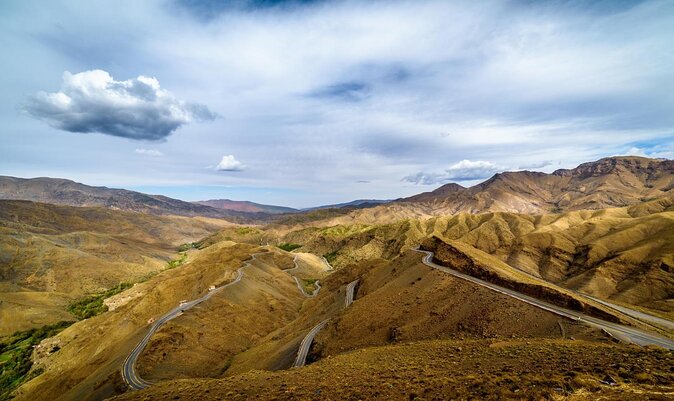
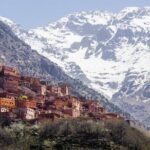
- High Atlas pass views at Tizi n Tichka (2,260m) give you that big change from cities to mountains to sand.
- UNESCO Aït Benhaddou + Taourirt Kasbah let you see why Moroccan architecture became movie-famous.
- Erg Chebbi camel trek with overnight bivouac is the core reason to book this.
- Gorges and oasis stops (Todra, Tinghir area, Draa palms) add variety beyond just dunes.
- Entrance fees are extra, so budget a bit on top for monuments and kasbahs you’ll want to enter.
Marrakech to Merzouga in 4 days: what this tour is really like
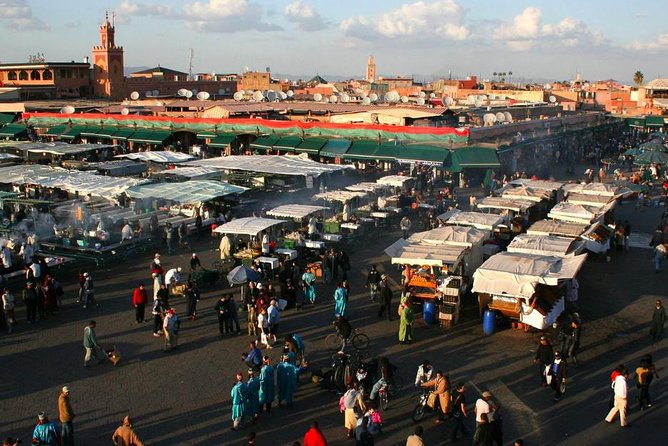
This tour works because it doesn’t treat the desert like a one-off stop. It builds toward it. Day by day, the terrain changes: Marrakech’s energy, then the mountain passes, then earthen kasbah towns, and finally the Sahara edge at Merzouga.
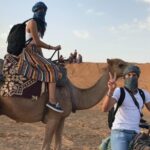
What makes it feel worthwhile is that the desert part is not rushed. You don’t just drive past dunes and call it done. You ride camels with Berber camel handlers and spend the night in a nomad-style bivouac under a sky full of stars. That’s the moment your photos stop looking “touristy” and start looking like you actually lived the day.
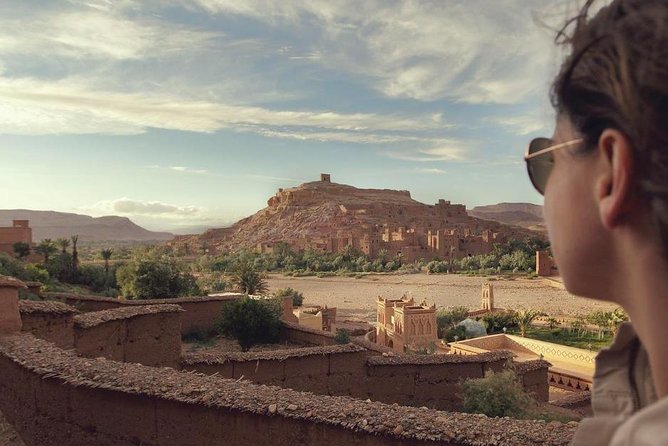
The other strong point is the heritage pacing. You see Aït Benhaddou—famous on screen for movies like Lawrence of Arabia, Gladiator, and The Last Temptation of Christ—but you also have time to walk the maze of passageways and reach the fortified granary at the top for views over the valley. And later, you pair that with Taourirt Kasbah, a sprawling citadel with a near-labyrinth feel, linked to the powerful el Glaoui clan.
Still, manage expectations. This is not a “slow travel” itinerary. It’s a drive-and-see program designed to maximize Morocco’s variety in a short window.
You can also read our reviews of more tours and experiences in Marrakech.
Price and value: what $569.11 buys you (and what it doesn’t)
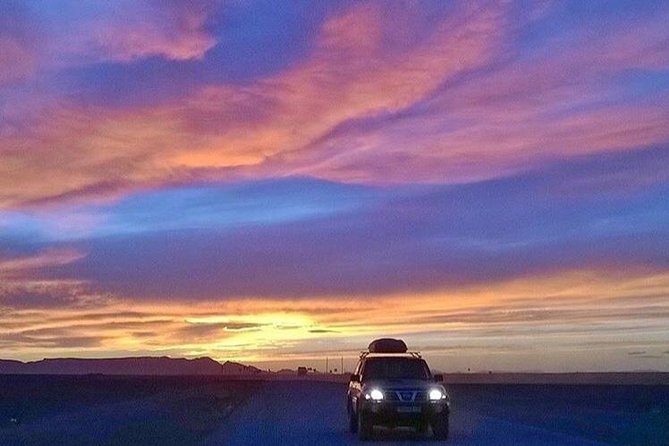
At $569.11 per person for about 4 days, you’re paying for the big-ticket parts: private transport from Marrakech deep into the desert zone and back, plus the desert camel trek and overnight bivouac with dinner and breakfast.
The value hinges on what’s private and what’s shared. This is a private tour—only your group participates—so you’re not waiting on other people to get ready or stuck in long pickup lines. For many travelers, that’s what makes the price feel justified: your schedule stays yours.
Also important: entrance fees are not included. The tour notes that monuments, studios, and kasbah entry fees are extra. So while the tour provides access and stops, you’ll still want a small budget for tickets once you arrive at specific sites like kasbahs.
Drinks, snacks, and additional meals can also cost extra. The itinerary explicitly includes dinner and breakfast for the Erg Chebbi night, but it doesn’t promise every meal elsewhere—so plan to top up as you go.
If you want the main highlights packed into 4 days—High Atlas pass, UNESCO kasbah, Todra gorges, Erg Chebbi dunes, and camel night—this price looks like a fair match.
Day 1 over Tizi n Tichka and into kasbah country
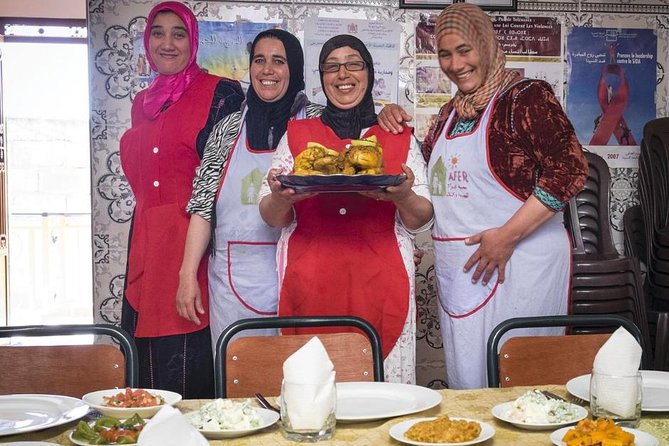
Day 1 is about getting you above it all, then dropping you into Morocco’s earthen architecture.
First comes Tizi n Tichka, a high mountain pass at 2,260m linking Marrakesh to Ouarzazate through the High Atlas. The best payoff here is timing and attitude. If you treat the pass like a quick drive-through, you’ll miss it. Plan for stop-and-look moments when the views open up.
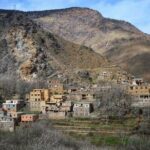
Next is Aït Benhaddou, UNESCO-protected and built as a major fortified kasbah complex made up of six kasbahs. It’s the kind of place where you’ll naturally slow down—winding streets, high walls, and sightlines that make the architecture feel built for defense. It’s also movie-famous, so you’ll likely spot the same angles you’ve seen on screen, but the lived-in reality is the real point.
Then you move to Taourirt Kasbah. This one is not small. It’s described as having almost 300 rooms and a maze of passageways and steps. Even if you don’t chase every corridor, it’s impressive to walk around and feel how power was expressed through architecture and layout. It’s a reminder that Morocco’s kasbahs weren’t just scenic backgrounds; they were systems for living, trading, and controlling routes.
After the kasbah dose, the day adds a softer, sensory break: Vallee des Roses. Rose water comes from distilling rose petals, and in the Dades region the harvest is celebrated in Kelaat Mgouna each year. You may not time your visit to the festival, but you do get the idea: this valley is agricultural heritage, not just a photo stop.
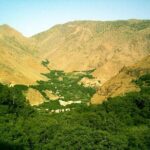
The day closes in Boumalne Dades, within the Dades Valley—green by the Dades River, framed by rocky formations rising from the valley floor. This is where the program’s “crazy rock formations” may appear when you’re in the Dades area, including the strange Monkey Fingers formations, plus the hairpin road views that sit at the heart of the Dades Gorge experience.
Drawback to keep in mind: Day 1 is long. If you’re prone to motion sickness, bring what works for you before you hit the winding roads.
Todra and Erfoud to Erg Chebbi: the desert transition gets real on Day 2
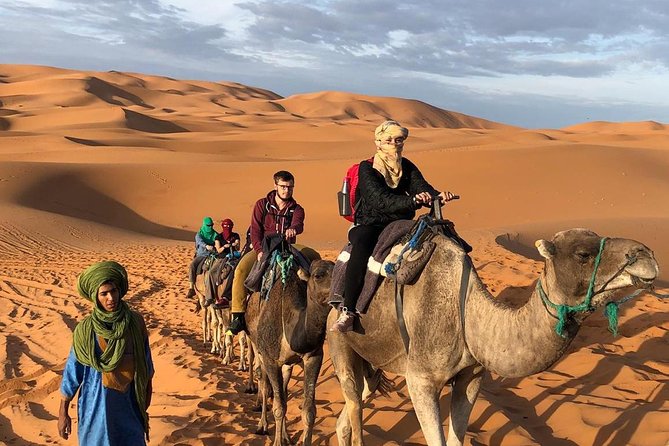
Day 2 is the hinge day—the one that turns the trip from culture-and-canyon into sand-and-sky.
You start near Todra Gorges (near Tinerhir). These are limestone canyon walls carved by the Todgha River, and some sections can be very high. The gorges are dramatic because the cliffs close in and guide your attention straight up. Even a short visit feels powerful because you’re seeing the rock work of time and water.
From there, the route heads toward Erfoud, described as built in the early 1900s by the French as an administrative headquarters, with red sand and lime in its buildings. Erfoud also connects you to Merzouga’s wider desert region and adds two practical textures to the trip: palm groves for respite and a fossil-and-marble story.
The fossil angle matters because it changes how you see the desert. The Sahara’s dunes formed after the region was submerged underwater long ago, and fossils are part of what people search for around this zone. It’s not just pretty sand; it’s geology with a timeline.
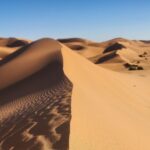
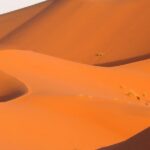
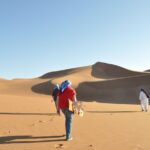
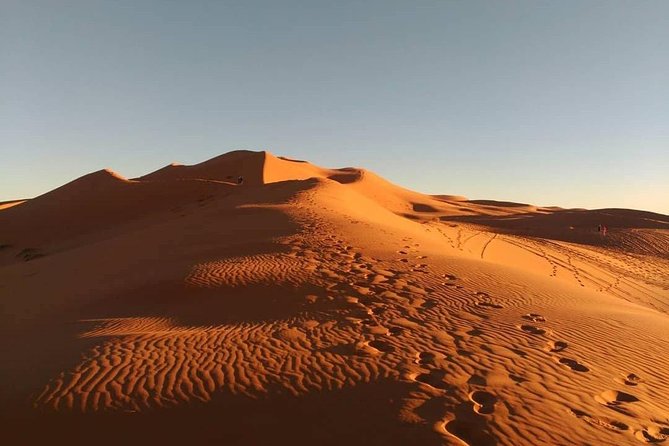
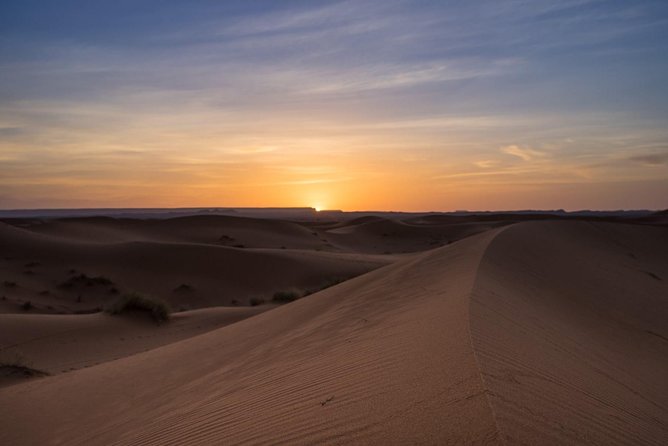
Then comes the big moment: Erg Chebbi. This is one of Morocco’s two major ergs (vast dune fields), with sweeping dunes reaching about 525 feet in height. It’s also a movie location, including The Mummy and Sahara, but what you’ll feel in person is the scale and the silence when the sun starts to drop.
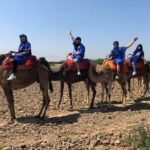
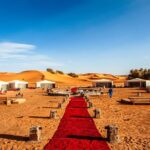
This is also when you shift from vehicle comfort to desert rhythm. The tour notes dinner and breakfast with your overnight at the desert bivouac, and the camel trek is part of the experience of reaching and leaving the camp. That’s the right way to do dunes: on two legs, with a camel assistant guiding the pace, rather than only from a car window.
Tip that actually helps: when you stop taking photos and just stand still, the desert becomes the attraction. The night and dawn are the payback for the drive.
Day 3 sunrise dunes, Rissani, and the Draa Valley run toward Ouarzazate
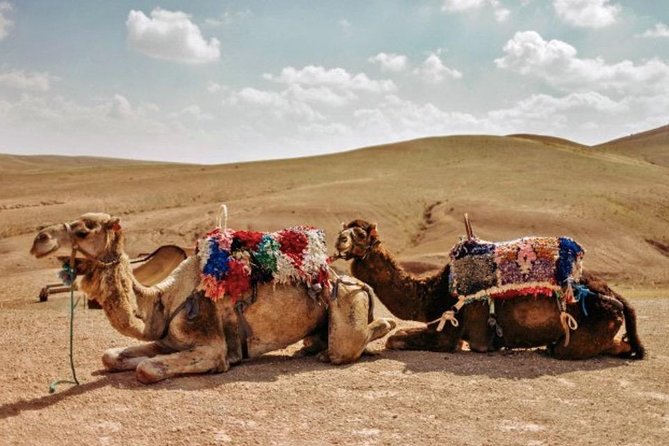
Day 3 starts with the desert at its best hour: early. You’ll wake up for a desert sunrise, then have a relaxed breakfast and shower. After that, you ride the camels back so your driver can be waiting for the next stage.
From the dunes, you head to Rissani, an ancient town near the Erg Chebbi region and the closest significant town of size in this area. Rissani is tied to the Alawite dynasty and to Moulay er Rachid. Even if you only spend a short time here, it gives context for how trade and power moved through the desert-edge towns.
Next, the route can include a fossil-focused stop area around Alnif, described as an oasis and a basin known for collecting trilobites. This is for people who like that extra layer—when the desert has multiple stories, not just sand.
Then the itinerary leans hard into oasis living with the Oued Draa Valley. The Draa runs through Berber villages and kasbahs with palm lines, lush plains, and Atlas views in the distance. Historically, the river once crossed the desert and traveled hundreds of kilometers west. Today, much of it is dried, but the route of the river still shapes the people and the settlement patterns along it.
After that, you reach Ouarzazate, often called a filming hub for movies such as Cleopatra, Kundun, and Gladiator. One specific name you might hear on this route is the Palace of Glaoui, associated with the Glaoui family. The tour description says the family built it as the last ruling family’s statement of power and that they never lived there. That detail is a great reminder that elite architecture can be theater as much as shelter.
You end Day 3 with an overnight in Ouarzazate with dinner and breakfast noted for this stop.

Day 4 Ounila Valley, Telouet, and the final return to Marrakech
Day 4 is the “bridge back” day. It’s not just getting you home; it’s showing you another way the region connected Morocco.
First comes the Ounila Valley. This valley connects the Tizi n Tichka pass to Aït Benhaddou and was historically a main thoroughfare for trans-Saharan trade routes between Marrakesh and sub-Saharan Africa. Today, you see that history in the numerous crumbling kasbahs and ksar dotted along the way. Even short stops feel meaningful because you’re looking at the remains of an old logistics network.
Then you visit the Kasbah of Telouet, also linked to the Pacha Glaoui. The description notes the harem and reception hall areas that show former luxury, with Andalusian-style decoration. This is one of those sites where you can imagine court life and travel life meeting at the same door.
The day ends with drop-off back in Marrakech at your accommodation or the airport.
Practical point: since this is your last day, keep your energy for the final drive and last site. The long loop is the point of the trip, and Day 4 is usually when people feel it most—tired, but satisfied.
Why the guides make or break this kind of tour
With a trip like this, you’re not just buying driving and sights. You’re buying someone to translate the rhythm of the route.
The reviews you shared repeatedly credit guides and drivers—names like Mouad, Aziz, Mustapha, Mohamed, and Jalal—for organization, support, and friendly energy. That matters because Morocco’s rural sections run on local relationships: the handoffs between driver, camel team, and site timing can feel smooth when the guide is strong.
What to look for when you’re booking: ask if your guide speaks the language you need, and confirm what you’ll do if the desert night conditions aren’t ideal. The tour itself notes that the experience requires good weather, and if it’s canceled due to poor weather you’ll be offered a different date or a full refund. That’s not just legal language. It’s about protecting the part you actually came for.
Also, if you like flexibility, the reviews included examples of people requesting special touches and getting them added without drama. That’s a good sign for a private format like this.
Who this tour suits best (and who should think twice)
This tour is a strong match for:
- Couples and friends who want a private route and don’t want to share your desert schedule.
- Families with kids who can handle early starts and long driving days, especially if you want one trip to cover mountains, heritage, and dunes in one package.
- Culture + outdoors travelers: you get kasbah walking, gorge visits, oasis driving, and camel-time in sand.
Think twice if:
- You hate long car days. The route is efficient, but it’s still long.
- You only want a minimal driving itinerary and prefer to base yourself and do shorter day trips.
If you’re the type who enjoys changing scenery every few hours, you’ll love how this works. The itinerary is built like a slow unfolding of Morocco’s different faces.
Should you book this Marrakech to Merzouga private desert tour?
I’d book it if you want a classic Marrakech-to-desert story done with private comfort and a real desert night. The combination is the draw: Tizi n Tichka for altitude views, Aït Benhaddou for UNESCO architecture, Todra for canyon drama, and then Erg Chebbi for dunes plus camel trek and starlit bivouac.
I would not book it if you’re mainly chasing a relaxed, stay-put vacation. This is action. It’s road time. But the payoff is that you leave with Morocco feeling bigger—more textured—than you expected.
FAQ
How long is the private desert tour from Marrakech to Merzouga?
It’s about 4 days (4D/3N), with overnight stays during the route and an overnight in the Erg Chebbi area.
Is pickup from Marrakech included?
Yes, pickup is offered.
Is this tour private or shared?
It’s private. Only your group participates.
What are the main highlights included?
The tour includes the Tizi n Tichka pass, Aït Benhaddou (UNESCO), Taourirt Kasbah, rose valley/Dades region stops, Todra Gorges, travel through the Merzouga/Erg Chebbi dunes area, and a camel trek with an overnight in a desert bivouac.
What is not included in the price?
Entrance fees to monuments, studios, and kasbahs are not included. Flights to and from Morocco, personal travel insurance, and extra drinks/snacks/additional meals are also not included.
Do I need good weather?
Yes. The experience requires good weather. If it’s canceled due to poor weather, you’ll be offered a different date or a full refund.
What’s the cancellation window?
You can cancel up to 24 hours in advance for a full refund. If you cancel less than 24 hours before the start time, the amount paid is not refunded.