REVIEW · MARRAKECH
Climb Mount Toubkal – trekking – 3 days
Book on Viator →Operated by Toubkal Guide · Bookable on Viator
Toubkal is a hike that feels earned. This 3-day trek from Marrakech to North Africa’s highest peak blends valley walking, real mountain altitude, and that big open-sky reward you came for—plus a team handling route, pace, and logistics so you can focus on the climb.
I especially like the hotel pickup/drop-off that gets you out of Marrakech early and keeps the day simple. I also like that meals and overnight stay are included, with mules carrying your gear and a cook making proper hot food on the trail so you don’t run your energy on guesswork.
One thing to consider: the summit day is tough. Even if the walking route feels straightforward at times, scree and altitude can slow you down, so you’ll want a moderate fitness base and patience with the climb.
In This Review
- Key highlights worth your time
- Marrakech to Imlil: why this route works (and what you’re walking through)
- Day 1 stop at the refuge: your first altitude lesson
- Day 2 on Jebel Toubkal: the summit day you train for
- The retrace matters: plan for the return
- Day 3 back down to Imlil: finish strong, not smashed
- What I think makes this 3-day format good value
- What’s included (and what you’ll pay for yourself)
- Comfort and pace: the hidden win of guided trekking
- Who this trek suits best (and who should think twice)
- Should you book this Mount Toubkal 3-day trek?
- FAQ
- Where does the Mount Toubkal trek start and what time?
- Is hotel pickup and drop-off included?
- What meals and drinks are included?
- Where do you sleep during the trek?
- What is the minimum age for the tour?
- Is this a private tour?
Key highlights worth your time
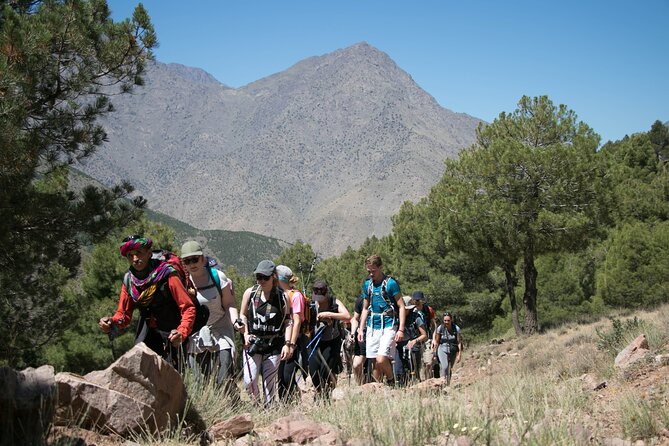
- Easy start in Marrakech with pickup and return so you’re not figuring out local transport on tight mountain timing
- Mules carry your gear, which makes a huge difference on a 3-day route where your legs are already doing the work
- Refuge nights and full meals keep you fueled, including lunch and dinner on summit day
- A sunrise-style summit push (when conditions allow) that turns the High Atlas into a huge horizon
- Guides who manage pace and safety, with support you can rely on, from Mohamed Tsioi to Ibrahim Agafay and others
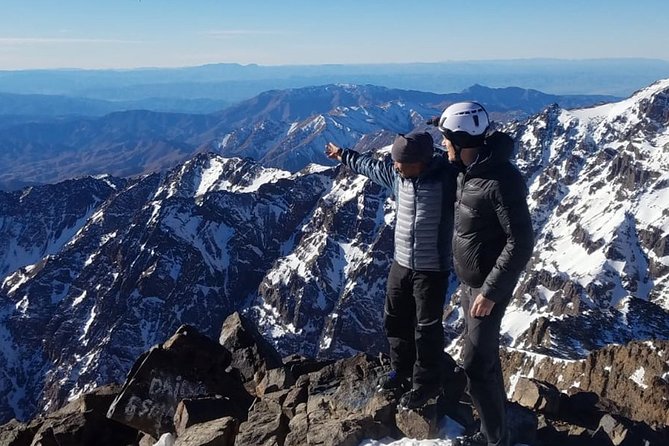
- Big views from Jebel Toubkal on clear mornings—out toward the Marrakesh Plain, High Atlas, Anti-Atlas, and even farther south
Marrakech to Imlil: why this route works (and what you’re walking through)
This trip is built for people who want the famous Mount Toubkal summit without turning it into a DIY logistics project. You start in Marrakech at 8:00 am near Jemaa el-Fna, then head toward Imlil, the gateway village for the High Atlas. The transfer time matters because mountain timing is real here. You don’t want to be late on the day you’ll want an early summit push.
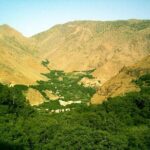
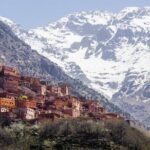
Once you reach Imlil, your trek begins in the Mizane Valley. Day 1 isn’t about speed. It’s about settling into the rhythm of valley paths that gradually lift you higher. You pass Aremd village, then head toward the shrine of Sidi Chamarouch. That shrine shows up early enough to remind you this is still Morocco in daily motion—local pilgrims and practical life mixed right into the trail story.
You’ll also notice the route type changes as you climb: mule tracks, rocky edges above the valley, and river crossings. The walking can feel uneven underfoot, especially where the trail trends across higher cliffs. But that’s part of why I like Day 1 on this style of itinerary: you’re moving from village terrain up into the high mountain world in a way that makes tomorrow’s summit attempt feel connected, not random.
You can also read our reviews of more tours and experiences in Marrakech.
Day 1 stop at the refuge: your first altitude lesson
You end Day 1 at a refuge around 3206 m after steady climbing up toward the snowline. This is a smart setup for a 3-day program because it gets you to meaningful altitude before the summit day. You’re not sleeping at sea level, so you’re not starting tomorrow’s climb completely cold.
Meals and rest are included (B/L/D), and you’ll have bottled water provided. In real terms, that means you can keep your decisions simple: eat when meals come, drink what’s offered, and focus on walking technique instead of ration math.
Day 2 on Jebel Toubkal: the summit day you train for
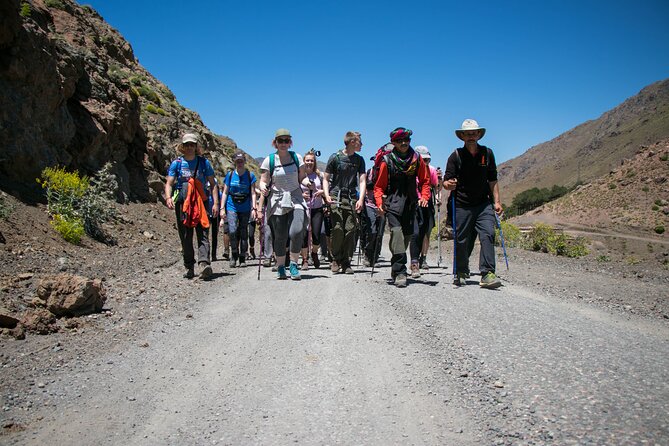
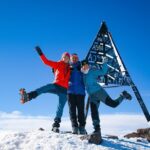
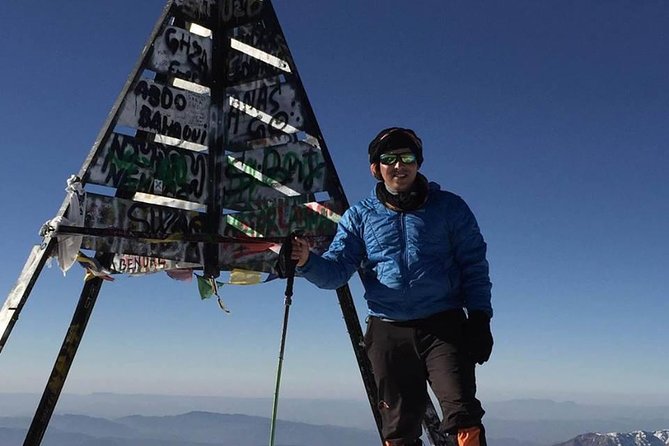
Day 2 starts with an early attempt on Jebel Toukbal (Jebel Toubkal), the highest peak in Northern Africa. The official summit height used on this route is 4167 m, and that number becomes very real once you’re above the refuge and heading into the higher cirque.
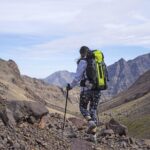
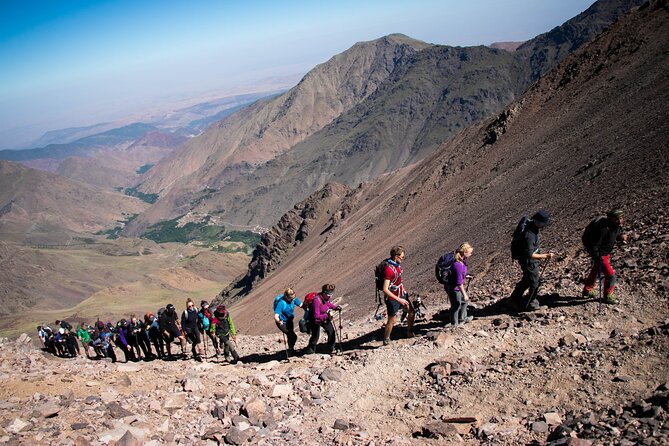
Your route goes up the south cirque, crossing a stream above the refuge. This day often sounds straightforward in theory—walk up, reach the top, come down—but the mountain doesn’t read guidebooks. The big challenges here are scree and altitude. Scree can turn every step into a tiny negotiation with your footing, especially when your legs start to tire. Altitude can slow your breathing and make the last push feel longer than you expected.
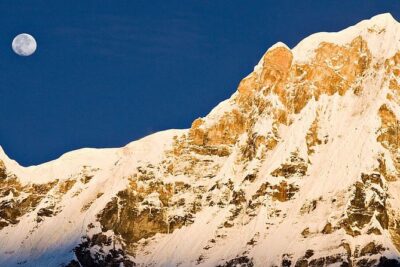
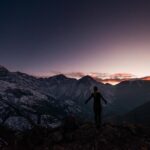
The upside is that the views begin to pay you back well before the summit. As you gain height, you start seeing the High Atlas stretch in wide directions. When you reach the top, the view is described as unrestricted in every direction—from the Marrakesh Plain and High Atlas to the Anti-Atlas and as far south as the Sahara on clear days.
The retrace matters: plan for the return
After the summit, you retrace your steps back to the refuge and spend another night there (B/L/D again). That return is not just “easy walking.” Descending scree can be rough on knees and can feel mentally draining. Having an experienced guide with you helps because they manage pacing and route choices so you keep moving without rushing.
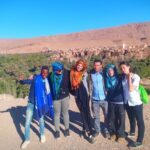
I also like that this trip is set up as a group trek with a local guide from start to finish. That means you’re not constantly stopping to interpret terrain. And from what I’ve seen in the guide stories people share—names like Mohamed Tsioi / Mohamed Tsiou, Ibrahim Agafay, Hamed, and Mustafa come up often—guides tend to focus on safety and steady progress, not showy pace.
Day 3 back down to Imlil: finish strong, not smashed
Day 3 is a reversal, heading back toward Imlil, then transferring to Marrakech. The main goal here is to end the mountain part of the trip with enough energy to actually enjoy your final hours in Morocco rather than dragging yourself around in pain.
You’ll have breakfast and lunch (B/L) included on Day 3. That’s a nice practical touch because you’ll likely still be using calories to recover your body. It also helps if you want to eat well in Marrakech after you get back to the meeting point near Jemaa el-Fna.
What I think makes this 3-day format good value
A lot of people wonder if 3 days is “enough” for Toubkal. It’s enough if you’re realistic about what the summit day demands and you go in with moderate fitness. You do get an overnight at high altitude (refuge around 3206 m), which helps. You also get mules carrying gear, a guide managing the route, and meals provided—so you’re not spending energy on logistics.
That support is a big part of the value, especially at $337.31 per person for 3 days. You’re paying not just for walking, but for the whole mountain machine: local guidance, food planning, and the fact that you won’t be dragging a heavy pack up 4000-meter terrain. Group discounts and a private structure for your party add to the comfort and predictability.
What’s included (and what you’ll pay for yourself)
This trek includes the big-ticket items that usually blow up your budget when you DIY.
Included:
- Overnight accommodation (with the main mountain night at the refuge)
- Meals as listed: breakfast, lunch, dinner where provided
- Local guide throughout
- Hotel pickup and drop-off
- Bottled water
Not included:
- Drinks (so plan on buying water beyond what’s provided, plus any sodas/tea/coffee you want)
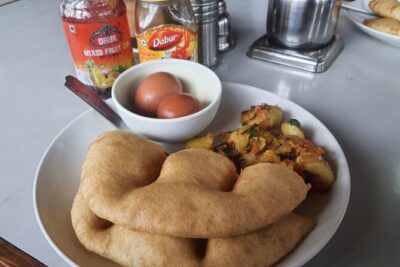
I’d treat this like a “meals are handled” style trip. People often talk about the food with real affection—things like tajines, couscous, rice, and pasta being cooked in the mountains—so you’ll likely feel better fed than you’d expect on a summit trek. Still, don’t assume drinks are covered. Pack a plan for what you drink during breaks.
Comfort and pace: the hidden win of guided trekking
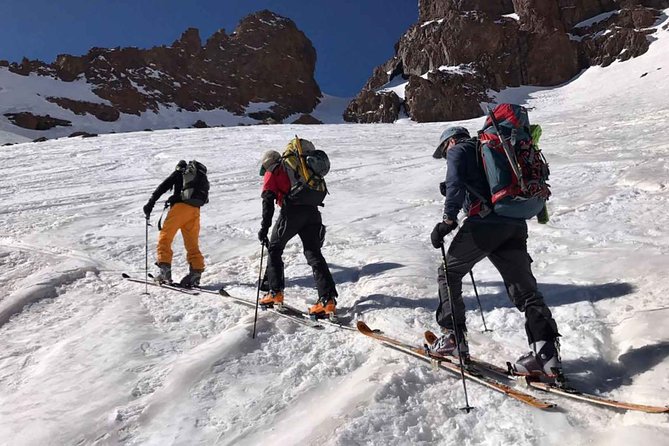
This isn’t a “race to the top” kind of program. The whole structure encourages you to take your time. You’ll walk with your group and guide the whole way, so your pace is managed in a way that helps beginners and intermediate trekkers keep moving without falling too far behind.
One very practical detail: your gear goes with you via mules, so you can keep your pack lighter than what many unassisted trekkers end up carrying. That’s the difference between finishing the day with a tired but functional body versus arriving at the refuge feeling wrecked.
Also, expect that your guide is doing more than telling you where to step. The best guides manage:
- how often the group stops
- what the trail conditions demand
- when it’s worth pushing versus conserving
- and safety when weather or footing gets tricky
From the guide stories shared by previous hikers, that kind of attentiveness shows up again and again in the names mentioned—like Mohamed Sarkuzi, Hassan, and Karima in coordination roles—so you’re not just getting a route map. You’re getting on-the-ground decisions.
Who this trek suits best (and who should think twice)
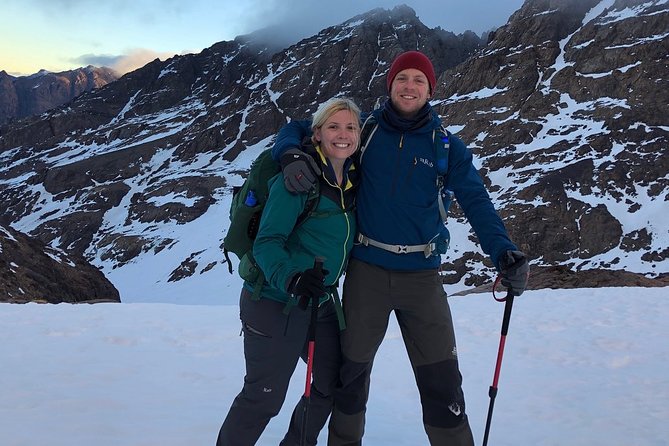
This Mount Toubkal trek fits best if you:
- want a guided summit attempt without handling permits, logistics, or meal planning yourself
- have moderate physical fitness and are okay with steep sections, scree, and altitude
- like getting off the beaten Marrakech circuit and spending real time in Imlil and the Atlas villages/shrines
- care about comfort basics like meals, overnight stay, and water support
You might think twice if you:
- hate uneven footing and knee strain on descents
- expect a relaxed walk up to a 4000+ meter summit
- aren’t comfortable with the idea that the summit day can feel hard even when the route isn’t technical
The trip is best seen as a challenge with strong support, not a casual nature stroll.
Should you book this Mount Toubkal 3-day trek?
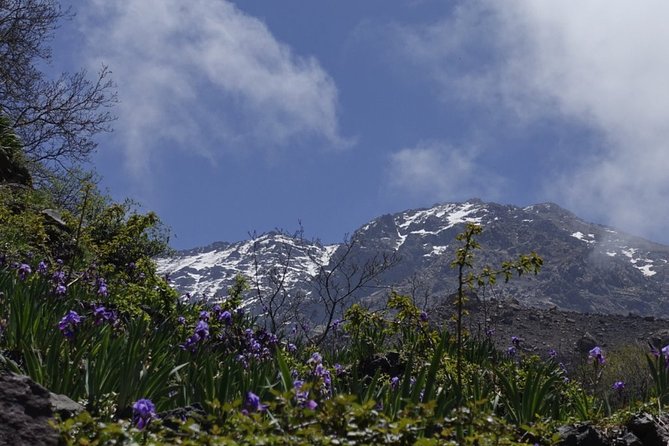
If your goal is to climb Mount Toubkal with hotel pickup, meals included, and a guide handling the mountain side of things, I’d say this is an easy yes. The $337.31 price makes more sense when you factor in food, overnight support, bottled water, and the mule-carried gear that saves your body for the climb.
Book it if you can handle a summit day that’s tough due to scree and altitude, and if you want the reward of wide views from the top at 4167 m. It’s also a solid choice if you like the idea of traveling as a group with local guidance—especially if you’ll take comfort in seeing that guides like Mohamed Tsioi, Ibrahim Agafay, Hamed, Mustafa, and others are known for pacing and care.
Wait or choose another option if you’re expecting an easy hike, or if you’re not comfortable with high-altitude exertion. In this trip, the effort is real. The payoff is real too.
FAQ
Where does the Mount Toubkal trek start and what time?
The experience starts at Jemaa el-Fna, Marrakech 40000, Morocco at 8:00 am. It ends back at the meeting point.
Is hotel pickup and drop-off included?
Yes. Hotel pickup and drop-off in Marrakech are included, which makes it easier to start the trek on time.
What meals and drinks are included?
Meals are included as listed: breakfast, lunch, and dinner depending on the day (B/L/D). Bottled water is provided. Drinks are not included.
Where do you sleep during the trek?
You get overnight accommodation during the trip, including a night at the mountain refuge after Day 1 and another night at the refuge after Day 2.
What is the minimum age for the tour?
The minimum age is 12 years.
Is this a private tour?
Yes. It is listed as a private tour/activity, meaning only your group will participate.