REVIEW · SA PA
From Sapa: Terrace Fields and Local Villages Trek with Lunch
Book on GetYourGuide →Operated by Vietnam Real Tour · Bookable on GetYourGuide
Rice terraces start before the first step.
This Sapa outing blends terraced fields with local hill villages, guided by an English-speaking ethnic minority local who explains day-to-day life, not just photo spots. You’ll walk a non-touristy route through working fields, then pause for a village lunch that tastes like the region, not a tourist menu.
One thing to plan for: if fog or rain hits, paths can get slippery and the walking can feel physical. It’s still a great value trip, but it’s not a stroll.
In This Review
- Quick Hits You’ll Feel on Day One
- Meeting Your Guide in Sapa Town (And Why That First Stretch Matters)
- Hiking Beyond Sapa: Terraced Rice, Corn, and Potato Fields
- Lai Chai Village and Sapa’s Ethnic Minority Life
- The Waterfall Pause: Where You Catch Your Breath (and Photos)
- Lunch at a Local Restaurant: What’s Included (and What’s Not)
- How Hard Is This Really? Terrain, Timing, and Slippery Trails
- Price and Value: What $22 Buys You in Real Terms
- Who Should Book This Trek (and Who Might Skip It)
- Should You Book This Sapa Terrace Fields and Local Villages Trek?
- FAQ
- How long is the trek?
- What time does hotel pickup start?
- Is lunch included?
- Are village entry fees included?
- What language is the guide?
- Is the tour suitable for wheelchair users?
- Can I cancel and get a full refund?
Quick Hits You’ll Feel on Day One
- Hotel pickup with a 30–45 minute stagger as the guide walks hotel to hotel through Sapa town
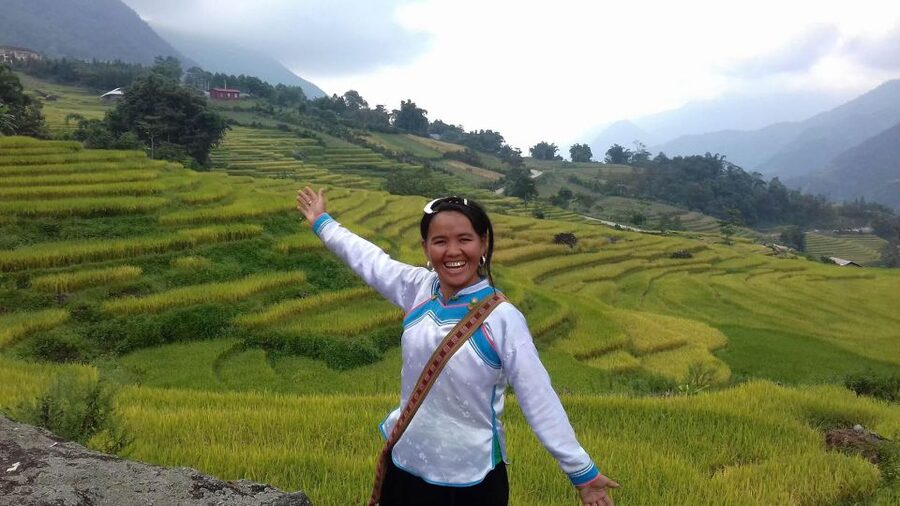
- Rice terraces plus corn and potato fields on a route meant to feel more local
- Lai Chai village on the tribal hill, where your guide shares customs and habits
- A waterfall stop for photos and a breather along the way
- English-speaking local ethnic guide who can answer real questions
- A shuttle bus back to Sapa after lunch, so you don’t have to think about transport
Meeting Your Guide in Sapa Town (And Why That First Stretch Matters)
The day starts with hotel pickup in Sapa town between about 8:00 and 8:45am. The guide doesn’t drive up to every door—instead, they walk through the town to collect guests one by one. Expect the pickup window to stretch 30–45 minutes depending on where your hotel sits.
I like this approach because it gives you quick context. You’re not dropped into “tour mode” immediately. You get to see how Sapa town works before you leave it behind—shops, sidewalks, and the general rhythm of the place.
If you’re the kind of traveler who hates waiting around, bring patience. This is a small-group style day where the timing depends on the pickup circuit, not a precise minute-by-minute schedule.
You can also read our reviews of more tours and experiences in Sa Pa.
Hiking Beyond Sapa: Terraced Rice, Corn, and Potato Fields
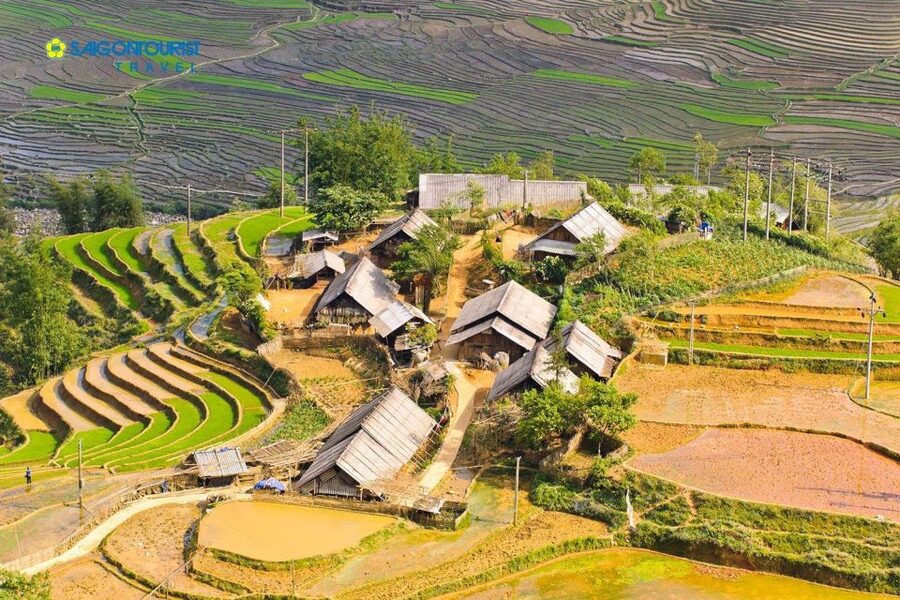
After you meet your guide, you’ll start trekking through Sapa town briefly, then head out toward the fields. The route is designed to go through working terraces—not just one viewpoint after another.
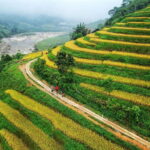
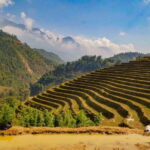
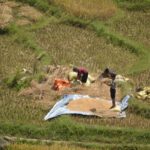
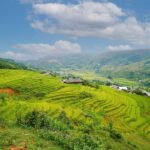
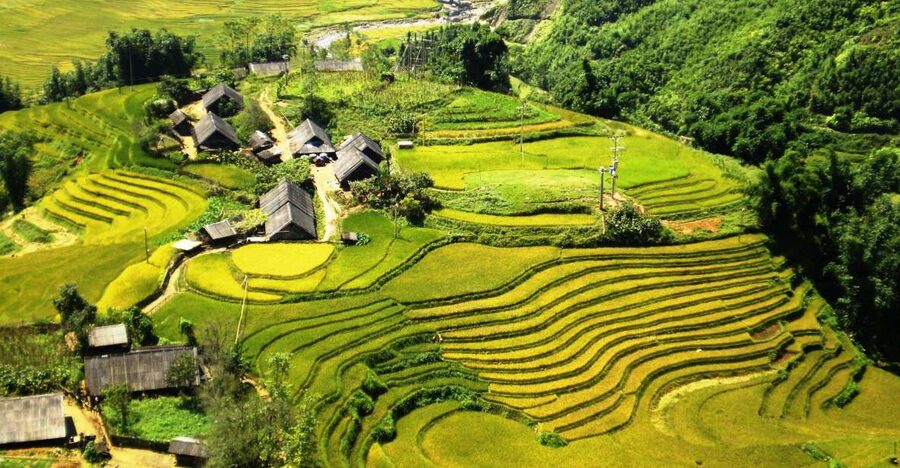
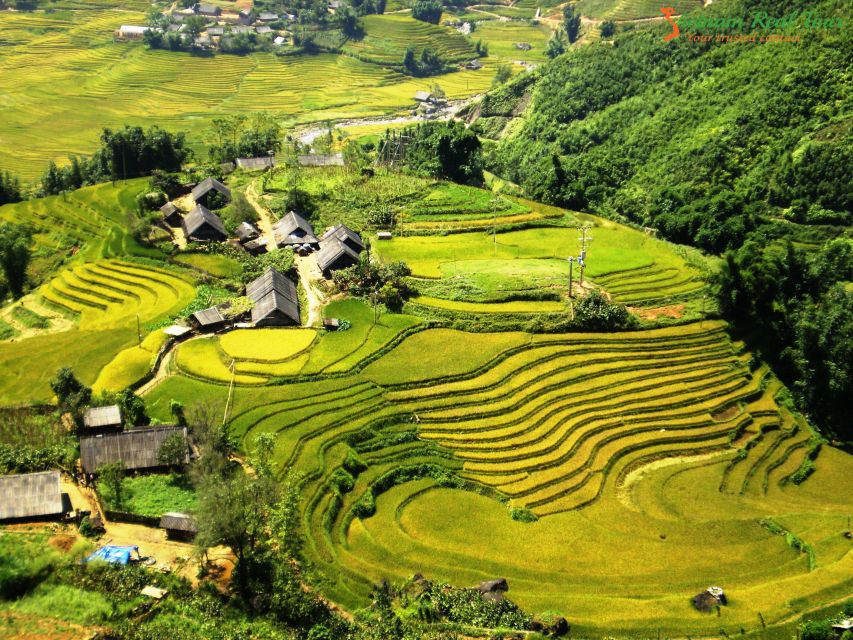
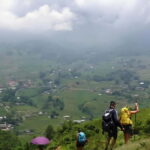
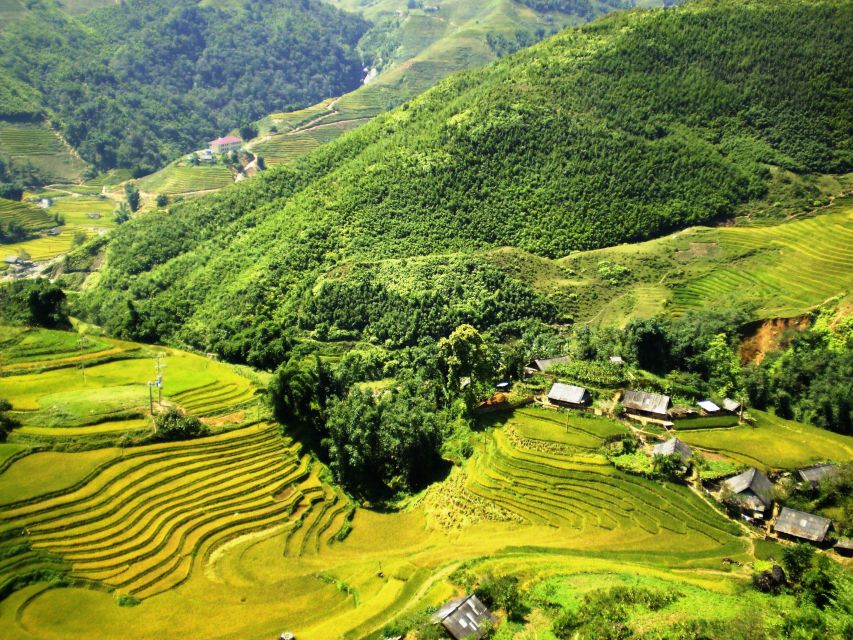
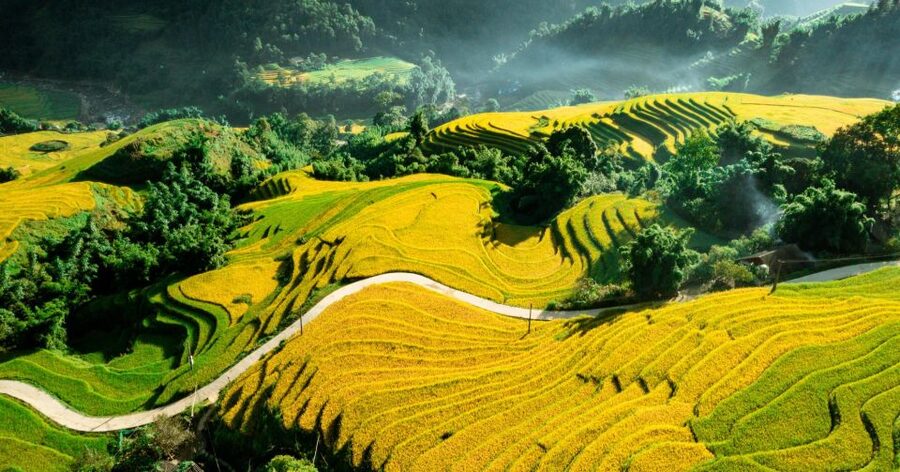
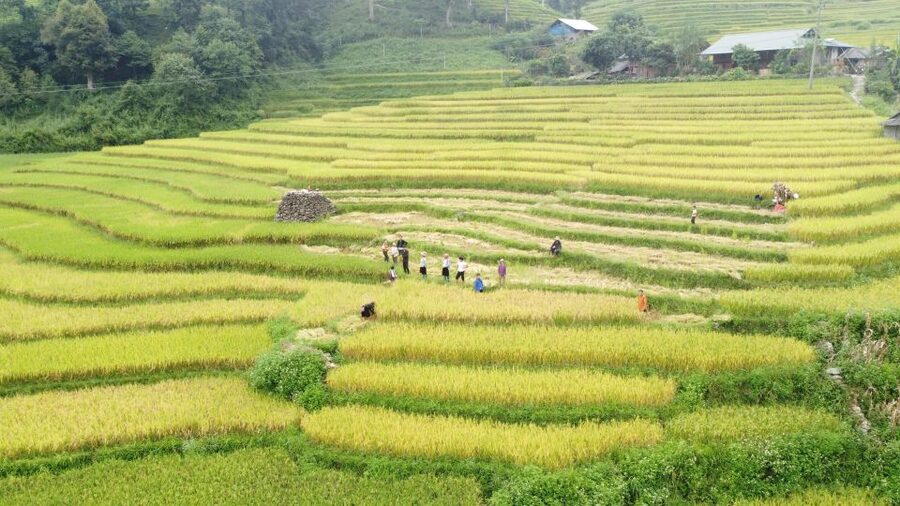
You can expect to see terraced rice, plus corn and potato fields, layered across the hills. That matters because the terraces aren’t just decoration. They’re infrastructure for farming: channels, steps, and plots shaped by slope and season.
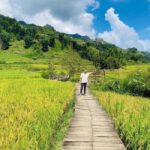
What makes this part feel special is the pacing. You’re walking from one view to the next, but you also get stretches where you’re focused on the ground—mud, stone edges, and narrow paths—while the terraces keep expanding around you. It’s the difference between looking at scenery and actually moving through it.
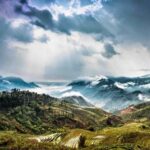
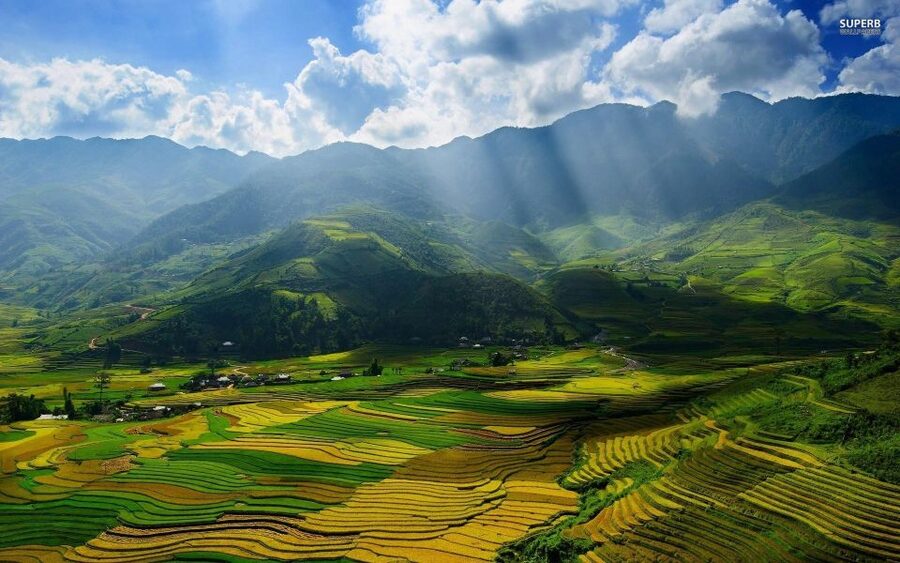
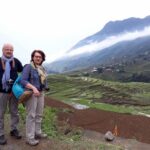
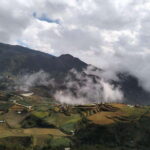
If the weather is clear, you’ll get broad panoramic views. If it’s cloudy or foggy, you’ll get a different mood: soft visibility, deep green tones, and a trail that demands more care with foot placement.
Lai Chai Village and Sapa’s Ethnic Minority Life
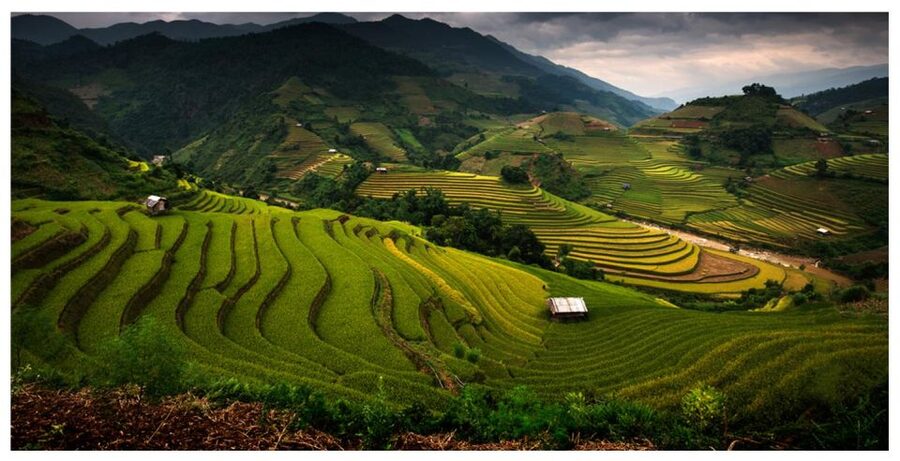
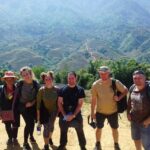
One of the best reasons to do this trek is that it isn’t only about scenery. You’ll learn about local culture with a guide from the local ethnic minority, and you’ll visit Lai Chai, a small village on the tribal hill.
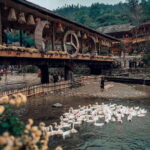
This is the point where your guide becomes more than a “walk leader.” They share customs and habits as you move. You’ll also trek through local villages, which helps you understand what daily life looks like when the landscape is someone’s home—not just a backdrop for tourists.
A couple of practical notes to keep the experience respectful and easy:
- Ask questions, but don’t treat people like a classroom. If your guide explains something, listen first, then ask naturally.
- Bring your best “quiet curiosity.” Village routes can be narrow and people are living their day.
In one example from the guides who lead this style of day, a local guide named Mao was especially attentive, answering questions and showing her family home. That’s a good sign of what you’re aiming for: real conversation, not a scripted monologue.
The Waterfall Pause: Where You Catch Your Breath (and Photos)
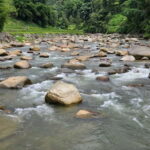
Midway through the hike, there’s a waterfall stop. It’s not presented as a grand attraction with crowds—it’s more like a natural checkpoint: relax, catch photos, and regroup.
This part is useful because the walk can add up. Even if you’re not running a fast pace, terrace hiking tends to be slower than flat-town walking. You’re stepping up and down, negotiating uneven edges, and stopping briefly for views. A planned break helps you enjoy the rest of the trail instead of powering through it.
If it’s foggy, waterfall spray and mist can make the air feel cooler. If it’s dry, you may get better visibility for photos. Either way, use the pause to hydrate and check your footing for what comes next.
Lunch at a Local Restaurant: What’s Included (and What’s Not)
After trekking, you’ll head to lunch at a local restaurant, included in the tour price. The menu is described as local cuisine with varied flavors, and this is a highlight for a reason: you’ll be tired in a good way after the hike, so food tastes better when it’s actually earned.
You should know what’s included vs. not:
- Included: local lunch
- Not included: drinks
That means if you want bottled water, tea, or anything beyond the meal, you’ll pay separately. It’s a small detail, but it matters on a 7-hour day when you’re walking and breathing mountain air.

How Hard Is This Really? Terrain, Timing, and Slippery Trails
This is a 7-hour trek, and it’s best thought of as a moderate hike with real terrain. The tour also notes it’s not suitable for:
- children under 5
- people with back problems or heart problems
- wheelchair users
- people over 275 lbs (125 kg)
- people over 70 years
Even if you’re generally healthy, there’s another factor that can make or break the day: weather.
In foggy or wet conditions, paths can turn slick. One person described slipping risk when visibility dropped, and even with rubber boots and trekking poles, it was still physically challenging. That lines up with what terrace paths often are: compacted dirt, wet stones, and steep edges—nothing dramatic, but plenty to trip you up if you rush.
My practical advice:
- Wear shoes with grip. If you only pack fashion sneakers, you’re gambling.
- Don’t assume rubber boots solve everything. They can help, but slippery mud still wins if you step fast.
- If it’s foggy, slow down early. Your confidence grows once you find the safest rhythm.
Also, bring a light layer. Mornings in the hills can feel cooler than Sapa town, especially after you leave the streets.
Price and Value: What $22 Buys You in Real Terms
At $22 per person for a 7-hour guided day, the value comes from what’s folded in—not from the base hike itself.
Included:
- Hotel pickup and drop-off
- Guided trek
- Villages entry fees
- Local ethnic guide
- Local lunch
- Shuttle bus back to Sapa
That’s a lot of logistics handled for you. If you tried to piece it together solo, you’d pay for transport, a guide, and probably end up negotiating entry fees on top of it. Here, you’re buying coordination plus local explanation.
The only clear extra cost is drinks. Everything else is covered, which makes budgeting easier—especially if you’re doing more than one day in Sapa.
Who Should Book This Trek (and Who Might Skip It)
I’d point you toward this tour if you want:
- terraced-field scenery without spending the whole day at just one viewpoint
- village context from a local ethnic guide
- a practical day package with pickup, lunch, and return shuttle
- an easy-to-follow plan (one guide, one route, fewer decisions)
You might reconsider if:
- you know you struggle on uneven, wet terrain
- you need wheelchair-accessible routes (this one isn’t designed for that)
- your priority is only big sightseeing, because part of the day is slower and more grounded in walking and village interaction
It’s also worth choosing this with expectations in mind. Even when it’s done well, this is still a guided route with scheduled stops—so if you’re hunting total solitude, this isn’t that experience.
Should You Book This Sapa Terrace Fields and Local Villages Trek?
If you’re planning a first Sapa trek and you want the best mix of views + local life + an included lunch, I think this one is a smart booking. The guide-driven cultural piece is a real asset, and the included logistics (pickup, entry fees, shuttle return) make it feel like good value for the time you’ll spend walking.
Just go in ready for real trail conditions. Bring grippy shoes, accept that fog can make everything a bit trickier, and plan to move steadily rather than fast. Do that, and you’ll leave with more than photos—you’ll understand what the terraces and village routine actually mean.
FAQ
How long is the trek?
The total duration is about 7 hours.
What time does hotel pickup start?
Pickup is scheduled starting around 8:00am to 8:45am in Sapa town.
Is lunch included?
Yes. Local lunch is included.
Are village entry fees included?
Yes. Villages entry fees are included.
What language is the guide?
The tour includes a live English-speaking guide.
Is the tour suitable for wheelchair users?
No. The tour is listed as not suitable for wheelchair users.
Can I cancel and get a full refund?
Yes. You can cancel up to 24 hours in advance for a full refund.