REVIEW · SA PA
Sa Pa: Muong Hoa Valley Trek and Local Ethnic Villages
Book on GetYourGuide →Operated by Vietnam Nomadtrails · Bookable on GetYourGuide
Fog, footsteps, and village life in one day. This Muong Hoa Valley trek takes you from Sa Pa into rice-terrace scenery and working villages, with stops that feel hands-on instead of scripted. What I like most is the mix of Black Hmong and Red Dao village time, plus the real-deal walking route along the Muong Hoa River and its crossings.
I especially like the way the day is paced: you get a steady hike, then you reset with a lunch at a local home, and later you wander through a bamboo forest before heading back. And with a small group capped at 11 participants, it stays personal even when the path gets messy.
One consideration: the trek is 10 kilometers and can be challenging, especially in wet or foggy weather. Mud and slippery sections are common, so your shoes and your patience matter.
In This Review
- Key takeaways before you go
- Muong Hoa Valley: why this 10 km trek feels more real than a day on rails
- Pickup in Sa Pa: the easiest part of the day
- Rice terraces and the Muong Hoa River: the part that sets the tone
- Lao Chai and Black Hmong culture: village time that isn’t just a photo stop
- Ta Van Giay: the suspension bridge moment and the rock carvings
- Lunch in a local home: the best reset of the day
- Bamboo forest to Giang Ta Chai: Red Dao village life and a waterfall pause
- What you should expect on the ground: mud, grip, and local help
- Price and Logistics: is $23 good value for a half-day trek?
- Timing: when the trek ends and how to plan the rest of your day
- What to bring (and what to leave behind)
- Who this trek is best for (and who should skip it)
- Should you book this Muong Hoa Valley trek?
- FAQ
- How long is the trek and what distance will I walk?
- What’s included in the tour price?
- Do I get hotel pickup in Sa Pa?
- What should I bring for the hike?
- Is lunch included and can dietary needs be handled?
- Is the trek suitable for children or people with mobility issues?
Key takeaways before you go
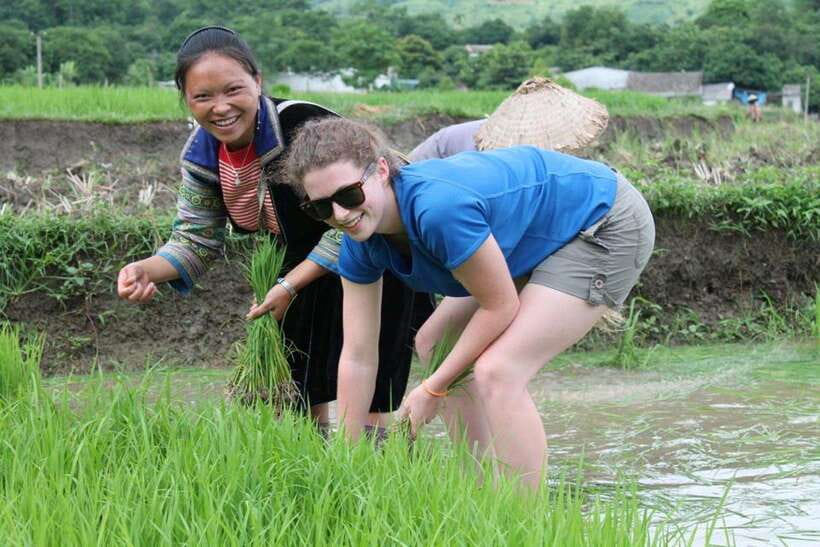
- Small group max 11 keeps the day from feeling crowded.
- Rice terraces + Muong Hoa River crossings give you big views and real walking.
- Two ethnic village experiences: Lao Chai (Black Hmong) and Giang Ta Chai (Red Dao).
- Rock carvings stop adds a unique cultural layer beyond just scenery.
- Lunch in a village home is included, and guides have accommodated vegan diets when asked.
- Expect muddy steps in wet weather, and local helpers may guide you through the worst bits.
Muong Hoa Valley: why this 10 km trek feels more real than a day on rails
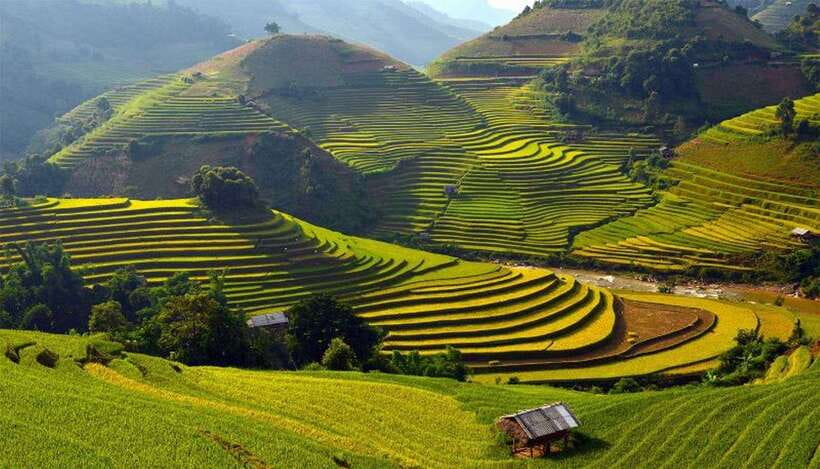
Sa Pa is known for dramatic views, but this trek earns its keep by moving through places where people actually live and farm. You’re not just looking at terraces from a viewpoint. You’re stepping along the narrow routes that connect homes, fields, and river crossings.
The itinerary is built around contrast. You’ll pass well-tended rice terraces, then shift into village lanes, then hit the darker green stretch of a bamboo forest. That change in terrain keeps your eyes busy and your mind awake, and it also helps explain how daily life in the valley shapes routes like this.
You’ll also notice the human layer: village paths can be uneven, steep, and slick. Several English-speaking guides (like Khu, Chai, Su, Minh, and Sunny) lead confidently, and when the ground gets treacherous, local support often shows up fast—hands-on help when people need it most. That matters for your comfort and safety, not just the vibe.
You can also read our reviews of more tours and experiences in Sa Pa.
Pickup in Sa Pa: the easiest part of the day
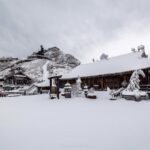
Your day starts with hotel pickup in Sa Pa town (and pickup is also available from the provider’s office in town). The tour isn’t set up for long-distance pick-ups outside the area, so plan to be in central Sa Pa if you want that hassle-free start.
Once you’re with the group and your English guide, you move into the valley walk. With a 6-hour overall duration, the goal is to fit real village time and a proper hike without turning it into a marathon.
This also means you should treat the day like a focused outing. Don’t plan heavy sightseeing right after. You’ll finish around 3:30 PM, and you’ll likely be hungry (even if you eat well at lunch).
Rice terraces and the Muong Hoa River: the part that sets the tone
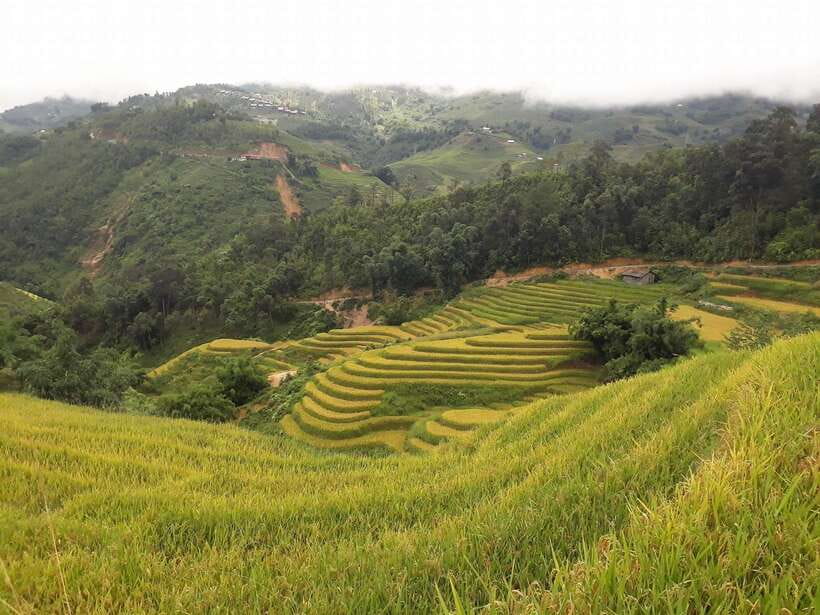
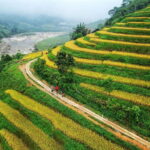
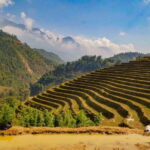
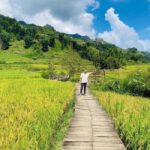
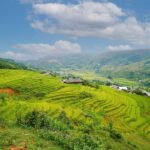
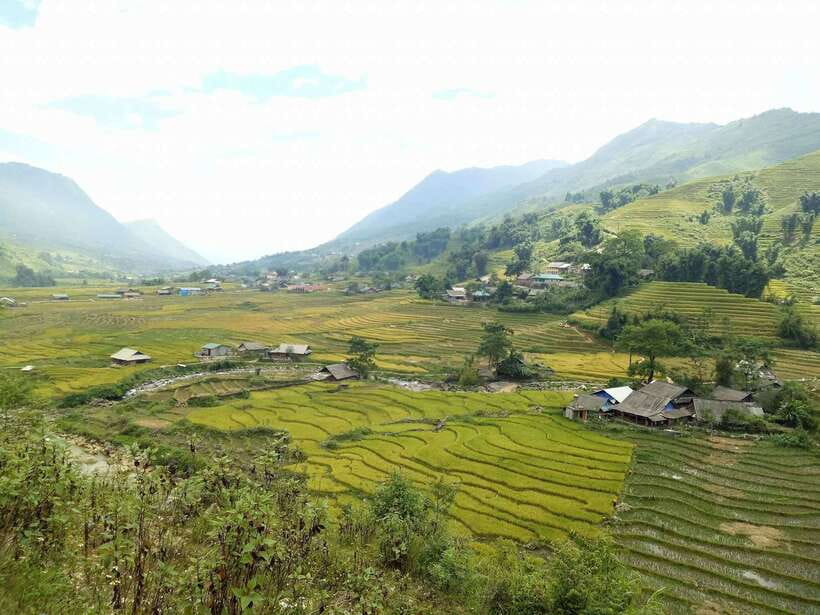
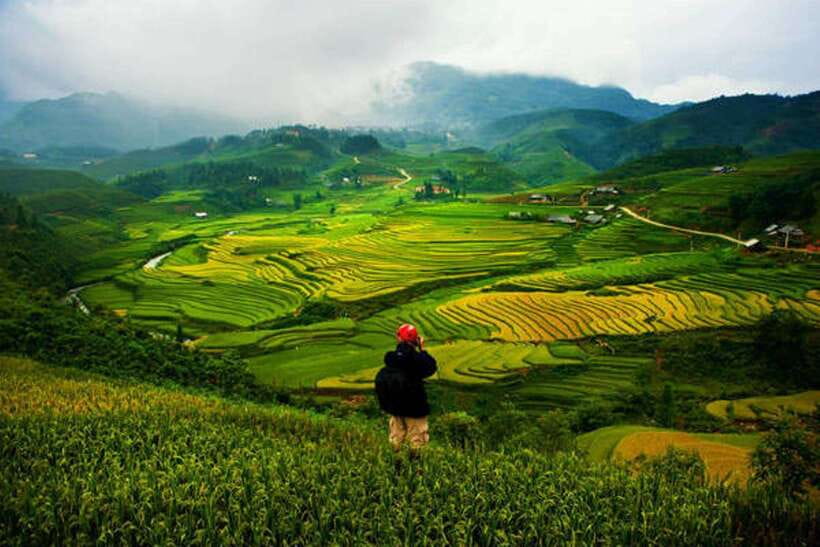
The core of the trek begins with a 10-kilometer route through the valley. You start following a smaller trail where the morning mist can sit over the terraces. That’s when rice fields look especially cinematic—soft edges, layered greens, and that sense of depth that makes photos work better than usual.
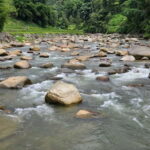
Early on, you cross the Muong Hoa River via a route that usually involves stepping into the rhythm of the valley. It’s the kind of moment that quickly tells you what type of walking this is: steady, outdoorsy, and not the polished “trail museum” version.
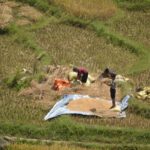
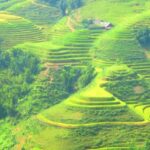
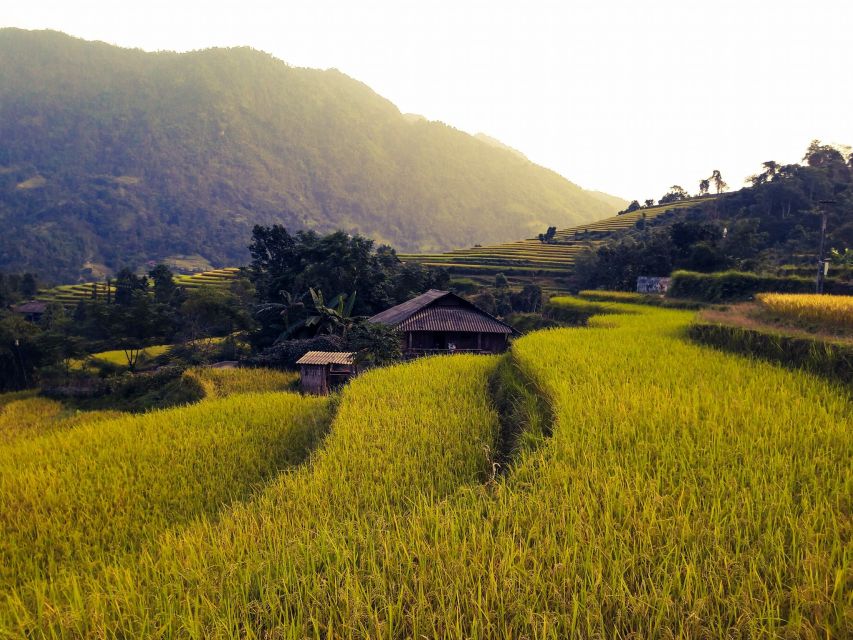
As you continue, you move past terraced rice fields that are more than just pretty. They’re visible evidence of how families shape the slopes for farming. Even if you don’t know the terminology, the sheer effort shows in the way paths hug the edges and water systems run where they need to.
Lao Chai and Black Hmong culture: village time that isn’t just a photo stop
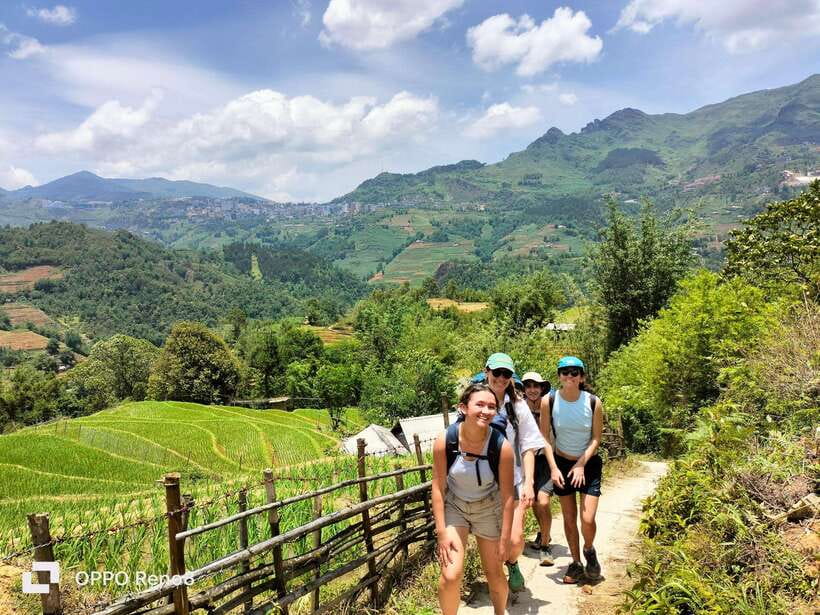
One of the smartest choices here is that the day doesn’t treat villages like quick snapshots. You hike onward to Lao Chai, where families from the Black Hmong community live and work.
What I like about this segment is the slow shift from “scenery hike” into “people-and-house life.” You’re not just seeing where someone lives—you’re walking through the spaces that connect fields, homes, and community routines.
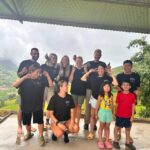
This is also where the tour’s small-group size helps. In a group of up to 11, your guide can keep everyone moving safely while still explaining what you’re seeing. Guides such as Khu and Su are repeatedly praised for keeping the tone friendly and the explanations clear, which matters if you want more than just a cultural checklist.
Ta Van Giay: the suspension bridge moment and the rock carvings
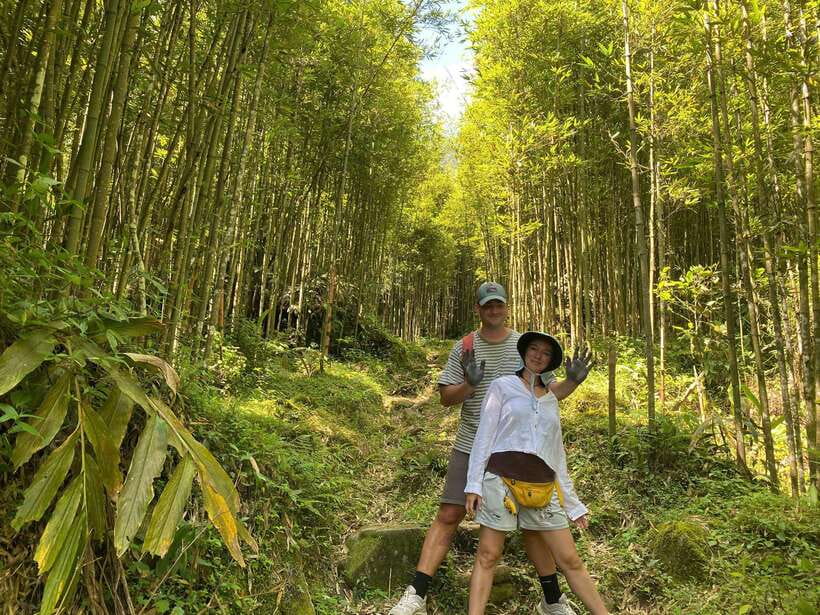
After Lao Chai, the trek continues toward Ta Van Giay and along routes that follow the Muong Hoa River. One highlight is the small suspension bridge, reached roughly 2 kilometers from the settlement. It’s not long, but it’s a real change in how your body feels on the route—slightly different footing, more concentration, and great photo angles if your footing is steady.
Then comes a stop that most “valley trek” days skip: ancient rock carvings. The carvings depict images of men, stilt houses, and decorative patterns. Even if you can’t read the meaning, you get that rare feeling of touching something older than the current farms. It adds a sense of time depth to a day otherwise dominated by daily work and living culture.
This is one of those moments where a good guide adds value. Ask questions. If your guide is a storyteller type—like Minh or Chai—you’ll leave with better context for what you saw rather than just a vague “cool carvings” memory.
Lunch in a local home: the best reset of the day
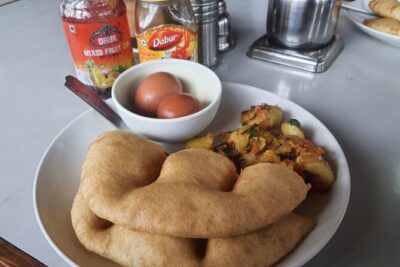
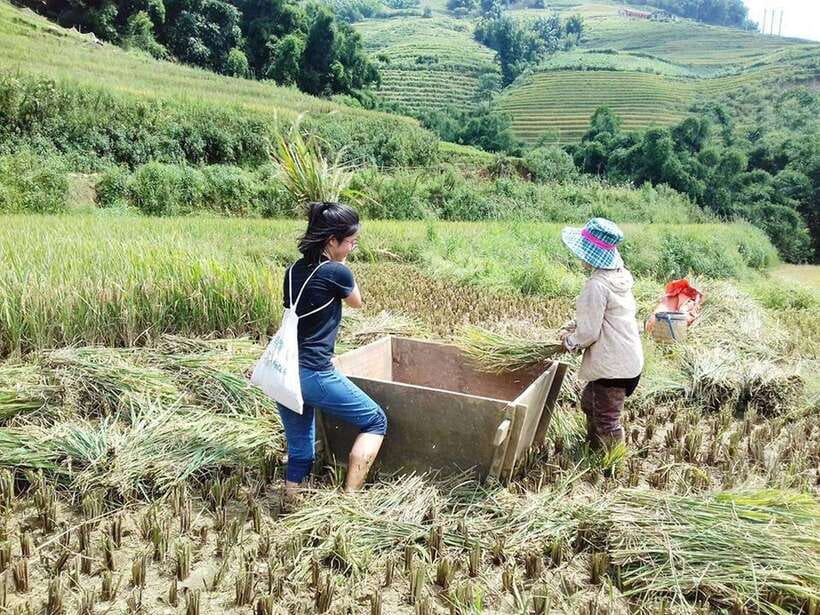
You’ll enjoy lunch at a local house during the trek. The food is described as delicious and home-style, often including things like rice and vegetables, and in some cases spring rolls, tofu, and eggs depending on the household.
What stands out in the experience is flexibility. One review specifically noted that the guide helped accommodate a vegan diet. That doesn’t mean every house can do every diet the same way, but it’s a good sign that guides pay attention to requests.
If you’re hungry, you’ll be happy with the timing. The lunch break works like a gear shift: you recharge, then you continue on with better energy for the later segments that can get muddier.
Bamboo forest to Giang Ta Chai: Red Dao village life and a waterfall pause
After lunch, you hike through a bamboo forest—and this is where weather can change your day fast. In foggy or wet conditions, the forest paths can turn slippery, so bring shoes with grip and be ready to slow down.
Then you reach Giang Ta Chai, home to the Red Dao ethnic minority. This is the second village layer of the day, and it adds variety in how families live and how the valley connects to culture. The experience here feels different from the Black Hmong area, even if the bigger picture—farming, routines, and community life—remains familiar.
There’s also a short rest stop at a nearby waterfall. It’s not just for pictures. It helps break up the walking rhythm before you start the final push back.
What you should expect on the ground: mud, grip, and local help
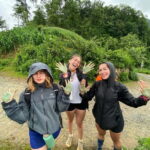
Let’s talk reality. This trek can be very muddy in wet weather. Paths can be steep and uneven, and even hikers with normal boots can feel the slip factor if the day’s been rainy.
The best practical advice: plan for mud that sticks. There are recurring notes about people’s trainers getting soaked or losing traction, and about the value of hiking shoes (not just any sneaker).
You might also notice local women walking alongside the group and helping with the hardest steps. That support is part of how people manage the route when it’s slippery. At the end of the trek, there’s also an expectation—based on how the day interacts with village vendors—that you bring a little cash and support the craft and small wares when you’re offered the chance.
None of this should scare you off. It just means you should go prepared and treat the experience as a respectful exchange, not a theme park stroll.
Price and Logistics: is $23 good value for a half-day trek?

At $23 per person for about 6 hours, this is strong value if you want the full package, not just a guide walking beside you. Here’s what’s included:
- Hotel pickup in Sa Pa center town
- English-speaking guide
- Entry tickets
- Lunch
- Mineral water (500 ml) per person
- Transport as mentioned for the day
Not included are things like beverages and personal purchases, and soft drinks are also not part of the base price. That’s typical for this style of tour, and it also lines up with the culture of small purchases at village stops.
There are also add-ons you might see:
- A French-speaking guide option (19 USD per person)
- A Lunar New Year surcharge (30 USD per person for dates from 14 Feb to 21 Feb 2026)
If you want to judge value honestly, consider what you’d pay in time and stress if you tried to piece together a guided trek, lunch, and transport on your own. With the pickup and a structured route, $23 feels fair—especially with the small-group limit and the fact that lunch is actually included rather than replaced by a snack.
Timing: when the trek ends and how to plan the rest of your day
You’ll typically finish around 3:30 PM. That’s early enough to still enjoy a late afternoon in Sa Pa if you keep your energy realistic.
Because you’ll likely walk on muddy terrain and climb a bit uphill near the end (the driver waits at the main road), I’d keep your next activity light. Think food, a relaxed café break, and a shower.
What to bring (and what to leave behind)
This tour gives you the essentials, but you should bring the rest:
- Hiking shoes with real grip
- Sunglasses and sunscreen
- Insect repellent
- Warm clothes from October to March
A small but important detail: oversize luggage isn’t allowed. So travel light. If you can carry it comfortably, you’re good.
Also, if you know you’ll be on wet ground, consider extra socks. You might not need them every time, but the day’s conditions can change fast in the valley.
Who this trek is best for (and who should skip it)
This is a strong fit if you:
- Want a real walking day and not a sightseeing bus route
- Enjoy village culture and are curious about how people live with the terrain
- Are comfortable with uneven ground and steep, slippery sections
- Like having an expert guide explain the “why” behind what you see
It’s not a great fit if you:
- Have mobility impairments
- Are traveling with children under 6
- Don’t have the fitness or footwear for a 10 km day in wet conditions
And if you’re the type who hates getting muddy, this might not be the best match. The trail is part of the story here.
Should you book this Muong Hoa Valley trek?
I’d book it if you want Sa Pa beyond the town center—especially if you’re okay with the fact that the best parts happen when the weather isn’t perfect. The combination of village time, river crossings, rock carvings, and a home lunch makes the day feel layered, not just “walk and look.”
Skip it if you want a smooth, low-effort hike. The route can be slippery, and the day rewards people who show up with grip, patience, and a flexible attitude.
If you do book, my biggest advice is simple: pack for mud, bring hiking shoes, and bring a bit of cash for small purchases when village helpers guide you through the trickiest steps.
FAQ
How long is the trek and what distance will I walk?
The trek is 10 kilometers long, and the overall activity duration is about 6 hours.
What’s included in the tour price?
The tour includes hotel pickup (if you’re in Sa Pa center town), an English-speaking guide, entry tickets, lunch, mineral water (500 ml per person), and transport as mentioned.
Do I get hotel pickup in Sa Pa?
Yes—pickup is included for hotels in Sa Pa center town. Pickup may also be available from the provider’s office in Sa Pa town, but pickup outside the Sa Pa area isn’t available.
What should I bring for the hike?
Bring hiking shoes. It’s also recommended to pack sunglasses, sunscreen, insect repellent, and warm clothes from October to March.
Is lunch included and can dietary needs be handled?
Lunch is included, eaten at a local home in the village. One guide was noted as accommodating a vegan diet, so it’s worth telling your guide about dietary needs.
Is the trek suitable for children or people with mobility issues?
This activity is not suitable for disabled people and children under 6 years old. It can be challenging in wet conditions, so your comfort with uneven, slippery terrain matters.