REVIEW · BAN Y LINH HO
From Sapa: 1-Day Trekking through Terraces Rice Fields
Book on GetYourGuide →Operated by Sapa Nomad · Bookable on GetYourGuide
This trek takes you off the main road and onto the quieter hills where daily life carries on. You’ll walk past rice terraces dropping toward the Muong Hoa valley, with the Hoang Lien Son mountain range framing the day.
I love how the route hits villages like Y Linh Ho first, before the bigger stops, so the scenery feels calm and real. I also really like the lunch setup in Lao Chai, where you eat H’mong-style local food and see terraced fields right up to the houses.
One thing to consider: it’s still a full day of walking on uneven paths. Plan on sturdy shoes, sun protection, and a steady pace, because you’ll feel it in your legs by the afternoon.
In This Review
- Key points at a glance
- Entering the real hills: what makes this Sapa trek different
- Route day one: from Sapa to Y Linh Ho by the Muong Hoa stream
- Lao Chai: H’mong village life and a lunch that keeps you fueled
- Ta Van at 13h00: where Giay people, Red Dao, and H’mong share space
- The bamboo forest and terraces: what to look for while you walk
- Timing that actually works for a one-day trip
- Transportation, private-group comfort, and why pickup matters
- What to bring (and what to skip) for comfortable trekking
- Vegetarian lunch and food comfort: plan ahead, then relax
- Optional herbal baths and foot massages: the easy way to recover
- Who this trek suits best
- Should you book this 1-day trek with Sapa Nomad?
- FAQ
- What’s the price for the 1-Day Trekking through Rice Fields?
- How long is the trekking tour?
- What time does the tour start?
- Where does the trekking start from?
- Is lunch included?
- Can I get vegetarian food?
- What’s included in the tour price besides lunch?
- Do I need to bring water?
- Is the tour suitable for pregnant travelers?
- What should I bring for the trek?
Key points at a glance
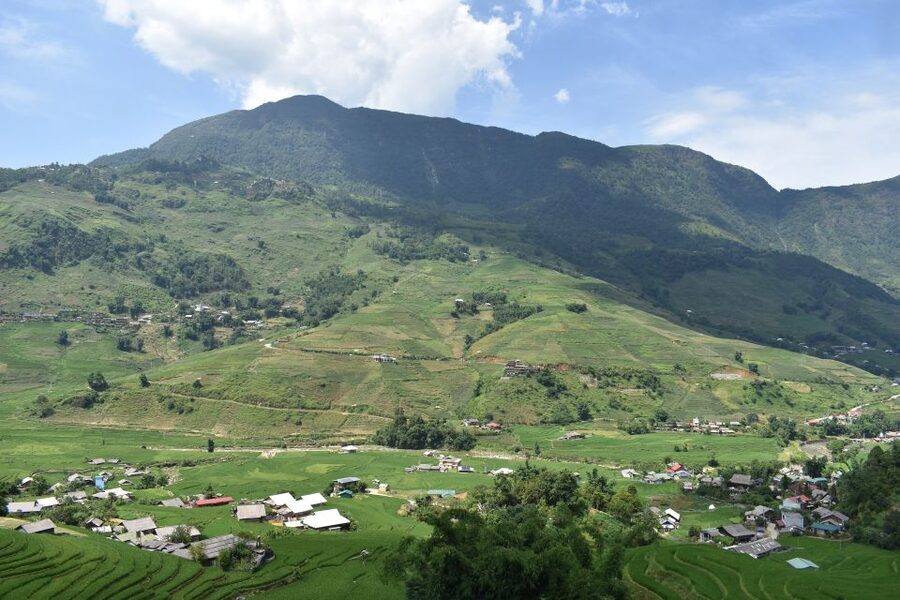
- Off-the-main-road trail that follows a valley route you might not find on standard maps
- Rice terraces plus bamboo forest on the same day, so the scenery keeps changing
- H’mong lunch in Lao Chai with local specialties served during the trek
- Ta Van village mix of ethnic groups (H’Mong, Red Dao, and Giay) and active village life
- Vegetarian food available on request, so you can eat well without guessing
- Optional herbal baths and foot massages at the end, if you want to loosen up
Entering the real hills: what makes this Sapa trek different
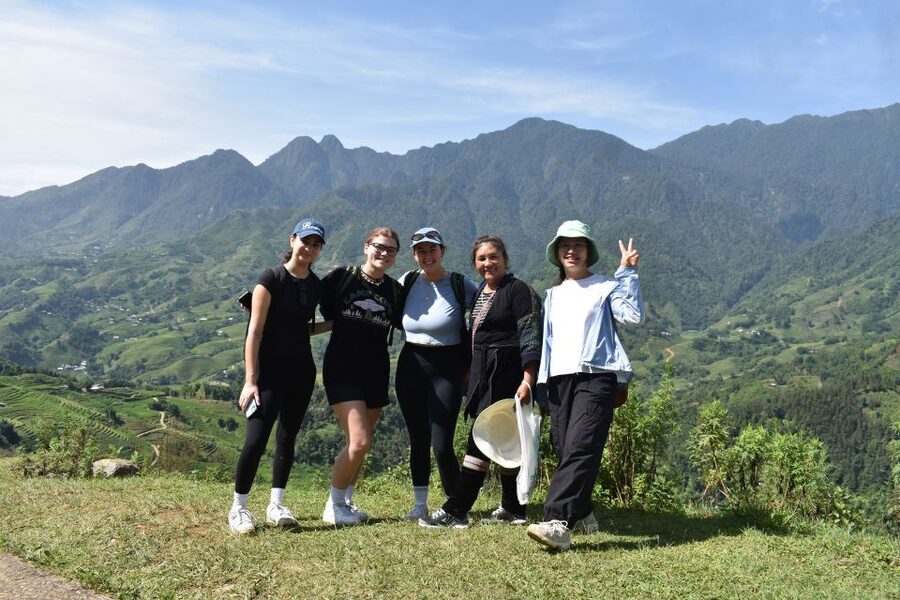
Sapa can be busy at street level, but this trek aims for the quieter version. The day starts with a meet-up at 8h30 and a drive/pickup that gets you moving toward the trail. Then you head out from the main road, down the valley, and into villages tucked along the Muong Hoa stream.
What makes it feel different is the order. You don’t jump straight to the most famous view spots. Instead, you begin in Y Linh Ho, where the atmosphere is described as very quiet. That early calm matters. You’re still fresh, so you notice details: small footpaths, stilt houses, and the way the terraces step down the hills.
You’ll also get a mix of scenery in a short time. The trek highlights mention rice fields and bamboo forest, and the itinerary repeatedly brings you back to that valley-and-mountains rhythm. It’s not just looking; it’s walking through the shapes of Sapa.
The villages themselves are part of the point. Stilt houses, everyday routines, and ethnic traditions aren’t staged for you. They’re just how people live—more “human scale” than big sightseeing circuits.
Route day one: from Sapa to Y Linh Ho by the Muong Hoa stream
After you meet your English-speaking guide and get moving, you’ll start from the main road and follow a trail down the valley. The first major stop is Y Linh Ho village, settled along the Muong Hoa stream.
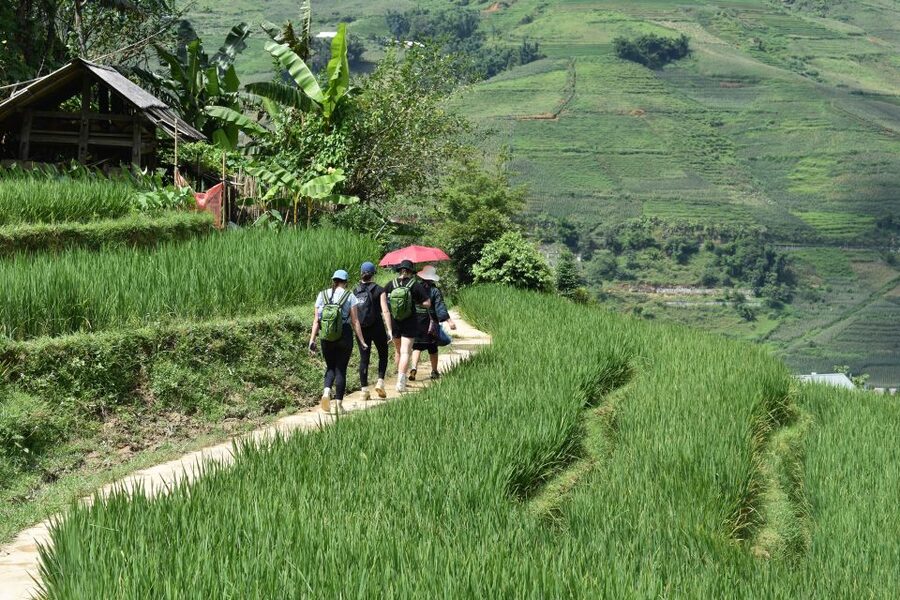
This is a good first village for two reasons. One, it gives you a quiet landing spot before the busier areas. Two, it puts you right where the valley starts to open up visually. You’ll see rice terraces spread across the hillsides, plus the Hoang Lien Son mountain range in the background.
Expect simple stilt houses and a hillside rhythm that feels different from the flatter town streets. If you like photography, go slow early. The best shots usually come when you stop rushing and let the view settle in.
Practical tip: since this is only one day, don’t waste your energy on early sprinting. You want to arrive at Y Linh Ho with enough breath left to enjoy the walk and the village atmosphere.
Lao Chai: H’mong village life and a lunch that keeps you fueled
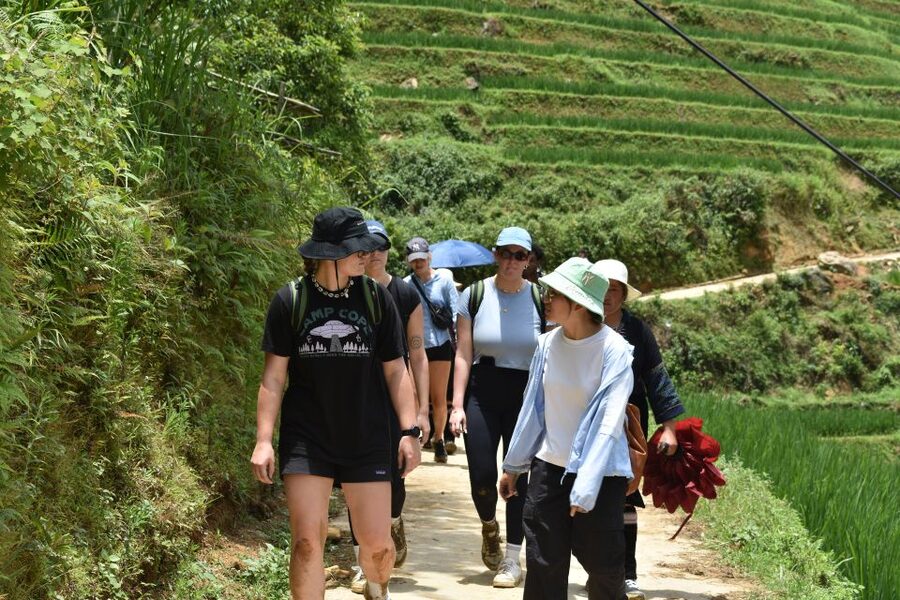
Around 12h00, the tour shifts from walking time into food time. Lunch happens in a local restaurant in Lao Chai village, described as an H’mong area settled by the Black H’mong community.
This stop is more than a break. It’s one of the reasons I’d pick this trek even over self-guided walking. You get a meal built around local specialties, and you’re not stuck with a food decision that depends on limited menus and translation.
The lunch also comes with a visual bonus: you’ll be eating while looking out at mountains and unique terraced fields that stretch toward the local houses. That matters because a lot of treks have “lunch with a view” as a marketing line. Here it’s part of the setting.
Food notes you can plan around:
- Vegetarian food is available on request, so tell your guide ahead of time if you need it.
- You’ll also have water included (1.5L on the tour), which helps since you’ll be walking through sun and steps.
If you care about comfort, choose shoes you can trust. One short review note said the walk is nice but you should wear good shoes. That advice is spot on here: the path isn’t described as a smooth stroll.
Ta Van at 13h00: where Giay people, Red Dao, and H’mong share space
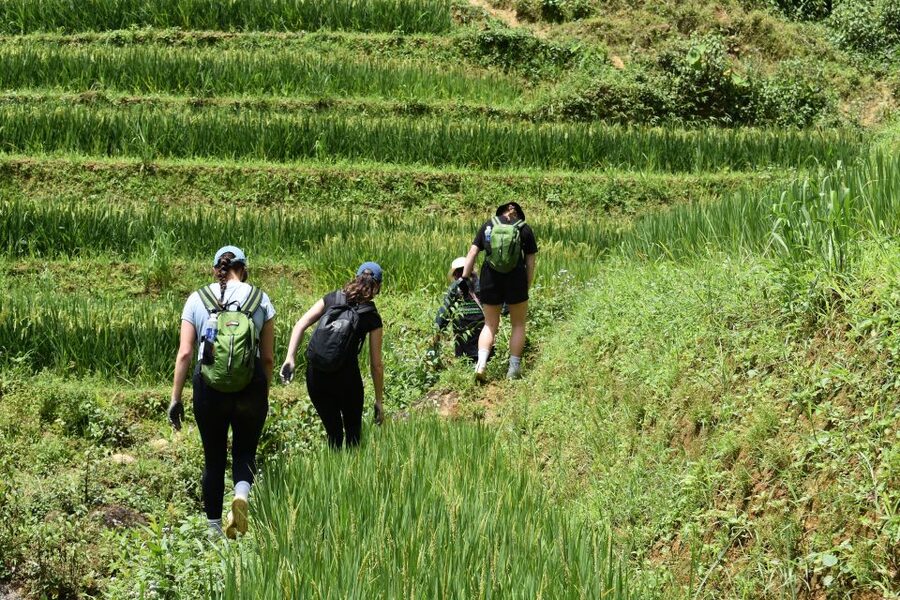
At 13h00, you continue to Ta Van village to visit the Giay (Giáy) people. Ta Van is described as a village where multiple groups live together for a long time, including H’Mong, Red Dao, and Giay, with many ancient houses.
This is where the tone of the day changes again. Y Linh Ho is quiet, Lao Chai is a strong cultural stop with lunch, and then Ta Van feels like the busier hub. The tour description even mentions sidewalks and the presence of pretty homestays.
You’ll also see the Muong Hoa stream area again through the lens of agriculture. Rice terraces sit nearby, and you may notice corn hills as part of the wider hillside farming scene. It’s another reminder that the terraces aren’t a single scenic strip. They’re part of a working system that feeds the valley.
If you’re the type of traveler who loves culture, Ta Van is where you can slow down and observe how different ethnic traditions exist side by side. There’s room here for conversation and curiosity without the pressure of a long bus ride or a crowded viewpoint.
The bamboo forest and terraces: what to look for while you walk
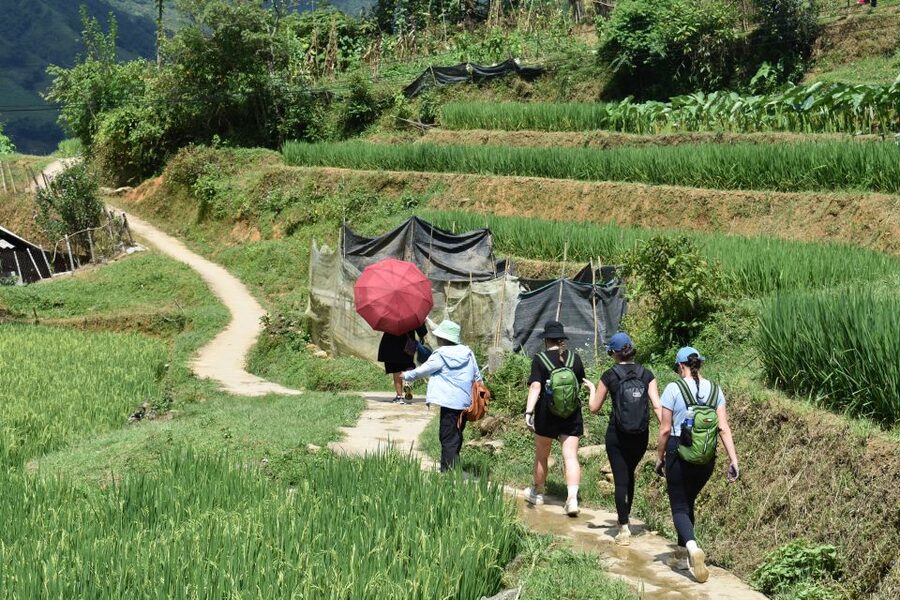
The highlights mention bamboo forest in addition to rice terraces, and that’s a big part of why this trek feels like a real day outside, not just a village-hopping checklist.
Here’s what you can expect to notice along the way:
- Terraces that step down the hills in bands, often framed by the mountains behind
- Bamboo growth that adds shade and texture when the sun hits the valley
- A trail that goes “different from the main road on the maps,” meaning you’ll follow a more valley-focused route
Because you’re walking through multiple environments, your eyes won’t get bored. Terraces give you wide views. Bamboo forest gives you close-up texture and cooler moments. Villages give you human scale.
One more practical note: 1-day treks can trick you into thinking you can wear whatever. Don’t. Uneven surfaces are part of hillside life. If your shoes are questionable, you’ll feel it more than you expect.
Timing that actually works for a one-day trip
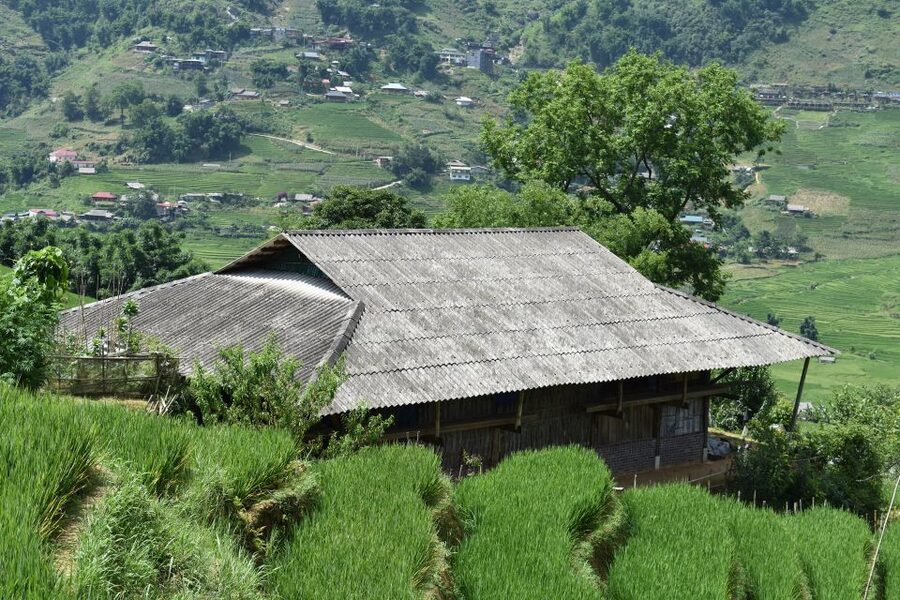
This is a 1-day itinerary designed to fit into a Sapa stay without forcing an overnight trek.
Here’s the flow you’ll feel in real time:
- 8h30: Meet at your hotel or the tour office, then start trekking
- Late morning: Walk through valley scenery toward Y Linh Ho and onward
- 12h00: Lunch in Lao Chai with H’mong local foods
- 13h00: Continue to Ta Van, visit Giay people (with Red Dao and H’Mong also present)
- 14h30: Car returns you to your hotel in Sapa
The timing is useful because it prevents that common problem: arriving at the best village late in the day when the light turns harsh and you’re already tired. Here, you’re still active when you reach Ta Van around early afternoon.
Also, the day ends at 14h30, not in the dark. That’s a big comfort factor if you’re not used to mountain trekking.
Transportation, private-group comfort, and why pickup matters
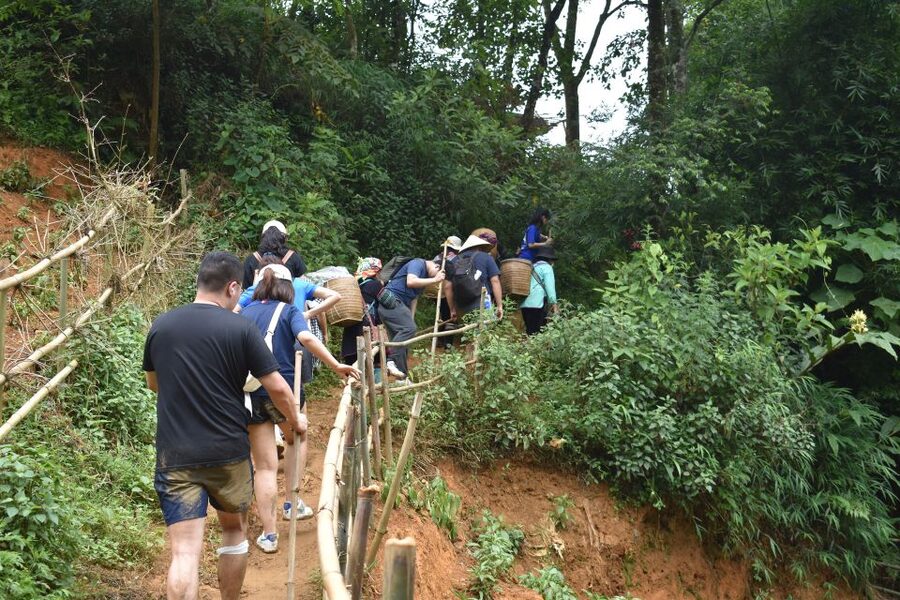
This tour includes hotel pickup and drop-off, plus transportation in the tour. In Sapa, that’s not a small perk. Getting in and out of trailheads can waste time, and it can also add stress if you’re trying to coordinate rides on your own.
You’ll be traveling with an English-speaking guide during the trek, and the group type is listed as private group. In practical terms, that usually means you have more flexibility for questions, pacing, and small adjustments if someone needs a slower break.
You’re also given entry tickets to villages and 1.5L of water, so you aren’t juggling extra payments or scrambling for supplies mid-walk.
Value check: for the price, you’re paying for three things that matter on the ground:
1) time saved with pickup and a planned route
2) a guide who can connect you to village life
3) food handled during the trek
At $36 per person, it’s not the cheapest thing you can do in Sapa, but the included lunch and logistics are what justify it.
What to bring (and what to skip) for comfortable trekking
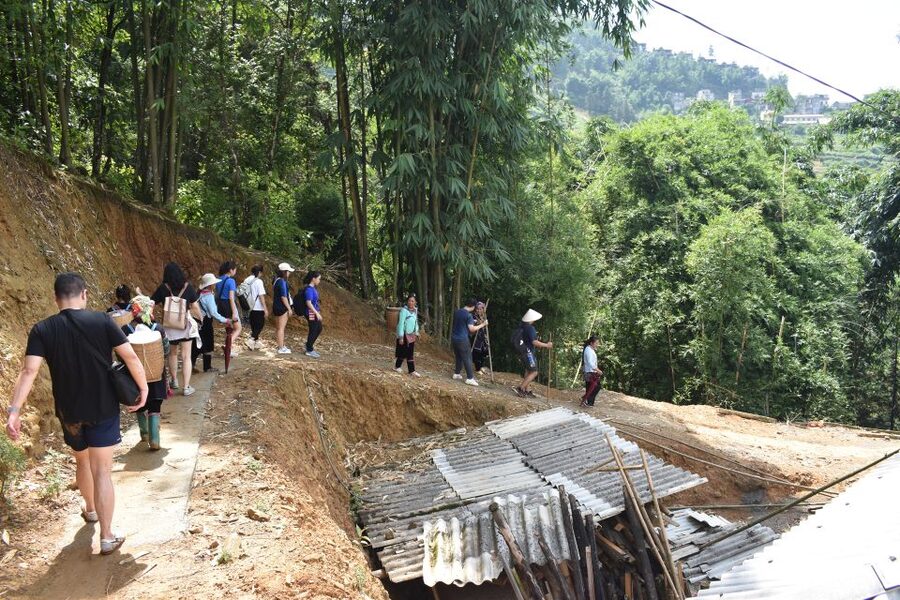
You only need a few basics, but you want them right. The tour info calls for:
- Sunscreen
- Hat
- Comfortable shoes
I’d treat shoes as the number one priority. If you have shoes that are fine for walking the city but not for uneven ground, swap them out. This route is in the hills. Your feet will tell you quickly if you chose wrong.
Also, don’t assume shade. Even with bamboo sections, you can still get sun exposure through the open terrace areas. Bring a hat you actually like wearing. If you hate your hat, you’ll keep adjusting it and losing focus.
If you’re sensitive to motion, remember this is a drive + walk + drive day. It’s not listed as a gentle stroll.
Vegetarian lunch and food comfort: plan ahead, then relax
One of the best practical pieces of info here is that vegetarian food is available on request. That’s worth taking seriously, because many treks can have limited options once you’re out in the villages.
If you want vegetarian food, ask for it when you book or when your guide confirms details. Then you can relax at lunch instead of worrying.
You’ll also have water included (1.5L). That’s not luxury, but it’s smart for a day where you’ll be drinking regularly through heat and effort.
Optional herbal baths and foot massages: the easy way to recover
After 14h30, you return to Sapa. There’s an optional “happy ending” if you want it: indigenous herbal baths, foot baths, and massages.
This part is optional, so it’s best to think of it as recovery time, not a guarantee. If your legs feel heavy, this can help you reset for the rest of your trip. If you’re not into massages, even a foot bath can be enough.
Who this trek suits best
This is a strong match if you want:
- real village walking in a short timeframe
- rice terraces and mountain views without a multi-day trek
- cultural stops in Y Linh Ho, Lao Chai, and Ta Van
It’s also a good pick if you like practical structure. The itinerary already handles guide, lunch, transport, and water. You just show up, wear good shoes, and follow the route.
Who should be cautious:
- Not suitable for pregnant women, based on the tour’s information.
- If you hate uneven paths or long walking days, you might find this tougher than you expected.
Should you book this 1-day trek with Sapa Nomad?
I’d book it if you want a solid, well-organized Sapa day that mixes terraces, bamboo forest, and meaningful village time—without needing more than a day off your schedule. The included lunch and transport make it good value, and the private-group setup helps you move at a comfortable pace.
Skip it if you’re looking for something extremely easy, because the walking is part of the point. If you go, commit to the basics: good shoes, sunscreen, and a calm pace so you can enjoy the villages rather than just survive the steps.
FAQ
What’s the price for the 1-Day Trekking through Rice Fields?
It costs $36 per person.
How long is the trekking tour?
It’s a valid 1 day.
What time does the tour start?
The meet-up is at 8h30. Starting times may vary, so check availability.
Where does the trekking start from?
You’ll meet your local guide at your hotel or the tour office, and you’ll start from the main road before following the trail down the valley.
Is lunch included?
Yes. Lunch is included in the tour.
Can I get vegetarian food?
Yes. Vegetarian food is available on request.
What’s included in the tour price besides lunch?
Hotel pickup and drop-off, transportation, an English-speaking guide, 1.5L of water, and entry tickets to villages.
Do I need to bring water?
Water is included (1.5L), but you should still plan to stay comfortable during the walk.
Is the tour suitable for pregnant travelers?
No, it is not suitable for pregnant women.
What should I bring for the trek?
Bring sunscreen, a hat, and comfortable shoes.