REVIEW · URUBAMBA
4 days/3 nights: Inka Jungle Trek to Machu Picchu
Book on GetYourGuide →Operated by Libertrek Peru Travel Agency · Bookable on GetYourGuide
Machu Picchu feels earned on this route. You’ll bike down from Abra Málaga, hike part of an ancient Inca road, and end with an early, guided sunrise visit to Machu Picchu. It’s built for people who want more than a train ride and a quick photo stop.
I like that the tour runs as a true adventure circuit, not a rushed check-list. You also get small-group energy (max 15) with an adventure-focused guide, and the day-to-day variety keeps your body moving in different ways.
One consideration: some activities are weather-dependent, especially the Urubamba River rafting in a specific seasonal window, and there’s no refund if the river is too high.
In This Review
- Key things to know before you go
- Inka Jungle to Machu Picchu: what kind of trip is this really?
- Cusco to Abra Málaga to Santa María: Day 1 sets the tempo
- Day 2: Urubamba River hike on an Inca road, then Cocalmayo hot springs
- Day 3: Zip line option, Hidroeléctrica canyon walk, and the 3-hour track walk to Aguas Calientes
- Day 4: Sunrise into Machu Picchu plus a guided circuit that hits the big moments
- Price and value: what $420 buys (and what it doesn’t)
- The guide factor: why Gustavo and good pacing can make or break it
- Fitness, packing, and the small-backpack lesson
- Weather and risk realities: rafting and communication gaps
- Who should book this Inka Jungle trek, and who might skip it
- Should you book? My decision checklist
- FAQ
- How long is the trip, and what are the main active days?
- What activities are optional or cost extra?
- Is rafting guaranteed?
- What’s included for Machu Picchu and getting back to Cusco?
- Are meals and lodging included?
- What should I bring for the trek?
Key things to know before you go
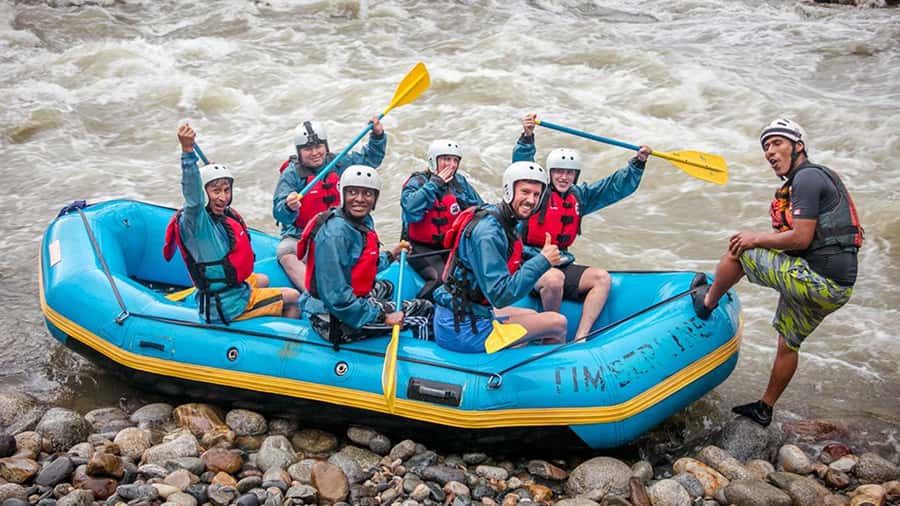
- Bicycle descent on Day 1: 3 to 4 hours of downhill biking sets the tone early.
- Ancient Inca road on Day 2: 7 to 8 hours of walking on preserved stone paths.
- Cocalmayo hot springs: soak after the long hike in Santa Teresa.
- Day 3 canyon-to-train rhythm: a narrow canyon walk, lunch at Hidroeléctrica, then 3 hours along train tracks to Aguas Calientes.
- Early entry for sunrise on Day 4: you aim to be among the first groups inside Machu Picchu.
- Weather can change the plan: rafting may be skipped if the Urubamba is running high.
Inka Jungle to Machu Picchu: what kind of trip is this really?
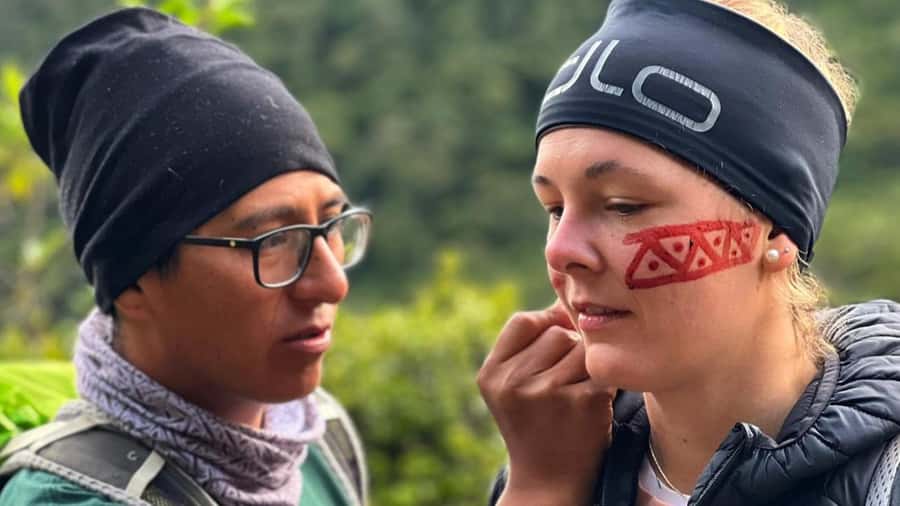
This is an active, mixed-gear trek that trades the comfort-first style of many Peru packages for something more alive. You’ll switch modes—private transport, biking, long walks, a river experience, hot springs, then Machu Picchu at sunrise. If you like your travel days to have motion (and you don’t mind early wake-ups), this works.
The value comes from how much is bundled. You’re not just buying a ticket to Machu Picchu. You’re also paying for route logistics, qualified guiding, meals, and overnight stays in hostels along the way. For many people, that’s what turns a big-name site into a real journey.
The other big factor is control. With a small group and a guide who’s built for adventure, the days tend to feel steady and personal. Still, there are real-world limits: weather affects the river, and Machu Picchu entry logistics can shift. So you should go in with flexibility and pack smart.
Cusco to Abra Málaga to Santa María: Day 1 sets the tempo
Your day starts with a hotel pickup around 06:30. You travel by private transport toward the Malaga pass, then continue to San Luis, which is where the adventure begins.
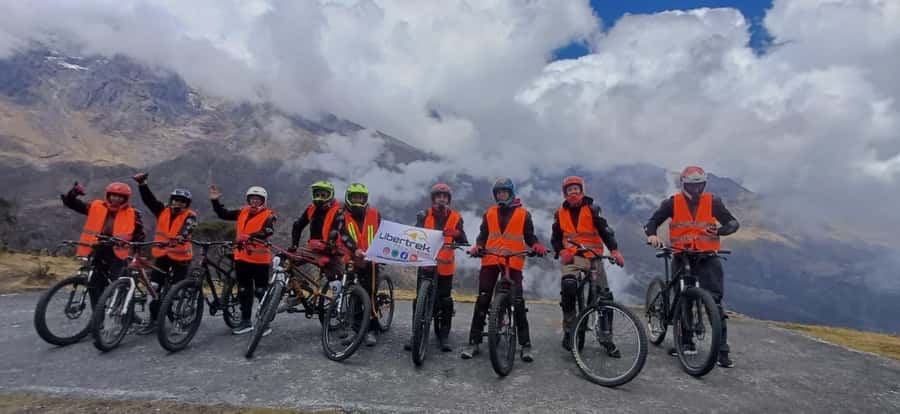
The first highlight for many people is the bike descent. Expect roughly 3 to 4 hours riding downhill until you reach Santa María. This is not a casual stroll, and it’s not a flat ride. Plan for real handling, uneven terrain, and the fact that you’re changing altitude fast. If you’re comfortable with bikes and you like that adrenaline-on-purpose feeling, this is the day that often just clicks.
On the way, you’ll also stop to appreciate the archaeological center of Huamanmarca and you’ll see how the region shifts from high mountain conditions into more jungle-forward terrain. Even when you’re on the move, those quick glimpses matter. They’re the visual hint that today isn’t just transportation—it’s part of the story.
After you reach Santa María, you have time in the afternoon for an optional Urubamba River rafting outing (rapids rated around level III to IV). This is subject to weather between January 1 and March 31. If the river is high on the day of your activity, rafting won’t take place and there’s no refund. If you’re traveling in those months, I’d treat rafting as a bonus, not a guarantee.
Accommodation tonight is in an Inka Jungle hostel in Santa María. This matters because you’re positioning yourself for a long hiking day tomorrow, not staying in a base town that forces you into extra travel.
Day 2: Urubamba River hike on an Inca road, then Cocalmayo hot springs
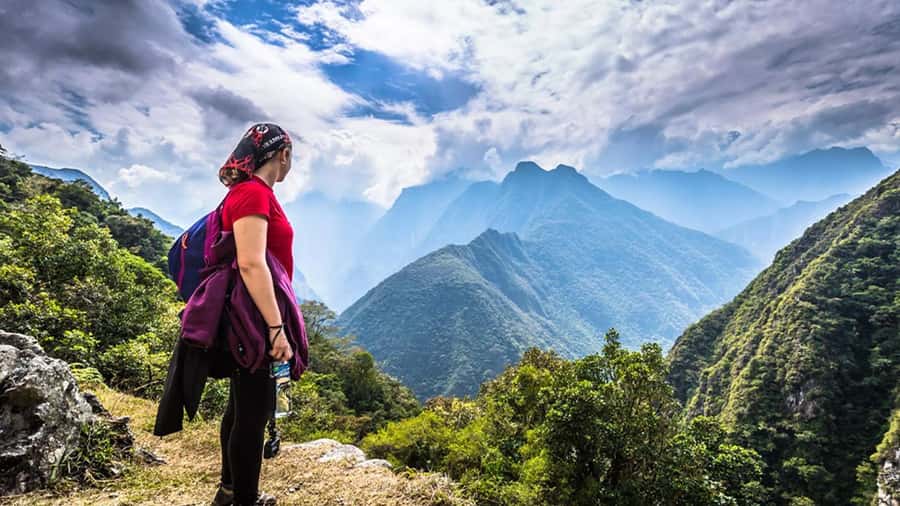
Day 2 is the long one. After an early breakfast, you start walking along the banks of the Urubamba River for about 7 to 8 hours, with ascents and descents built into the route.
This is where the trek earns its name. You’re not just walking in the jungle. You’ll walk along part of an ancient Inca road that’s described as well preserved. When you’re on those stones (and not just looking at ruins from a bus window), you feel how the Incas shaped travel paths through hard terrain.
Along the way you’ll notice fruit and medicinal plants, and you’ll have the chance to learn how locals use them. You’ll also spot wildlife and birds, including parrots. That mix—hard walking plus living nature—is why day 2 tends to be memorable even for people who are tired by lunch time.
Later, you reach the Oroya crossing of the Urubamba River and continue toward Cocalmayo hot springs in Santa Teresa. The hot springs aren’t included as an entry fee, but the soak itself is a major part of the recovery plan after a long day.
This day has two jobs: put miles in your legs, and then give you a way to reset. If you go hard on day 2, the springs help your body pay attention to tomorrow instead of complaining all night.
Day 3: Zip line option, Hidroeléctrica canyon walk, and the 3-hour track walk to Aguas Calientes
Day 3 starts with another optional activity: you can choose a zip line in Cola de Mono after breakfast.
Then the walking begins again. Your route goes to Hidroeléctrica, passing through a narrow canyon where the climate is often more comfortable than you might expect. The point isn’t just the walk—it’s what the walk leads to. You’ll finally get clearer views of the mountain of Machu Picchu, and that changes your whole mindset. Up to this point you’ve been in the trek. Now you start moving toward the destination.
At Hidroeléctrica, you have lunch. After that, instead of hopping straight to town, you continue along the train tracks for about 3 hours until you reach Aguas Calientes.
That track walk sounds simple, but it’s psychologically different from jungle trail walking. It feels more linear, more exposed, and more like you’re arriving. If you hate monotony, you’ll want to manage your energy and keep your pacing steady.
Tonight you sleep in Aguas Calientes. This matters for your Machu Picchu morning because you’re close to the action and you can focus on getting there early rather than squeezing in one more transfer.
Day 4: Sunrise into Machu Picchu plus a guided circuit that hits the big moments
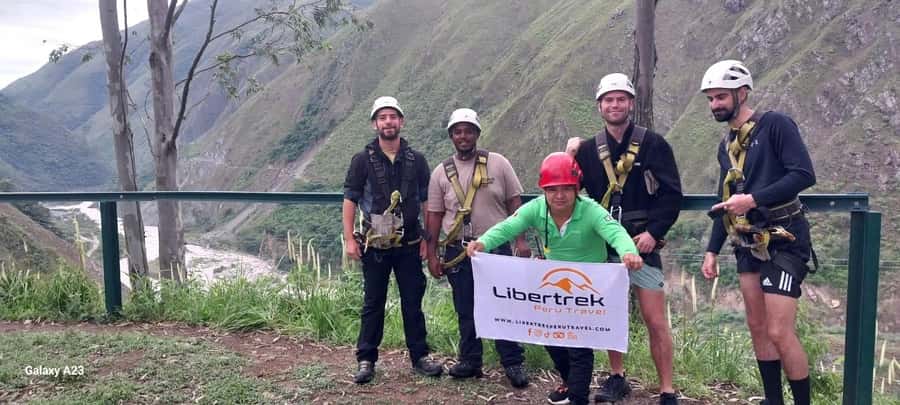
On Machu Picchu day, you wake up in Aguas Calientes and walk up from town to the Inca city. The plan is to have you among the first groups inside so you can aim for sunrise. That early timing is one of the best parts of this whole trek because the site is calmer and the light is better for photos.
Once inside, you get a guided tour focused on major features. The stops include Inti Watana, the Temple of the Condor, the sacred rock, and others. Even if you’ve seen pictures, a guide helps connect the layout to how people moved through the site and why those specific spots mattered.
When your Machu Picchu time ends, you go back down to Aguas Calientes to catch the tourist train to Ollantaytambo. From there, a tourist bus takes you back to Cusco for a hotel drop-off. Your package also includes a private transportation transfer from the Cusco hotel to the Cusco airport.
One small planning note: optional add-ons exist, like Wayna Picchu (USD 65, optional) and bus tickets up and down to Machu Picchu (USD 24, optional). This trek includes the entrance, but not every movement ticket.
Price and value: what $420 buys (and what it doesn’t)
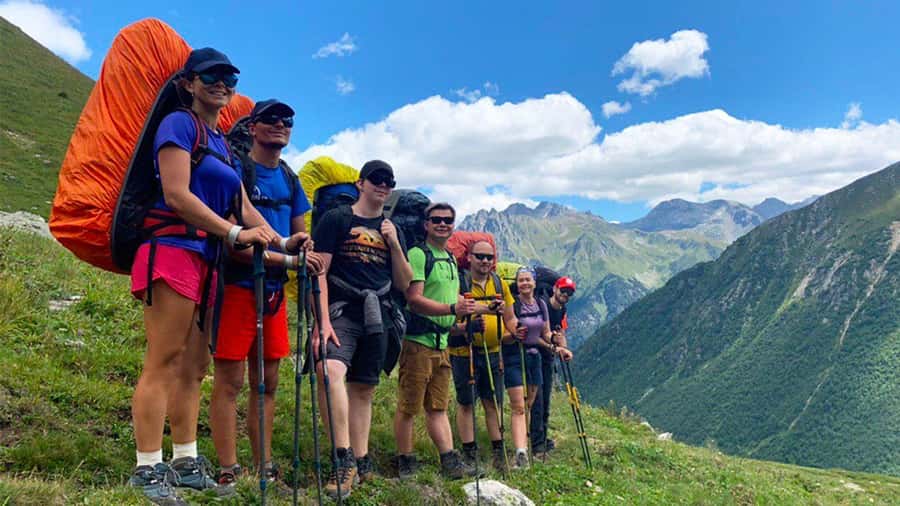
At $420 per person, this isn’t a budget throw-together. It’s priced like a package that replaces a lot of separate decisions. And the value is strongest when you factor in what’s bundled:
Included that’s hard to replicate cheaply:
- A qualified adventure guide for the full experience
- Machu Picchu entrance
- Train from Aguas Calientes to Ollantaytambo
- Transportation portions of the circuit (Cusco to Abra Málaga/San Luis, then Ollantaytambo back to Cusco)
- Meals during the trek (3 breakfasts / 3 lunches / 3 dinners, with specific items not included)
- Biking equipment and other gear like a first aid kit
- Overnight stays in Inka Jungle hostels
- The zip line (optional for you to do on Day 3)
- The rafting component is included but controlled by weather rules in a set season
Not included to watch for:
- Breakfast on the first day and lunch in Aguas Calientes
- Entry to Santa Teresa hot springs
- Wayna Picchu if you want it (USD 65)
- Bus tickets up and down to Machu Picchu if you need them (USD 24)
- Also, rafting has a weather rule with no refund if it doesn’t run when the river is high (in the Jan–Mar period specified)
So the question isn’t just whether $420 feels fair. It’s whether you’d rather pay for a planned, guided route that gets you to Machu Picchu in the first place. If you want the trek style—bike, hike, springs, and sunrise entry—this price starts to look like money well spent.
If you’re the type who only wants a single highlight and hates any chance of weather disruption, you might prefer a calmer itinerary.
The guide factor: why Gustavo and good pacing can make or break it
Many people remember the guide, and that’s not just personality. On an adventure trek, the guide affects how smooth the day feels: when you stop, how you manage pacing, what you learn, and how you handle problems.
In the feedback you’ll find a recurring name: Gustavo. People praised his preparation and how attentive he was to needs, and others pointed out the difference between feeling supported versus feeling left behind.
That’s the balanced truth. With a small group, you’re closer to your guide and decisions show up faster. But you should still protect yourself. Bring a way to keep a small pack manageable, follow the briefing closely, and don’t assume you’ll be able to call for help if you get separated or injured in a low-signal area. One shared experience described a knee injury situation where cell connection was not reliable and the group moved forward without them.
I can’t guarantee how any single day plays out, but you can reduce the odds of a bad outcome by being proactive: pack light enough to move comfortably, follow the route plan, and don’t overestimate your ability to self-manage during a physically demanding day.
Fitness, packing, and the small-backpack lesson
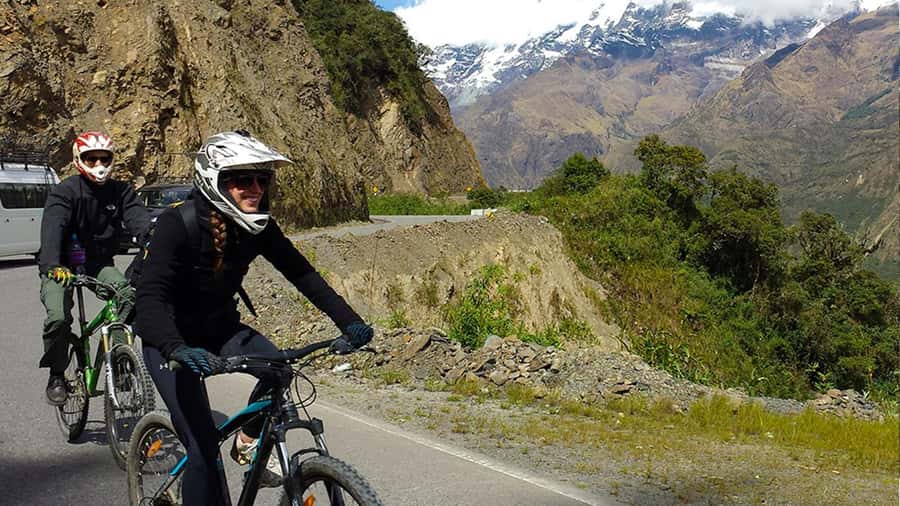
This trek asks for stamina. Day 1 includes 3 to 4 hours of biking. Day 2 is a 7 to 8 hour hike. Day 3 includes another day of walking with a 3-hour track section to Aguas Calientes. Day 4 is also an early climb to Machu Picchu.
You don’t need to be an ultra-trail runner. But you should be realistic: you’ll spend a lot of time on your feet, often with uneven ground and changes in altitude.
Packing is where people often get tripped up. In one case, a participant reported they weren’t clearly told to bring a small backpack, and they ended up lugging a heavier pack for part of day 3 (about 11 km according to that report). Their knee injury story also emphasizes why smart packing matters: if your load is heavy, small problems get bigger fast.
My practical advice:
- Bring hiking shoes you already trust
- Bring a small day pack for anything you need during walking segments
- Wear insect repellent-ready gear for the outdoor days
- Plan for dry sun and strong UV with sunscreen and a hat
What to bring is explicitly listed in the trip details: passport, comfortable shoes, sunglasses, hat, swimwear, towel, camera, hiking shoes, sunscreen, comfortable clothes, insect repellent, cash, hiking pants, and personal medication.
If you do those basics well, the trek feels like an adventure instead of a burden.
Weather and risk realities: rafting and communication gaps
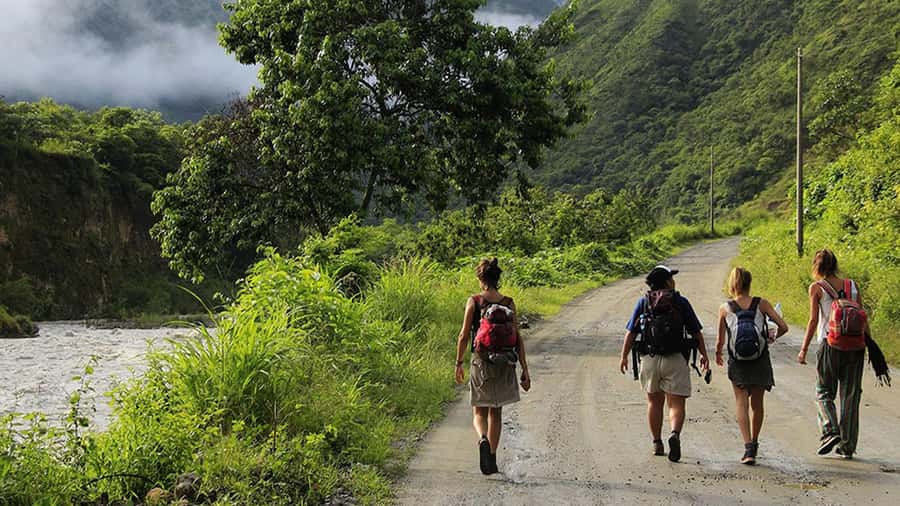
The tour includes river rafting as an included activity, but it is subject to weather conditions between January 1 and March 31. If the Urubamba is high on your rafting day, the rafting will not take place and there is no refund.
That means the best mindset is to treat rafting as a bonus. If it happens, great. If it doesn’t, you still have the hike, the hot springs, and the Machu Picchu payoff.
Weather can also indirectly shape your day: delays, schedule changes, and the way the group moves. One review described rafting being canceled due to high water with no replacement or compensation. Another described a rough injury response where the person didn’t have cellphone coverage during the time they were separated.
You can’t control any of this. But you can prepare:
- Carry your basics (including personal medication)
- Keep your day pack light enough to move fast if needed
- Stay close to the guide and follow the group plan
- If you’re injury-prone, consider how you’ll handle a long day of descents and climbs
It’s not a deal-breaker. It’s a reality check. This trek is outdoor travel, and outdoor travel comes with rules set by rivers and terrain.
Who should book this Inka Jungle trek, and who might skip it
This tour is a great fit if:
- You want a true adventure route to Machu Picchu, not only a train day
- You like variety: biking one day, long hiking another, then hot springs and sunrise ruins
- You’re comfortable with early starts and long walking segments
- You value a small group and an English/Spanish guide
You might skip it if:
- You want a fully predictable schedule with no risk of activity cancellation
- You’re not comfortable with the physical demands of 7 to 8 hour hikes and multiple long walking segments
- You need guaranteed on-site medical support close by at every moment (the provided info doesn’t claim anything about hospital access)
If you’re unsure, the best approach is to be honest with yourself about your fitness and your tolerance for weather-driven changes.
Should you book? My decision checklist
Book this tour if you want Machu Picchu with a build-up. The bike descent, the Inca road walking, the Cocalmayo hot springs, and the sunrise entry all add up to a journey that feels like it belongs to you, not just to a schedule.
Don’t book if your main goal is a relaxed day and you hate uncertainty—because rafting has a clear no-refund weather rule in a specific season, and outdoor logistics can shift.
If you do book, go prepared:
- Bring a small day pack so you’re not stuck carrying more than you should
- Choose hiking shoes that handle uneven ground
- Plan for sun, insects, and dry conditions with the listed gear
- Be flexible with rafting and treat it as a possible bonus
This is a high-reward trek for people who want effort, nature time, and Machu Picchu presented with context.
FAQ
How long is the trip, and what are the main active days?
It’s 4 days / 3 nights. Day 1 includes about 4 hours of Cusco-area travel plus a 3 to 4 hour bike descent. Day 2 is a 7 to 8 hour hike. Day 3 includes walking to Hidroeléctrica and then about 3 hours along train tracks to Aguas Calientes. Day 4 includes a morning walk up to Machu Picchu for sunrise.
What activities are optional or cost extra?
Rafing on Day 1 is optional, and Wayna Picchu is optional for an extra USD 65. Bus tickets up and down to Machu Picchu are optional for USD 24. Hot springs entrance in Santa Teresa is not included. Zip line on Day 3 is listed as an included activity that you can choose to do.
Is rafting guaranteed?
No. The Urubamba rafting activity (listed as Vilcanota in the included section) is subject to weather conditions between January 1 and March 31. If the river is high on your day, rafting won’t take place and there is no refund.
What’s included for Machu Picchu and getting back to Cusco?
You get entrance to Machu Picchu plus a guided tour on Day 4. The package includes the train from Aguas Calientes to Ollantaytambo, and tourist transportation from Ollantaytambo back to Cusco (hotel). It also includes private transport from the hotel to Cusco airport.
Are meals and lodging included?
Yes. The tour includes 3 breakfasts, 3 lunches, and 3 dinners, and you have nightly accommodation in Inka Jungle hostels. The first day breakfast and lunch in Aguas Calientes are specifically listed as not included.
What should I bring for the trek?
Bring a passport, comfortable shoes, hiking shoes, sunglasses, a hat, sunscreen, insect repellent, comfortable clothes and hiking pants, swimwear and a towel, a camera, cash, and any personal medication you need.