REVIEW · LALIBELA
Lasta Mountains: Highland Eco Trekking Tour in Lalibela
Book on Viator →Operated by Highland Eco Trekking Tours Ethiopia · Bookable on Viator
A mountain hike can be loud with views. This one in the Lasta Mountains is interesting because you’re moving off the main tourist tracks while learning real highland life, and you’ll likely catch Gelada baboons and even Ethiopian wolves. I also love the visit to Ashaten Maryam, a still-active mountain monastery with a cave church. The main drawback: it’s an 8-hour day with steady uphill effort and an early start, so you’ll want decent hiking stamina.
What makes this tour feel practical is the way it’s built around a guide and a small group. You get hotel pickup and drop-off, plus snacks, bottled water, and meals so you’re not guessing your energy mid-hike. With a max group size of 12, the pace stays human, not stampede mode.
Here’s the big idea: you’re not just walking for photos. You’re walking to understand how people farm, pray, and live high in the Ethiopian highlands—while the landscape does what landscapes do: it keeps unfolding.
In This Review
- Key things to know before you go
- Lasta Mountains out of Lalibela: the best kind of off-track hiking
- The 7am start: how the day gets set up
- Wildlife chances on the trail: Geladas and Ethiopian wolves
- Ashaten Maryam: the still-active cave church stop
- Highland farming life: old paths, market connections, and real villages
- A quick note on school visits
- Pace and path: what the zick-zack hills really mean
- What’s included in the $95.83 value (and what isn’t)
- Communication and guides: Daniel and Ashu as a clue
- Who this tour suits best (and who should think twice)
- Should you book the Highland Eco Trek in the Lasta Mountains?
- FAQ
- How long is the Lasta Mountains Highland Eco Trekking Tour?
- Where does the tour start and end?
- What time do we meet for the hike?
- Is hotel pickup and drop-off included?
- What wildlife might I see during the trek?
- Are meals, snacks, and drinks provided?
- What is the monastery visit included in the tour?
- How big is the group?
- Is free cancellation available?
- If you want, tell me your hiking level
Key things to know before you go
- You start early and get out of Lalibela quickly (7am meeting, then you’re hiking soon after)
- Wildlife isn’t guaranteed, but it’s a real possibility (Gelada baboons and Ethiopian wolves are on the radar)
- Ashaten Maryam is the cultural anchor with a still-active cave church monastery
- You’ll see how farming communities connect to the wider world through old mountain paths
- Meals, snacks, and bottled water are included, which matters on a full day out in the hills
- Group size stays small with a maximum of 12 travelers
Lasta Mountains out of Lalibela: the best kind of off-track hiking
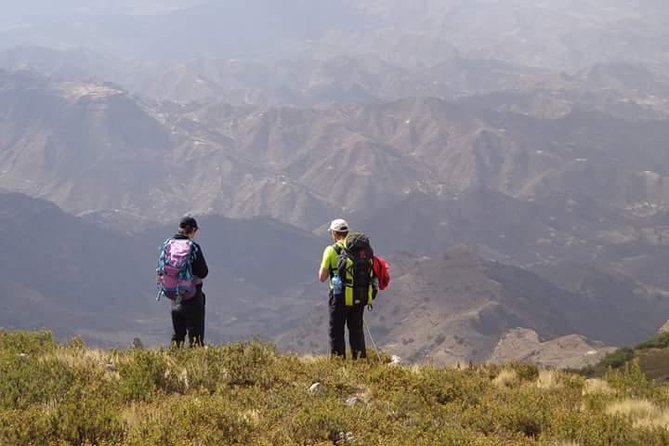
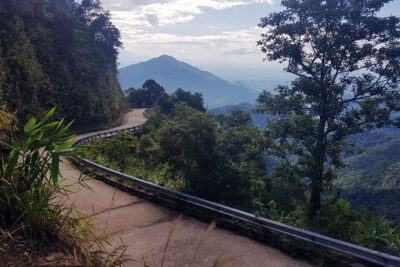
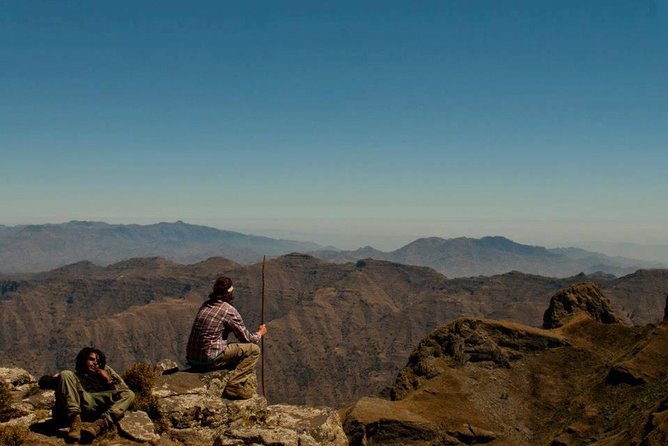
Lalibela already has a special pull: rock-hewn churches, thick history, and that sense of a place that feels lived in. This hike adds a second layer. You get the chance to step away from the main circuits and spend the day in the Lasta Mountains, where the views roll out and the weather changes with altitude.
What I like about this kind of outing is how “eco” isn’t just a label. The tour is framed around the local ecosystem and Ethiopian culture as you walk. That means your guide’s commentary is doing more than filling silence—it helps you notice what you’re seeing: mountain farming patterns, the logic of old paths, and how monasteries fit into daily life.
And yes, you’re there for the walk. But the real value is how the walk connects three worlds: nature, faith, and everyday rural life.
You can also read our reviews of more tours and experiences in Lalibela.

The 7am start: how the day gets set up
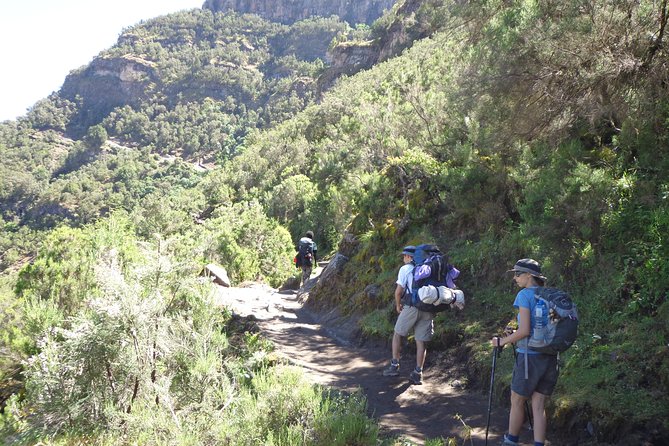
The day begins early, around 7am. If your hotel doesn’t provide breakfast, you’ll meet your trekking guide at a local cafe first, then get a solid start before you head into the hills.
About 30 to 45 minutes after that meetup, the hike begins. You’re out of town fast—within about two minutes you’re already in nature above Lalibela. That quick transition is a big deal on a full-day trek. Less time stuck in traffic or waiting around, more time in the landscape while you still have momentum.
Also, this is where having hotel pickup helps. You don’t have to manage the first logistics piece yourself, and the tour is designed for a smooth start and return to the meeting point.
Wildlife chances on the trail: Geladas and Ethiopian wolves
The Lasta Mountains offer a credible chance at wildlife viewing, and the tour explicitly sets expectations around Gelada baboons and Ethiopian wolves. Let’s keep it real: wildlife isn’t a vending machine. You’re hiking in a living landscape, not a zoo.
But the guide-led format matters. When you’re on foot with someone who knows the area, you’re more likely to notice signs, spot movement, and understand when to pause quietly. Even if you don’t see everything, you still get that “we’re here for nature” feeling because the tour treats wildlife as part of the hike, not an afterthought.
If Ethiopian wolves are on your bucket list, this is one of the more direct ways to chase that hope responsibly. You’re not driving around randomly—you’re spending the day where your guide expects the ecosystem to show itself.
Ashaten Maryam: the still-active cave church stop
One of the best parts of this tour is Ashaten Maryam, a mountain monastery that’s still active, including a cave church. This isn’t “view from afar” church tourism. You’re visiting a working place of worship, which changes how you experience the site. The atmosphere tends to feel more grounded because it’s not staged for visitors.
Cave churches are a big deal in Ethiopia, and this one adds something practical to your understanding. You’ll see how faith is adapted to the terrain, not just placed onto it. The mountain itself becomes part of the spiritual setting.
What I also like: the monastery visit breaks up the physical rhythm. After a stretch of uphill walking, stepping into a sacred space gives your body a mental reset. You also get context for why these sites sit where they do—high ground, protection, and community meaning.
Highland farming life: old paths, market connections, and real villages
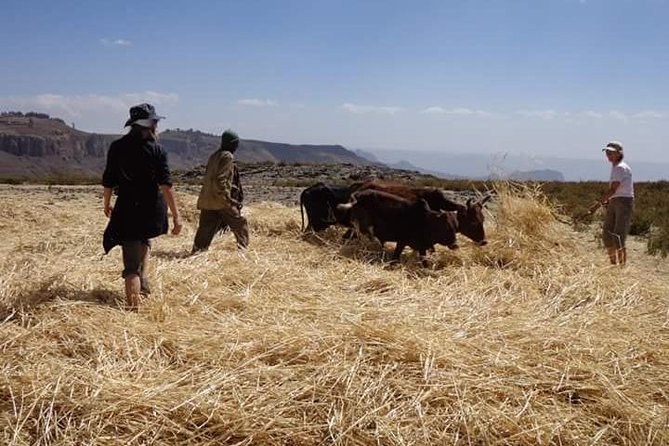
The hike is also about people—specifically the highland farming communities you pass through and meet along the way. You’ll likely visit or interact with locals living in the highlands, and the tour includes a stop connected to a local school.
There’s a detail I find especially telling: the route uses paths that have been worn by many feet over a long time. These trails served as the connection between mountain communities and the broader world, including bringing goods to the Saturday market in Lalibela and moving supplies back home. So when you walk a zick-zack uphill path, you’re not just doing cardio—you’re following the logic of a transport network that existed long before modern roads.
This is where the tour’s “off the beaten path” positioning pays off. You’re not only watching daily life from a distance; you’re walking through the spaces where it happens, with a guide to help translate what you see.
A quick note on school visits
A school stop can be meaningful, but it also means you’ll want to act respectfully and keep things simple. Your guide will set the tone. If you plan to bring anything, make sure it’s appropriate to ask through the guide first—this kind of interaction is best handled locally, not impulsively.
Pace and path: what the zick-zack hills really mean
Expect hills. Lots of them. The tour describes a zick-zack style uphill route to the monastery approach—paths shaped by repeated travel over years. That matters because it affects how you move: you’re not climbing in a straight line, which can feel easier on the legs, but it also means constant effort in smaller bursts.
This is a “steady work” hike, not a stroll. If you’re used to flat city walking, you’ll feel it. Your best strategy is to keep your effort consistent and let your breath be your guide.
The good news is that you’re not alone. You’re hiking with a professional guide in the lead, which adds comfort and safety when you’re unfamiliar with the terrain. Also, the small group size helps: you’re less likely to get separated or stuck waiting for the slowest pace.
What’s included in the $95.83 value (and what isn’t)
At $95.83 per person for about 8 hours, the value here is mostly in what’s covered rather than what you’re paying for.
Included items you’ll feel during the day:
- Hotel pickup and drop-off
- A professional guide
- Meals, snacks, and bottled water
- Beverages (so you’re not running dry)
- Local taxes and the activities themselves
Not included:
- Transportation to/from attractions (even though pickup is offered, you should still confirm how the day’s movements are handled relative to your exact lodging)
Why this matters: on a full-day highland trek, food and water quickly become more expensive and more annoying when they aren’t handled. Here, you’re fed and hydrated as part of the plan, which keeps the hike enjoyable instead of turning into math and guesswork.
Also, the guide is doing real work—navigation, wildlife awareness, cultural commentary, and keeping the group together. That’s hard to replicate on your own unless you already have local trekking experience lined up.
Communication and guides: Daniel and Ashu as a clue
You’ll probably interact with the tour provider before you go, and the experience seems to run well when communication is clear. One past traveler shared that Daniel was responsive over email and WhatsApp when planning a larger trip. Another person emphasized a guide named Ashu for Lalibela highland trekking, praising the welcoming approach and the way rates were handled.
I can’t say those exact guides are assigned to this specific 8-hour outing, but it’s a useful signal. When a company has named, consistent guides and stays responsive during planning, your chance of a smooth day goes up—especially with early departures and trail-based logistics.
Who this tour suits best (and who should think twice)
This tour fits best if you:
- Like walking with a purpose, not just collecting church and view shots
- Want culture + nature together in one day
- Enjoy smaller groups and a guide-led pace
- Are interested in Ethiopian highland farming life and monastery settings
It may be less ideal if you:
- Prefer very light walking or short hikes
- Struggle with steep, continuous uphill effort
- Want a totally self-paced schedule (this is guide-led with a clear early start)
The experience is capped at 12 travelers, so you won’t feel swallowed by a crowd. But it is still a full hike day, not a quick half-day sampler.
Should you book the Highland Eco Trek in the Lasta Mountains?
If you want Lalibela without staying stuck only in the usual landmarks, this is a strong choice. The best parts are the combination: Ashaten Maryam (still active), a meaningful look at highland farming life and local connections, and a wildlife-focused hike where you’re not pretending you control nature. Add in meals, snacks, bottled water, and pickup/drop-off, and the price feels like it’s paying for a guided day done properly.
I’d book it if you’re comfortable with hills and you like your travel with context, not just sightseeing. I’d think twice if you want a slow stroll or if a long uphill day early in the morning will be tough for you.
FAQ
How long is the Lasta Mountains Highland Eco Trekking Tour?
It runs about 8 hours.
Where does the tour start and end?
It starts at D31, Lalibela, Ethiopia, and ends back at the meeting point.
What time do we meet for the hike?
You meet around 7am at a local cafe if your hotel does not provide breakfast.
Is hotel pickup and drop-off included?
Yes, the tour includes hotel pickup and drop-off.
What wildlife might I see during the trek?
You’re likely to see Gelada baboons and Ethiopian wolves.
Are meals, snacks, and drinks provided?
Yes. Meals, snacks, beverages, and bottled water are provided.
What is the monastery visit included in the tour?
You visit Ashaten Maryam, a still active mountain monastery with a cave church.
How big is the group?
The maximum group size is 12 travelers.
Is free cancellation available?
Yes. You can cancel up to 24 hours in advance for a full refund.
If you want, tell me your hiking level
If you share your current fitness and whether you’ve hiked hills in altitude before, I can suggest how to judge if this 8-hour route will feel good for you.