REVIEW · LALIBELA
Lalibela 2-Day Eco Trekking Tour
Book on Viator →Operated by Highland Eco Trekking Tours Ethiopia · Bookable on Viator
Your hike starts in Lalibela’s shadow. This 2-day eco trek takes you from the rock-hewn church area up toward the Atabkit escarpment and into the Lasta Mountains, where the views widen and you spend real time with highlander families. You’ll reach lofty heights (around 3600 meters) and get a taste of daily life up in the highlands, not just another photo stop.
What I like most is how the trip is run with steady, human support. The guides—people like Mareg, Ababa, and Luel—bring context to what you’re seeing and help you navigate both culture and pace with clear English. I also love that the food and basics are handled: breakfast, packed lunch, dinner, snacks, coffee or tea, and bottled water are all included, so you can focus on walking and looking around.
One consideration: the Asheten Maryam monastery entrance fee isn’t included, and you’ll be starting around 7:00 a.m. Plan for an early morning and come with moderate trekking fitness, especially for the climb up toward the plateau.
In This Review
- Key Things That Make This Trek Worth It
- Why This 2-Day Lalibela Eco Trek Gets You Past the Usual Stops
- Getting Ready: 7:00 a.m. Starts, Mules, and What to Bring
- Day 1 Up Toward Ad Medhane Alem: Monastery, Lunch Breaks, and Village Life
- Stop 1: Asheten Maryam Monastery (about 3 hours)
- Stop 2: Medhane Alem Church, then onward to Ad Medhane Alem (another ~3 hours)
- What village stay means in practice
- Day 2 Back Toward Lalibela: Morning Pace and an Afternoon Finish
- Food, Water, and Comfort: What’s Actually Included
- Guides Make or Break It: Mareg, Ababa, and Luel’s Translation Skills
- Price and Value: Is $213.77 a Fair Deal?
- Who This Trek Suits Best (and Who Might Rethink It)
- Should You Book the Lalibela 2-Day Eco Trekking Tour?
- FAQ
- What time does the tour start?
- Where can I meet the guide?
- Is pickup offered?
- What’s included in the price?
- Are entrance fees included for churches or monasteries?
- How long is the trek each day?
- Is this tour private?
- Can I cancel for a full refund?
Key Things That Make This Trek Worth It
- A starting point that fits your arrival: meet your guide at the hotel, the trekking office, or you can begin right after landing at the airport.
- Village living, not a quick pass-through: you stay with local highlander families and can join in daily activities.
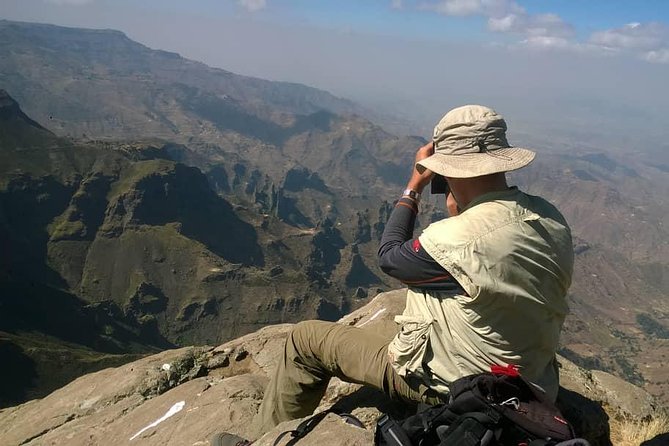
- High views at altitude: the Ad Medhane Alem area sits around 3600 meters and overlooks Lalibela, Wollo, and beyond.
- Lunch that arrives for you: a cook brings lunch during the day, so you’re not stuck searching for food mid-trek.
- Guides who translate and explain: guides such as Mareg, Ababa, and Luel are singled out for making the experience easier and more meaningful.
- Private-group feel: it’s a private tour/activity, so the timing and pace stay in your group’s hands.
Why This 2-Day Lalibela Eco Trek Gets You Past the Usual Stops
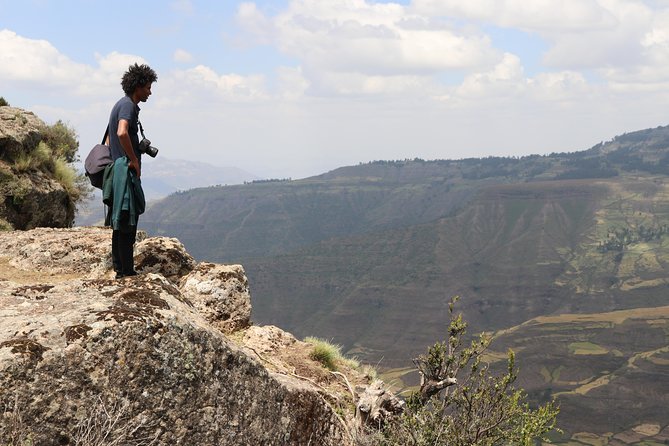
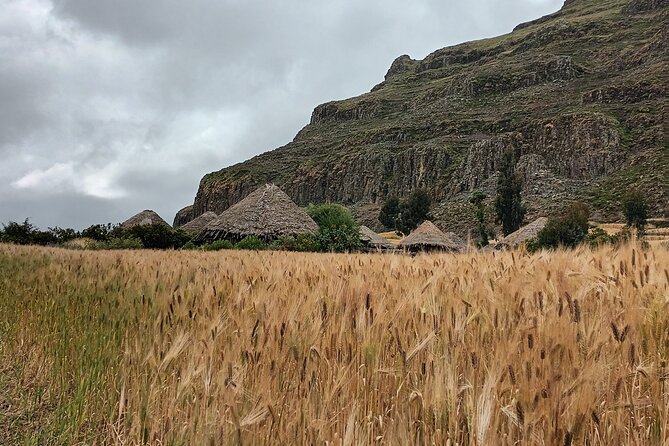
Lalibela is famous for churches carved from rock, but this trek nudges you to experience the country beyond the stonework. After you’ve taken in the churches, you head uphill into a highland world with different air, different vegetation, and a slower rhythm.
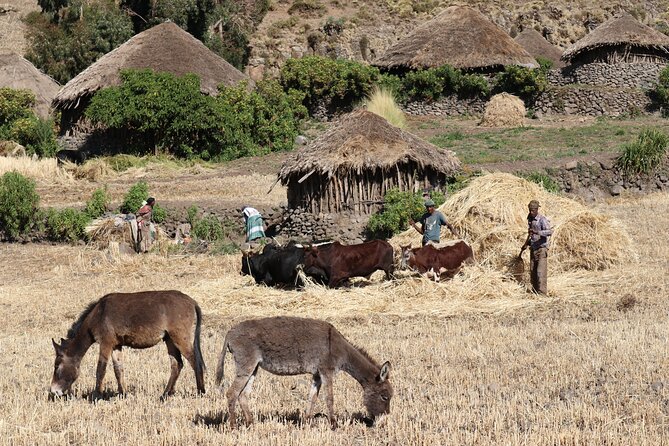
The heart of the experience is the shift from “tour mode” to “walk and live.” You meet the farmer community along the way, you spend the night with a family in the village area, and you’re not just observing from a distance—you can participate in daily activity. That’s what makes this feel eco in the real sense: not just “green marketing,” but time spent with local life and a route that depends on relationships, not crowds.
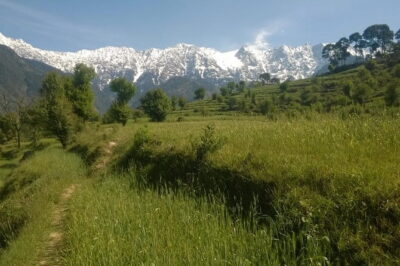
Also, the views aren’t an afterthought. As you get higher—up near the Ad Medhane Alem plateau area—you can look out over Lalibela and toward the larger regions of Wollo, Gondar, and Tigray. It’s the kind of height where the world feels bigger, and the walking becomes its own reward.
You can also read our reviews of more tours and experiences in Lalibela.
Getting Ready: 7:00 a.m. Starts, Mules, and What to Bring
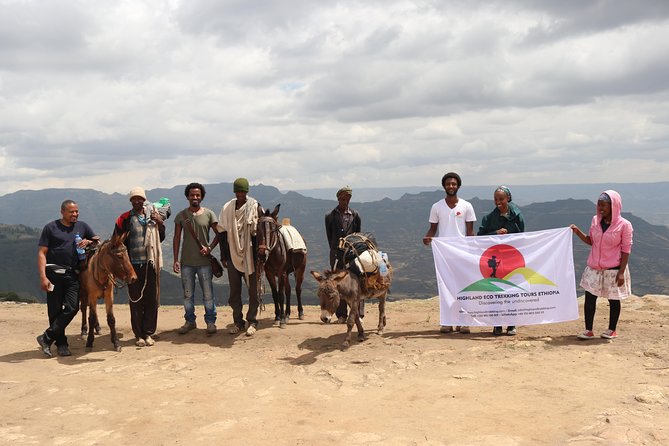
The day starts early: the meeting time is around 7:00 a.m. (you’ll meet your guide either at your hotel or at the Highland Eco Trekking office). If you haven’t lined up details in advance, it’s smart to confirm the plan the day before—especially if your hotel didn’t feed you well, since the trip normally begins with a hearty breakfast at a local cafe if needed.
You’ll also have a mule man involved, and the mule is part of the trekking setup. It’s practical: it helps with carrying what needs carrying so you can focus on walking. It’s also a reminder that this is a working highland route, not a paved-path stroll.
What to pack for this kind of hike (based on altitude + two full days):
- Comfortable hiking shoes you trust for uneven ground
- A light jacket or warm layer you can add as you climb (you’ll be around 3600 meters)
- Sun protection (even in cooler air, sun still hits hard)
- A reusable water bottle is nice, even though bottled water is included
The trip lists the fitness level as moderate. If you can handle a steady climb and keep a reasonable hiking pace, you’ll likely be fine.
Day 1 Up Toward Ad Medhane Alem: Monastery, Lunch Breaks, and Village Life
Day 1 is built around three big ideas: a monastery stop, a gradual climb deeper into the highlands, and then time at (and above) the plateau where the views open up.
Stop 1: Asheten Maryam Monastery (about 3 hours)
You start the morning by meeting your guide (and your mule setup), then head out toward the Asheten Maryam Monastery. This is a real church-and-community moment, not just a wall to stand by. The tour typically includes 3 hours here, and this stop requires an admission ticket that is not included.
One practical tip: treat the monastery visit like part of your acclimatization. You’re not just rushing to “get trekking.” You’re easing into the day with a meaningful setting, and it sets the tone for the rest of the hike.
If you didn’t get a good breakfast at your hotel, the tour can begin with breakfast at a local cafe so you’re solid for the climb. That small detail matters on a day like this.
Stop 2: Medhane Alem Church, then onward to Ad Medhane Alem (another ~3 hours)
After your monastery time, the route pushes you further up. The vegetation becomes lighter and the terrain feels rougher—exactly what you want from an eco trek that’s meant to go into the highlands.
At midday, lunch is brought to you freshly prepared by the company cook. You’re not forced into a scramble for food, which keeps your energy steady. Then you continue toward Ad Medhane Alem (Atabkit), a big plateau area overlooking Lalibela and the Wollo land, with views stretching toward regions like Gondar and Tigray.
At this elevation—around 3600 meters—it’s also a great place for bird-spotting. Even if you’re not a hardcore birder, it’s a memorable shift: you start noticing wing motion and calls instead of just focusing on your footing.
After lunch and a long break, you keep walking toward the Ad Medhane Alem Village near Astabir, which becomes your “home” for the night. You’re there long enough to feel the rhythm of the community.
What village stay means in practice
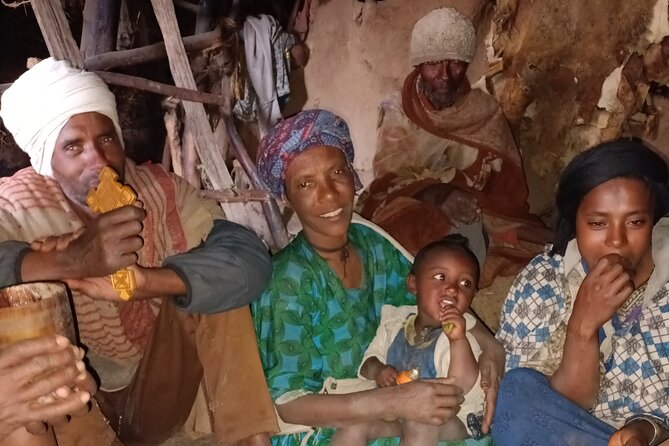
Accommodation is included, and the experience is designed around meeting the family and joining in daily activity. You might help with something small, watch how life is organized, and learn what “normal” looks like here—at high altitude, with farming and community time shaping the day.
This is where the guides matter. In the reviews, guides like Mareg and Ababa are praised for how much context they bring and how well they connect culture to what you’re actually seeing. Another guide named Luel stood out for strong English and thoughtful translation.
If you’re the type of traveler who likes to talk (even with a language gap), this part will likely be a highlight.
Day 2 Back Toward Lalibela: Morning Pace and an Afternoon Finish
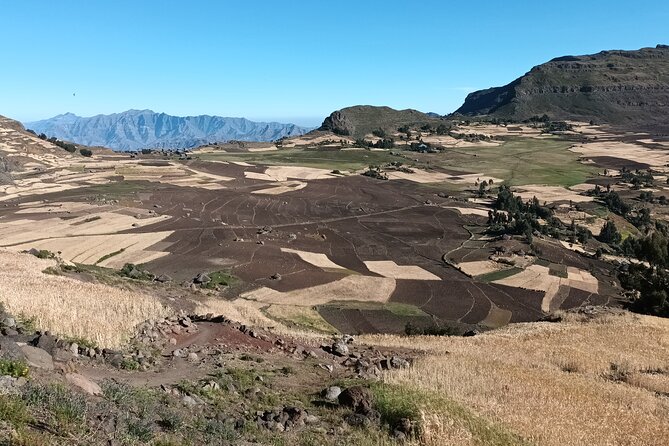
Day 2 starts after breakfast. You gather your things and head out again on foot, with breaks along the way to take in views or see animals.
The walk toward Lalibela takes about 5 hours, and the tour typically reaches town around 4-ish in the afternoon. That timing is useful: it gives you a full hiking day without ending so late that you lose the evening.
On this return route, you’re already conditioned by day 1. Your focus shifts from “Can I make it?” to “Look around—there’s still a lot to notice.” The highland feel stays with you as you descend back toward Lalibela’s church area and familiar town energy.
Food, Water, and Comfort: What’s Actually Included
For $213.77 per person, you’re not just paying for a guide and a trail. You’re paying for a complete walking day that includes the essentials that often get forgotten in cheaper trekking deals.
Included:
- Breakfast and dinner
- Lunch (listed as 2 lunches across the two days)
- Snacks
- Bottled water
- Coffee and/or tea
- English-speaking guide
- Accommodation
- All activities on the trek (including time with farmers)
- A way to store not-needed luggage in Lalibela at the office
That luggage storage detail is quietly helpful. Trekking usually means you pack less for the hike and keep your day-to-day stuff safe. Having an office option in Lalibela reduces the stress.
One more note: since the monastery entrance for Asheten Maryam isn’t included, budget separately for that ticket. It’s the only clearly listed entrance cost.
Guides Make or Break It: Mareg, Ababa, and Luel’s Translation Skills
This trek is easy to enjoy when the guide can connect the dots. That’s exactly what shines in the guide feedback you’ll see tied to this company: Mareg and Ababa are described as sharing lots of information and helping make the experience special, while Luel is praised for excellent English and cultural knowledge.
Here’s why that matters to you on the ground:
- You’ll understand what you’re looking at more clearly at religious sites and village stops.
- You’ll feel less like you’re guessing at what’s expected.
- You’ll get better at reading the pace of the day—when to pause, when to walk steadily, when to ask questions.
If you care a lot about connecting stories to places, this tour will likely feel more like a guided cultural walk than a plain trek.
Price and Value: Is $213.77 a Fair Deal?
At $213.77 per person for a two-day trek, the price lands in the “not cheap, but not random” category. What makes it feel like value is that so much is bundled in: meals (including both lunches and dinner), accommodation during the village stay, bottled water, snacks, guide support, and luggage storage.
A lot of low-cost trekking options look cheaper until you factor in the real costs—food you have to buy, extra guiding, and lodging arrangements. Here, those basics are handled for you. You’re basically paying for a managed experience that reduces the work you’d otherwise have to do yourself.
The one extra cost you should plan for is the Asheten Maryam monastery entrance fee. If you’re okay with that and you want an experience centered on both trekking and community time, the price is easier to justify.
Who This Trek Suits Best (and Who Might Rethink It)
This tour fits you best if:
- You want more than churches and want to spend time in the highlands
- You’re comfortable hiking with a moderate fitness level
- You like meeting families and joining day-to-day activities (not just sightseeing)
- You appreciate guides who explain what you’re seeing and translate when needed
You might reconsider if you:
- Want a purely relaxed walk with minimal climbing
- Don’t like early starts (7:00 a.m. is part of the deal)
- Are very sensitive to altitude climbing toward roughly 3600 meters
If you fall in the middle—curious, motivated, and physically able—this is the kind of trek that pays you back fast.
Should You Book the Lalibela 2-Day Eco Trekking Tour?
If your goal is to balance Lalibela’s iconic churches with a highland hike that includes a village night, I’d say yes—especially for your first trek in the area. The standout value is the full package: guide + food + accommodation + community activities, all wrapped into a two-day route that moves from monastery and church sites up toward the Atabkit plateau views.
The biggest “do it right” checklist is simple:
- Plan for the Asheten Maryam entrance fee
- Show up ready for a 7:00 a.m. start
- Bring clothing for cooler, higher air
If you want a guided experience that connects the stones of Lalibela to the living landscape around it—through people, walking, and views—this is a strong choice.
FAQ
What time does the tour start?
The trek starts at 7:00 a.m. You’ll meet your guide either at your hotel or at the Highland Eco Trekking office.
Where can I meet the guide?
You can meet the guide at your hotel, at the Highland Eco Trekking office, or in some cases right on arrival at the airport.
Is pickup offered?
Yes. Pickup is offered, and the guide can meet you at your hotel or the office.
What’s included in the price?
The tour includes breakfast, dinner, lunch (2), snacks, bottled water, coffee and/or tea, accommodation, and an English-speaking guide. It also includes all trek activities, including time with farmers, and allows safe storage of not-needed luggage in Lalibela.
Are entrance fees included for churches or monasteries?
The entrance fee for Asheten Maryam Monastery church is not included. The Medhane Alem church/plateau stop is listed as admission ticket free.
How long is the trek each day?
Day 1 includes about 3 hours at Asheten Maryam Monastery and about 3 hours at Medhane Alem Church/route toward the Ad Medhane Alem area. Day 2 is about 5 hours of walking back toward Lalibela.
Is this tour private?
Yes. It’s described as private, meaning only your group participates.
Can I cancel for a full refund?
Yes, with free cancellation up to 24 hours before the experience’s start time for a full refund. If you cancel less than 24 hours before, it won’t be refunded.