REVIEW · POKHARA
Experience Mardi Himal Trek
Book on Viator →Operated by Himalayas On Foot - Day Tours · Bookable on Viator
Mardi Himal rewards quiet effort with big sky views. This six-day trek from Kande toward Mardi Himal Base Camp mixes forest walking with possible sunrise moments, all under the ACAP permit and friendly tea-house stops. You’ll move at a hiking pace, not a climbing pace, while the scenery keeps stepping up.
I like how the logistics stay simple: car from Pokhara to Kande, tea-house/lodge nights on the route, and a licensed guide with insurance and food. Safety gear is part of the plan too, including a first aid kit and oximeter.
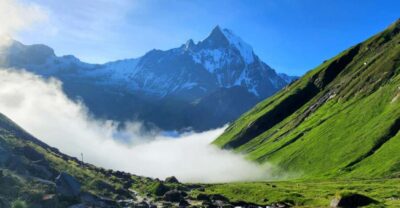
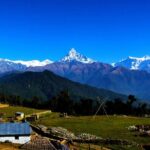
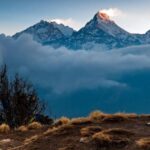
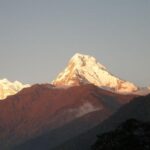
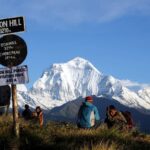
I also like the payoff: views of Machhapuchhre (Fishtail), the Annapurna and Dhaulagiri ranges, and a day that climbs to 4,500m before turning back. The main consideration is altitude; you’ll gain height day by day, so go slow and don’t treat it like a casual walk.
In This Review
- Key highlights to know before you go
- Mardi Himal in six days: what the trek is really like
- Day 1: Pokhara to Kande and Forest Camp at 2,600m
- Day 2: Machhapuchhre (Fishtail) as you climb to Low Camp
- Day 3: Above the tree line to High Camp at 3,580m
- Day 4: The long push to Mardi Himal Base Camp (4,500m)
- Day 5: Descent to Siding Village and the return toward Pokhara
- Day 6: From the hills back to Kathmandu
- Value check: what $760 gets you (and what it doesn’t)
- The guide team matters: Surendra and Yaka style of support
- What to pack and how to plan your days (practical)
- Who should book the Mardi Himal Trek?
- Should you book? My honest recommendation
- FAQ
- How long is the Mardi Himal Trek?
- What altitude range does the trek cover?
- Is pickup offered?
- What’s included in the trek price of $760 per person?
- Are meals included during the trek?
- Do I need travel insurance?
- Is a porter included?
- Is the visa fee included?
- Can I cancel and get a full refund?
- What’s the return to Kathmandu like?
Key highlights to know before you go
- ACAP permit included so you don’t have to sort paperwork mid-trip
- Licensed guide with insurance plus practical safety support (first aid kit, oximeter)
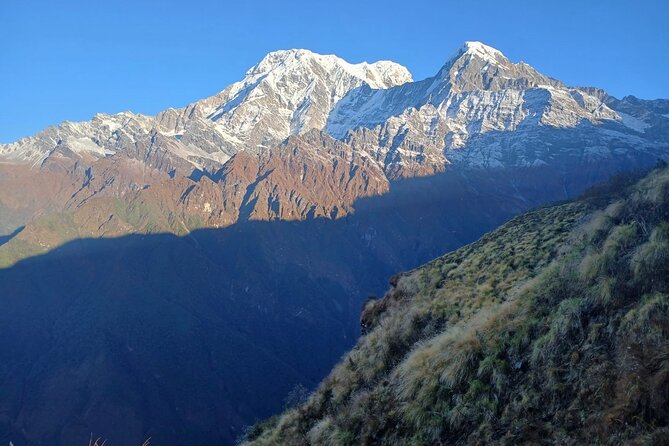
- Fishtail sightings early while you’re still in dense forest
- Tree-line to High Camp for that clear, wide-mountain feeling
- Sunrise + Mardi Himal Base Camp day with the highest point at 4,500m
- Support that works for beginners when pacing and expectations are handled well
Mardi Himal in six days: what the trek is really like
Mardi Himal sits in the Annapurna region and is shaped for people who want big mountain moments without technical climbing. Your route is built around gradual trail days with overnight stops, so you’re not guessing where you’ll sleep or how the day’s rhythm works.
What makes this trek feel good is the mix. You spend time moving through rhododendron and oak forests at lower elevations, then you gradually trade trees for open views. By the time you’re higher, the trail is doing something different: it’s about seeing farther, not just walking longer.
And the itinerary is designed to let the view build. You start with Kande and forest trekking, then you add altitude in steps: Forest Camp (2,600m), Low Camp (3,150m), High Camp (3,580m), and finally Mardi Himal Base Camp (4,500m). That staging matters because you feel the change before it hits you all at once.
You can also read our reviews of more tours and experiences in Pokhara.
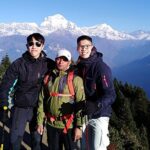
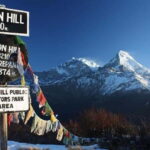
Day 1: Pokhara to Kande and Forest Camp at 2,600m
Your trek begins with a scenic drive from Pokhara to Kande (about 1.5 hours). Then you switch from road to trail with an 8 km walk that takes around 5 hours, climbing from about 1,770m up to Forest Camp at 2,600m.
This is the day to get your bearings. You’re moving through lush forest with rhododendron and oak trees, which usually means steady footing and a cooler, calmer start. It’s also a good day for settling in with your trekking rhythm: how long you rest, how often you drink, and how your legs feel when the slope first starts.
You’ll sleep in a tea house or lodge (included). That matters because it keeps the evening simple: warm food options, a place to dry out, and enough down time to prepare for the next altitude jump.
One practical tip: pack like you’ll need your main layers soon. Day 1 isn’t the coldest, but once you’re above the forests, evenings can feel sharper.
Day 2: Machhapuchhre (Fishtail) as you climb to Low Camp
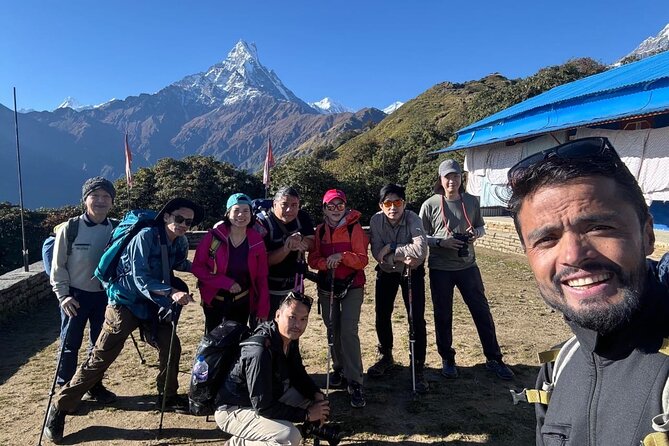
Day 2 covers about 6 km in 4–5 hours, moving from Forest Camp (2,600m) to Low Camp (3,150m). The ascent is gradual, and that’s a big deal on this trek. You’re not thrown into a sudden grind right away.
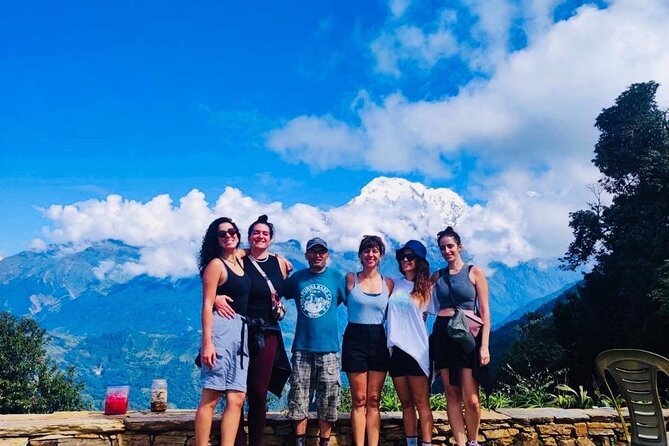
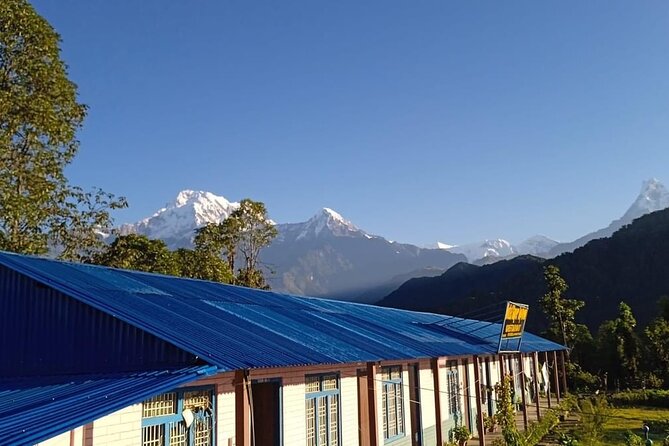
As you climb, your reward is visibility—especially toward Machhapuchhre (Fishtail). Seeing it depends on weather, but the trail is set up so your day includes moments when the peaks open up between forest sections.
After yesterday’s wooded hiking, today starts to shift the feel of the hike. The air tends to feel thinner, and you’ll notice your pace has to be slower than you’d walk at sea level. This is exactly where a guide helps. A licensed, experienced trek leader can keep you moving safely and avoid the common mistake of starting too fast.
You’ll overnight at Low Camp in a tea house or lodge again, and this is when you should focus on hydration and steady breathing, not speed.
Day 3: Above the tree line to High Camp at 3,580m
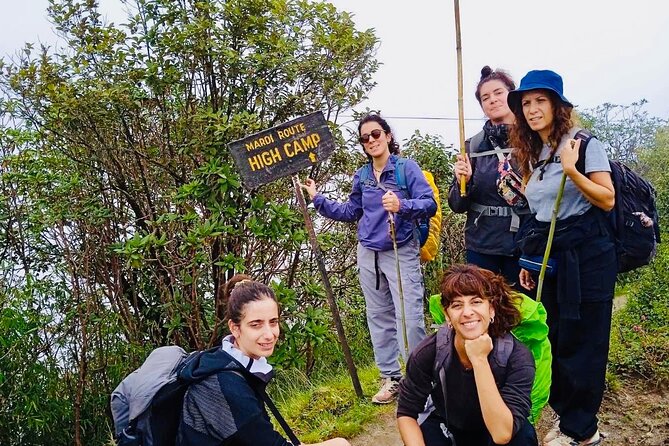
On Day 3 you hike about 7 km for 4–5 hours, rising from Low Camp (3,150m) to High Camp (3,580m). This is the day most people notice a clear change: you go above the tree line.
Once trees thin out, your view expands. You’ll get broader sightlines toward the Annapurna and Dhaulagiri ranges, and the walking tends to feel more exposed. It can be mentally easier because you can see where you’re headed, but physically you still need a careful pace because oxygen levels drop.
This is also the day where you’ll likely feel the “mountain mood” more strongly—wind, temperature swings, and that kind of stillness you only get at higher elevations. Bring layers that handle both sun and shade, and keep your breaks short and frequent rather than long and late.
That night at High Camp is another tea-house/lodge stay. It’s included in the trek cost, which means you’re paying for a complete experience rather than piecemeal decisions.
Day 4: The long push to Mardi Himal Base Camp (4,500m)
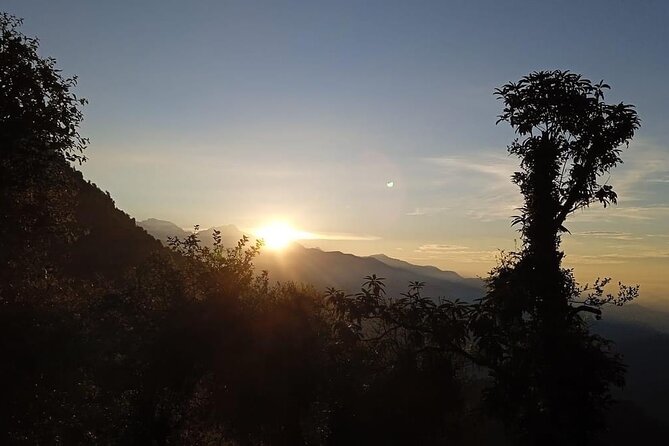
Day 4 is the big day: a hike of about 10–12 km that takes around 6–7 hours. You start from High Camp (3,580m), climb up to Mardi Himal Base Camp (4,500m), and then return to High Camp.
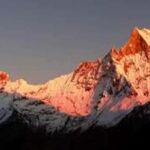
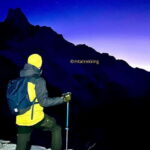
This is the day with sunrise in the plan, which matters because early Himalayan light often makes the peaks look sharper and more dramatic. Even if you don’t catch perfect sunrise conditions, you’ll still be walking through the highest section on the route, where views get close and wide at the same time.
The highlight here is the close-up feel of Mardi Himal along with the surrounding peaks. You also get the satisfaction of reaching the trek’s named destination before turning back to sleep at High Camp again.
A consideration: this is longer than the earlier days. If you’re new to altitude hiking, this is where pacing matters most. Go steady. Keep your effort even. Let your breathing set your speed. A day like this is about finishing strong, not proving something on the way up.
Day 5: Descent to Siding Village and the return toward Pokhara
Day 5 is a welcome change: it’s mostly a descent, and it brings you back down to the feel of lower country. You hike about 8 km (around 4–5 hours) from High Camp (3,580m) to Siding Village (1,700m), then you get about a 2-hour drive back.
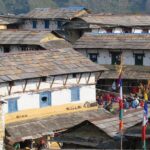
The route takes you through terraced fields and traditional village areas. You’ll also have a chance for interaction with local Gurung community life (the trek plan specifically highlights this). It’s one of those moments where the trek becomes more than hiking—you see how people live far from city routines, and you realize your walking path is tied to real communities.
This day also gives your legs time to recover. Going downhill can still be hard on knees, but the overall altitude reduction usually feels like relief.
After arriving and settling back, you’re not stuck thinking about logistics. The trekking package handles the transport back toward Pokhara.
Day 6: From the hills back to Kathmandu
Day 6 focuses on getting you home. The plan includes travel from the trek area back to Kathmandu using tourist bus service, listed at around 7 hours.
One small but useful note: the trek program includes a flight ticket to Pokhara and a tourist bus to Kathmandu, plus a 3-star hotel night in Pokhara (one night). That means the experience isn’t just hiking; it’s a full loop that connects Kathmandu, Pokhara, and the trail.
If you’re planning flights on either end, aim for buffer time so delays don’t squeeze your schedule. Mountain regions move on different time rhythms, and travel days can take longer when weather plays games.
Value check: what $760 gets you (and what it doesn’t)
At $760 per person for about 6 days, the value comes from what’s bundled, not just the trek itself.
Included items you should take seriously:
- Guide: a professional, trekking licensed guide with his insurance and food
- Permits: ACAP (Annapurna Conservation Area Permit) included
- Lodging: tea house or lodge stays during the trek
- Medical support: a well-equipped first aid kit and oximeter
- Cold-weather help: sleeping bag, down jacket, and duffle bag if necessary (and returned after the trek)
- Meals on the trail: breakfast (5), lunch (5), dinner (4)
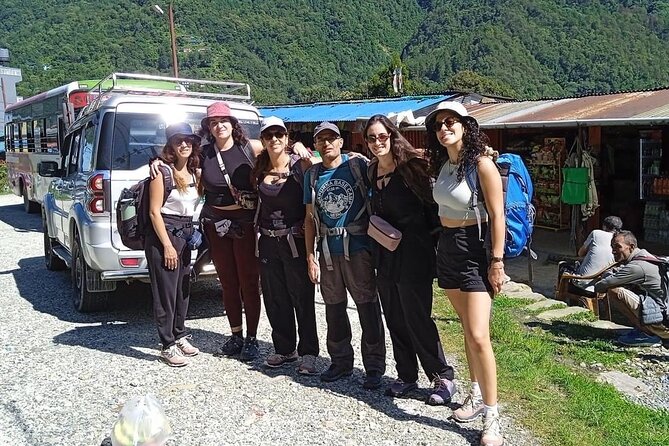
- Main transfers: Pokhara to Kande by car, and Shiding back to Pokhara by private jeep
- Ground and air routing: flight to Pokhara, plus tourist bus to Kathmandu, and one night in a 3-star hotel in Pokhara
- Mobile ticket and taxes/VAT/service charges covered
What’s not included (and you’ll want to budget):
- Nepal entry visa fee
- Porter cost
- Travel insurance (compulsory)
- Meals in Pokhara (lunch and dinner)
- Personal expenses: drinks, hot/cold beverages, Wi-Fi, charging, and other extras
- Tipping your guide and porters
The big takeaway: this cost is built to reduce decision fatigue. You’re paying for a controlled trek experience rather than collecting separate invoices every day.
The guide team matters: Surendra and Yaka style of support
Two names show up in the positive feedback: Surendra and Yaka. That’s a good sign because it suggests consistent on-the-ground management, not a random handoff.
What you can learn from that: the best treks handle the small stuff before you ask. Things like timing transfers, keeping the day’s pace realistic, and giving clear trekking planning advice make a difference—especially if you’re more anxious than excited before your first high-altitude hike.
The trek also includes practical safety tools (first aid kit and oximeter), plus a guide who is trekking licensed and carries insurance. That doesn’t eliminate risk, but it changes how seriously safety is treated.
What to pack and how to plan your days (practical)
You’ll move from about 1,770m up to 4,500m, then back down to 1,700m. Even if the route is planned for most travelers, treat this as altitude hiking.
Here’s a practical approach based on what the trek provides and what you’ll still want:
- Bring layers for big temperature swings; you’ll likely feel it most in mornings and evenings at higher camps
- Wear trekking shoes with good grip for forest paths and rocky sections near higher camps
- Expect longer walking on Day 4 (10–12 km) even though earlier days are shorter
- Keep your water routine steady; the plan includes safety gear, but you’re still the one managing hydration
- Pack for cold: if you’re given a down jacket or sleeping bag only if necessary, confirm sizing and plan so you’re not scrambling at the trailhead
Also, this is a private tour/activity, meaning only your group participates. That’s useful if you like getting advice tailored to your pace instead of feeling like you’re stuck behind someone who hikes way faster.
Who should book the Mardi Himal Trek?
This trek is a good match if you want:
- A structured 6-day trek with tea-house/lodge comfort
- Big view days without technical climbing
- Guided support with safety gear and altitude awareness
- A route that includes village descent and cultural contact (Siding Village and Gurung community interaction)
It might not be the best fit if you:
- Struggle with altitude and can’t commit to a slower pace
- Don’t want a longer summit-style push on Day 4
- Want a fully self-supported trek (porters aren’t included, so you’ll need to decide if you carry more than you want)
Should you book? My honest recommendation
If you want a well-organized Mardi Himal experience with permits handled, safety tools in place, and a guide team that’s clearly responsive, this is the kind of package that removes stress from the trek.
I’d book it if you’re comfortable hiking multiple days, accept that Day 4 is longer and higher, and you’re willing to plan for altitude responsibly. I would skip or reconsider if you have known altitude problems or you don’t plan to move slower than your normal walking pace.
Bottom line: you’re paying for a guided, supported trek that aims to keep you moving safely while delivering the key payoff—Machhapuchhre views and reaching Mardi Himal Base Camp.
FAQ
How long is the Mardi Himal Trek?
It’s listed as 6 days approximately.
What altitude range does the trek cover?
You go from about 1,770m at Kande up to 4,500m at Mardi Himal Base Camp, then descend to around 1,700m at Siding Village.
Is pickup offered?
Yes, pickup is offered.
What’s included in the trek price of $760 per person?
The package includes Pokhara to Kande by car, Shiding to Pokhara by private jeep, a professional trekking licensed guide with insurance and food, tea house or lodge accommodation, the ACAP permit, specified meals on the trek days (breakfast 5, lunch 5, dinner 4), medical supplies (first aid kit and oximeter), and included transport elements such as flight ticket to Pokhara, a tourist bus to Kathmandu, and one night at a 3-star hotel in Pokhara. Taxes, VAT, and service charges are included too, along with a mobile ticket.
Are meals included during the trek?
Yes. Breakfast is included for 5 mornings, lunch for 5 days, and dinner for 4 days. Lunch and dinner in Pokhara are not included.
Do I need travel insurance?
Yes. Travel insurance is listed as compulsory.
Is a porter included?
Porter cost is not included, so you’ll need to arrange or budget for that separately if you want one.
Is the visa fee included?
No. The Nepal entry visa fee is not included.
Can I cancel and get a full refund?
Yes, free cancellation is available. You can cancel up to 24 hours in advance for a full refund, but cancellations made less than 24 hours before the start time are not refunded.
What’s the return to Kathmandu like?
The plan includes a tourist bus to Kathmandu, listed at about 7 hours.