REVIEW · POKHARA
Pokhara: 9-Day Annapurna Base Camp Trek with Poon Hill
Book on GetYourGuide →Operated by MTA Trekking Pvt. Ltd. · Bookable on GetYourGuide
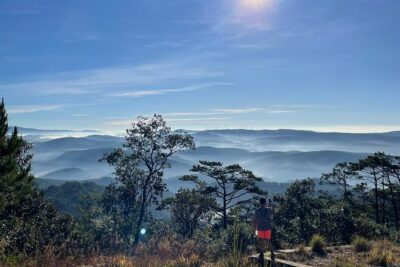
Sunrise on Poon Hill turns hiking into theater. I love how this trek layers Himalayan morning light with real village trails, not just a long march. You’ll also get guided support in English or Hindi, plus that classic Annapurna Range lineup in the distance.
I also like the mix of rhododendron forests and culturally lived-in stops—tea houses, local paths, and time in small communities. A key consideration: the climb has serious stairs early on, and reaching 4,130m means altitude is a real factor even if it’s rare for many people.
In This Review
- Key highlights worth planning around
- Why this Annapurna trek starts with Poon Hill magic
- Pacing and altitude: what you’ll feel on the way up
- Day by day: Pokhara to Tikhedhunga, then the Ulleri step workout
- Tikhedhunga overnight
- The Ulleri-to-Ghorepani day
- Poon Hill sunrise and the forest trails toward Tadapani or Chuile
- Chuile and Tadapani overnight
- Sinuwa and Deurali: moving closer to Machhapuchhre and the Base Camp climb
- Deurali (3,200m): a day that sets up the summit day
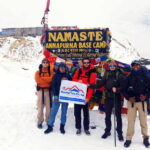
- Annapurna Base Camp (4,130m): the moment you came for
- Overnight at Base Camp area
- Bamboo, Jhinu Dada hot spring: the best kind of downhill recovery
- Final day back to Lakeside Pokhara
- Food, tea houses, and the small comforts that keep you sane
- Price and logistics: what $487 really buys you
- Who your guide is (and why it can change the whole trip)
- What to bring for Annapurna Base Camp comfort (and fewer annoyances)
- Who should consider this trek (and who should skip it)
- Should you book this 9-day Annapurna Base Camp with Poon Hill trek?
- FAQ
- How long is the trek?
- What languages will the guide speak?
- What is the highest altitude on this trek?
- Are meals included?
- Does the price include transportation and pickup?
- Is this trek suitable for pregnant travelers or older adults?
Key highlights worth planning around
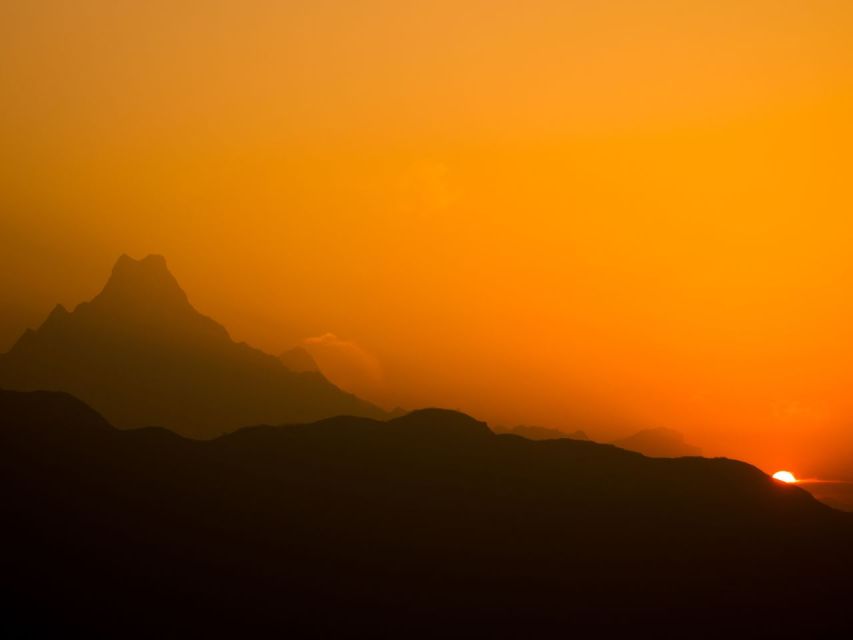
- Poon Hill sunrise: an early-morning payoff at 3,210m with big Annapurna views
- Ulleri step challenge: thousands of steps during the hike to Ghorepani
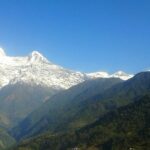
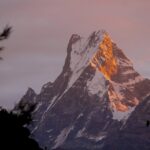
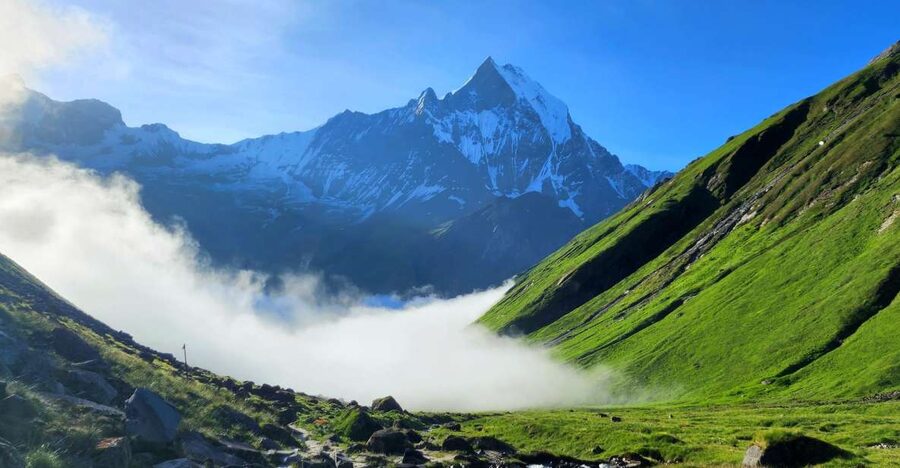
- Annapurna Range star cast: Annapurna South, Hiunchuli, Fishtail, Machhapuchhre
- Natural hot spring reset: Jhinu Dada at about 1,600m to ease tired legs
- Private, guided trek: English/Hindi live guide for your group’s timing and safety
- Handled logistics: permits, paperwork, taxes, and lodge planning included through the trek team
Why this Annapurna trek starts with Poon Hill magic
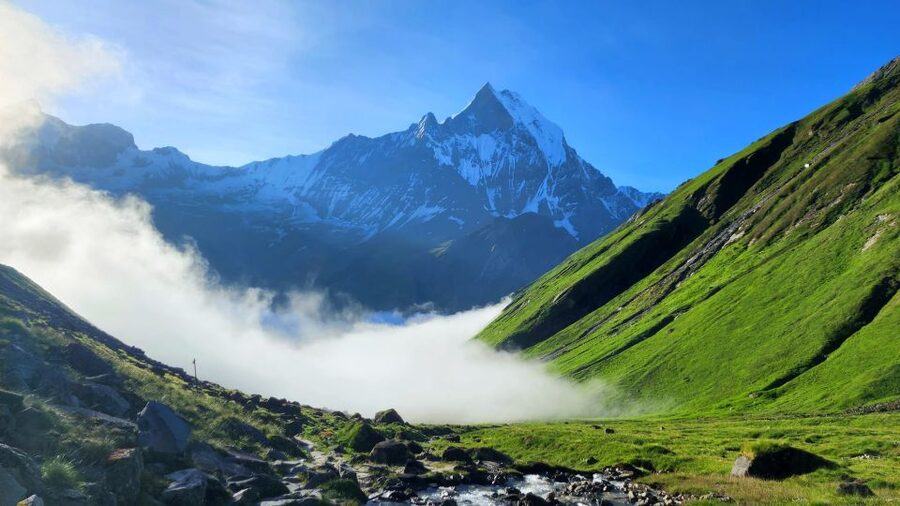
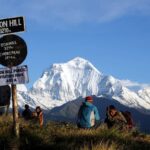
If you’ve ever wondered why so many people plan Annapurna around one morning, it’s because Poon Hill can feel like the whole region holds its breath. You start early, you climb/position yourself, and then the snow and sky start acting like a stage light show. This trek builds that moment right into the route, instead of treating it like a random add-on.
What makes it more than a pretty viewpoint is how the day flows after. You don’t just look up and go home. You head into forest trails toward places like Tadapani/Chuile, then keep moving until the mountains get bigger, closer, and more demanding.
There’s also a comfort-factor built in. Your trip is private, guided in English or Hindi, and designed with day-by-day lodge stops—so you’re not stuck improvising where to sleep or how to manage timing.
You can also read our reviews of more tours and experiences in Pokhara.
Pacing and altitude: what you’ll feel on the way up
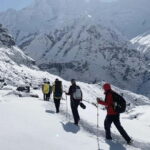
This trek is best described as steady with a few harder days, not a “run up the mountain” situation. Typical trekking days fall around 5 to 6 hours of walking, with some days shorter and some days longer—enough time to feel satisfaction, not enough time to turn every hour into suffering.
Altitude is where you’ll notice the difference. You’ll reach:
- around 3,210m at Poon Hill for sunrise
- about 4,130m at Annapurna Base Camp
That doesn’t mean it’s automatically miserable. But it does mean you should treat your pace and breathing like they matter. Altitude sickness is possible; the trip notes it’s rarely an issue, but it can happen. If you’re prone to it, it’s not a “push through and hope” kind of trip.
One more physical reality: the trek includes a major stair section climbing from Tikhedhunga up toward Ulleri and then onward to Ghorepani. Expect long effort even if your legs are strong. I like that the route still gives you time to settle into tea houses and recover each night.
Day by day: Pokhara to Tikhedhunga, then the Ulleri step workout
You’ll begin in Pokhara and transfer to the trailhead area via car (about 2 hours to Nayapul). Then the trek starts with a climb to Tikhedhunga (1,570m), roughly 3 hours on foot.
Why this first day is useful: it’s not a shock. You ease into trail life while watching the Modi Khola River and passing through villages. You get a chance to see how your body responds to hiking with a pack before the big stair day.
Tikhedhunga overnight
Sleeping in Tikhedhunga sets you up for the early stamina test the next day. You’ll be walking upward, and a good night of sleep matters.
The Ulleri-to-Ghorepani day
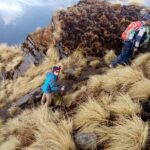
The trek pushes to Ghorepani (2,840m), with about 6 hours of walking. This is where the route earns its reputation: you climb to Ulleri village via over 3,000 steps, and the trail is lined with blooming rhododendrons.
Two things to know:
- Those steps feel never-ending, but they also let you control your pace. Short, steady breathing beats big bursts.
- Rhododendron blooms can make the climb feel less repetitive. It’s not just exercise; it’s scenery you earn.
You’ll end the day in Ghorepani, in a friendly tea house where you can recover for sunrise.
Poon Hill sunrise and the forest trails toward Tadapani or Chuile
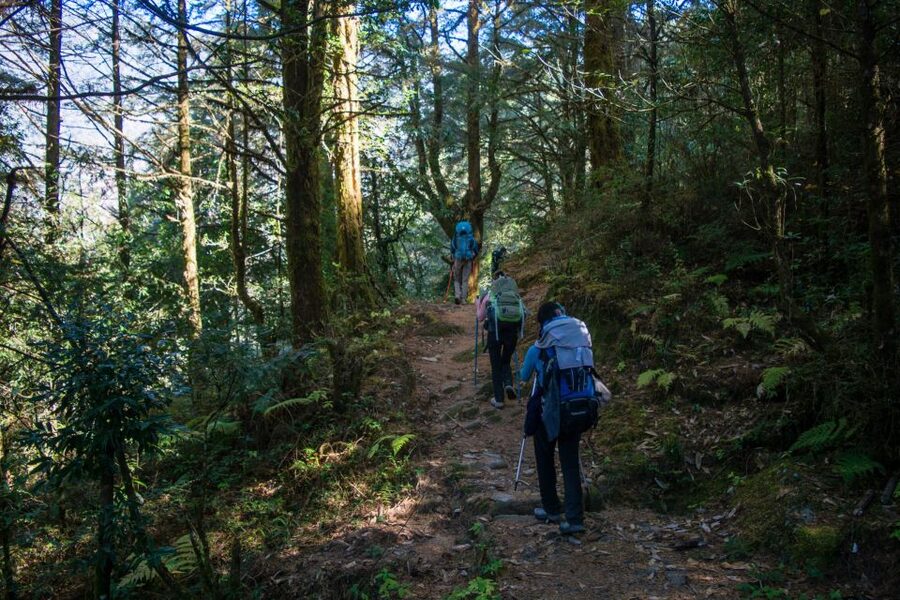
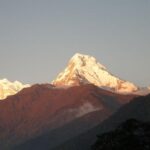
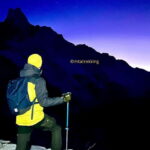
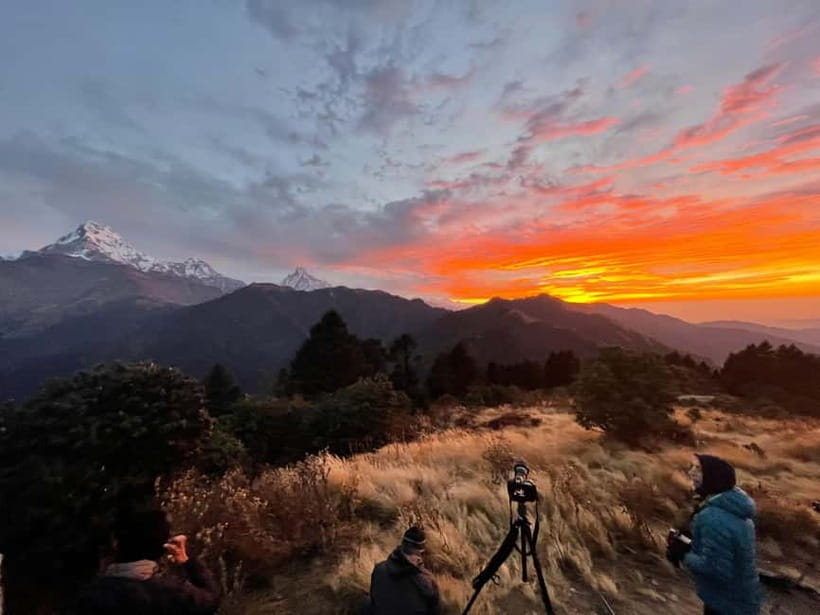
One of the cleanest “high-value” parts of the route is how the sunrise fits into your morning plan. You’ll have an early slot for Poon Hill (3,210m), and then you move forward to Tadapani/Chuile around 2,400m.
From a comfort standpoint, this section is a reset. After the stair effort and the altitude climb to sunrise, you’re heading into forest walking—a different rhythm than stone steps. The trail tends to feel cooler under trees, and it’s easier to settle into a steady tempo.
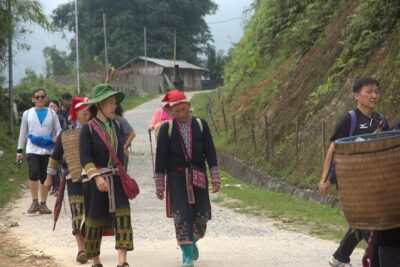
This is also where you get that sense of the Annapurna region as lived-in, not just scenic. Small tea houses exist because hikers pass through every day, and the people running them are used to your schedule: early starts, quick breakfasts, and evenings when the air cools fast.
Chuile and Tadapani overnight
Your overnight stop gives you options to rest, eat well, and prepare for the push onward. The trip includes cozy lodging in nature, and the day’s walking time is about 6 hours.
Sinuwa and Deurali: moving closer to Machhapuchhre and the Base Camp climb
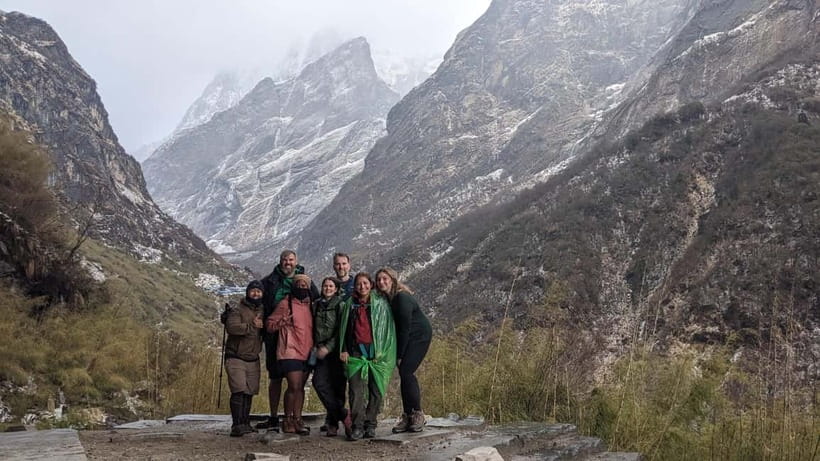
After Tadapani/Chuile, you continue toward Sinuwa (about 2,170m), around 5 hours of trekking. This day is about transition: more valleys, more river crossings, and a gradual sense that the mountains are getting heavier and higher.
One detail worth highlighting: the route includes the convergence area of the Kumrung and Modi Rivers. That kind of geography matters because it changes the feel of the trail—more turns, more water sound, and a different kind of visual depth than the open stair climbs.
Deurali (3,200m): a day that sets up the summit day
Next comes Deurali (3,200m), roughly 6 hours. You’ll trek through lush forests with major peaks appearing alongside you—Annapurna and Machhapuchhre are specifically called out.
This is one of those days where you should walk like it’s training for the next stage. Save your energy. Eat when you can. Don’t “win” the hike by arriving wrecked.
Annapurna Base Camp (4,130m): the moment you came for
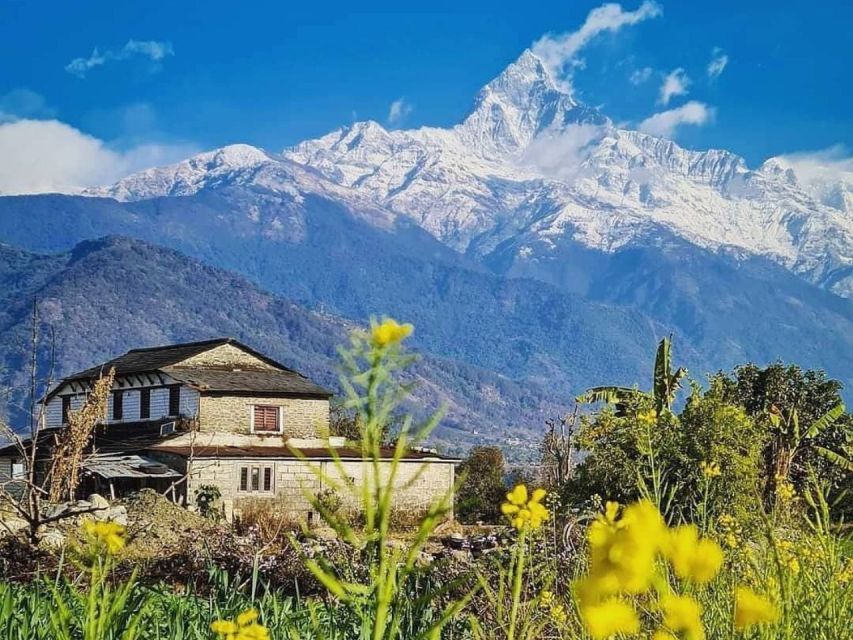
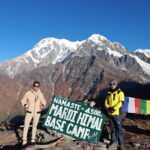
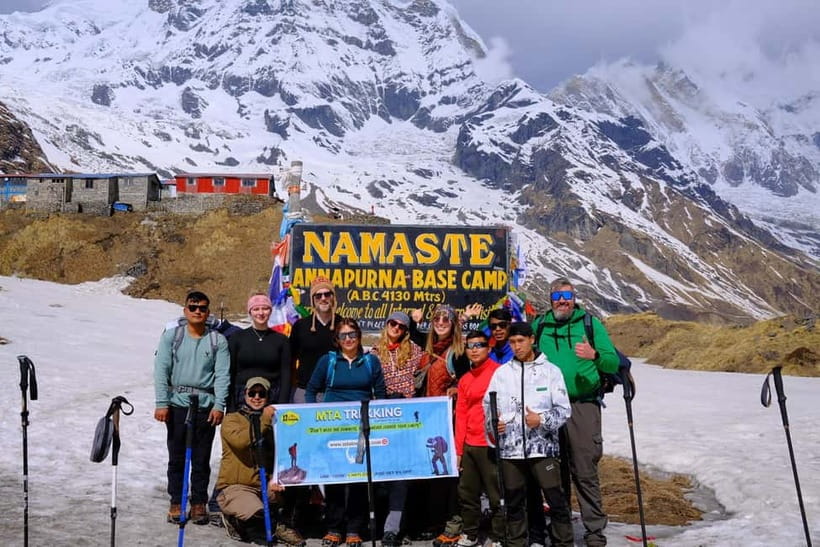
Then the big day arrives: Deurali to Annapurna Base Camp (about 6 hours, reaching 4,130m).
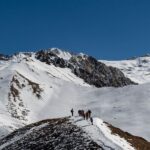
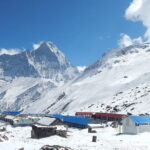
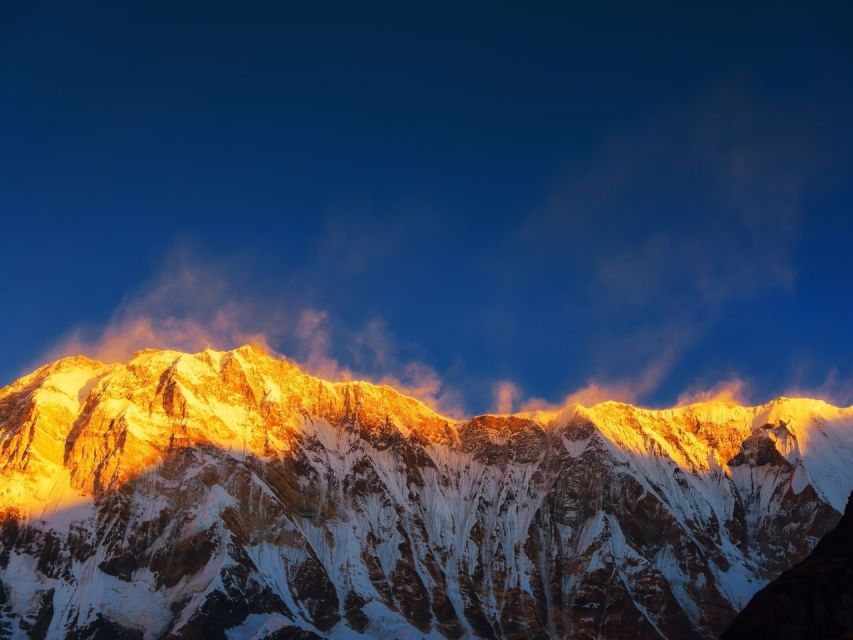
This is the high point—snow-capped peaks and glaciers right in your line of sight. It’s one of those destinations where the accomplishment feels real because you’ve had days of walking to earn the elevation.
What makes Base Camp special on this route is that it doesn’t come out of nowhere. You’ve already:
- gotten acclimated through staged heights
- seen the Annapurna Range from earlier viewpoints
- gained comfort with tea house routines
That means the Base Camp day is more likely to feel like a payoff, not a last-minute scramble.
Overnight at Base Camp area
You’ll spend the night near the moment you’ll remember later. Expect colder air and slower energy. Build in warmth habits: extra layers, slow movements, and water/food intake even if you don’t feel hungry.
Bamboo, Jhinu Dada hot spring: the best kind of downhill recovery
After Base Camp, you descend to Bamboo (about 2,300m), around 6 hours. This part matters more than people think. Descending helps your body recover from altitude stress, and it also restores your legs after a long day of exertion.
Bamboo is where your pace can feel more “human.” You’re still hiking, but you’re not chasing altitude. You’ll sleep again in a lodge setting, which keeps the trip from turning into a survival route.
Then comes the payoff that feels like a reward: Jhinu Dada Hot Spring (about 1,600m). The hike is around 5 hours from Bamboo to Jhinu Dada.
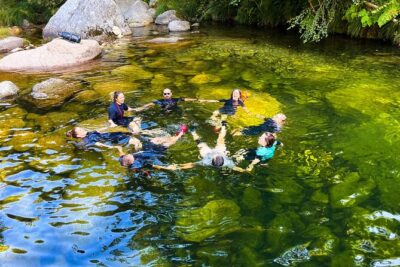
This is where you relax tired muscles in natural hot water. It’s not a spa resort vibe, but that’s the point. After days of stair fatigue and thin-air effort, it’s a practical, satisfying reset. Your whole body gets the message: you’re done climbing for now.
Final day back to Lakeside Pokhara
On day 9, you return to Lakeside Pokhara with a 2-hour trek and a comfortable ride. It’s time to reflect, take photos while the details are still fresh, and hydrate like it’s your new hobby.
Food, tea houses, and the small comforts that keep you sane
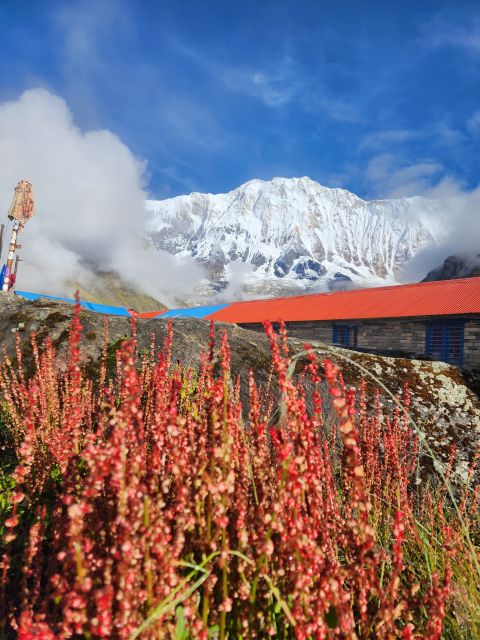
Along this trek, you’ll eat at tea houses and lodge restaurants at your overnight points. The good news: the menu typically gives choices, so you’re not stuck eating one bland option to survive.
From experiences shared by past guests, I’d expect meals and accommodation to be decent, with enough variety to keep you from getting bored. One recurring comfort note is how a simple drink can feel world-class at altitude—milk tea, in particular, hits different when the mountain air is crisp.
Tea house breakfasts and dinners also help with pacing. You’re usually eating early, and you’re eating food that’s designed to work with a hiking schedule. That reduces stress on you.
Price and logistics: what $487 really buys you
At $487 per person for a 9-day trek, the value depends on what you’re trying to avoid. If you want minimal headache—permits, route handling, lodge arrangements, and staff support—this price structure can make sense.
What’s included:
- Transportation during the trek
- Trekking permits and paperwork, plus government taxes
- Accommodation through the trek
- Staff expenses during the trek
- Meals only if you book the full package (so confirm which package you’re choosing)
What’s not included (plan for this):
- Soft and hard drinks
- Travel and rescue insurance
- Personal expenses like phone calls, laundry, bar bills
- Items like trekking poles and sleeping bags/crampons
- Costs for things like hot shower access, bottled/boiled water
Two quick value notes for your decision:
- Guided logistics are the real cost saver. Without a team handling paperwork and lodge timing, you’d spend mental energy (and often money) sorting it out yourself.
- The private group format can be a big upgrade if you hate waiting for slower hikers or dealing with mixed plans.
There’s also free cancellation up to 24 hours before and a reserve-and-pay-later option. That can be useful if you’re juggling flight timing.
Who your guide is (and why it can change the whole trip)
This trek runs with an English/Hindi live guide, and having someone calm and attentive makes days feel smoother.
Past participants specifically mentioned guides such as Lalit and Pratiksha, who helped with safety, lodge satisfaction, and keeping the experience enjoyable even on tougher hiking days. You might also meet porters working hard alongside the route; one guest described Rickson, a young porter carrying bags up and down steep trails with dedication and a smile.
Even if your guide is different, the pattern is clear: you’ll benefit from having someone coordinate timing, explain what you’re seeing, and help you stay steady.
What to bring for Annapurna Base Camp comfort (and fewer annoyances)
The essentials the trek calls out:
- Comfortable shoes
- Weather-appropriate clothing
- Sunscreen
- Sunglasses
And don’t ignore the “cold and wet” side of the Himalayas. The trip notes these are real possibilities:
- Monsoon season (June–August) can bring heavy, erratic rainfall, so weather gear is key.
- Leeches can be a nuisance, especially on lower trails during monsoon. The practical fix is simple: wear long pants and tuck them into gaiters if you have them, plus use insect repellent.
Also remember: trekking poles and sleeping bags aren’t included. If you don’t already have them, plan to rent or bring your own. Poles can reduce knee strain on descents, and a sleeping bag matters in higher, colder nights.
Who should consider this trek (and who should skip it)
This trek is built for people who want:
- a guided, structured route
- real time in villages and tea houses
- the classic “Poon Hill sunrise to Base Camp” arc
- a natural hot spring ending
It’s also not for everyone. The trip states it is not suitable for:
- pregnant women
- people with altitude sickness
- people over 70 years
If you’re unsure about altitude risk, be honest with yourself before you commit. This route reaches 4,130m, and no itinerary can erase that reality.
Should you book this 9-day Annapurna Base Camp with Poon Hill trek?
Yes—if you want the full Annapurna experience with less logistics stress and you’re comfortable with a stair-heavy start and real altitude. The biggest reasons to book are straightforward: Poon Hill sunrise, the chance to see major peaks like Annapurna South and Fishtail, and the practical payoff of Jhinu Dada hot spring after the harder climbing days.
Maybe think twice—if you:
- hate stairs and steep, step-by-step climbs (Ulleri is a serious moment)
- don’t handle altitude well
- are traveling during monsoon months without the right gear for heavy rain and leeches
If you fit the sweet spot, this route is a solid value at $487 because the trip handles the key stuff—permits, paperwork, and lodge planning—while still giving you a real trek, not a “bus + viewpoints” version.
FAQ
How long is the trek?
The duration is 9 days.
What languages will the guide speak?
Your live tour guide speaks English and Hindi.
What is the highest altitude on this trek?
You reach about 4,130 meters at Annapurna Base Camp. Poon Hill is around 3,210 meters.
Are meals included?
Meals are included only for the full package. Otherwise, meals are not included.
Does the price include transportation and pickup?
Yes. Pickup in Pokhara is included, and on day 1 you use a cab ride from Pokhara to Nayapul (about 2 hours). A comfortable ride is included on the final return as well.
Is this trek suitable for pregnant travelers or older adults?
No. It is not suitable for pregnant women, people with altitude sickness, or people over 70 years.