Naag Tibba feels like a shortcut to the Himalaya.
This 2-day, guide-led trek from Pantwari is a rare mix of mountain confidence and real time in nature, with camping gear, meals, and permits handled for you. I like how the route is paced so you can focus on the trail and the views, not on logistics or getting lost.
My favorite parts are the setup you don’t have to manage and the feeling of staying on track. You get tents and camping gear (plus technical and common equipment), along with breakfast, lunch (2), and dinner, which means less carrying and less thinking. And with an expert trek leader, plus support staff like cooks and helpers, you’re hiking with a team, not a DIY mindset.
The main drawback to plan around is that the trek depends on good weather. If conditions are rough, your date may be changed or refunded, so it’s smart to keep your schedule flexible and bring clothing for fast-changing mountain conditions.
In This Review
- Key things that make this Naag Tibba trek work
- Naag Tibba From Pantwari: a quick Himalaya fix near Rishikesh
- What you’re paying for: gear, meals, permits, and real logistics
- Day 1: Pantwari base-camp hike through forest and village country
- Day 2: Summit morning for Nag Tibba, back to camp by lunch
- Guide-led safety: how this trek stays confident on the trail
- Camping and meals: why staying fed changes everything
- Gear: what’s included, and what you should still bring
- Fitness level and trail feel: who this fits best
- Price, transfers, and timing: how to plan your weekend
- Should you book Naag Tibba Trek with Yeti Outdoors?
- FAQ
- Where does the trek start and end?
- How long is the Naag Tibba trek?
- Is pickup included?
- What meals are included?
- What camping and equipment is provided?
- Do I need travel insurance?
- What happens if the weather is bad?
Key things that make this Naag Tibba trek work
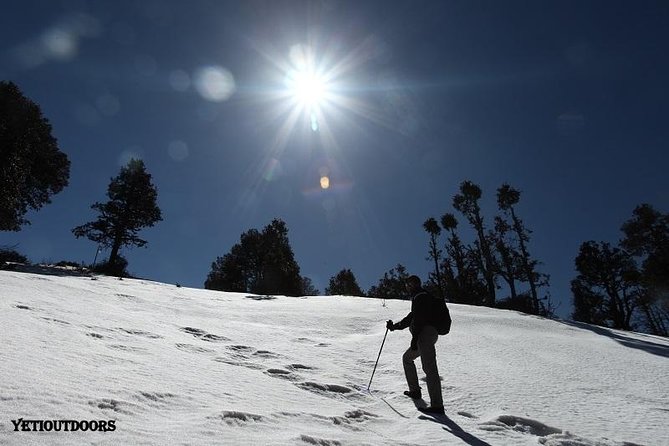
- Expert trek leader + support crew keeps the experience safety-focused and practical
- Camping gear and technical equipment included, so you’re not buying or borrowing for one weekend
- Meals included (breakfast, lunch x2, dinner) means you can hike without carrying a full food load
- Gradual Day 1 approach from Pantwari to a base camp you can enjoy at night
- Early summit start on Day 2 so you’re back at camp by lunch with daylight to spare
- Private tour format means your group stays together rather than blending into a crowd
Naag Tibba From Pantwari: a quick Himalaya fix near Rishikesh
If you want a taste of the higher country without committing to a long trek, Naag Tibba is a strong pick. It’s close enough to Rishikesh that this can feel like a weekend escape, but you still get the full rhythm: slow ascent, forest walking, a real camping night, and then an early push for the summit.
Naag Tibba is also one of those treks where the “getting there” matters. Day 1 doesn’t just drop you at a trailhead and hope for the best; it eases you into the mountain with a gradual hike from Pantwari to the base area, giving your legs time to warm up.
And you’ll appreciate how the experience is built around not getting lost. The whole point is having a leader guide you along the way, with permits and route guidance handled so you can spend your energy on the trail, not navigation.
You can also read our reviews of more tours and experiences in Rishikesh.
What you’re paying for: gear, meals, permits, and real logistics
At $53.93 per person for a 2-day trek, the headline price is surprisingly “low” for what’s included—especially because the usual costs in mountain treks are the stuff you don’t see at first: tents, extra equipment, food, permits, and the people who keep it running.
Here’s what the package includes:
- Camping equipment (tents and other camping gear) and technical/common equipment
- Meals: breakfast, lunch (2), and dinner (with chai and food support showing up in the experience style)
- Permits
- An expert trek leader, plus guides/cooks/helpers and porters/mules
The smart value for you is time and weight. If you’ve ever tried to “save money” on a trek by packing your own tent and hauling food, you know how quickly that turns a mountain weekend into a suffering contest. This format shifts the focus back to the walk and the summit day.
Two things to keep in mind. Private transportation isn’t included, so you’ll need to sort how you reach the meeting point. Also, insurance isn’t included, so if you rely on coverage for trips, you’ll want to arrange it separately.
Day 1: Pantwari base-camp hike through forest and village country
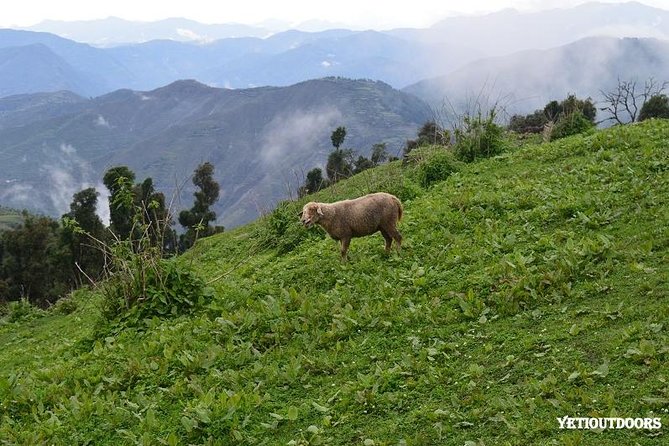
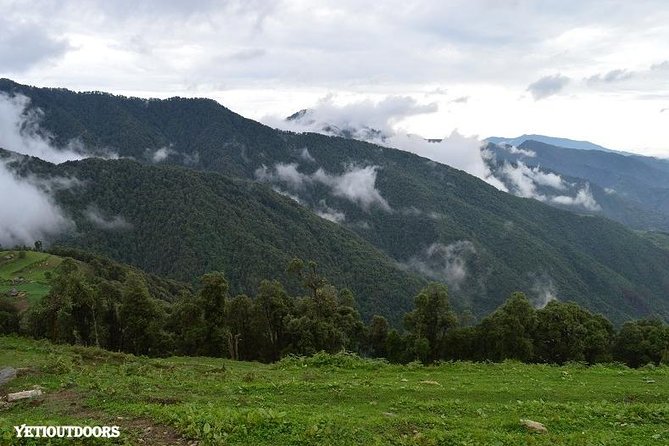
Day 1 starts from Pantwari, and the hike to the base area is a gradual walk of about 3 hours. That matters. The pace is gentle enough to get you moving without draining you before the camping portion of the trip, and it sets up a smoother Day 2 summit effort.
As you walk, you’ll pass through small Himalayan village areas like Pantwari, which keeps the trek grounded in lived-in mountain culture rather than feeling like a purely remote hike. It also means you’re not walking in total emptiness; you’re moving through a human landscape before you fully transition into the forest.
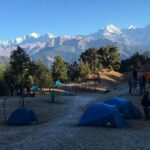
You’ll camp at the base, and the evening is free to explore the forest. That’s a great window if you like slow time: you can look for birds, watch how the forest changes as the light drops, or just settle in and enjoy the fact that you’re not planning anything. One practical benefit here is that your camping gear is handled, so you aren’t spending the evening wrestling tent poles and stakes.
Possible consideration for Day 1: since the evening is free, you’ll want to plan your energy. Go out for a short explore if you’re curious, but don’t treat it like a second hike. Day 2 begins early.
Day 2: Summit morning for Nag Tibba, back to camp by lunch
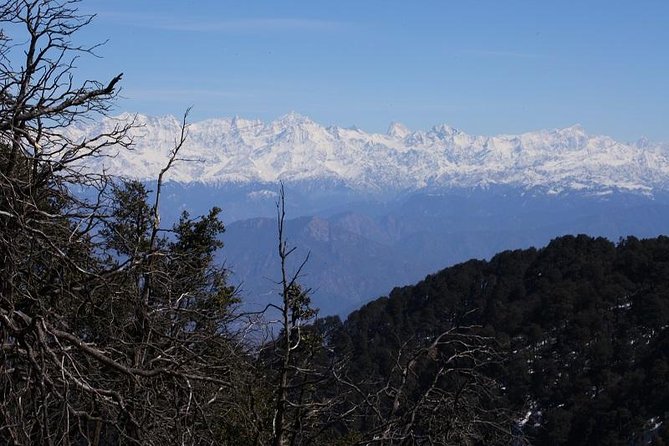
Day 2 is the payoff. You’ll start early in the morning to reach the top, then admire the summit before heading back down. After the summit, the schedule brings you back to the camp by lunch, which is a huge comfort compared to treks that keep you descending late.
The timing is doing you a favor. Early start usually means better conditions for the climb and a more manageable descent in daylight. And being back by lunch means you can eat, recover, and avoid the “we’re still on the trail at dusk” fatigue that can make a tough day feel longer.
After lunch, the itinerary shifts toward Pantwari and then onto the journey for Mussoorie. The exact handoff isn’t fully spelled out in the details you provided, so I’d treat this as a “transfer phase” rather than a guaranteed time-stamped sightseeing stop. If Mussoorie is on your agenda, plan to treat it as part of your overall trip flow, and check with the operator on the exact arrival timing.
Also note: Naag Tibba is listed as a 6-hour segment, with an admission ticket included. That suggests the summit-day movement and official trek time are built into the plan, so you’re not guessing how long you’ll be trekking once the climb starts.
Guide-led safety: how this trek stays confident on the trail
The biggest reason I’d choose a guided trek here is not romance—it’s structure. This is set up as a safe hiking experience with an expert trek leader, qualified through basic/advanced mountaineering courses. That translates into decisions you don’t see: pacing, route choice, and how the team handles changing conditions.
You also get a whole support layer behind the scenes. The included services cover guides, cooks, helpers, and porters/mules, which reduces the risk that someone is overloaded or that you’re waiting around because a key task didn’t get done.
From the way the trek has been described by past participants, the leader is often Manish, with assistants such as Ashish and Rishabh sometimes mentioned as part of the team. Even if your exact crew differs, the pattern is clear: this is meant to feel coordinated, not improvised.
A practical tip for you: even with a guide, you should still dress and pack like the mountain can surprise you. Early starts mean chilly mornings, and the weather can shift fast. Bring layers you can adjust, and keep your energy steady instead of sprinting the climb.
Camping and meals: why staying fed changes everything
Camping on a trek isn’t just about sleeping outdoors. It’s about being able to recover for the next day. Here, you get tents and camping gear, plus full meal coverage: breakfast and dinner, and lunch twice.
That meal setup matters because Day 2 starts early. If you’re carrying snacks and rationing food, the summit day becomes a gamble. With meals included, you can eat at the right times and focus on hydration and pacing.
Another practical win: having meals and camping support handled means you can keep your pack lighter. You’re not trying to carry everything you need for two days plus the camping setup, so your legs feel the difference during the ascent.
One more small but meaningful detail: the experience includes permits and the team logistics that normally create friction in DIY trekking. That’s not glamorous, but it’s exactly what helps a short trek feel smooth and enjoyable instead of stressful.
Gear: what’s included, and what you should still bring
The package includes tents, camping equipment, and technical/common gear. So you don’t need to source a tent for this outing, and you’re not relying on random borrowed equipment either.
But you should still bring personal items. The details you provided don’t list a full kit checklist, so I’ll focus on sensible defaults for a two-day hill trek:
- A good pair of hiking shoes or sturdy footwear with grip
- Layered clothing for early mornings and changing temperatures
- A rain layer or weather shell
- Water and a way to stay hydrated comfortably during the climb
- A headlamp or small flashlight for the camp evening (even if you only use it briefly)
If you’re unsure, ask the provider what they expect you to carry personally. The included items cover camping gear, but your comfort depends on your own clothing and personal essentials.
Fitness level and trail feel: who this fits best
The experience states that most travelers can participate, and the schedule supports that with a gradual Day 1 approach and a return to camp by lunch on Day 2.
Still, this is a summit trek. You should expect a real climb early on Day 2, plus downhill walking on the way back. If you’re generally comfortable on steep-ish paths and can hike for several hours at a time, you’ll likely find this manageable.
This trek is especially well-suited if:
- You want a guided route with safety and navigation taken care of
- You prefer camping with support rather than DIY planning
- You don’t want to haul gear from the city
- You have only a short window and still want a summit day
If you’re seeking a fully gentle walk with no elevation push, you might find the early summit effort a bit much. But if you’re ready for a short, meaningful challenge, Naag Tibba is built for you.
Price, transfers, and timing: how to plan your weekend
Your meeting point is Yeti Outdoors. The activity ends back at the meeting point, so you can think of this as a self-contained trek block with pickup offered.
But remember: private transportation isn’t included. That means getting to the meeting point is on you, and any onward movement to Mussoorie (after Day 2 lunch) may require coordination. If Mussoorie is where you’ll continue your trip, it’s worth clarifying:
- whether you’ll get dropped directly into town
- how long the transit phase might take
- what costs might apply for additional stays and food in Mussoorie
Those additional costs are specifically listed as not included: stay and food in Mussoorie and food during transit.
Also, this experience can be affected by weather. If conditions force a change, the operator will typically offer another date or a full refund. For you, the takeaway is simple: avoid booking this as the only flexible day in an otherwise rigid schedule.
Should you book Naag Tibba Trek with Yeti Outdoors?
I’d book it if you want a short trek that feels organized, safe, and low-stress. The package value is strong because you’re not paying separately for tents, meals, permits, and the support team. You’re essentially buying a guided weekend where your job is to show up, hike, and enjoy the mountain daylights.
I’d think twice if you hate uncertainty around weather-dependent plans or you don’t want to handle getting to the meeting point and any onward travel phases separately. Also, if you want to stay in Mussoorie afterward, budget for your own food and lodging there since it’s not included.
If you’re ready for a real hike with a guided summit push and you like the comfort of camping support, Naag Tibba is a smart use of two days.
FAQ
Where does the trek start and end?
The trek starts at Yeti Outdoors and ends back at the meeting point.
How long is the Naag Tibba trek?
The trek runs for about 2 days.
Is pickup included?
Pickup is offered, but private transportation is not included, so it’s best to confirm how you’ll get from your location to the meeting point.
What meals are included?
Meals included are breakfast, lunch (2), and dinner.
What camping and equipment is provided?
The tour includes tents and all camping equipment, plus technical and common equipment and permits.
Do I need travel insurance?
No. Any kind of insurance is not included, so you’ll need to arrange it separately if you want coverage.
What happens if the weather is bad?
This experience requires good weather. If it’s canceled due to poor weather, you’ll be offered a different date or a full refund.